
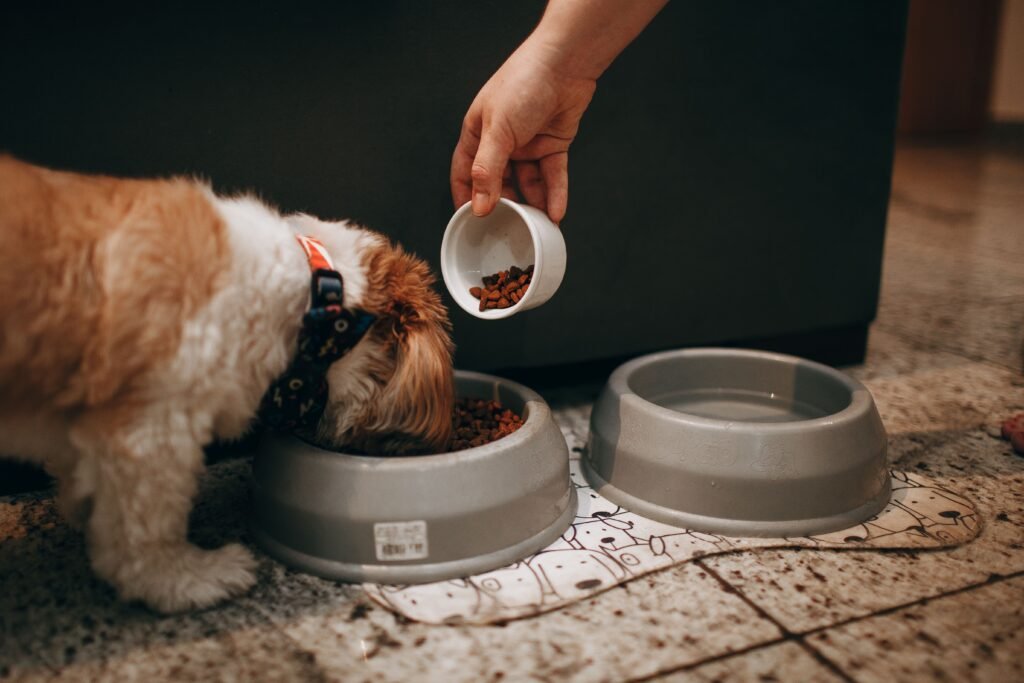
Your dog has had vomiting or diarrhea on and off for weeks, and now your vet has brought up inflammatory bowel disease. IBD in dogs sounds alarming the first time you hear it.
It means the gut lining has stayed inflamed and no other cause has been found. The first treatment is usually food, not pills, and many dogs need nothing more.
What IBD Means in a Dog
Inflammatory bowel disease (from the Latin inflammare, meaning “to set on fire”) is named for what happens in the gut wall. Inflammatory cells move into the lining of the stomach or intestines and thicken it, which makes it harder for your dog to absorb nutrients and move food along.
You may also see a newer name on reports, chronic enteropathy (from the Greek enteron, “intestine”, and pathos, “suffering”). Specialists now prefer it, because the disease in dogs is similar to IBD in people but not the same.
The exact cause is not fully understood. The leading idea is that the immune system in the gut overreacts to food or to the bacteria that normally live there, with genetics playing a part. German Shepherds are affected more often than other breeds, and one form that inflames the colon has been reported in Boxers and French Bulldogs. Most dogs are middle-aged when signs start, though dogs under two can be affected.
Signs That Fit IBD
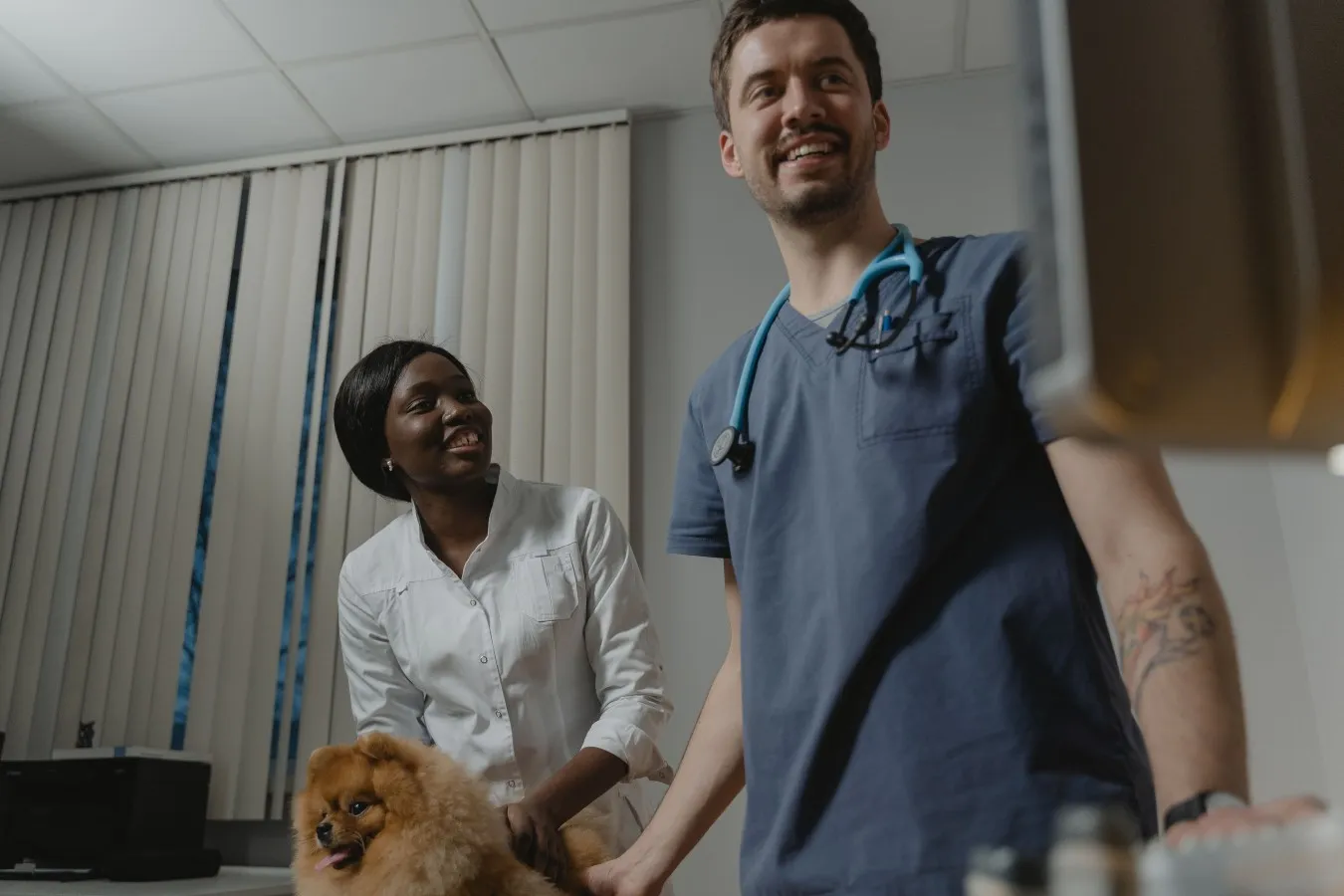
The most common signs are vomiting, diarrhea or loose stool, and weight loss. Appetite can go either way. Some dogs eat less, while others eat more than usual and still lose weight. Extra gas is common too. The signs tend to come and go, so a good week does not mean the problem is gone.
Time is the dividing line. A simple stomach upset usually clears within a few days. Signs that last three weeks or longer, or that keep coming back, are what vets call chronic. Even a dog that vomits once a week may have an underlying disease, so mention it to your vet.
When IBD Signs Cannot Wait
Sudden collapse, or weakness with pale gums, can mean serious blood loss or shock. That is an emergency, so go to an emergency vet immediately.
Other changes need your vet the same day, not a wait-and-see approach. A dog that keeps vomiting and cannot keep water down is losing fluid it cannot replace, and dehydration can become life-threatening. Blood in the vomit, blood in the stool, or black, tarry stool points to bleeding in the gut. A dog that refuses food for a full day, or turns dull and listless, should be seen too.
Some dogs with IBD lose protein through the inflamed gut. That can leave them with low albumin, a shortage of the main blood protein. Fluid then leaks out of the blood vessels and collects in the belly, legs or chest. Report a swelling belly or puffy legs to your vet the same day, and treat labored breathing as an emergency.
- 01
Collapse or pale gums
An emergency. Go to an emergency vet immediately.
- 02
Labored breathing
Breathing that looks faster or harder is an emergency too.
- 03
Cannot keep water down
Repeated vomiting where nothing stays down, not even water.
- 04
Blood in vomit or stool
Red blood, or stool that looks black and tarry.
- 05
A swelling belly
A rounder belly or puffy legs in a dog with ongoing gut signs.
- 06
Not eating for a day
Refusing food for a full day, or turning dull and listless.
A dog with IBD can still develop an unrelated emergency. If something looks different from the usual pattern, call your vet instead of assuming it is just another flare.
How Vets Work Toward a Diagnosis
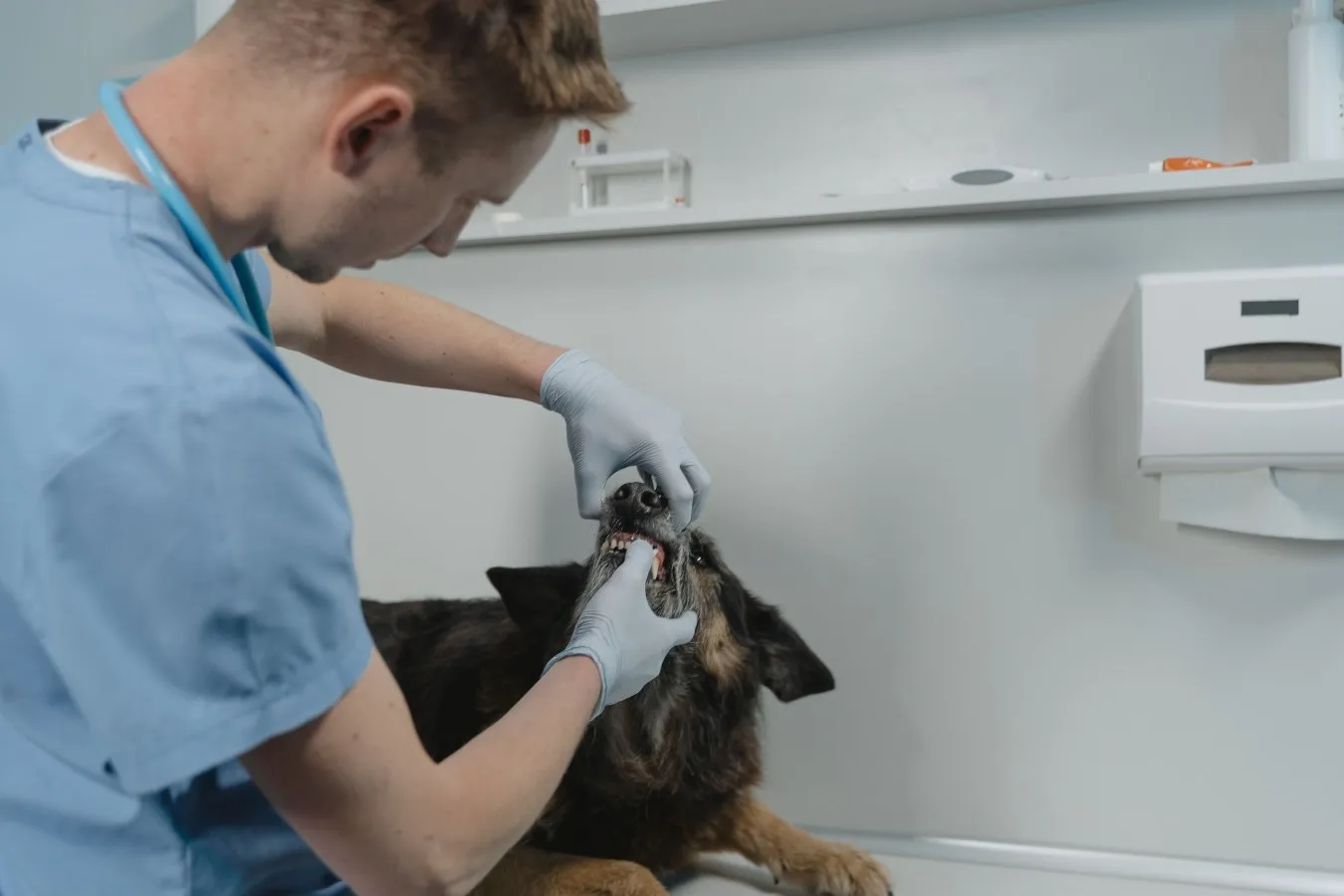
IBD is a diagnosis of exclusion. Your vet has to rule out parasites, a swallowed object and other causes of long-running gut trouble before landing on this label. That is why the workup can feel drawn out compared to a simple stomach bug.
It starts with bloodwork and a stool test. The stool test looks for parasites such as Giardia, which is shed on and off and can be missed. That is why many vets deworm anyway.
Bloodwork checks the organs and screens for look-alikes such as pancreatitis. It can also screen for Addison’s disease, a hormone disorder that can look like gut disease. Many vets add vitamin B12, also called cobalamin, because most dogs with IBD cannot absorb it well.
An abdominal ultrasound often follows, to look at the thickness of the intestinal walls and check for masses. Do not be surprised if every result comes back normal, because in most dogs with this condition they do. Normal results are useful, because they clear the way for a diet trial.
| Diagnostic Step | What It Rules Out or Confirms |
|---|---|
| Bloodwork | Organ disease, low protein, low B12 |
| Stool test | Intestinal parasites |
| Abdominal ultrasound | Intestinal wall thickening, masses |
| Diet trial | Whether food alone settles the signs |
| Intestinal biopsy | Confirms inflammation, helps rule out lymphoma |
Why the Diet Trial Comes First
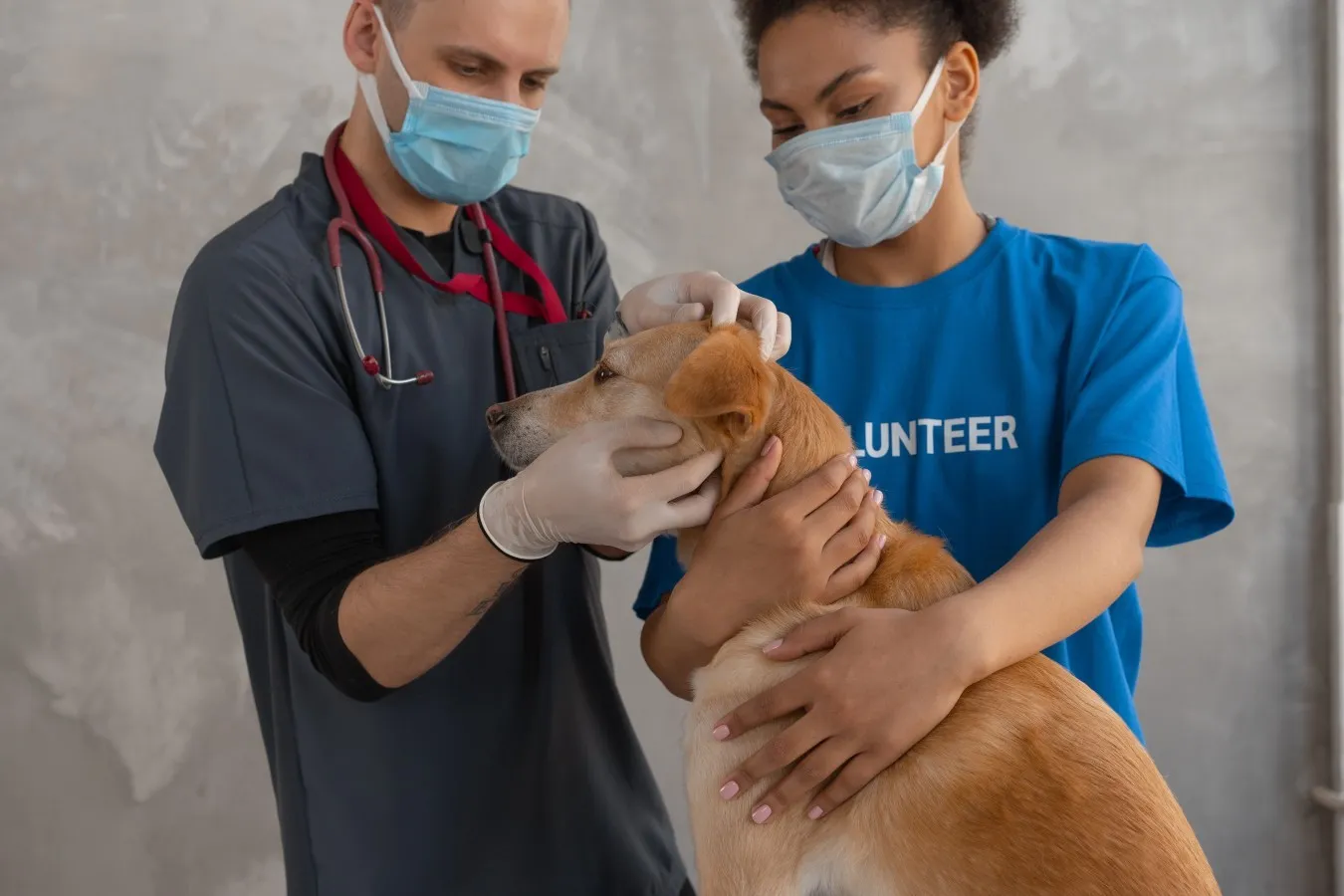
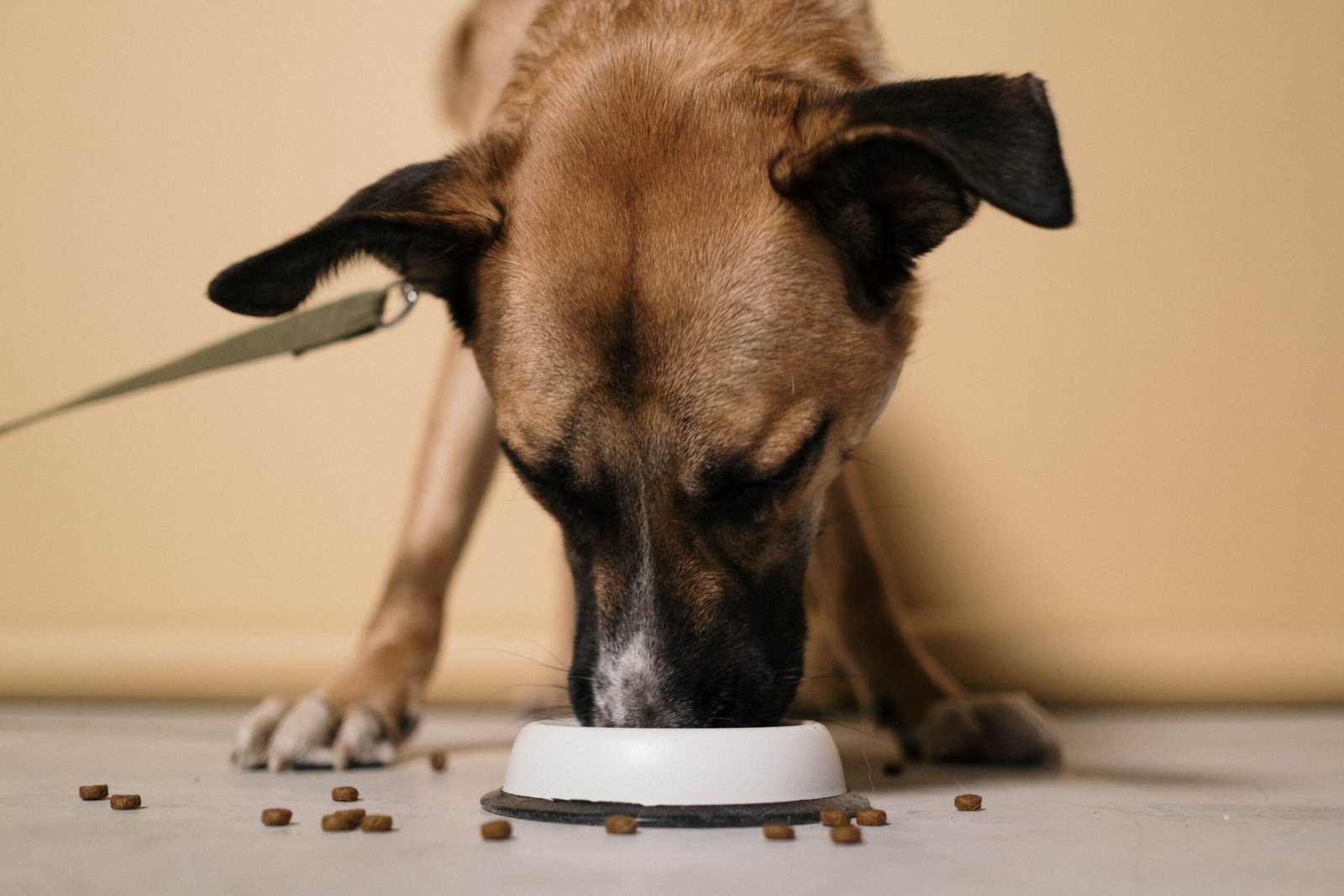
In a stable dog, current guidance puts a diet trial ahead of biopsies, because food alone settles the signs in more than half of dogs. Your vet will choose one of two kinds of trial diet. A novel protein diet is built around a protein your dog has not eaten before. A hydrolyzed diet has its proteins broken into fragments that are harder for the immune system to detect.
The trial only works if it is strict. For at least two weeks, the new food is the only thing your dog eats, with no treats of any kind. Dogs that are going to respond usually do so within those two weeks.
A failed first diet does not rule food out. Some dogs need a second or third diet before one works. Once one does, expect to stay on it for at least twelve weeks before your vet changes anything.
IBD is not the same thing as a food allergy, though the two get confused often. A food allergy is an immune reaction to one specific ingredient. When it shows up in the skin, the diet trial has to run longer, at least eight weeks. IBD is a broader inflammatory process that may or may not involve a food trigger at all.
When Diet Is Not Enough
If strict diet trials fail, the next step is to take small samples of the intestinal lining, called a biopsy (from the Greek bios, “life”, and opsis, “sight”). Dogs that are losing protein or are very unwell may go to biopsy sooner. The samples are usually collected with an endoscope, a flexible tube with a camera, while your dog is under general anesthesia, or less commonly during surgery. They confirm the inflammation and help rule out intestinal lymphoma, a cancer, before stronger drugs are started.
The most common medication is a steroid such as prednisone, and dogs that respond usually do so within days. Expect steroid side effects such as more thirst, more urination and a bigger appetite. The dose is lowered in steps over time, so call your veterinarian instead of changing it on your own. In more severe cases, a second immune-suppressing drug may be added.
Dogs with low B12 are given supplements, usually by injection under the skin. A probiotic may be added when diet helps only partway, though the evidence for it is thin. Antibiotics, once a standard step, are no longer recommended for most dogs, because the improvement tends to be short-lived and relapse is common.
Can IBD in Dogs Be Cured?
Not in the traditional sense. IBD is a chronic condition managed long-term rather than cured outright, and most dogs stay on some form of treatment. The outlook is good for dogs with mild to moderate disease that respond to diet. In follow-up, diet alone kept up to 65 percent of dogs well over three years.
Things are less certain when a dog does not respond to diet or steroids. Between 15 and 40 percent of dogs do not respond to any treatment in the short term. Low albumin and low B12 both go with a harder course, so those two numbers are worth asking about at rechecks.
Relapses happen, and the most common trigger is food outside the plan. The diet rules matter long after your dog feels better, and everyone in the house has to follow them.
Was the article helpful?