

Your dog has been chewing its paws for months, the ears keep flaring up, and someone has suggested it might be the food. So you are standing in the pet store aisle in front of a wall of bags that say hypoallergenic, limited ingredient, and grain free, trying to work out which one is the best dog food for allergies. There is no single best one. What helps is whichever diet your dog can eat exclusively for the length of a proper elimination diet trial. That same trial is also what tells you whether food was ever the problem.
True food allergy is less common than most owners expect. The prevalence of food allergy in dogs is about 1 to 2% of all dogs seen by a veterinarian, rising to a median of about 18% among dogs who come in itchy. For the dogs who do have it, though, the diet is the treatment, which is why the trial is worth doing properly once.
First, Is It Actually the Food?
You cannot tell from the outside. Food allergy and environmental allergy itch in the same places and look much the same on the skin. The one useful clue is timing. Food allergy tends to run year round, while environmental allergy more often flares in spring or fall. Even that clue is weak, because indoor allergens itch all year too, and a dog can have both.
The only reliable way to confirm a food allergy is an elimination diet trial followed by a deliberate rechallenge. Blood, saliva, and hair tests sold for food sensitivities are not accurate enough to diagnose one. Dogs with confirmed food allergy often test negative, dogs without it often test positive, and the same sample sent twice can come back different. I would not spend money on one of those kits; the same money buys most of a proper trial diet.
What a Food Allergy Looks Like
In dogs with a food allergy, itching concentrates on the ears, paws, and belly, and the paw licking is easy to mistake for a habit. Ear infections that clear with treatment and come straight back are one of the most common patterns, along with paws your dog licks or chews and repeated skin infections. Many affected dogs also have digestive signs such as soft stools or more frequent bowel movements. Signs usually build gradually, not overnight, so you may have no idea which week it started.

What Goes Into a Trial Diet
A useful trial diet is built on one protein and one carbohydrate your dog has not eaten before, or on protein that has been hydrolyzed. The words premium and grain free tell you nothing here. Grain is a less common culprit than most owners think. Beef, dairy, and chicken top the list of reported food allergens in dogs, and that is largely because they are the proteins in most dogs’ everyday food. A dog can only react to something it has already eaten.
What you leave out matters more than what you put in. One flavored chew, one dental stick, or one bite of a sandwich puts the protein back and costs you the trial. Flavored medications and supplements count too, and so does the neighbor who thinks a little cheese never hurt anyone.
Hydrolyzed and Novel Protein Diets
Hydrolyzed diets break proteins into fragments too small for most immune systems to recognize. The word comes from the Greek hydor, “water,” and lysis, “loosening.” They are usually sold through veterinarians. In label-testing studies of commercial pet foods, they were also the least likely to contain hidden proteins, which is what makes them the most dependable choice for a diagnostic trial.
A novel protein diet uses something your dog has genuinely never eaten, such as venison or rabbit. Lamb no longer qualifies for most dogs. It has been a mainstream ingredient for decades and shows up as a reported allergen in its own right. Judge a diet by what your dog has actually eaten, treats and chews included, not by how exotic the bag sounds.
Over-the-Counter Limited Ingredient Labels
Over-the-counter limited-ingredient and grain-free foods are fine for everyday feeding. They are not reliable for diagnosis. When commercial diets were tested against their labels, a median of 45% contained ingredients that were not listed. Among foods sold as limited-ingredient or novel-protein, the mislabeling rate ran from 33% to 83%.
This matters most when a store-bought trial seems to fail. The protein you were trying to avoid may have been in the bowl the whole time, so a disappointing result does not actually rule food out. For diagnosis, start with a prescription elimination diet from your veterinarian rather than a pet store label, however good the reviews are. Once the trigger is known, an over-the-counter food that avoids it is usually fine for the long run. Knowing how to read a dog food label helps you narrow the choice, though after those mislabeling rates the honest check is how your dog’s skin and ears hold up over the following months.
How Long the Trial Takes, and What Comes Next
Plan on at least 8 weeks. About half of food-allergic dogs are clearly better by week 3, but it takes 8 weeks to catch more than 95% of them, and some references push that to a minimum of 10 weeks. Do not judge the diet by week 3 or 4. Stopping early because nothing has changed yet is an easy way to waste the whole trial, and a dog that would have responded a few weeks later gets wrongly written off as “not food.”
If your dog improves, the trial is only half finished. Feeding the old food again is what separates a real food allergy from a coincidence. A truly allergic dog usually flares within days, though a reaction can take up to two weeks to show. Plan that step with your veterinarian; do not improvise it on your own, because the timing and the food you reintroduce both matter.
When to Involve Your Vet
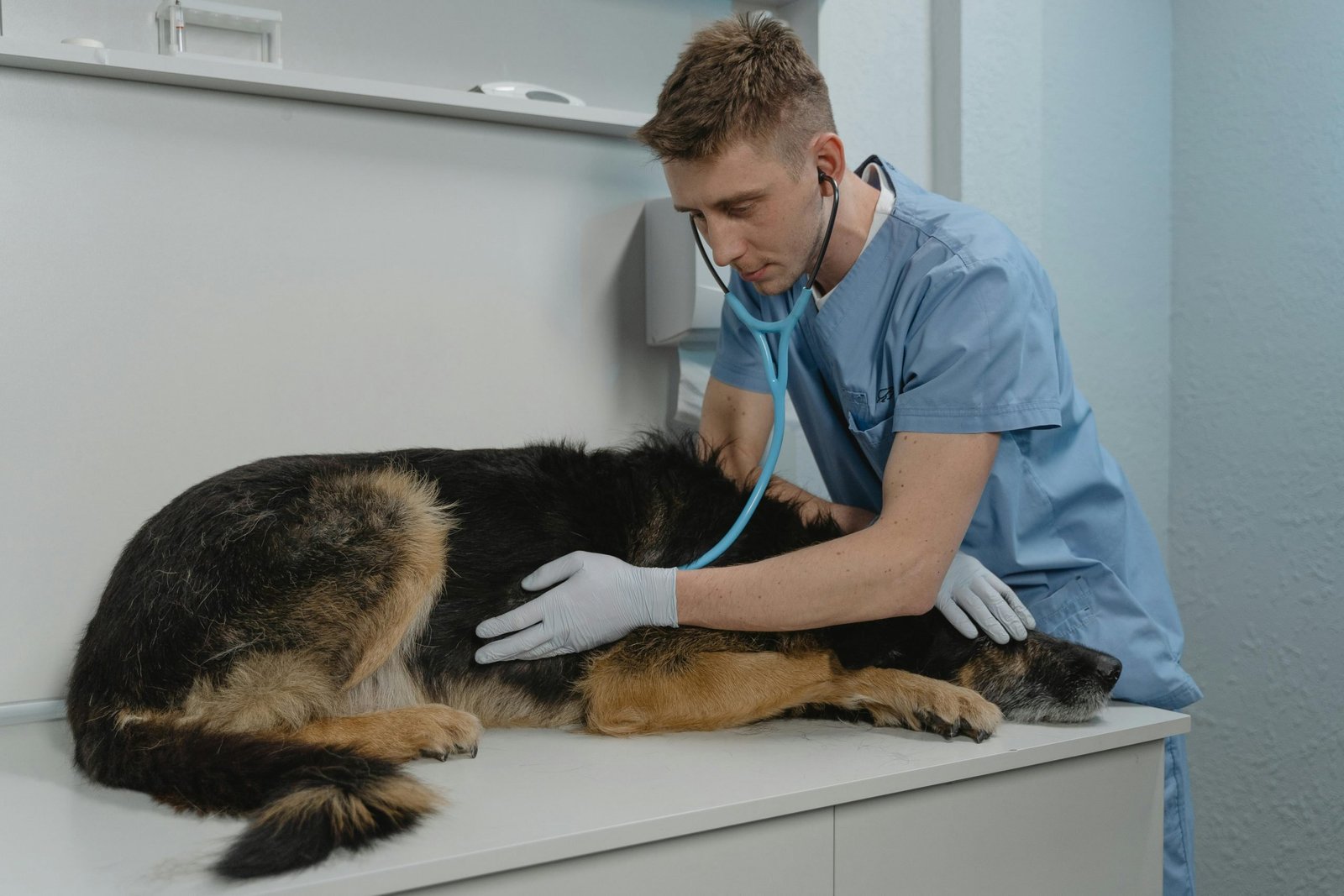
Bring your veterinarian in before day one, not after the trial disappoints. Your veterinarian picks the diet and rules out fleas and mites, which itch in the same places. They will often treat any skin or ear infection first, since that infection is often causing most of the misery. A trial run on top of an untreated infection reads as a failure even when the diet was right. If the itching has already survived one careful trial, a veterinary dermatologist is worth the referral, since untangling food from environmental allergy in the same dog is routine work for them.
Book a visit for skin infections that keep returning, or itching bad enough that your dog is losing sleep or breaking the skin. Sudden hives or swelling around the face and muzzle after a meal are a different and much faster reaction, often within minutes, and hives can be the first stage of anaphylaxis, which is life-threatening. Swelling that reaches the throat or changes your dog’s breathing is an emergency: go to the nearest vet immediately.
Was the article helpful?