

Table of Contents
Your dog is cleaning the bowl at every meal. The appetite looks completely normal. And yet the ribs are easier to feel than they were a couple of months ago. Appetite is what most owners use to judge whether a dog is well, which is exactly what makes this pattern so confusing.
When the food is going in and the weight is still coming off, the calories are being lost somewhere between the bowl and the body’s cells. That is a digestion, absorption or metabolism problem rather than an appetite problem, and it is worth an appointment rather than another month of watching.
Why Would My Dog Lose Weight While Eating Normally?
There are three ways a dog loses weight on a full bowl. The food is not digested, the nutrients are not absorbed, or something is burning calories faster than the diet replaces them. The middle group has a name, malabsorption, and weight loss despite a good or even increased appetite is its classic pattern. Parasites, chronic intestinal disease, pancreatic disease, diabetes, kidney disease and intestinal cancer all sit somewhere on that list.
Before you worry, get a number. Weigh your dog and compare it with the last weight in the clinic records. Then use your hands. At a healthy weight you should be able to feel the ribs without seeing them, with a visible waist from above. Each point on the nine-point body condition scale is worth roughly 10% of body weight, so a dog that has dropped a full point without being on a diet has lost about a tenth of itself. For scale, a dog on a supervised diet is only meant to lose 1 to 2% of its weight a week.
Intestinal Parasites: The Easiest Cause to Fix
Intestinal worms such as roundworms and hookworms live in the gut at your dog’s expense. The first thing they take is condition: a dog that eats well and still looks thinner and duller, most obviously a young one. This is the easiest cause on the list to fix. It moves up the list in dogs with an inconsistent deworming history or regular access to soil, feces, or prey animals.
A fecal test is the quick first step, and treatment is straightforward once the parasite is named. One caveat: a negative result is less final than it sounds. The more reliable method is centrifugal fecal flotation, which is consistently more sensitive than the simple flotation some clinics still use. A sample that is too small can also come back falsely negative. If the weight keeps dropping after a clean fecal, ask for a repeat on a fresh sample rather than crossing parasites off the list.

Digestive and Pancreas Problems
Exocrine pancreatic insufficiency, usually shortened to EPI, is a condition where the pancreas stops making enough digestive enzymes. Food then passes through largely undigested, no matter how much a dog eats. The stools give it away: large, pale, loose and foul-smelling, usually next to an appetite that has actually increased. German Shepherds, rough Collies and Eurasiers are the classic breeds, and in other breeds chronic pancreatitis is the usual cause. One blood test confirms it, serum trypsin-like immunoreactivity, and a result at or below 5.5 mcg/L in a dog is diagnostic.
Chronic inflammatory bowel disease, now more often called chronic enteropathy, damages the intestinal lining that does the absorbing. There is no single test for it. It is a diagnosis of exclusion: parasites, foreign material and intestinal lymphoma are ruled out first, and a hypoallergenic diet trial of at least two weeks comes before anyone reaches for a scope. Biopsies cannot tell a diet-responsive dog from a steroid-responsive one. That is precisely why the diet trial goes first.
Hormone Problems: Diabetes First, Thyroid Last
Diabetes is the hormone problem that actually turns up. A diabetic dog cannot move glucose out of the bloodstream and into its cells, so it loses weight while eating well, and it usually drinks and urinates noticeably more. Hyperthyroidism is the opposite story. It is common in older cats and uncommon in dogs, and when a dog does have it, the usual cause is a thyroid tumor that should be presumed a carcinoma until proven otherwise. The other routes are accidental: too much levothyroxine given for low thyroid, or raw diets containing thyroid tissue. It belongs on the list, but a long way down it.
Kidney Disease
Chronic kidney disease belongs on the list with a caveat. Its earliest signs are usually more drinking and more urinating. Weight loss and muscle loss tend to arrive later, in the more advanced stages, and usually alongside a fading appetite. So in a dog that is still eating with enthusiasm, kidney disease is not the first suspect, but routine bloodwork and a urine sample will settle it either way.

Could It Be Cancer?
Most owners are asking this silently, so here is a direct answer. Yes, cancer can cause weight loss in a dog that is still eating. Intestinal lymphoma is the version most relevant here, because it damages the same absorptive lining that chronic enteropathy does. Two qualifications matter. True cancer cachexia, where a dog wastes away despite eating enough, is uncommon in dogs with most cancers outside the blood and lymph system, though it is common in cats. What is common is muscle loss, seen in roughly 35% of dogs with cancer, and wasting over the spine and hind legs reads to an owner as general weight loss. Age shifts the odds. Parasites hit young dogs hardest, and cancer takes up more of the list as a dog gets older. In an older dog, it is fair to ask whether an abdominal ultrasound belongs early in the workup rather than last.
When Weight Loss Becomes an Emergency
Most causes of steady weight loss are worth a prompt appointment rather than an emergency visit, and I would not let one wait for the next routine checkup. A few signs change that: sudden, dramatic weight loss over days rather than weeks, paired with vomiting, diarrhea, weakness, or collapse needs same-day veterinary care.
- 01
Weight dropping in days
Sudden, dramatic weight loss over days rather than weeks.
- 02
Repeated vomiting
Vomiting that keeps coming back alongside the weight loss.
- 03
Black or bloody stool
Black or bloody stool, or diarrhea on top of the weight loss.
- 04
Weakness or collapse
Extreme lethargy, weakness, or a dog that goes down.
- 05
Signs of pain
Your dog seems to be in pain. Do not wait for a scheduled appointment.
What Your Vet Will Do to Find the Cause
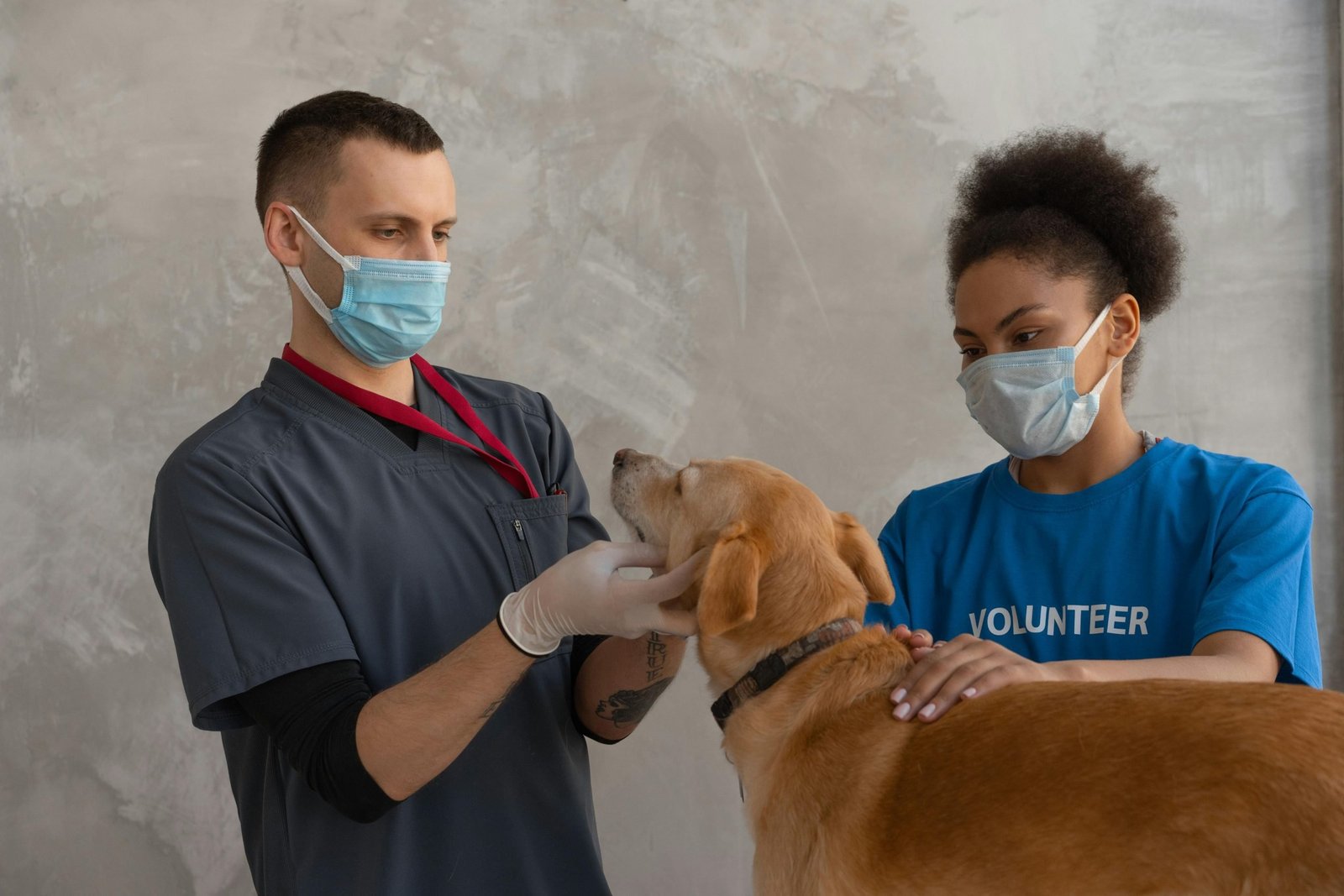
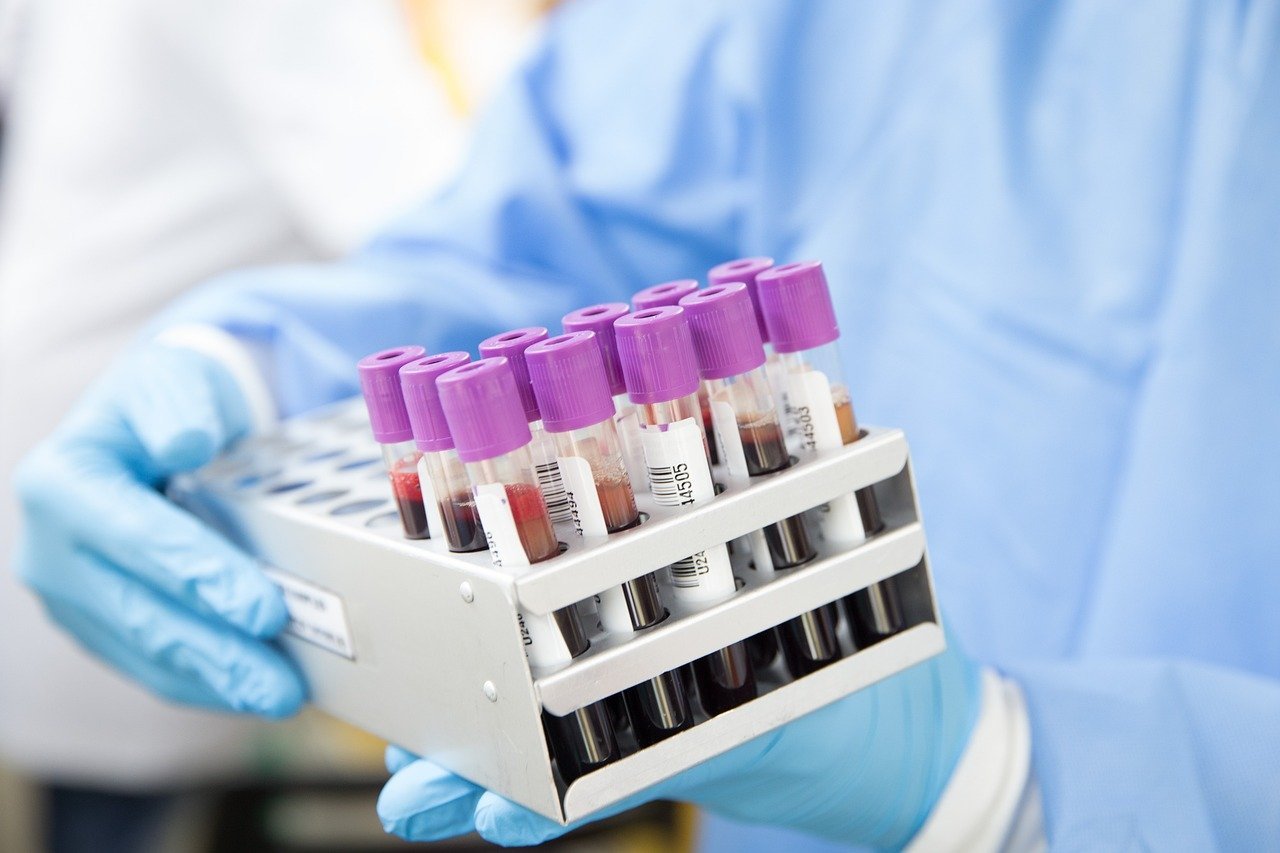
A veterinarian will usually start with a physical exam and body condition score, a fecal test, and baseline bloodwork and a urinalysis, which together check organ function and blood glucose. That combination catches most of what is on this page. If the results point at the intestines, cobalamin and folate are often added. Folate is absorbed high in the small intestine and cobalamin low down, so whichever one is low tells your vet roughly where the problem sits.
Bring the old weight with you, or photos of your dog from above and from the side taken a few months ago, along with any change in thirst, stool volume, or energy. That narrows the list faster than the weight loss alone.
Was the article helpful?