
Vet Explains library
Pet Health Categories
Every guide here is written by a veterinarian. Start with your pet, the value flagged on a lab report, or the diagnosis your vet mentioned.
Vet-written guides

Browse by topic
Where to start
Each topic opens with the guides to read first, then the newest additions.
Dog Health
Symptoms, illnesses and long-term conditions in dogs, from a sudden cough to kidney disease and diabetes.
Cat Health
Cats hide illness well. These guides cover the signs worth acting on and what your vet will check.
Tests
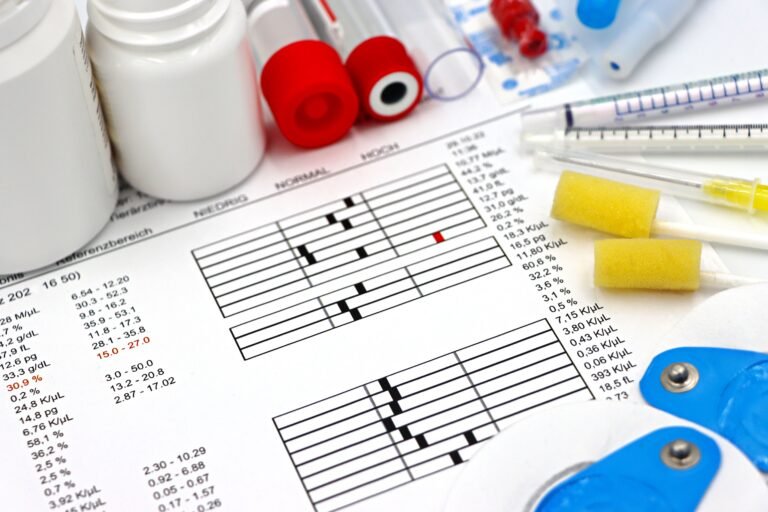
Bloodwork, urine tests and other lab results explained value by value, including what usually happens next.
Conditions
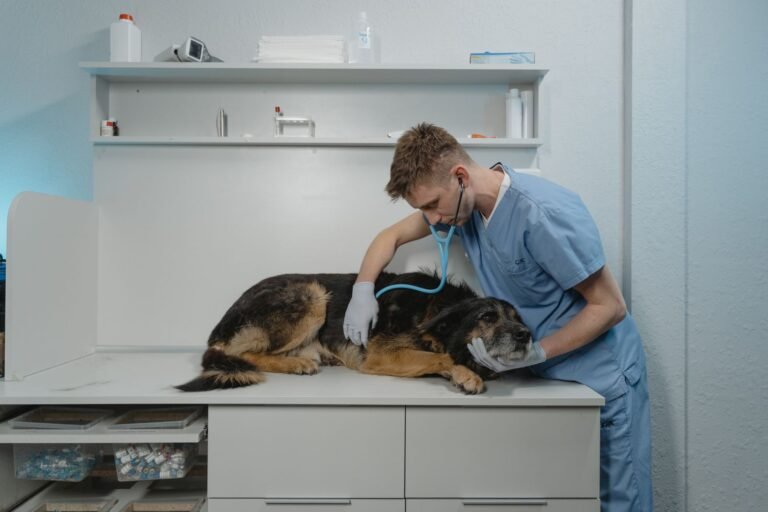
Diagnoses such as pancreatitis, allergies and poisoning, with what treatment and recovery really look like.
Everyday Care
Parasite prevention, senior care, behavior and the day-to-day decisions that keep pets well.

Products
Vet-reviewed buying guides for food, beds, harnesses and other gear, and what actually matters on the label.
Lab results
Find the value on your pet’s report
Start with the value that was flagged high or low. Each guide explains what it usually means and what your vet may check next.
- ALTLeaks from injured liver cells. The most liver-specific enzyme in dogs.
- ALPRises with bile flow problems, steroids, bone growth and age. Often high in healthy older dogs.
- ASTComes from liver and muscle, so it is read alongside ALT.
- GGTPoints toward the bile ducts or a steroid effect.
- BilirubinBuilds up with liver disease, a blocked bile duct or red blood cell breakdown.
- Bile acidsA liver function test, often run when enzymes stay high or a shunt is suspected.
- Albumin (low)Falls when protein is lost through the gut or kidneys, or the liver makes too little.
Kidney
Normal ranges »- CreatinineRises when the kidneys filter less. Hydration and muscle mass affect it.
- BUNClimbs with kidney disease, dehydration or bleeding into the gut. Read it with creatinine.
- SDMAAn earlier kidney marker that muscle mass barely affects.
- Urine concentrationShows whether the kidneys can still concentrate urine, which separates kidney disease from dehydration.
- Creatinine in catsHow the same value is read in cats, where kidney disease is far more common.
Blood count
CBC chart »- White cells (high)Inflammation, infection, stress or steroids.
- White cells (low)Severe infection, viral disease such as parvo, or a bone marrow problem.
- Red cells (low)Anemia from blood loss, red cell destruction or poor production.
- Red cells (high)Usually dehydration. True increases are uncommon.
- Platelets (low)Raises bleeding risk. Clumped samples, tick-borne and immune disease are common causes.
Pancreas
Lipase ranges »Chemistry
- Glucose (high)Diabetes is the main concern when it stays high. Stress and steroids raise it briefly.
- Calcium (high)Always worth following up. Causes include some cancers, Addison’s and parathyroid disease.
- PhosphorusRises with kidney disease. Normally higher in growing puppies.
- Potassium (high)Can affect the heart. Addison’s disease and urinary blockage are classic causes.
- CholesterolOften high after a meal or with hypothyroidism, Cushing’s or diabetes.
- Total proteinRises with dehydration or long-term inflammation.
- T4 (low)Suggests hypothyroidism, but illness and some medications lower it too.
Some things should not wait for an article. Call your vet or an emergency clinic now for trouble breathing, collapse, pale gums, a swollen belly with retching that brings nothing up, a male cat straining with little or no urine, or any toxin your pet has swallowed (see the list of foods toxic to dogs).
Looking up a specific breed?
Health risks, care needs and vet notes for each breed.