
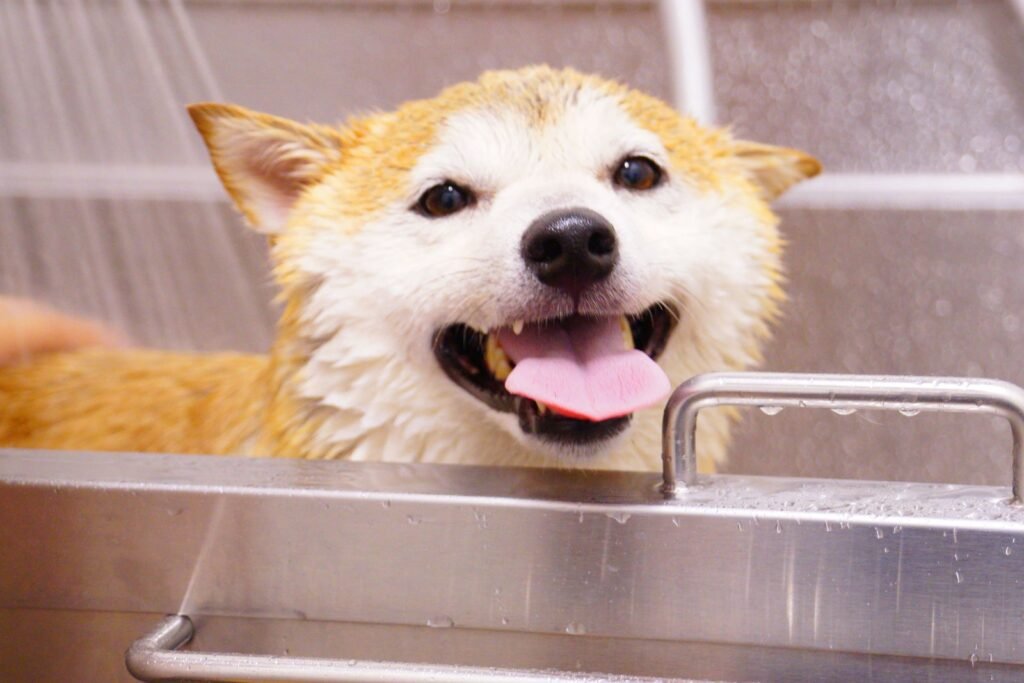
Your dog has been scratching since before you got out of bed, and the shelf in front of you holds forty bottles that all promise relief. A shampoo genuinely helps an itchy dog. It only works, though, when you pick the right kind, leave it on long enough, and have some idea what is driving the itch in the first place.
Most itchy dogs do well with one of three bottles.
Pick the wrong one, or rinse the right one off too fast, and the bath changes very little.
Here are the three side by side. The sections below explain which skin each one suits and how to use it so it actually works.


Product prices and availability are accurate as of the date/time indicated and are subject to change.
What a Bath Can and Cannot Do
Bathing helps an itchy dog for reasons that have little to do with smelling nice. Water and a soothing wash physically lift pollen, dust and dander off the coat. Dogs with atopic dermatitis (from the Greek atopos, “out of place”, and derma, “skin”) absorb allergens through the skin itself. Frequent bathing may lower the load that skin has to handle. A moisturizing wash also puts water back into a dry surface layer and soothes irritated skin.
What a bath cannot do is remove the cause. If your dog reacts to something he eats, breathes or gets bitten by, that exposure carries on between baths. Shampoo buys comfort and buys time. It does not end the problem, and a dog who needs a prescription itch medication still needs it.
That is worth saying plainly, because the labels will not. Hot spot relief printed on a bottle does not mean the product treats a hot spot.
Matching the Bottle to the Skin You Are Looking At
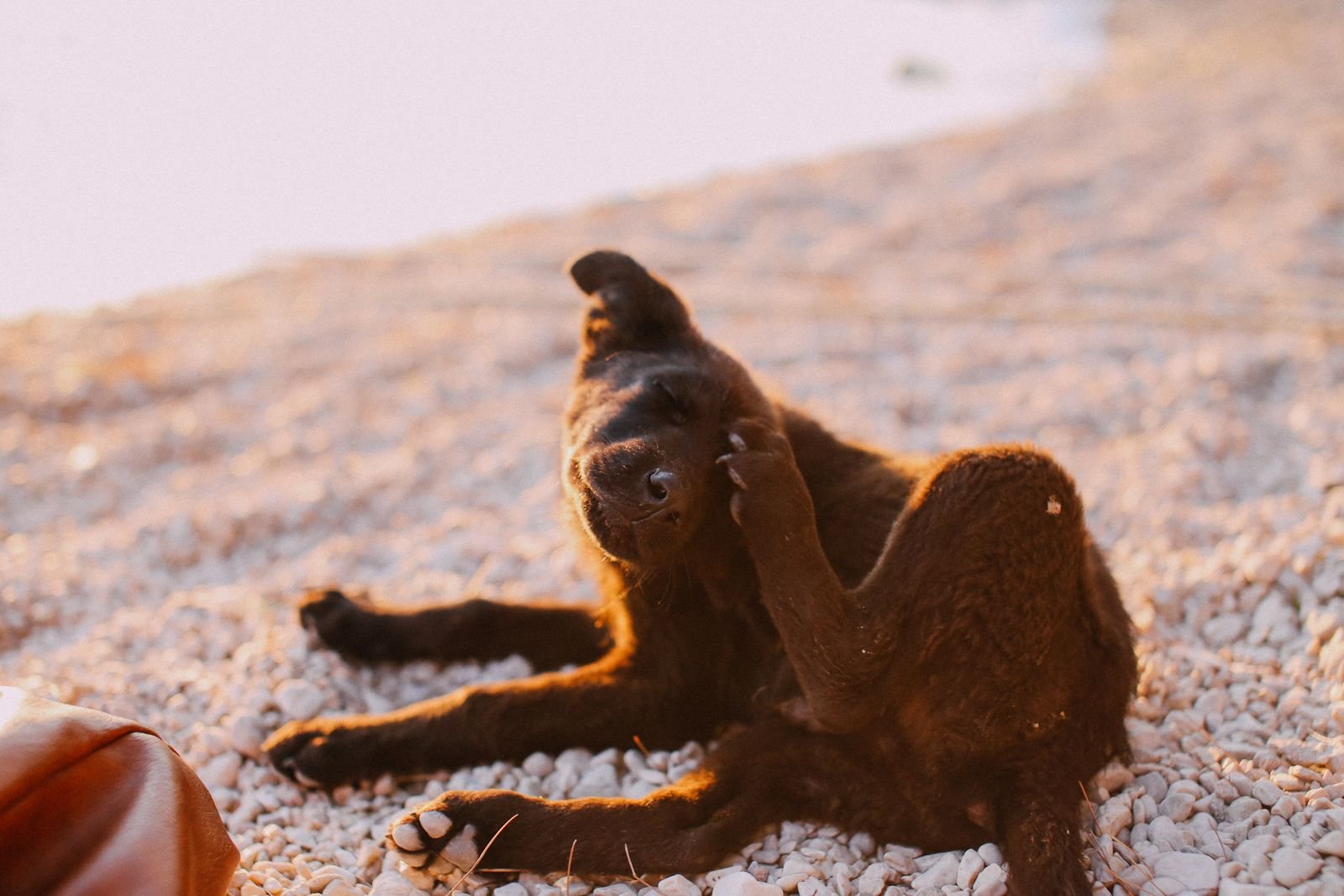
Part the fur in three or four places and look at the skin underneath. Dull, dry, flaky skin with no redness is a different problem from pink, slightly greasy skin that smells faintly of corn chips. The same bottle will not serve both.
Dry and Flaky, With No Redness
This is the easiest group to help. A soap-free oatmeal and aloe shampoo moisturizes the skin and soothes surface irritation. These are maintenance products rather than treatments, which is exactly why they are gentle enough to use often. They suit the allergy-prone dog who is uncomfortable but not broken out, and the winter coat that turns crusty and dandruffy once the heating comes on.
Pink, Greasy, Crusted or Smelly
Skin like this is often infected, and that changes the plan. Pyoderma (Greek pyon, “pus”, and derma, “skin”) usually shows up as red raised bumps with a white center, much like human pimples. The topical half of treatment leans on shampoos containing benzoyl peroxide, sulfur with salicylic acid, or chlorhexidine, usually once or twice a week for three to four weeks. Routine medicated bathing also helps keep those infections from coming back.
Before committing to a month of medicated baths, I would rather an owner have the skin checked by a vet, and cultured if the infection keeps returning. Infected skin often needs oral antibiotics alongside the shampoo, and shampoo on its own may not be enough. Dogs with deep facial folds are prone to fold infections that keep coming back, which is part of why flat-faced breeds live with recurring skin trouble.
How to Bathe So the Shampoo Actually Works
Most medicated baths fail on technique rather than on product, and rinsing too soon is the easiest way to waste one. Once the lather is worked in, set a timer for ten minutes before you rinse, or use whatever contact time your vet gave you. Those ten minutes are the treatment. Thirty seconds of lather and a quick spray down is a wash, not a bath.
A few other things matter. If your dog is visibly dirty, wash him first with an ordinary shampoo, because medicated formulas often contain no soaps or detergents and will not cut through mud. Start the medicated lather on the worst areas, usually the paws, armpits, groin and under the tail, then work outward. Rinse for several minutes, until the water runs clear, so no shampoo is left sitting on the skin.
Use lukewarm water rather than hot. Brush the coat out first so the product reaches skin instead of soaking into matted undercoat. Towel him off and keep him somewhere warm until he is completely dry, then send him to clean, dry bedding rather than the damp towel in the hallway. Weekly is the usual rhythm for a medicated course. If several weeks of proper baths have not helped, go back to your vet rather than buying another bottle.
Three Shampoos Worth Your Money
These three cover the three situations above, and between them they handle most itchy dogs. None of them is a substitute for working out why your dog itches.
The earthbath Oatmeal and Aloe is the everyday option. It is soap-free and gentle enough for frequent use, which matters when the plan is to rinse allergens off often through pollen season. There are no medicated actives in it, so it soothes without treating.
Veterinary Formula Clinical Care Hot Spot and Itch Relief sits in the middle. Oatmeal and aloe do the moisturizing, while lidocaine, a numbing agent, and hydrocortisone, a mild steroid, take the edge off the itch. It is aimed squarely at the dog who is licking and chewing at irritated patches, and a sixteen ounce bottle costs little.
Douxo S3 PYO is the one to buy on your vet’s advice. It carries three percent chlorhexidine, an antiseptic that works against bacteria and yeast, and it is built for skin that is already infected. The bottle is small and the price per ounce is high. Buying it for ordinary dry skin spends money on an antiseptic that skin does not need.
What to Do Between Baths
A weekly bath leaves six days in which pollen keeps landing on your dog. Much of it ends up on the feet, which is also where allergic dogs tend to lick and chew hardest. Rinsing or wiping the paws after every walk is the cheapest useful thing you can do for an itchy dog. A decent paw cleaner turns it into a thirty second job rather than a wrestling match. If the pads are cracked and sore from licking, a paw balm will do more than any shampoo.
Brush more often than you think you need to. Loose undercoat holds moisture, dander and allergen against the skin, and a proper deshedding tool clears it better than a bath does.
One thing to skip entirely is human shampoo, baby shampoo included. Dog skin has fewer cell layers than ours and sits at a less acidic pH, and products built for people can upset that balance and leave it dry and flaky. If the ears flare at the same time, that is often part of the same allergic picture, and routine ear cleaning belongs in the plan alongside the shampoo.
Signs the Itch Is Not a Shampoo Problem
Some itches will not answer to any bottle, and spotting them early saves weeks. Sarcoptic mange is the classic one. The mite drives a ferocious allergic itch concentrated on the ear margins, elbows and hocks, and it spreads to people in the house. It is treated with antiparasitic medication from your vet, so this is not a shampoo problem.
Fleas are the other great imitator. A flea-allergic dog reacts to very minimal exposure. You may find no fleas at all, even when the lower back, tail base and backs of the thighs are raw. If that pattern fits, deal with the fleas in the house and with year-round prevention before you buy shampoo.
Itch that carries on all year, centered on the ears, feet and belly, points toward food allergy. That is settled with a proper diet trial, not a bath. Hair loss with surprisingly little scratching points somewhere else again, toward hormonal disease, and Cushing’s disease testing is one of the things a vet may consider. None of those are fixed by a better bottle.
A hot spot is the one thing here that cannot wait for bath night. It can turn a damp patch of fur into a raw, painful sore the size of a pancake very quickly, because the dog keeps licking it open. A sore more than twenty four hours old is probably already infected and needs a veterinarian. Stop the licking, with a cone if you have one, rather than reaching for shampoo. Open or oozing sores, an area that is clearly painful to touch, or a dog so itchy he seems miserable all point the same way: those dogs need to be seen, not washed.
This article is for educational purposes only and is not a substitute for professional veterinary care. Always consult a licensed veterinarian regarding your pet’s health and nutritional needs. As an Amazon Associate, Vet Explains earns from qualifying purchases.
Was the article helpful?