
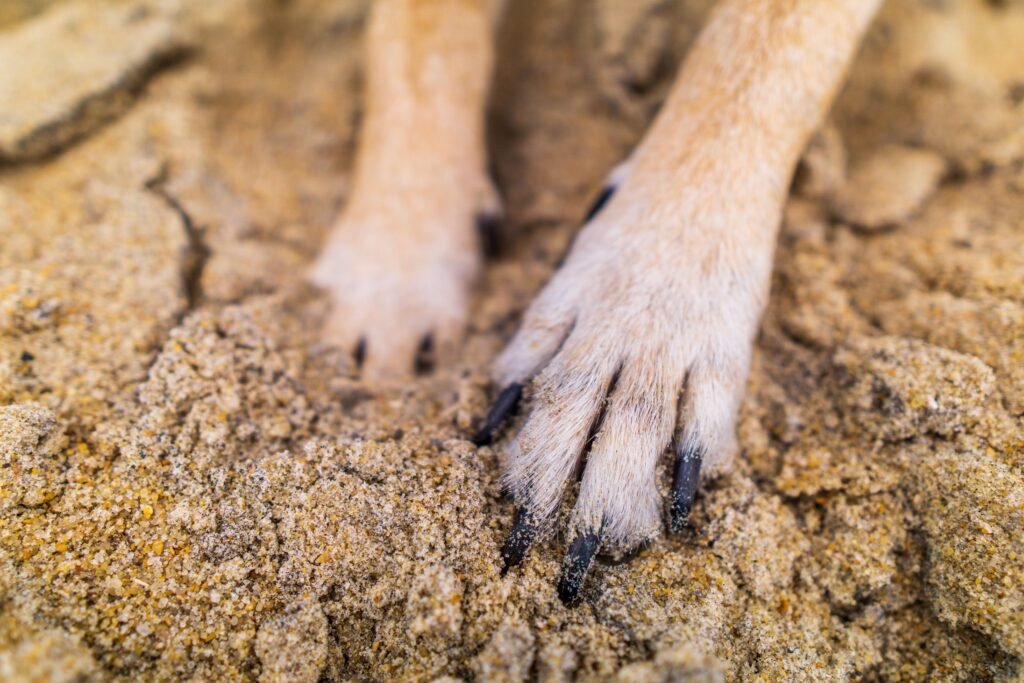
Your dog scratches all year, the ear infections keep coming back, or the stool has been soft for weeks, and someone has suggested a food allergy. It is a fair thing to ask about, but food turns out to be the cause less often than most owners expect. Only about 1 to 2 percent of dogs seen by a vet for any reason turn out to have one. Among dogs with chronic itching, that share rises to somewhere between 9 and 40 percent.
The harder part is proving it and finding which ingredient is to blame. A quick test or a symptom checklist cannot do that. Only one method answers the question reliably: a strictly run elimination diet trial.
True Allergy Versus Food Intolerance
A true food allergy is an immune system reaction to a specific protein in food. A food intolerance does not involve the immune system. It is closer to a digestion problem, such as trouble handling one ingredient. At home the two can look almost the same, and for you the plan is the same either way: find the trigger ingredient and keep it out of the bowl long-term.

The Foods That Cause Allergies Most Often
Grains are not the most common food allergy trigger in dogs, whatever the front of the bag suggests. In the published cases of confirmed food allergy in dogs, beef was the trigger in roughly a third. Dairy, chicken, and wheat were also common, with lamb, soy, and egg reported less often.
That matters when you are shopping, because grain-free marketing implies grains are the usual culprit. A dog can become allergic to any protein they have eaten repeatedly. That is usually the food they have been on for years, not a new or unusual ingredient.
Year-Round Itching, Ear Infections and Digestive Signs
The most common sign is itching that does not follow the seasons. It tends to center on the ears, paws, and belly, and it often comes with ear infections or skin infections that keep returning. Unlike environmental allergies, a food allergy itches in January the same as in July.
Some dogs also show digestive signs, such as vomiting or soft stool, alongside the skin trouble or instead of it. That is why a food allergy goes on the list whenever a dog has chronic, unexplained itching or digestive upset that keeps coming back.
One bad day is not a pattern. A single bout of itching or an upset stomach is rarely enough on its own to suspect a food allergy. A dog with one day of soft stool after getting into the trash is usually better served by a short bland diet than by an allergy workup.
Why At-Home Allergy Tests Are Not Reliable
Skip the home kit, and know that before you spend money on one. The blood and saliva kits marketed for food allergies in dogs do not give reliably accurate results, and veterinary dermatologists do not consider them dependable for a diagnosis.
These tests can mislead in either direction, flagging allergies that are not real or missing genuine ones. When serum and saliva assays were run on healthy dogs, they returned positive results anyway, and the authors did not recommend them for clinical use. Either way, you would still need the diet trial to get a real answer.

The Elimination Diet Trial, Step by Step
An elimination diet trial is the gold standard. Your vet picks either a novel protein your dog has never eaten or a specially processed hydrolyzed protein diet, and your dog eats only that for at least eight weeks. The term comes from the Greek for breaking apart with water. Processing splits the protein into pieces too small for the immune system to recognize. The evidence supports at least eight weeks, because over 95 percent of food-allergic dogs responded within eight weeks, and a few needed longer.
Strict means strict, and this is where trials come apart far more often than the method does. Nothing else goes in during that window: no treats, no table scraps, no flavored medications, chewable parasite preventives included, and no extra supplements without your vet’s sign-off. A single off-plan snack makes the result hard to read.
Choosing the right food for the trial matters as much as choosing the right protein, and your vet can walk you through which dog foods made for allergies actually fit a trial. If the itching is severe enough to be miserable, your vet can sometimes add short-term anti-itch medication alongside the trial without invalidating the results.
If the signs improve significantly, the last step is the one that actually proves the diagnosis. Your vet will have you bring back the original diet, or single ingredients one at a time, and watch for the reaction to return. A flare can take up to two weeks to show after a food comes back, so each reintroduction needs time before you judge it.

Emergency Reactions and Recurring Problems
A sudden, severe allergic reaction is uncommon with food allergies in dogs, but it is a true emergency when it happens. If your dog develops facial swelling, hives, difficulty breathing, or collapse after eating something new, go to the emergency vet immediately. Do not wait to see whether it settles.
- 01
Facial swelling
Comes on suddenly after your dog eats something new.
- 02
Hives
A sudden skin reaction, not the slow year-round itch of a food allergy.
- 03
Difficulty breathing
Head for the emergency vet immediately.
- 04
Collapse
A true emergency, even though it is uncommon with food allergies.
Not every sudden reaction after a new food is allergic. Some ingredients are simply toxic to dogs, which is a different problem with its own warning signs, and it needs the same immediate response.
Short of an emergency, see your veterinarian if your dog has itching, skin or ear infections, or digestive upset that keeps coming back despite basic care. They can also rule out look-alikes first, such as environmental allergies or parasites, before you commit to weeks of a strict diet.

Was the article helpful?