
You pick up after your dog and there it is: red streaks on the stool, or a puddle of diarrhea with blood in it. Finding blood in dog stool is unsettling, but it is not one single problem. A red streak from a bright, hungry dog usually traces back to an irritated colon. Black stool, or a lot of blood at once, is a different situation.
Two things sort the mild cases from the urgent ones: what the blood looks like and how your dog is acting. If your dog is weak, has pale gums, keeps vomiting, or is suddenly passing large amounts of bloody diarrhea, that can mean serious blood or fluid loss. That is an emergency, so go to the vet immediately instead of watching it overnight.
Why Does the Color of the Blood Matter?
Vets split bloody stool into two types, because the color tells you where the bleeding started. Hematochezia (from the Greek haima, “blood,” + chezein, “to defecate”) is bright red, fresh-looking blood. It comes from the end of the line, the colon or rectum, so it has had no time to change color. Melena (from the Greek melas, “black”) is black, tarry stool that points to bleeding in the stomach or small intestine, where the blood is partly digested before it is passed.
Fresh red blood is common and often mild. Black stool means blood has been leaking high enough to be digested, and that deserves a vet visit even when your dog seems fine. When you call your vet, say which one you saw, because that detail shapes the advice you get.
What Causes Bright Red Blood in Dog Stool?
The most common source is colitis, which simply means an inflamed colon. Large bowel diarrhea has a recognizable look: your dog asks to go out often, strains, and passes small amounts of soft stool with mucus or streaks of red blood. The usual triggers are ordinary ones, such as getting into the trash, a sudden food change, or a stressful event like boarding. A rectal polyp, or a tear from a swallowed sharp bone, can also put fresh blood on the stool.
One pattern is not mild at all. A dog that suddenly starts passing large amounts of bloody diarrhea, often compared to raspberry jam, may have acute hemorrhagic diarrhea syndrome. It shows up most in small and toy breeds, usually with vomiting, and these dogs can lose fluid fast enough to go into shock before they look dehydrated. The outlook is good with prompt treatment, which is exactly why it should not wait until morning.
Black, Tarry Stool Is a Different Problem
Black stool points to bleeding higher up, in the stomach or small intestine. The best-known cause is an ulcer, and in dogs the most common reasons one forms are anti-inflammatory pain medication, liver disease, and tumors. So if your dog takes a pain reliever for arthritis and the stool turns black, tell your vet about the medication when you call that same day.
When an ulcer bleeds heavily or breaks through the stomach wall, dogs become weak, pale, and painful, and they can go into shock. That is why black, tarry stool in a dog with weakness, pale gums, or vomiting needs emergency veterinary care right away.
Not every black stool starts in the gut. Swallowed blood from the mouth or the airways is digested the same way, so a nosebleed or a mouth injury can darken the stool too.
Parasites and Swallowed Objects
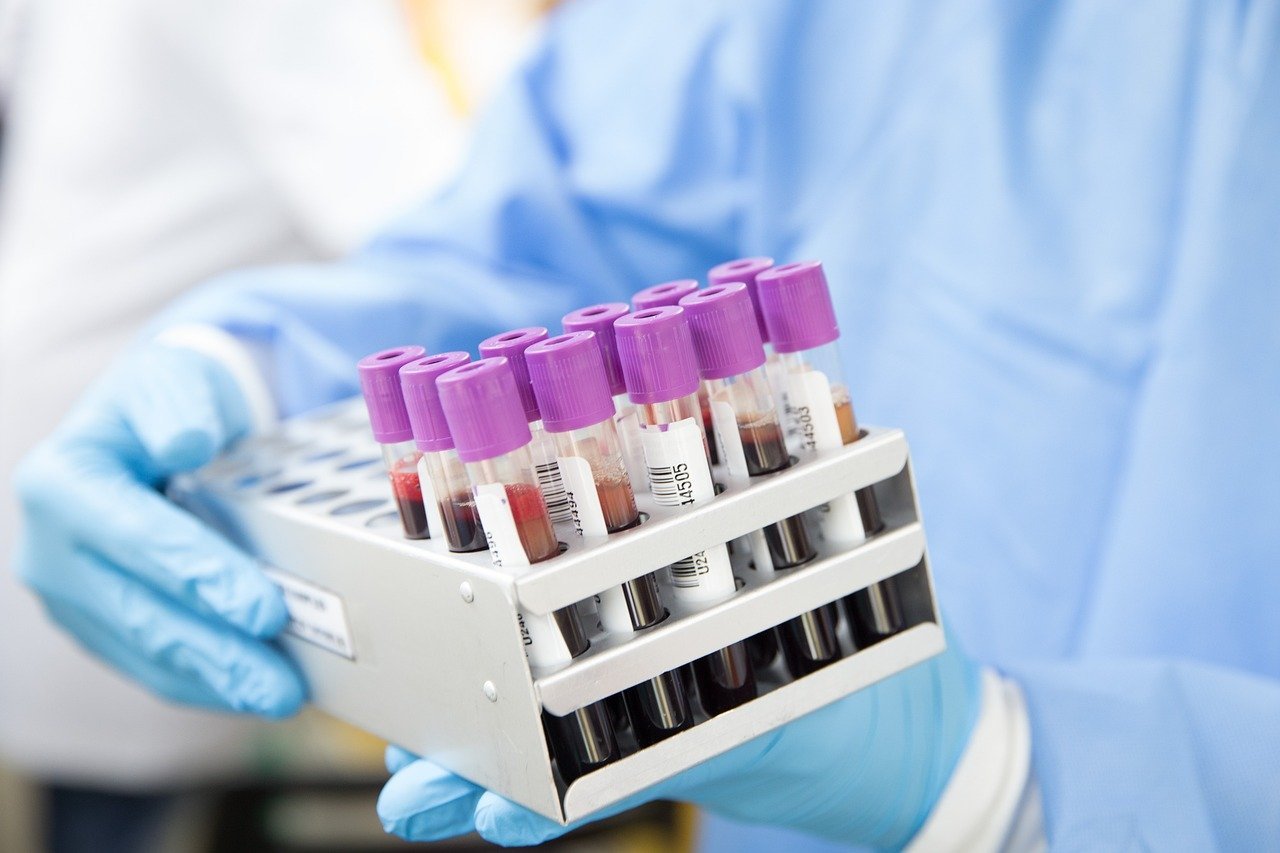
Intestinal worms are a classic cause, especially in dogs that have missed deworming. Whipworms inflame the colon and can leave fresh blood in the stool, while a heavy hookworm infection causes dark, tarry diarrhea and real blood loss. A fecal test usually finds them, but whipworms shed eggs only now and then. One clean test does not rule them out, and your veterinarian may deworm anyway.
Then there is the dog that eats things. Sharp bone fragments and pieces of chewed toys can scrape or tear the gut on the way through, so tell your vet about anything chewable that has gone missing.

| What you see | Likely source | Common causes |
|---|---|---|
| Bright red streaks on formed stool | Colon or rectum | Mild colitis, rectal polyp, small tear |
| Red blood and mucus in loose stool | Colon | Colitis, diet change, stress, whipworms |
| Sudden, large amounts of bloody diarrhea | Intestines | Acute hemorrhagic diarrhea syndrome, parvovirus in puppies |
| Black, tarry stool | Stomach or small intestine, or swallowed blood | Ulcers, pain medication, tumors, hookworms |
Blood in a Puppy’s Stool
Puppies get less benefit of the doubt. Bloody diarrhea in a young puppy that is unvaccinated or only partly vaccinated is a classic sign of parvovirus (from the Latin parvus, “small,” referring to the size of the virus particle). It often starts as a quiet puppy that will not eat, and vomiting and bloody diarrhea follow within a day or two.
Parvo is life-threatening, but it is also treatable. Most puppies survive with prompt veterinary care, and they do it on fluids and nursing, not on waiting at home. Worms hit puppies harder too. Hookworm anemia in young puppies is often fatal, because a small body has little blood to spare, which is one reason the puppy deworming schedule starts so early. Any puppy with blood in the stool needs a vet visit the same day, however bright the puppy seems.
What Your Vet Will Check
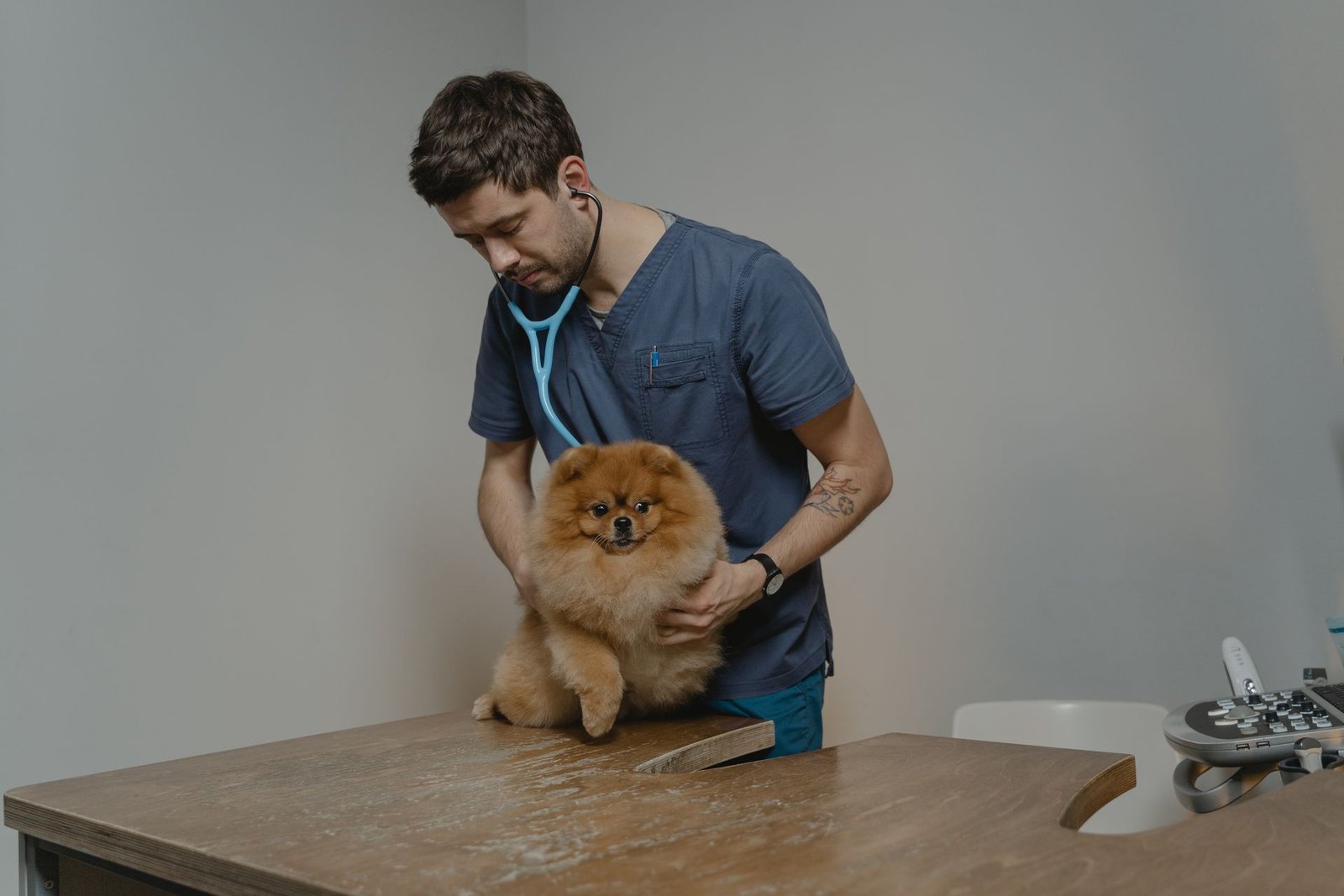
The visit usually starts with a history, a physical exam that includes a rectal exam, and a fecal test for worms and single-celled parasites such as Giardia. For a puppy, a quick in-clinic stool test for parvovirus is part of that first round.
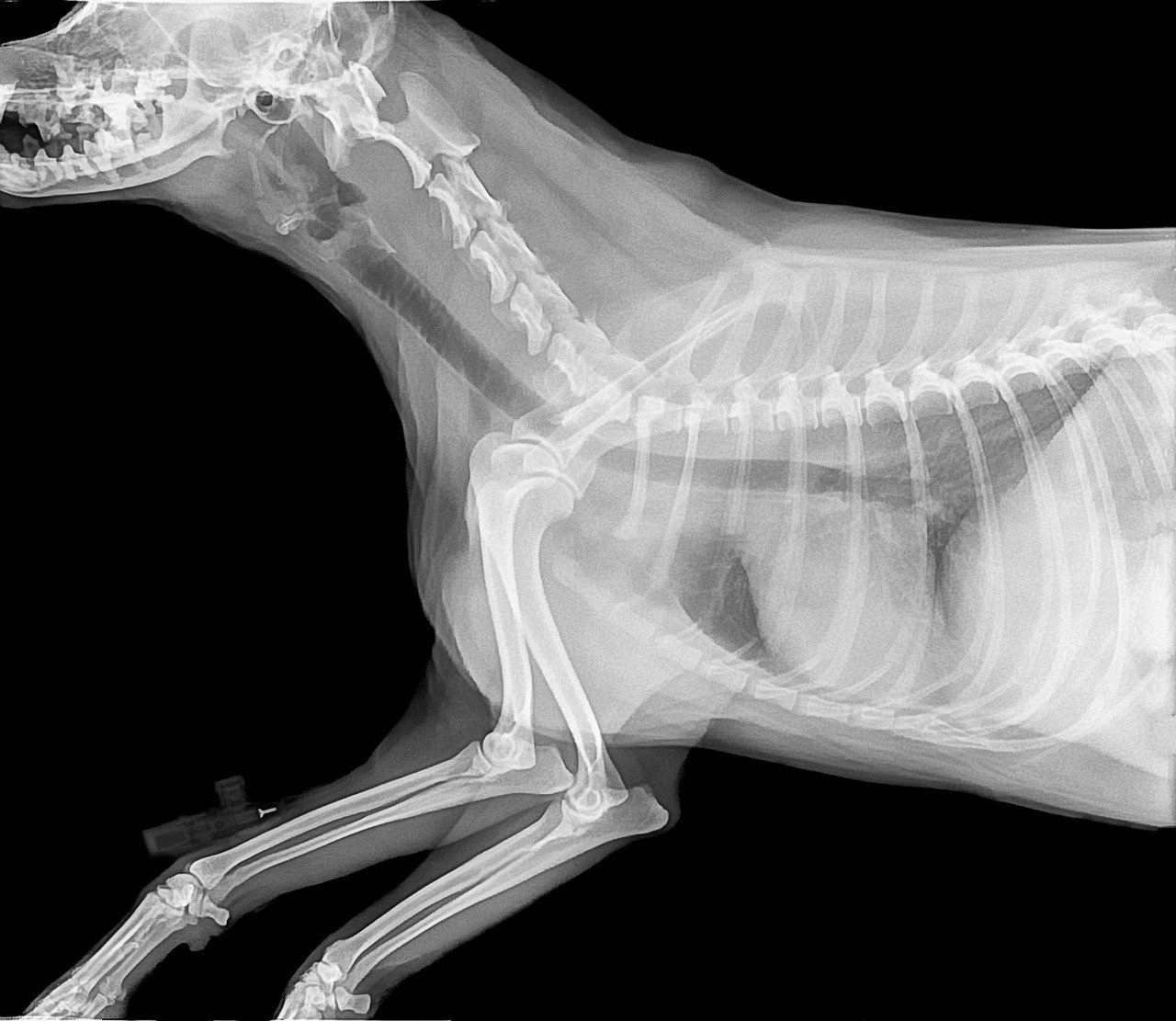
Bloodwork comes next when the stool is black, the bleeding is heavy, or your dog seems unwell. A complete blood count shows whether enough blood has been lost to cause anemia. If a swallowed object, a mass, or deeper gut disease is suspected, X-rays or an abdominal ultrasound follow.
You can speed all of this up. Bring a fresh stool sample and a photo of what you saw, and be ready to list diet changes, new chews, recent boarding, and every medication your dog takes, pain relievers above all.
What to Do at Home Right Now
For an adult dog who is bright, eating, and has passed a streak or two of red blood, you do not need to rush out the door, but do call your vet the same day. Even mild-looking blood is worth a phone conversation, and your vet may suggest a few days of a bland diet while you watch the next stools. Note whether the blood was bright red or black, how much there was, and whether your dog is eating and acting normally.
Keep food and water available unless your vet tells you otherwise. Skip any pain reliever from your own cabinet, since anti-inflammatory drugs are a leading cause of bleeding ulcers in dogs.
- 01
Black stool in a dog who seems unwell
Black, tarry stool with weakness or vomiting is a sign of significant internal bleeding.
- 02
Weakness or pale gums
Either one alongside blood in the stool suggests serious blood loss.
- 03
Repeated vomiting
Blood in the stool plus vomiting that keeps coming is more than an irritated colon.
- 04
Sudden, heavy bloody diarrhea
Large amounts of red, jam-like diarrhea can cause shock from fluid loss.
- 05
Any puppy with bloody stool
A young or not fully vaccinated puppy should be seen today because of parvovirus.
With any of these, skip the phone call and go straight to your vet or the nearest emergency clinic.
Was the article helpful?