
Table of Contents
If you are wondering how much to feed a dog, the honest answer is that the feeding chart on the bag is only a starting point. Two dogs at the same weight can need very different amounts. Treat the chart as a number to adjust from, not a fixed rule.
Why Are Feeding Guidelines on the Bag Just a Starting Point?
Feeding charts are based on average dogs at a given weight. Metabolism varies significantly between individual dogs, even within the same breed and weight class [Merck Veterinary Manual]. A high-energy young dog and a calm senior of the same weight can have very different calorie needs.
Feeding guidelines are a reasonable place to start. Your dog’s body condition over time is what tells you whether the amount is right. Spay and neuter status also affects metabolism, generally lowering calorie needs somewhat [Merck Veterinary Manual].

What Is Body Condition Score, and Why Does It Matter More Than Weight?
Body condition score is a hands-on way of assessing whether your dog is at a healthy weight. It works independently of the number on a scale, which can be misleading across different body types and breeds.
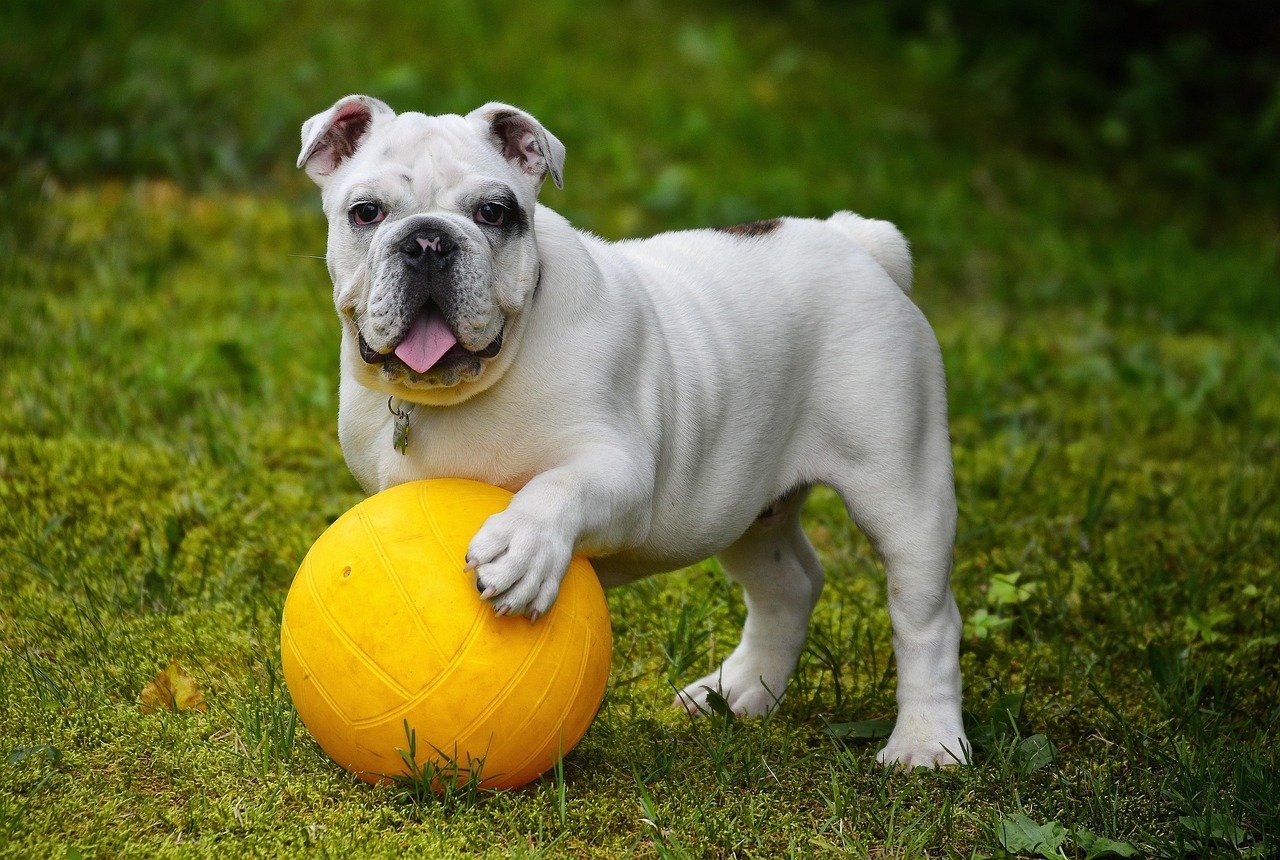
In an ideal body condition, you should be able to feel your dog’s ribs easily with light pressure, without them being visibly prominent. Looking down from above, you should see a visible waist. From the side, you should see an abdominal tuck.
Check body condition monthly and adjust the food amount gradually in response. That is a more reliable long-term strategy than fixating on a single target weight.

How Do Calorie Needs Change by Life Stage and Activity?
Puppies need considerably more calories per pound of body weight than adults because they are actively growing. That is why puppy-specific feeding guidelines differ so much from adult ones.
Highly active or working dogs need meaningfully more calories than a similarly sized dog who is mostly sedentary. Senior or less active dogs often need fewer calories than their feeding chart suggests, so following it can lead to gradual weight gain.
Pregnant and nursing dogs have substantially increased calorie needs. Manage that with direct veterinary guidance rather than a general chart.

How Much Do Treats Really Count?
Treats add up more than most owners expect. It is easy to lose track of the calories in training treats, table scraps, or a daily dental chew.
As a general guide, treats and extras should make up no more than about ten percent of your dog’s total daily calories [WSAVA]. The rest should come from a complete and balanced main food.
If your dog trains frequently or gets many small treats through the day, make the individual treats smaller. You can also reduce the regular food to match.
What Are the Signs My Dog Is Being Overfed or Underfed?
Both overfeeding and underfeeding show up as physical signs before they show up as a diagnosis:
| Direction | What It Looks Like |
|---|---|
| Overfeeding (more common) | Gradual weight gain, a disappearing waist, ribs harder to feel |
| Underfeeding (less common) | Visible ribs, spine, or hip bones, reduced energy, a dull coat |
Mention any noticeable, unexplained weight change in either direction over a few weeks to your veterinarian. A change like that can reflect an underlying health issue rather than just the amount being fed.

When Should I Talk to My Vet About Feeding Amounts?
Bring feeding amounts into the conversation at every wellness visit. Your veterinarian can assess body condition objectively and catch gradual changes you might miss day to day. This matters most if your dog has other health concerns, such as abnormal kidney values or metabolic changes.
Ask for a specific plan if your dog needs to lose or gain weight, or has a medical condition affecting metabolism. The same goes if you are switching foods and are unsure how the new chart translates to your dog.
Your veterinarian can also calculate a more precise calorie target for your dog’s individual weight goal. That is more reliable than general guidelines alone.

Further Reading
How to Choose Dog Food: A Veterinarian’s Guide The pillar guide to our nutrition cluster, useful for choosing the right food before dialing in the right amount.
Bland Diet for Dogs: Chicken and Rice Done Right A helpful companion for temporary feeding adjustments during a bout of digestive upset.
High Cholesterol in Dogs: What Elevated Cholesterol Means Worth reading alongside this one, since diet and body condition both influence this bloodwork value.
High Glucose in Dogs: What Elevated Blood Sugar Really Means A useful companion, since weight and feeding habits are relevant background for this value too.
Was the article helpful?