
Flea Treatment for Cats: What Is Actually Safe
Cats are not small dogs when it comes to flea products. Here is the ingredient that is genuinely dangerous, and what flea treatment is actually safe.
Cats are not small dogs when it comes to flea products. Here is the ingredient that is genuinely dangerous, and what flea treatment is actually safe.

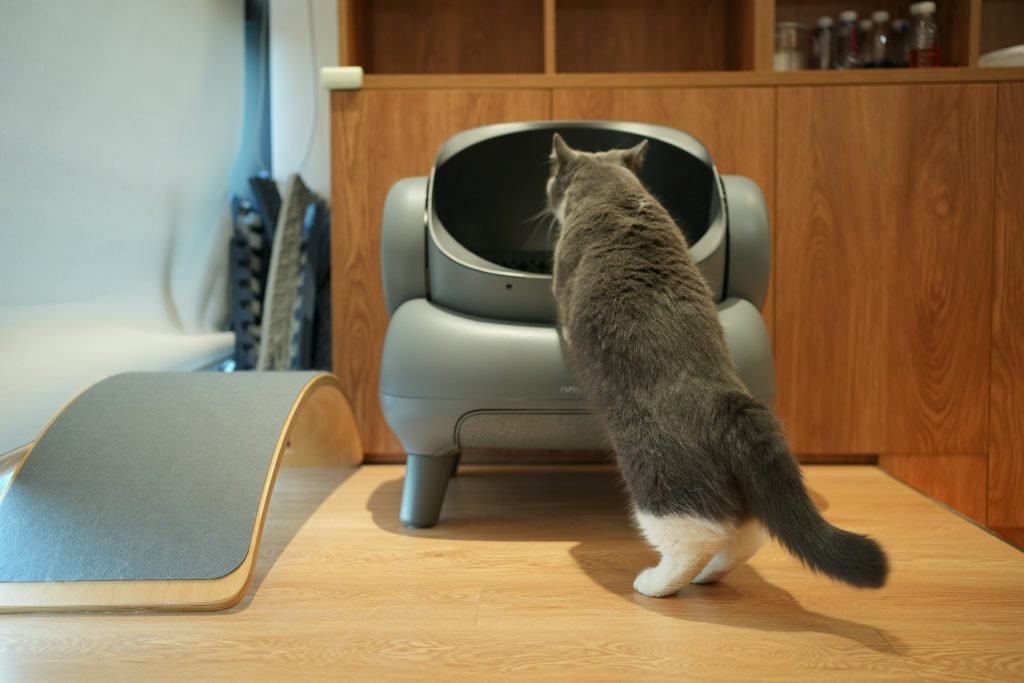
Self-cleaning litter boxes range from $30 gravity boxes to $600 robots. Here’s a vet-informed look at what actually matters before you buy, plus two well-reviewed options worth comparing.
Best Self-Cleaning Litter Boxes for Cats: A Vet-Informed Buying Guide Read Post »
Anemia in cats is a finding to investigate, not a diagnosis on its own. Here is what causes it and how veterinarians narrow down the reason.
Anemia in Cats: What a Low Red Blood Cell Count Means Read Post »
A high white blood cell count in cats is often the classic feline stress pattern, not illness. Here is how to tell the difference and what to watch for.
High White Blood Cells in Cats: What Elevated WBCs Mean Read Post »
Most kidney disease in cats is manageable, but some kidney numbers cross into urgent territory. Here is how to recognize a true kidney emergency.
Dangerous Kidney Numbers in Cats: When Values Become Urgent Read Post »
Whether a cat’s kidney values can return to normal depends on the cause. Here is what to realistically expect in each situation.
A high T4 in cats usually points to hyperthyroidism, a common and very treatable condition. Here is what it means and what happens next.
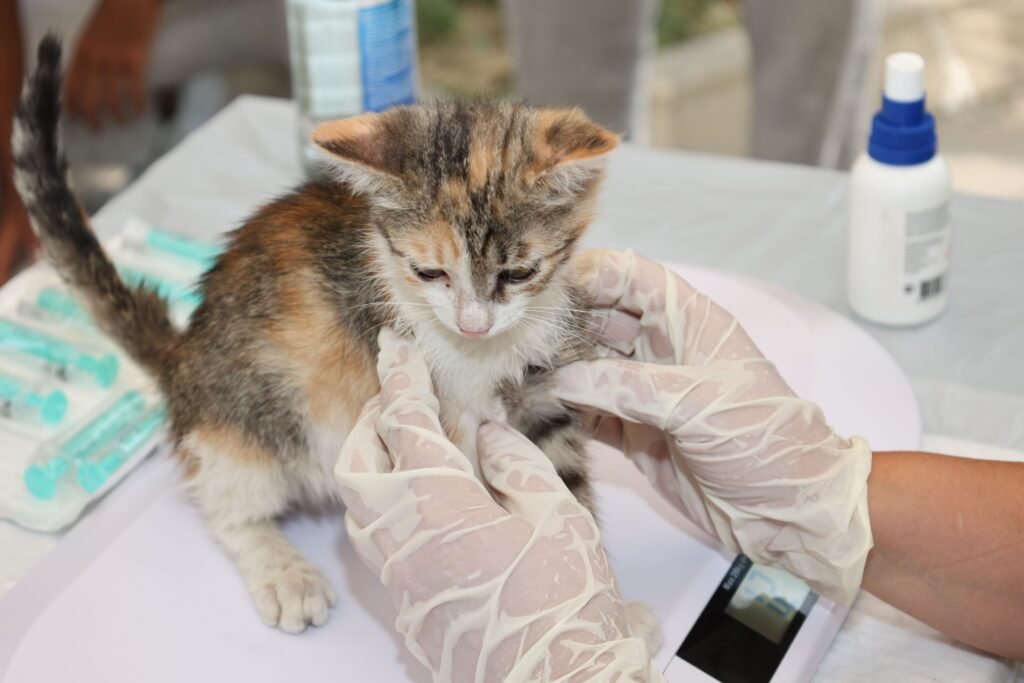
A high SDMA in cats often catches kidney changes early, before creatinine rises. Here is what it means and why early detection matters so much.
SDMA in Cats: What an Elevated SDMA Result Means Read Post »

A high BUN result in cats is often explained by diet or hydration, not kidney disease. Here is how to tell the difference and what to check next.
A kidney disease stage in cats is a monitoring tool, not a verdict. Here is what each IRIS stage generally means and how staging guides care.
Stages of Kidney Disease in Cats: What Each IRIS Stage Means Read Post »
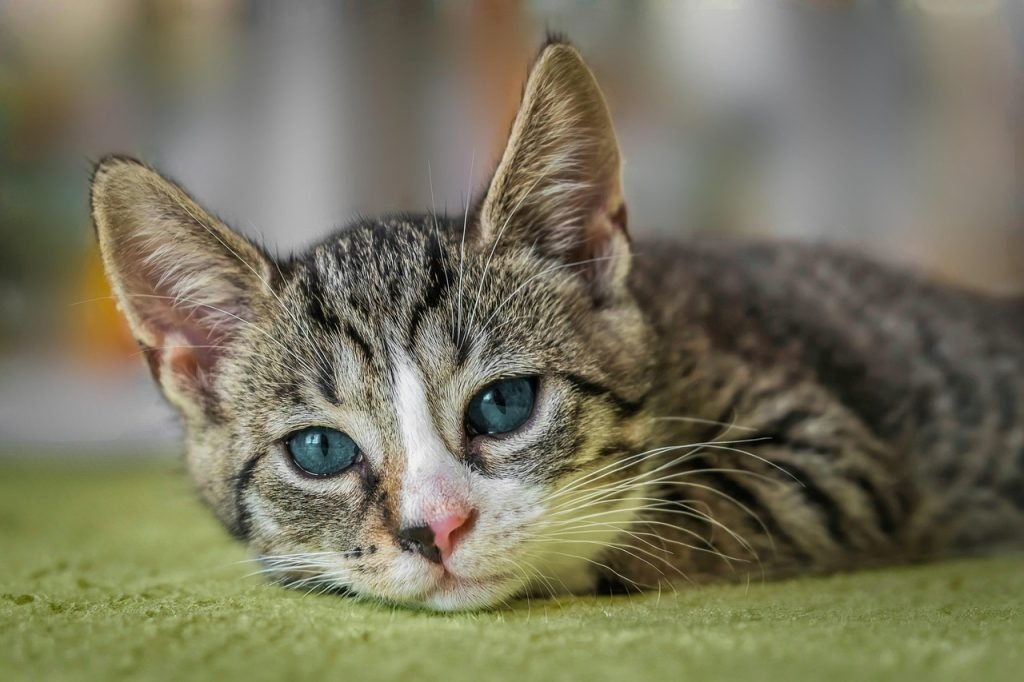
Kidney disease in cats often shows subtle early signs before bloodwork is even run. Here is what to watch for, and when to call your veterinarian.
Signs of Kidney Failure in Cats: What Owners Notice First Read Post »

A high creatinine result in cats deserves attention but is often the start of a manageable, monitored path. Here is what it means and what comes next.
High Creatinine in Cats: What Elevated Creatinine Means Read Post »
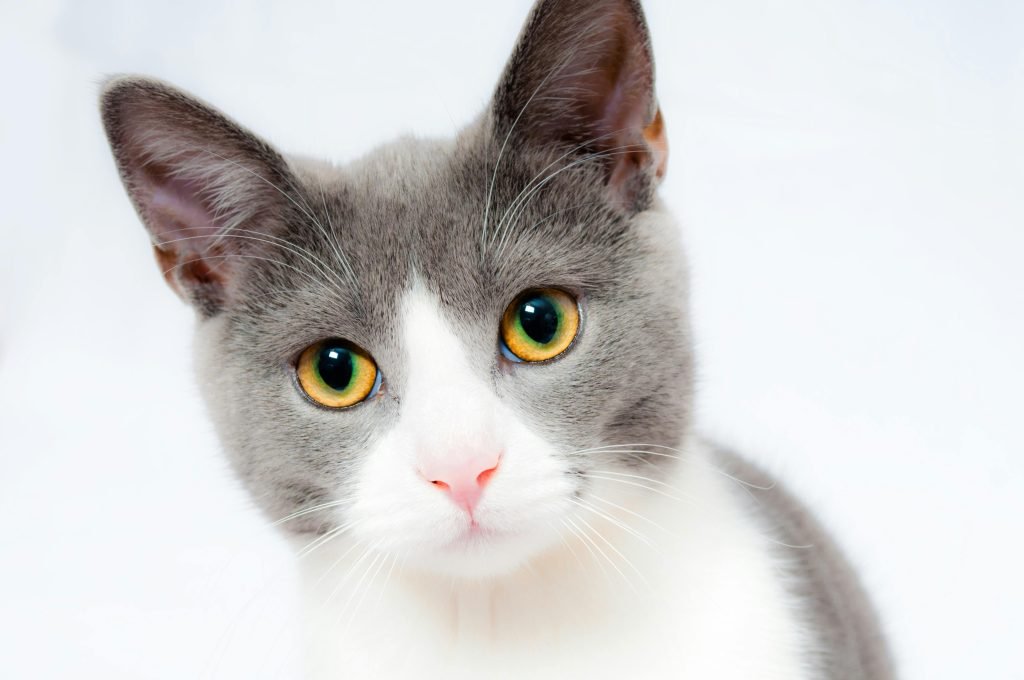
Your cat’s blood test explained: what the kidney, liver, thyroid, blood sugar, and CBC values reflect, and why vets always read them together in context.
Cat Blood Test Results Explained: What Every Value Means Read Post »
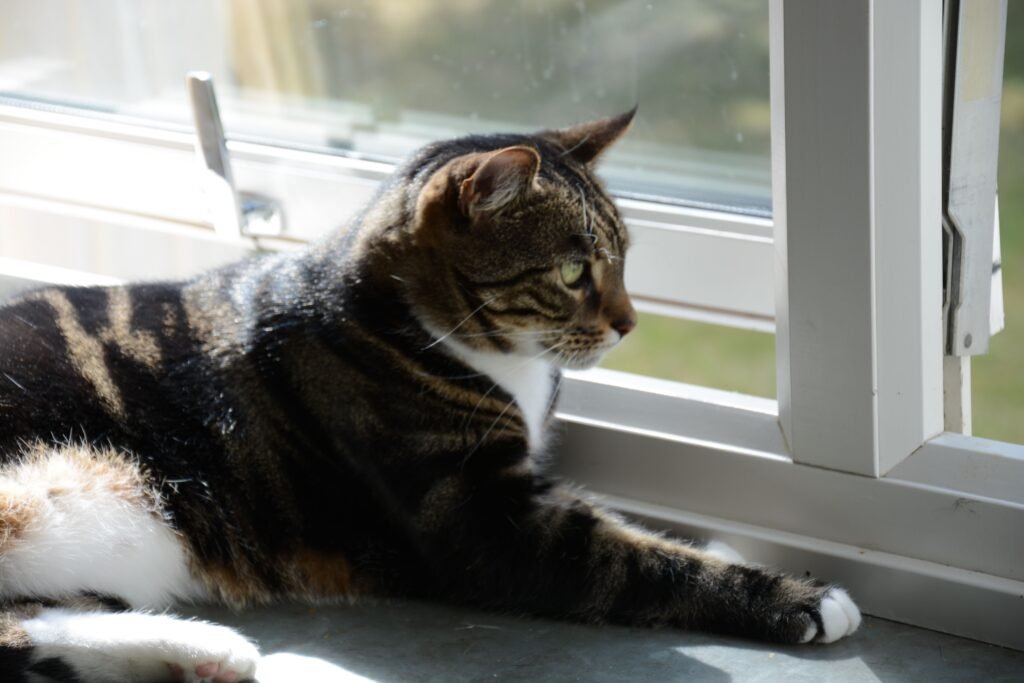
Finding urine outside the box is frustrating and worrying for many cat owners. Cat peeing outside the litter box is one of the most common behavior concerns discussed in veterinary settings, and it usually reflects a signal rather than defiance. The key is understanding what your cat may be trying to communicate. This behavior often
Why Is My Cat Peeing Outside the Litter Box Common Reasons Read Post »
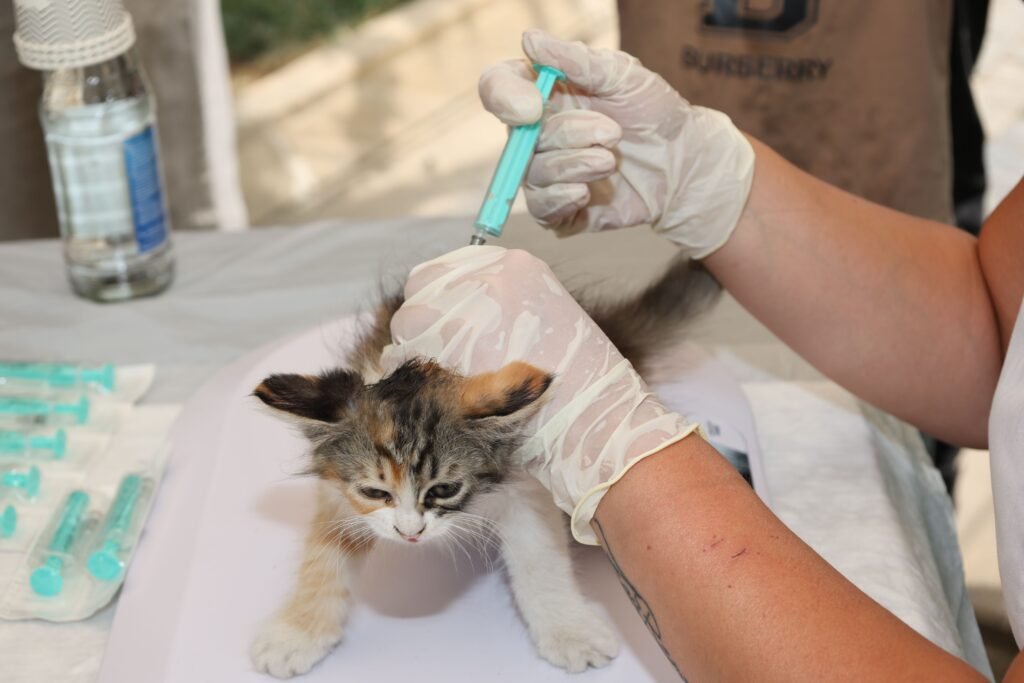
A kitten vaccination schedule is not just a checklist. Think of it as a carefully timed plan. It’s designed to protect your kitten’s immune system during a vulnerable stretch when the protection they got from their mother is wearing off, but their own immunity isn’t fully built up yet. A common scenario is a kitten
Kitten Vaccine Schedule: Timing, Safety, Owner Questions Read Post »