

Some dogs will eat anything except the one thing you need them to eat. The tablet goes in, gets worked around the mouth for a while, and comes back out onto the floor, often licked clean of whatever you hid it in. When the course is twice a day for ten days, or a tablet for the rest of his life, that gets old quickly. A good pill treat usually solves it for less than a bag of decent treats. The differences that matter between brands are not the ones printed on the front of the bag.
A soft treat that closes completely around the pill beats anything you have to push a tablet into, and texture matters more than flavor. Before you buy, check the calories, the protein the flavor is built on, the fat, and whether the pocket is big enough for the pill your dog was prescribed. Some medications should not go inside a treat at all, and those are covered further down.
Why a Pill Pocket Works When Cheese Does Not
A dog who has found a pill once eats more carefully the next time. That is why a purpose made pocket works better than a cube of cheddar, and flavor has little to do with it. The pocket seals the tablet inside something soft enough to swallow whole. One crunch into an exposed tablet releases the bitter taste, and after that your dog checks every treat for a while.
Most of the kitchen options work for the same reason, when they work at all. The usual advice for giving your dog a pill is to hide it in something soft you can mold around it: canned food, a pill pocket, peanut butter, lunch meat or cheese. Then watch your dog for a minute afterward. A lick of the nose usually means the pill went down. A dog who wanders off with his mouth closed may be planning to leave it behind the couch. The trouble with most kitchen options is that they will not close fully over a hard tablet.
One more trick helps a lot and costs nothing. Give an empty treat first, then the one with the pill, then another empty one straight away. A dog who is busy waiting for the next treat spends less time inspecting the one in his mouth, and the last treat helps stop him holding the pill in his cheek.

Pockets, Pastes, and Pouches
There are three formats, and each has its own weak spot.
A pre formed pocket is a soft treat with a hole already in it. It is the quickest option and the one most dogs accept without thinking, as long as the pill fits. The large size takes most tablets and standard capsules, but not an oversized tablet or two pills at once. Pinch one closed around something too big and you leave a seam your dog can smell.
A moldable paste comes in a tub, and you wrap it around whatever you need to give. It handles odd shapes, sharp half tablets, and an evening dose made up of three different pills. It takes a few seconds longer and your fingers get sticky, but for a dog whose medication list keeps changing, that flexibility is worth more than the speed.
A pouch or wrap is a flat soft piece you fold over the tablet. It is the cheapest per dose and works well with small pills, less well with anything bulky.
If your dog takes one small tablet a day, buy pockets. If the evening handful changes from week to week, buy paste. I would rather have one tub of paste in the cupboard than three sizes of pocket and the wrong one left on a Sunday night.
What to Check on the Label
Three things on the back of the bag decide whether a product suits your dog: calories, protein and fat.
Start with calories. Treats should stay under about a tenth of your dog’s daily calories, because most treats are not complete and balanced on their own. A dog on twice daily medication can easily eat six pill treats a day once you count the empty decoys. On a ten pound dog, that is a noticeable share of the day’s food. It is one reason some dogs put on weight during a long course of treatment.

Protein matters more than most owners expect. Nearly every pocket on the shelf is flavored with chicken, beef or pork. If your dog is partway through a diet trial for a suspected food allergy, a chicken flavored pocket can undo it. An elimination diet trial only works if nothing else goes into the dog, and treats, chews, supplements and flavored medications often carry the very proteins being tested. These trials run at least eight weeks, so restarting one over a pill pocket costs you two months. That is why single novel protein versions exist.
Fat is the one people forget. Many of these products are soft because they contain a fair amount of it. That is not a concern for most healthy dogs, but it is for a dog who has had pancreatitis, where lower fat treats are the sensible default. The same goes for a dog with a sensitive stomach. If that is your dog, it helps to know what triggers pancreatitis in dogs before you hand over something rich twice a day.
Where Hiding the Pill Is the Wrong Answer
Not every medication belongs inside a treat. It is worth asking when the prescription is handed over rather than guessing at home.
Food changes how some drugs are absorbed. Some work best on an empty stomach, while others are given with food to protect the stomach lining. The label on the bottle comes first, and if it says to give the drug on an empty stomach, ask your veterinarian whether a small treat is acceptable before you reach for a pocket.
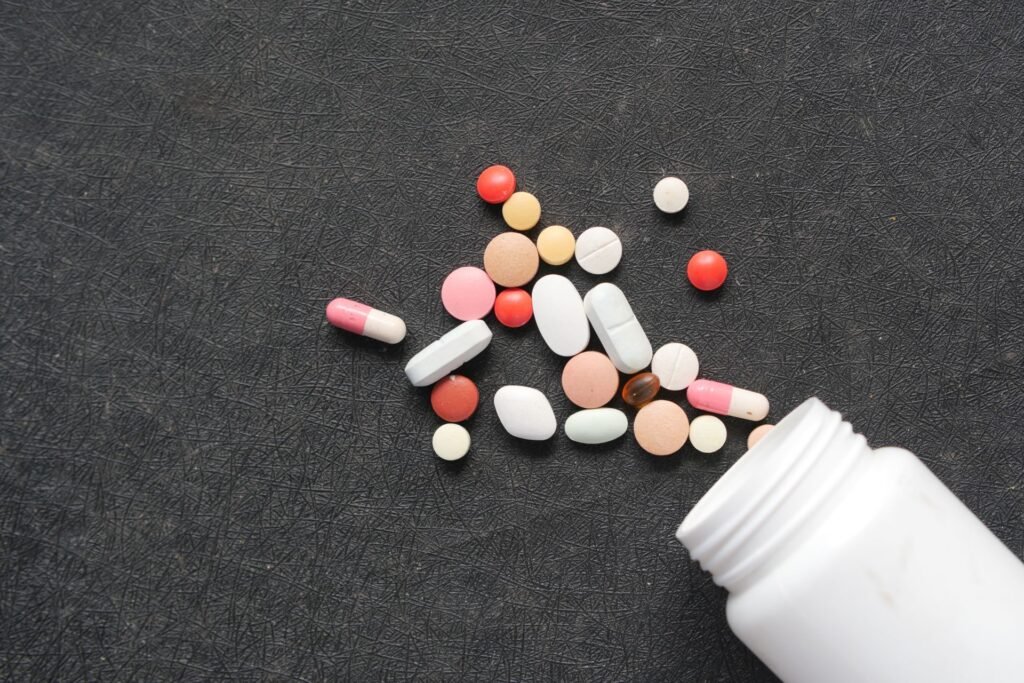
Crushing is a separate question. Some tablets have an enteric coating, and others are designed to release slowly over hours. Breaking that structure changes how much drug your dog absorbs, and when. Ask before you crush or split anything, and do not open a capsule on the assumption that the powder inside behaves the way the capsule did.
When you run out of pockets, be careful what you grab instead, because several foods that are toxic to dogs look harmless in treat sized amounts. Sugar free peanut butter is the one that catches careful owners. It can contain xylitol, a sweetener toxic to dogs, and xylitol can cause a dangerous drop in blood sugar, seizures and liver failure. Read the label before you use any peanut butter to hide a pill.
If the pill simply is not going in, tell your veterinarian early. Finish the course your veterinarian prescribed rather than stopping when your dog seems better, whether that is ten days of antibiotics for a urinary infection or a lifelong tablet for kidney disease. A dog who keeps losing doses to a standoff can often be switched to a liquid, a chewable, a flavored compounded version or a longer acting drug. That only happens if the clinic knows there is a problem.
Three Products Worth Buying
All three have long review histories, and they suit different situations. The differences are the format, the cost per dose, and how forgiving each one is about the shape of the pill.


Product prices and availability are accurate as of the date/time indicated and are subject to change.
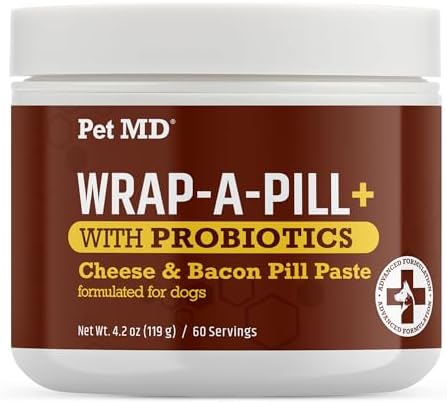
Greenies Pill Pockets in the large size are the default, and by far the most reviewed product in the category. The hole is already there, the texture closes cleanly over a tablet, and there are chicken and peanut butter versions. Pet MD Wrap-A-Pill with Probiotics is the paste. It costs more per tub, but it handles what a pocket cannot: a snapped half tablet, an awkward capsule, or three pills at once. Milk-Bone Pill Pouches are the budget option, and they suit small tablets and a short course better than a lifelong one.
All three are built on common proteins, chicken in one and bacon or cheese flavors in the others. If your dog is on a diet trial or a prescription food, read the ingredient panel first. The same check applies to flavored supplements and dental chews, which often carry the same proteins.
When to Call Your Vet Instead of Trying Again
Some medications cannot simply be skipped while you work out the trick. Anti-seizure drugs are the clearest example: phenobarbital for dogs must not be stopped abruptly and has to be tapered, because stopping it suddenly can bring on withdrawal seizures. If your dog has missed more than a dose or two because you cannot get the pill into him, call your veterinary clinic today rather than waiting for the next appointment. There is usually another way to give the drug.
This article is for educational purposes only and is not a substitute for professional veterinary care. Always consult a licensed veterinarian regarding your pet’s health and nutritional needs. As an Amazon Associate, Vet Explains earns from qualifying purchases.
Was the article helpful?