
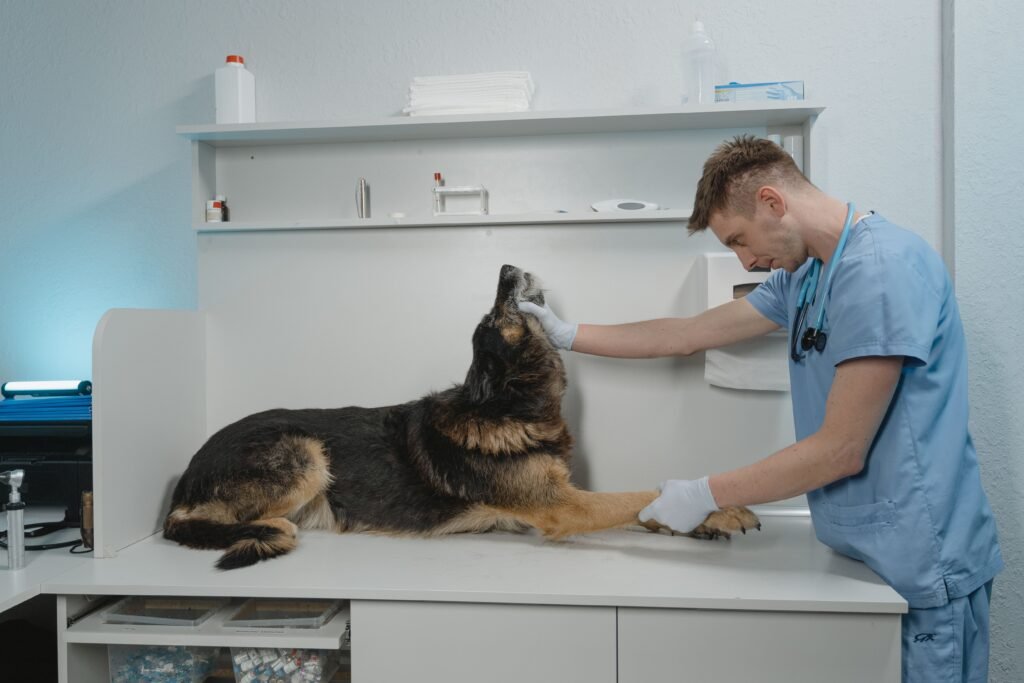
Your dog has just been diagnosed with diabetes, and you are going home with a vial of insulin and a box of syringes. Many owners dread the injections. You may be surprised by how easy they are and how well your dog tolerates them.
Insulin for dogs replaces a hormone the pancreas no longer makes enough of. For most dogs that means an injection under the skin twice a day at mealtimes, and lifelong treatment.
What Insulin Does
Insulin lets glucose, the sugar in the blood, move into cells to be used for energy. In diabetes (from the Greek “diabainein,” meaning to pass through), the pancreas makes too little insulin or none at all, so glucose builds up in the bloodstream instead of fueling the body.
Without insulin, a diabetic dog’s cells are starving even while blood sugar runs high. That is why an untreated dog loses weight despite eating well. The heavy drinking you may have noticed has the same root.
Insulin cannot be given by mouth, and no pill controls diabetes in dogs, so injections are the only option. Your veterinarian sets the starting dose and adjusts it from test results, which means several rechecks in the first weeks.
Giving the Injection
Your veterinary team will show you the technique for your dog’s own insulin, since the syringe or pen differs by product. The injection goes just under a fold of loose skin, most easily over the shoulders. This is a subcutaneous (from the Latin “sub,” meaning under, + “cutis,” meaning skin) injection, and the needle is fine enough to cause very little pain.
A few habits make it easier for both of you. Many owners give it once the dog is well into a meal and still busy with the bowl, then follow with praise and a good scratch. Use a different spot each time to avoid irritating one patch of skin. Ask the team to watch your injection technique at a recheck.
Most dogs get two injections a day, about 12 hours apart, each with or right after a meal. Food comes first, because a full dose on an empty stomach can drop blood sugar dangerously low. Keep your dog’s meals steady too, with the same amount of food at the same times each day.
Storing and Mixing Insulin
Keep insulin in the refrigerator, upright and away from light. Never let it freeze, and never leave it in direct sun or a hot car, because heat and sunlight make it less effective. If a vial has been frozen or overheated, or the liquid looks clumpy or discolored, replace it rather than guess.
Two details depend on the product. One is mixing: some insulins are shaken thoroughly before each dose, and others are rolled gently and never shaken. The other is the syringe, which is marked U-40 or U-100. Use only the type dispensed with your dog’s insulin, because the wrong one measures the wrong dose.
| Label rule | Vetsulin | ProZinc |
|---|---|---|
| Mixing before each dose | Shake thoroughly until evenly milky | Roll gently, never shake |
| Syringe type | U-40 | U-40 |
| Use after first puncture | Within 42 days | Within 60 days (10 mL vial) or 80 days (20 mL vial) |
If your dog is on a different insulin, ask which rules apply. Write the date of first use on each vial, and replace it when its time is up, even if plenty of liquid remains.
What If My Dog Won’t Eat?
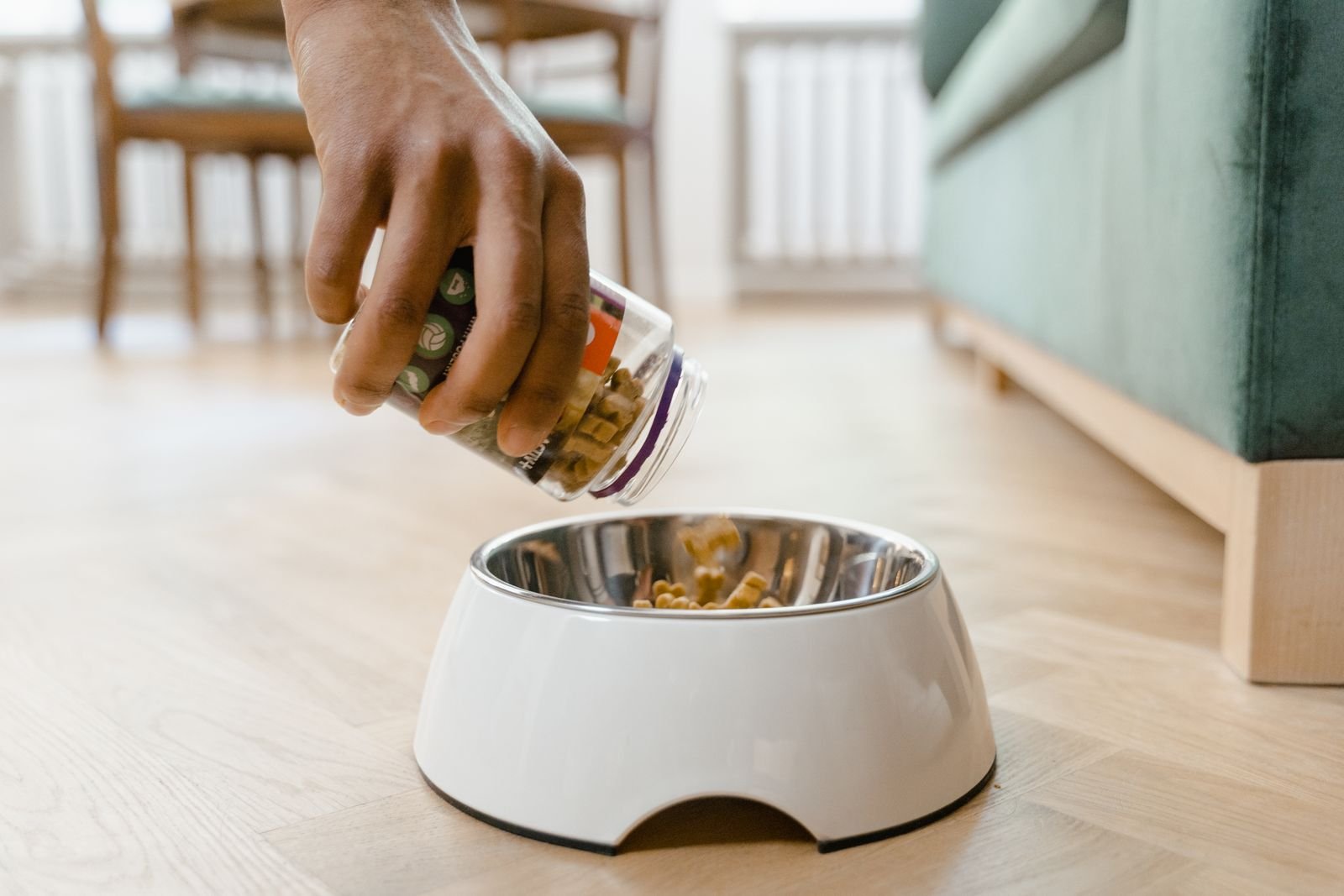
The full dose is meant for a dog who has eaten at least half the meal. If your dog eats less than that, vets often advise a reduced dose instead of the full one. The right adjustment varies by dog, so ask your vet now what to do for yours, and write it down. Call your veterinary clinic if it happens more than once, since a pattern of poor appetite can signal another illness.
A dog who eats nothing at all or is vomiting is a different case. Call your veterinarian or an emergency clinic right away, before giving any insulin. In a diabetic dog, refusing food and vomiting can be signs of diabetic ketoacidosis, a life-threatening complication in which the blood turns too acidic.
Signs of Low Blood Sugar
Hypoglycemia (from the Greek “hypo,” meaning under or below, + “glykys,” meaning sweet) means low blood sugar, and it is the risk to watch most closely with insulin. The usual causes are an accidental double dose, a full dose on a day your dog ate little, or far more exercise than normal. A dose can also become too high as your dog’s needs change.
It is most likely several hours after an injection, when the insulin is working hardest. The early signs are easy to miss, because many dogs sleep much of the day anyway.
- 01
Weak or wobbly
Unsteady on their feet, or has trouble standing up.
- 02
Confused or unusually quiet
Seems lost at home, or is far sleepier than normal.
- 03
Twitching or trembling
Muscle tremors or shaking that was not there before.
- 04
Seizure or collapse
The most severe sign, and always an emergency.
If the signs are mild and your dog is awake and able to swallow, offer a small meal right away and call your veterinarian. Call even if the meal seems to fix it, because the dose usually needs to come down before the next injection.
If your dog is having a seizure, cannot stand, or will not wake up normally, this is a true emergency, not a wait-and-see situation. Rub a small amount of corn syrup or honey on the gums and go to a veterinarian or emergency clinic immediately. Never pour it into the mouth, where it can reach the lungs, and use a cotton swab rather than your fingers.
A Missed Dose or Too Much Insulin
If you miss a dose, do not double up to make up for it. Call your veterinarian for advice, and if you cannot reach them and your dog is eating and acting normally, give the usual dose at the next scheduled time. The same goes for an injection you are not sure went in: do not give more.
Too much insulin is the more urgent problem, since it directly causes hypoglycemia. After a double dose, or a dose drawn up in the wrong syringe, call your veterinarian or an emergency clinic immediately, even if your dog seems fine. Signs may not show for hours.
A shared log on the fridge, filled in after every injection, keeps two people from giving the same dose. If you are unsure whether a dose was already given, call your veterinary clinic before giving a second one.
How Do I Know the Dose Is Working?
A well-controlled diabetic dog drinks, urinates, and eats normally and holds a steady weight. The same log helps here. Add how much your dog eats and drinks each day, and note anything unusual, such as vomiting or a very tired day. If the thirst or the frequent peeing returns, tell your veterinarian rather than changing anything yourself.
Expect rechecks at least every two weeks until the dose is settled, then every three to six months. Those visits may include a blood glucose curve, which follows blood sugar across a day, a continuous glucose monitor your dog wears, or a fructosamine test. Each one shows how the dose performs over time, because a single reading says very little.
Early dose changes are normal, and it can take a month or more to find the dose that fits. Never raise the dose on your own, even after a high glucose reading.
Was the article helpful?