
Why is my dog peeing so much is one of the more unsettling changes an owner can notice: more trips outside, bigger puddles, or accidents from a dog that’s normally reliable. The list of possible causes is long, but working through it is straightforward once you separate a few key patterns.
What Counts as Peeing Too Much?
Polyuria (from the Greek “poly” meaning many, and “ouron” meaning urine) means your dog is producing a genuinely larger volume of urine, not just going outside more often out of habit or excitement. The distinction matters because true polyuria almost always points to an underlying medical cause.
Quick answer: A real increase in urine volume, especially paired with increased thirst, usually points to a medical cause and is worth a vet visit.

More frequent small urinations and one large increase in total volume are different problems with different causes. Frequent small urinations often point toward the bladder or urinary tract, while a genuine increase in total volume usually points toward the kidneys, hormones, or metabolism.
What Are the Common Causes of Increased Urination?
A handful of causes account for most cases in general practice. Diabetes, kidney disease, and urinary tract infections are the three your vet will usually check for first.
Less commonly, Cushing’s disease, certain medications like steroids, and simple behavioral marking can all increase how much or how often a dog urinates. Age matters too, since older dogs are more likely to have an underlying medical cause than young, otherwise healthy dogs. Some breeds also carry a higher baseline risk for the diabetes and kidney disease behind many of these cases. Increased thirst and urination are often the earliest detectable signs of declining kidney function.
Could It Be a Urinary Tract Infection?
A UTI typically causes more frequent, smaller urinations rather than a true increase in total volume. Straining, blood-tinged urine, or accidents in a previously house-trained dog are the classic pattern.
UTIs are usually straightforward to diagnose with a urinalysis and easy to treat once confirmed. They are also one of the more common reasons an otherwise healthy dog suddenly seems to need constant bathroom breaks.
What Serious Conditions Cause Excess Urination?
Chronic kidney disease, a form of nephropathy (from the Greek “nephros” meaning kidney, and “pathos” meaning suffering or disease), reduces the kidneys’ ability to concentrate urine, so dogs produce more of it even as they drink more to compensate. Diabetes pulls excess glucose into the urine, which drags water along with it and produces a similar effect.
| Cause | Urination Pattern | Other Common Signs |
|---|---|---|
| Urinary tract infection | Frequent, small amounts | Straining, blood in urine |
| Diabetes | True volume increase | Increased thirst, weight loss |
| Kidney disease | True volume increase | Increased thirst, poor appetite |
| Cushing’s disease | True volume increase | Pot-bellied appearance, thin skin |

Is Increased Urination Always Linked to Increased Thirst?
In most medical causes, yes. The body increases thirst, a state called polydipsia (from the Greek “poly” meaning many, and “dipsa” meaning thirst), to compensate for the fluid it’s losing through urine, which is why vets almost always ask about both symptoms together rather than either one alone.
If you notice one without the other, mention it specifically at your vet visit rather than assuming it’s not important. An isolated change can still be an early, subtle version of a condition that later develops the full pattern.
How Will My Vet Figure Out the Cause?
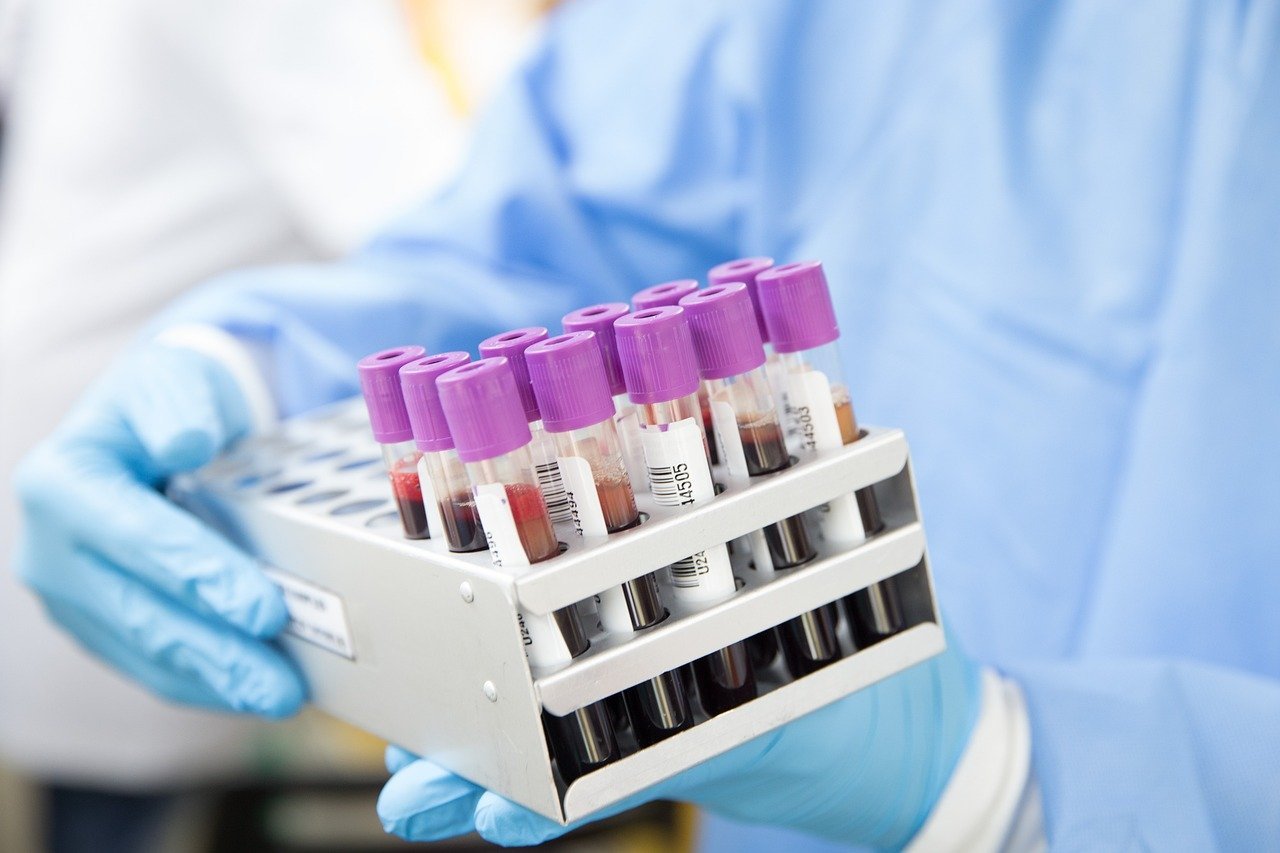
A urinalysis and bloodwork are the starting point for almost every case and usually narrow things down quickly. Your vet will also want a clear history, including exactly when the change started and whether your dog’s thirst, appetite, or energy has shifted too.
From there, additional tests like an ACTH stimulation test or abdominal ultrasound may be added depending on what the initial results suggest.
When Is Frequent Urination a True Emergency?
$3Outside of that specific pattern, increased urination on its own is rarely an emergency, but it is never something to just watch and wait on for more than a few days.
Was the article helpful?