

Your dog has just been diagnosed with diabetes, you have been shown how to give insulin, and now you are standing in the pet food aisle wondering whether the bag in your hand will help or hurt. The short version: what you feed matters, but how consistently you feed it matters more. A diabetic dog can do well on any complete and balanced diet fed at consistent times and in appropriate portions.
Why Diet Matters So Much for a Diabetic Dog
Insulin is dosed to match the food coming in. Every meal sends glucose into your dog’s bloodstream, and the injection is there to handle that rise, so if the meal changes in size, content, or timing, yesterday’s dose no longer fits. That is why consistent timing and amount of food, treats, and exercise sits at the center of every diabetic feeding plan. A good food fed erratically will cause more problems than a merely decent diet fed on a fixed schedule.
The Best Kind of Food for a Diabetic Dog
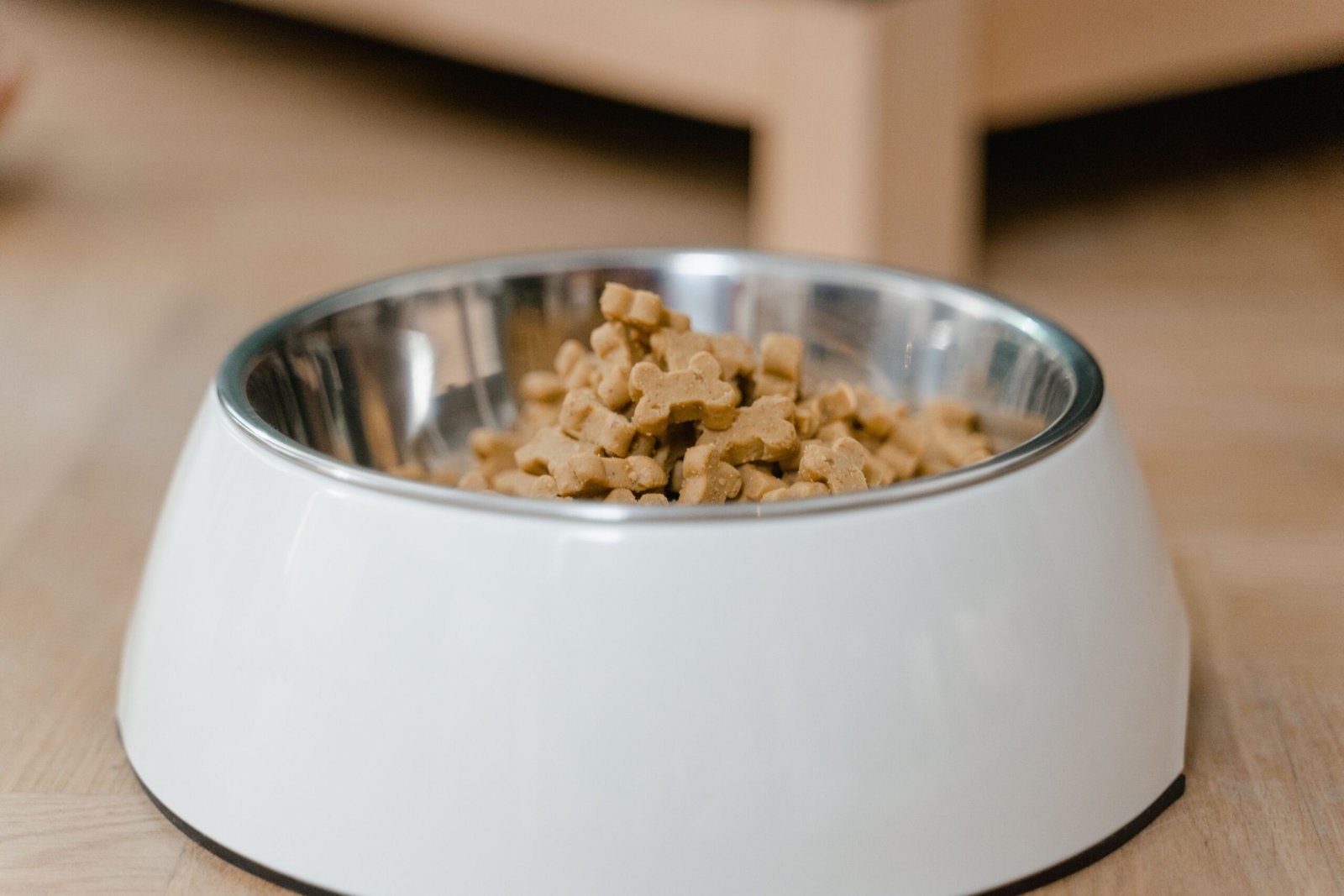
Diets high in fiber and complex carbohydrates are preferred, because fiber slows the meal down. Foods with more soluble and insoluble fiber can reduce the blood sugar rise after a meal, and they help an overweight dog lose weight. The one category to avoid is food high in simple sugars, which mostly means soft, semi-moist products. Canned food has a small edge over dry food for a similar reason, since it tends to carry fewer simple carbohydrates.
Body condition changes the plan. An overweight dog needs calories calculated from lean body mass and a slow, monitored weight loss. A thin diabetic dog is the opposite case: a higher-calorie, higher-fat diet with moderate carbohydrate can be acceptable, regardless of fiber.
Fat deserves a second look in one group. Dogs with a history of pancreatitis (from the Greek pankreas, the pancreas, and -itis, inflammation) need a low-fat diet, and severely high triglycerides are themselves a risk factor for pancreatitis. If either applies to your dog, your vet will weigh fat content alongside fiber.
Should I Feed a Prescription Diabetic Diet?
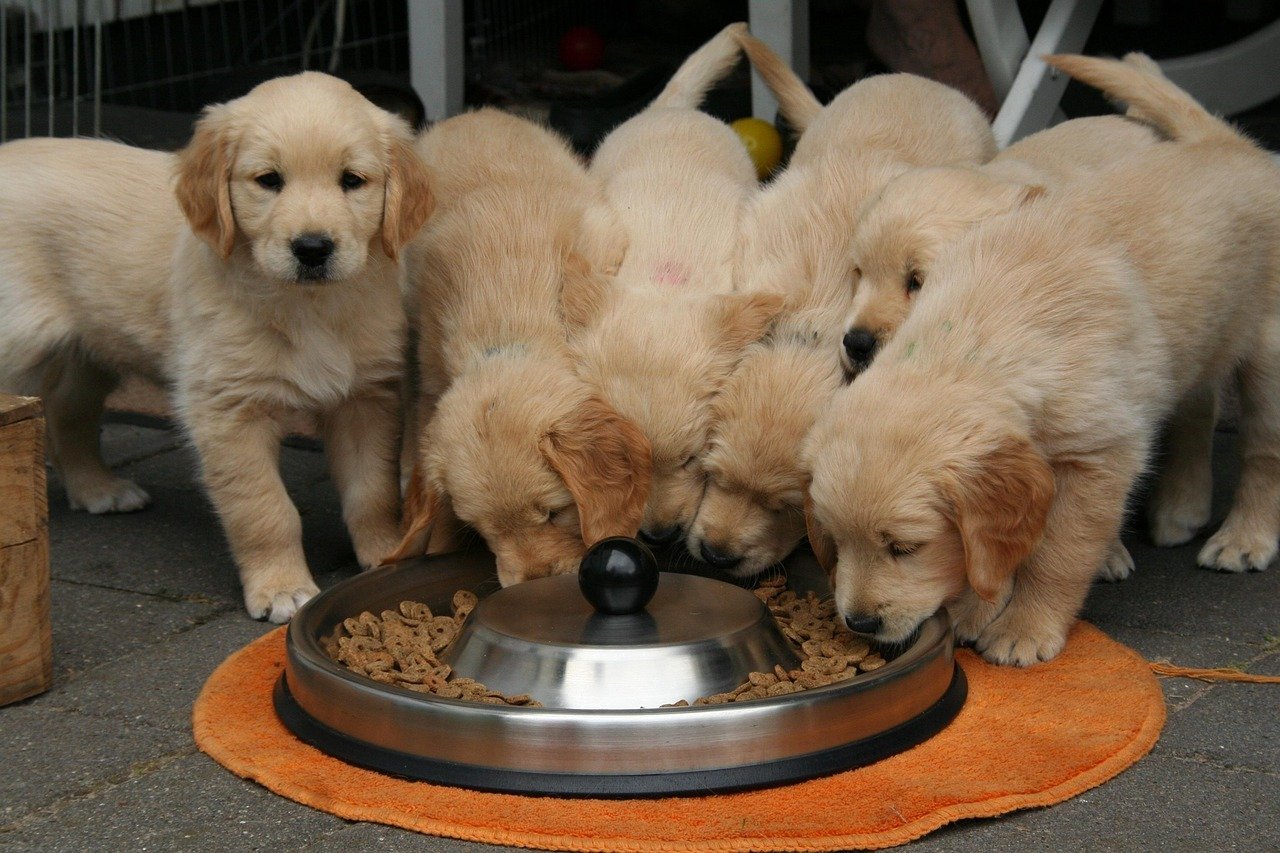
Not necessarily. Prescription diabetic diets are built around higher fiber, a real advantage for a dog whose blood sugar spikes after meals or who needs to lose weight. But prescription diets are not mandatory for every diabetic dog. A dog doing well on a standard complete and balanced food does not have to switch, and fiber can be added instead with canned pumpkin, green beans, or a psyllium fiber supplement, chosen with your vet.
I would pick the food your dog will reliably eat twice a day, every day: a prescription diet your dog refuses is worse than a decent diet eaten on schedule. Home-cooked food has to meet the same complete and balanced bar, so talk to your vet before going that route.
Meals, Insulin, and the Clock
With twice-daily insulin, the standard pattern is two meals of equal calories, each given immediately before the injection, which in practice means roughly twelve hours apart. Feed first, watch, then inject. The reason is simple: insulin (from the Latin insula, island, after the islets of the pancreas where it is made) lowers blood sugar whether or not the meal was eaten, so you want to know the food went in before the dose does. A window of about two hours on either side of the usual time is acceptable, and an occasional off-schedule day will not undo good control.
The rule for a poor appetite is worth learning before you need it. A full dose is for a dog that ate at least half the meal. If your dog eats less than half of a meal, the standard guidance for a missed meal is to give half the usual insulin dose, offer no extra food or treats until the next scheduled meal, and call your vet if it happens twice in a row. Some insulin types are handled differently, so confirm the plan with your own vet at the start.
$3Foods and Habits to Drop
Most of what destabilizes a diabetic dog is not a forbidden ingredient. It is anything that makes one day’s intake different from the next.
- 01
Semi-moist foods
Soft, chewy foods and treats are the ones high in simple sugars.
- 02
Fatty table scraps
Uncounted calories at an unplanned time, plus a pancreatitis risk.
- 03
Anything with xylitol
Found in sugar-free gum, candy, and some peanut butters, and toxic to dogs.
- 04
Free-feeding
A bowl left out all day means you never know how much went in before the insulin does.
- 05
Sudden food switches
A new food changes what each meal delivers, so tell your vet first.
Two of those need explaining. Dietary indiscretion is a common risk factor for pancreatitis, so fatty leftovers carry a risk beyond the extra calories. And sugar-free is not the safe choice it looks like: in dogs, xylitol can trigger a potent release of insulin and a rapid, profound drop in blood sugar.
Can I Give My Diabetic Dog Treats?
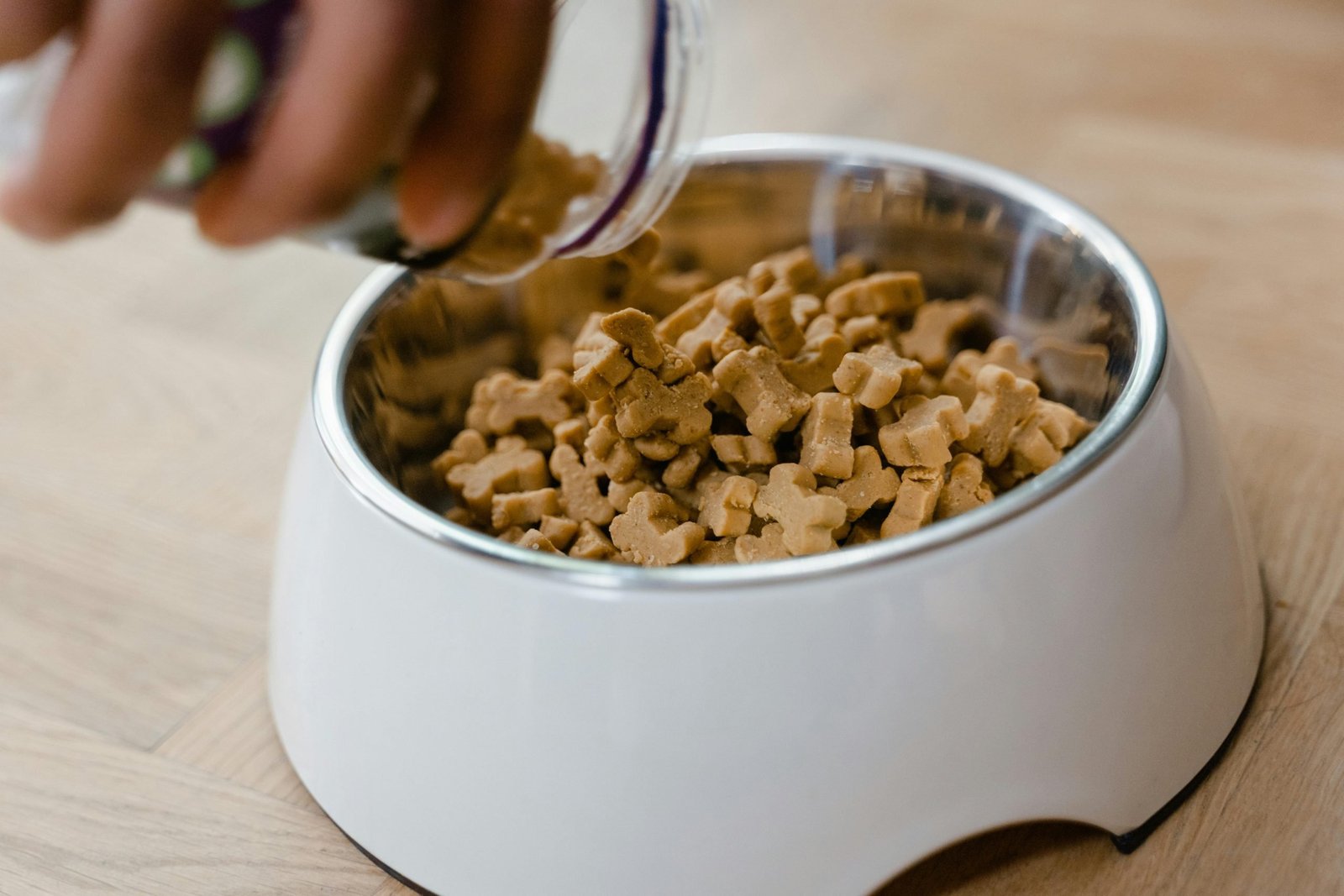
Yes. Treats are fine as long as they stop being a surprise. Count their calories inside the daily total, and give them at about the same time and in about the same amount each day. Tell your vet what you plan to give routinely, so its nutrient content and effect on blood sugar can be weighed. Plain green beans are a popular pick, since they are one of the foods used to add fiber to a diabetic dog’s diet.
Feeding Mistakes That Destabilize Blood Sugar
A common mistake is feeding a variable amount at variable times. Half a cup one day and a full cup the next gives the same insulin dose two different jobs, so measure every meal the same way.
Switching brands or formulas without checking in with your vet first is a close second. Fiber and carbohydrate content vary between products, so a swap can quietly throw off a previously stable dog.
The third is adjusting insulin on your own to chase a bad day. You can give less or skip a dose if you see signs of low blood sugar, but never increase the dose without your vet.
Was the article helpful?