

A chemistry panel flags something in most dogs it is run on, and that is a fact about the panel rather than about the dog. Many separate measurements come off a single blood draw, covering the liver values, the kidney values, blood sugar, proteins, and electrolytes all at once. The reference range for each test is built to cover the middle 95 percent of healthy animals, so on a panel of around twenty tests it is more likely than not that at least one value lands outside its range in a perfectly healthy dog. Stress, a recent meal, or a tense car ride to the clinic can nudge a number as well.
So the useful question is not what one starred value means by itself. A panel gets read in an order, working outward from the page: what kind of page it is, what the value’s neighbors did, which values drift for ordinary reasons, how the dog is actually doing and what the same test said last time, and only then what to do about any of it. That is the order this article follows, and if one value is the one circled on your printout, it is named along the way with a guide of its own. Taken in that order, the report stops being a verdict and goes back to being what it is, a status report from the organs.
First, What This Panel Actually Measures
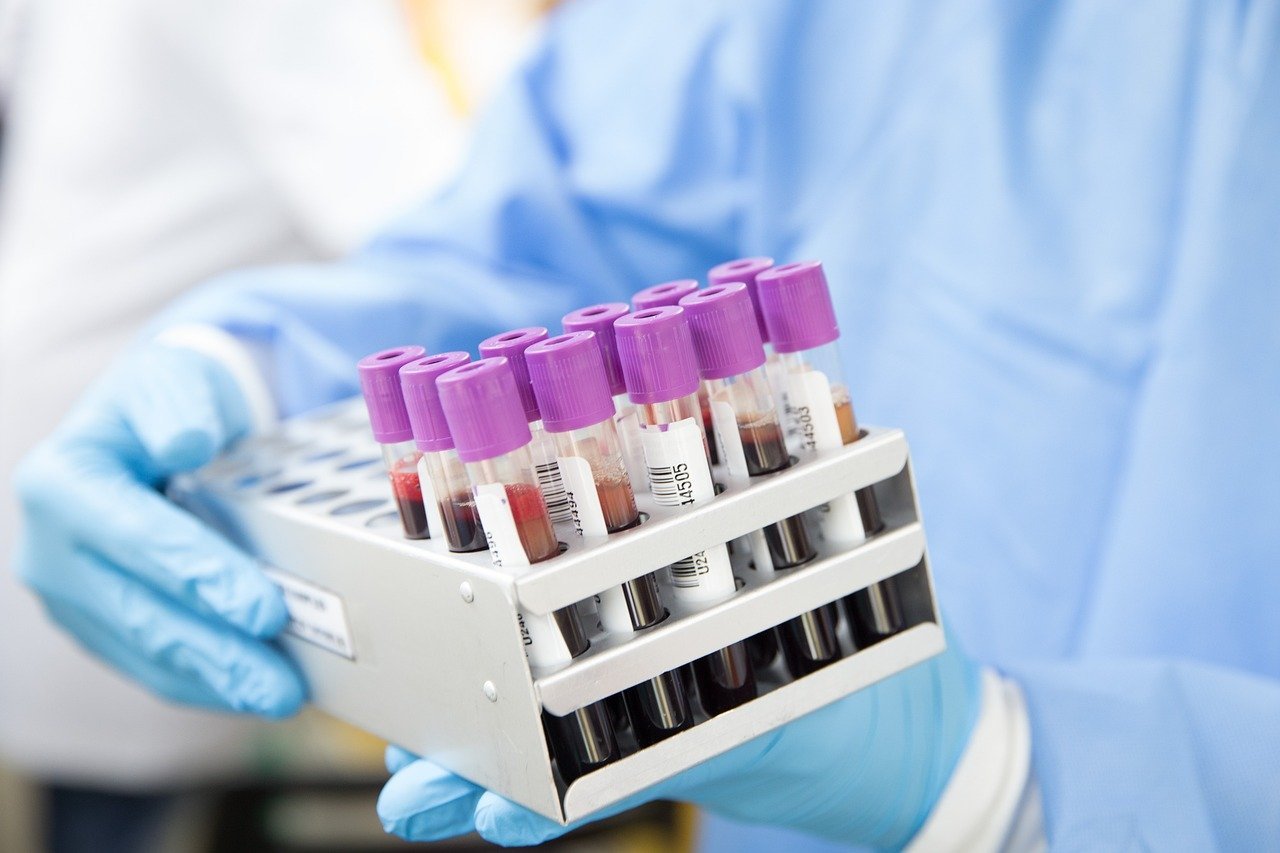
A blood chemistry panel, sometimes called a serum biochemistry profile, measures chemicals in the liquid part of a dog’s blood. Each organ leaves traces there that can be measured, which makes the panel a snapshot of organ function and metabolism rather than a diagnosis of anything. The exact values listed vary from one laboratory to the next.
It is also not the complete blood count. The CBC counts the actual blood cells, meaning red cells, white cells and platelets, while the chemistry panel looks at how the kidneys, liver, pancreas and metabolism are performing. For the pancreas, routine lipase is only a rough clue, and the pancreas-specific cPLI test is what vets add when pancreatitis is a real question. The two are usually run together and they answer different questions, which is worth knowing before holding one report up against another.
Within the panel the values sort themselves into two kinds, and telling them apart does most of the work. Some mean very little alone and become clear in company, where what matters is less the value itself than what the values around it did. Others move for ordinary reasons that have nothing to do with disease. The kidney and liver markers are the clearest case of the first kind, so start there.
Then the Neighbors: The Values That Only Mean Something Together
The kidney markers show the principle most plainly. BUN (blood urea nitrogen), creatinine and SDMA (symmetric dimethylarginine) all reflect how well the kidneys are filtering waste out of the blood, and they are often reported alongside phosphorus. When they rise together, reduced kidney filtration is on the table. When only BUN shifts, the explanation is usually simpler, because BUN also climbs for reasons outside the kidneys such as dehydration or a protein-rich diet.
So a single high BUN rarely tells the whole story. What decides whether kidney numbers are genuinely dangerous is the pattern across values and how far they have moved, not any one number by itself. If creatinine is the value circled on your page, the guide to high creatinine in dogs takes that marker on its own.
The liver markers behave the same way, with one extra wrinkle. ALT, ALP, AST, GGT, bilirubin, bile acids and albumin reflect the liver and the bile system. ALT tends to rise when liver cells are irritated or damaged, and ALP when bile flow is affected. In dogs ALP also climbs with steroid hormones, which makes it both the most commonly flagged liver value and one of the least specific.
That is why raised liver enzymes turn up more often than true liver disease does. Many problems outside the liver can push them up, and they measure irritation rather than how well the liver is actually working. A raised enzyme says the liver deserves a closer look. It does not say liver failure. If bilirubin is the flagged value, that guide takes it on its own.

The Values That Move for Everyday Reasons
This is the group behind most of the unnecessary worry, and reading it strictly is how owners frighten themselves between the clinic and the parking lot. Glucose (from the Greek glykys, “sweet”) is the most easily influenced number on the whole panel. Stress and excitement push it up temporarily, although this stress effect is milder in dogs than in cats, and a meal can raise it slightly for a few hours. A single high reading rarely means diabetes. Diabetes in dogs shows up as glucose that stays high along with glucose in the urine, not as one number on one day, and the guides to high glucose in dogs and low blood sugar in dogs take the two ends of that range separately.
Total protein, and the two proteins that make it up, albumin and globulin, sit in the same category, and so does cholesterol. They add context about hydration, inflammation, and how the liver and other organs are working. That makes them useful as supporting detail and misleading as headlines.
Electrolytes are minerals such as sodium, potassium, chloride, calcium and phosphorus that keep a dog’s cells, nerves and muscles working. They are tightly regulated, so a meaningful shift does get a vet’s attention. Most mild fluctuations, though, reflect hydration or how the blood sample was handled, and it is the larger or persistent changes that are worth investigating. Calcium and phosphorus connect to several body systems including the kidneys and certain hormones, and a high calcium and a low calcium each have a guide of their own. Potassium matters for the heart and the muscles.

Then the Dog, and Then the Last Panel
Vets never read one value and stop. The whole panel gets read, and then it gets set against the dog’s history, the physical exam, and how the dog is behaving at home. Patterns matter more than single numbers, so two mildly abnormal values that fit a story say more than one dramatic-looking result with nothing to support it.
The way a dog is actually doing carries as much weight as anything on the page. A bright, happy, well-eating dog with one starred value is a very different situation from a lethargic one, and that difference does not appear anywhere in the report. It is also the reason a result that looks alarming on paper can turn out to matter very little.
Trends matter even more than patterns, which is why a recheck under stable conditions is so often the most useful next step. The same mild change, holding steady across months, reads differently from that change appearing for the first time. I would rather compare two panels taken a month apart than argue about one number in isolation.
Put the pattern, the dog, and the last panel together, and most results settle into one of a few familiar situations.
And Only Then, a Plan
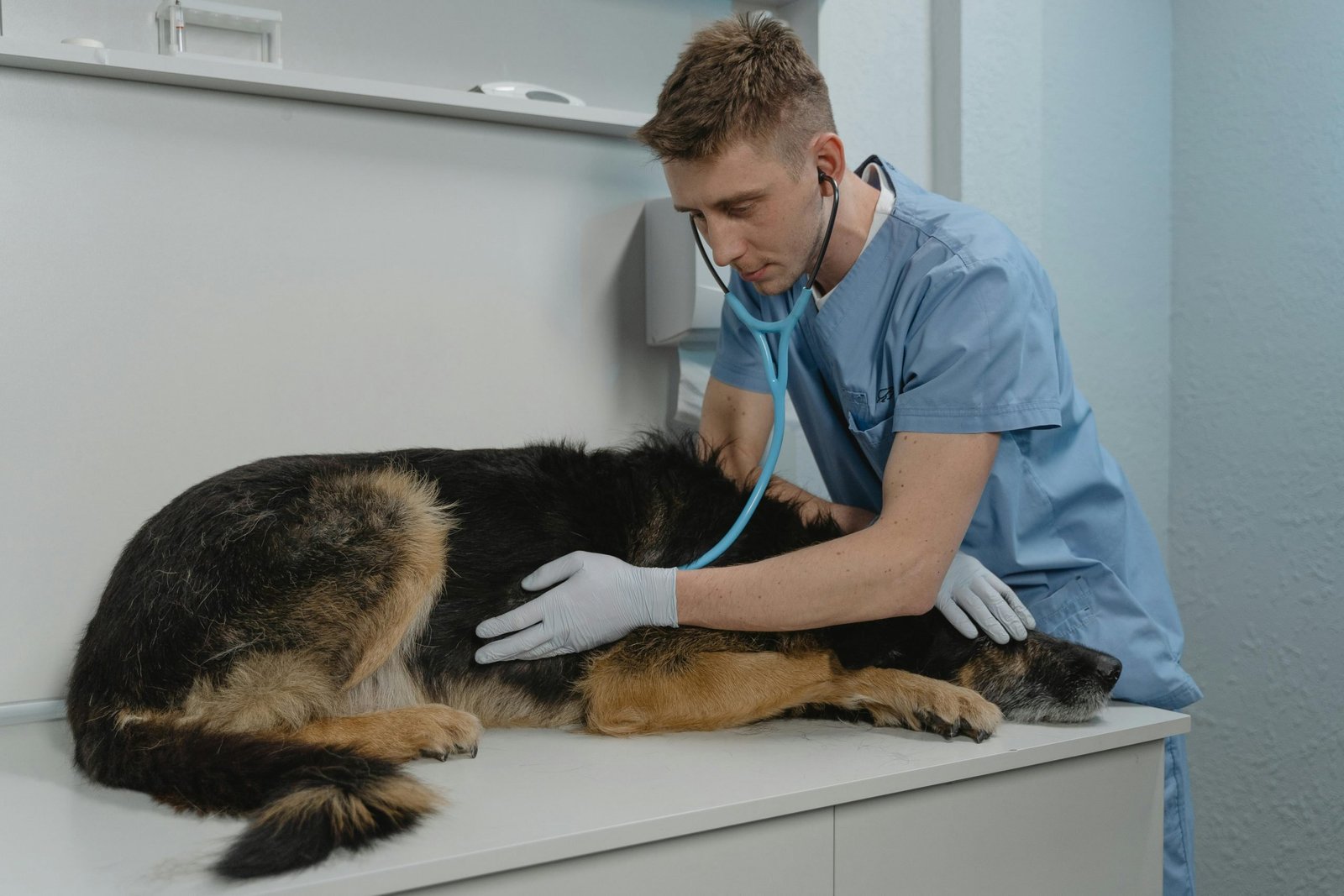
What follows an abnormal result depends on which values shifted, by how much, and how the dog feels. Often it is simply a recheck, a urine test, or one focused test added to clarify the picture. Sometimes it is imaging or a diet discussion. Rarely is it an immediate crisis.
None of this is something to interpret or act on alone. A dog’s own veterinarian knows the full history and can weigh these numbers properly, which is exactly why the panel is a starting point for a conversation rather than a verdict that arrives by email. If the report reached you before the explanation did, that is worth a phone call rather than an evening of reading.
The part only an owner can do happens at home: noticing changes in thirst, appetite, energy, urination, and weight, and then saying so out loud at the appointment. Those observations often shape the interpretation more than the report does. Write them down before you go, because the detail that matters is usually the one that gets forgotten in the room.

Was the article helpful?