

A low calcium flagged on a routine blood panel looks alarming on paper, and most of the time it is not a calcium problem at all. It is a reflection of a low albumin, and the calcium that actually does the work in the body is sitting at a perfectly normal level.
Two situations break that rule, and both are same-day problems: a nursing mother showing tremors, and any chance your dog got into antifreeze. If either one fits, act on it before reading the rest of this.

If Your Dog Is Nursing, Start Here
If your dog is feeding a litter and she is twitching, stumbling, restless, or acting disoriented, take those signs together rather than one at a time. They can mean eclampsia, a dangerous drop in blood calcium during lactation that can progress to seizures quickly. That is why a nursing dog with those signs needs to be seen today rather than watched overnight.
It turns up most often in small breeds feeding large litters, typically two to three weeks after whelping, when milk production peaks. It is confirmed by a total calcium level under 7 mg/dL, though in a mother showing the classic signs veterinarians will often start treatment on the clinical picture rather than wait for the laboratory to catch up. I would rather a nursing dog was looked over for tremors that turn out to be nothing than have that call wait until morning.
The Other Emergency: Antifreeze
Antifreeze poisoning works differently. The ethylene glycol in it also drops blood calcium, and it is lethal in small volumes: the minimum lethal dose is as little as 4.4 to 6.6 mL per kilogram of body weight. Prompt treatment, generally within about eight hours of ingestion and before kidney damage sets in, gives a dog a far better chance of full recovery.
The difficult part is that a dog who has drunk antifreeze can look completely fine during the window when treatment still works. So a known or suspected exposure is an emergency on its own terms, whatever your dog is doing: go in immediately rather than waiting for symptoms to appear, and say out loud at the clinic that antifreeze is a possibility. Where it has already caused acute kidney injury, the kidney values on the same panel will usually show it.
For Most Dogs, This Is an Albumin Problem
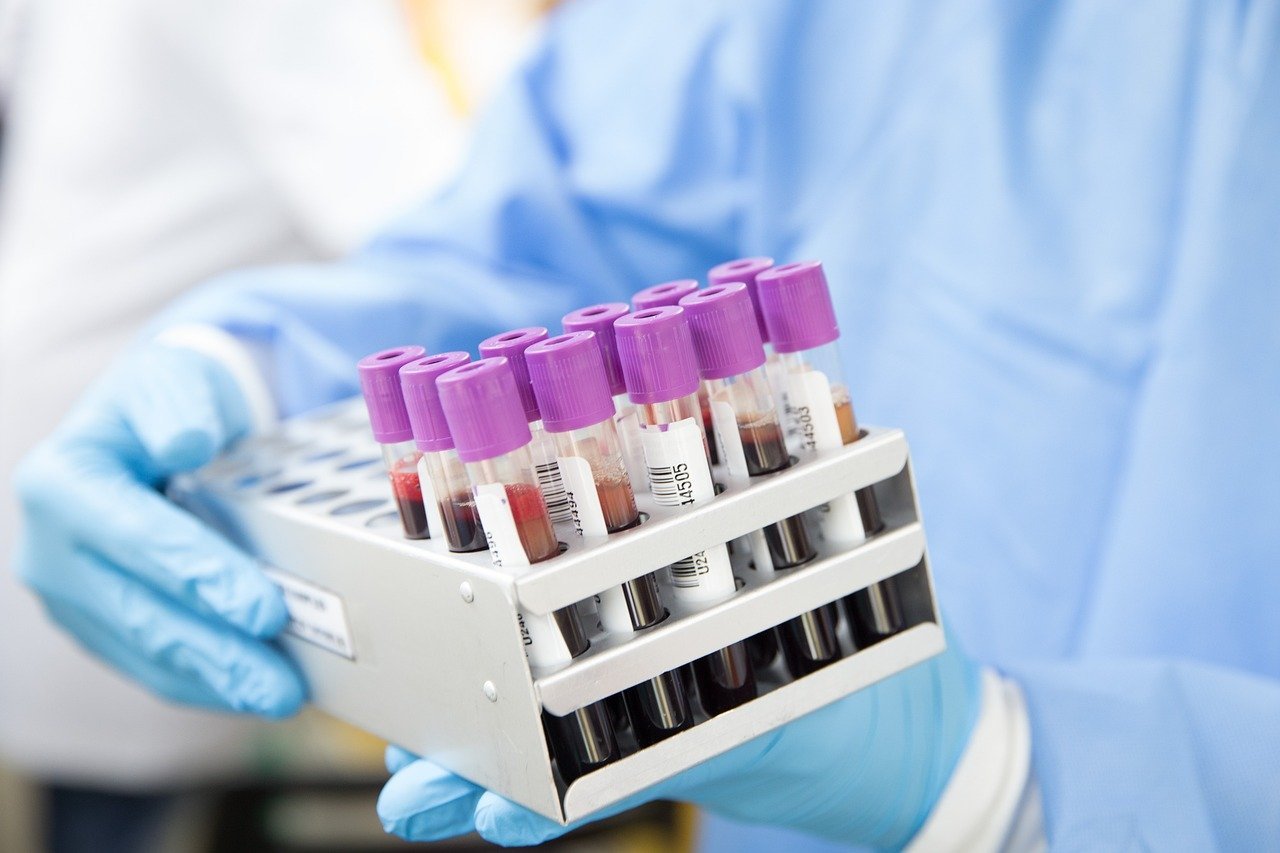
Calcium travels in the blood in two forms: partly bound to the protein albumin, and partly free, as ionized calcium. The free fraction is the one that drives muscle and nerve function. Standard blood panels report total calcium, which is both forms added together.
That piece of accounting is what causes the confusion. When albumin is low, from illness, poor nutrition or blood loss, the total calcium falls with it on paper while the ionized calcium stays entirely normal. Nothing is wrong with the dog’s calcium. Albumin is reported as part of the total protein panel, so the same effect is worth knowing about there too. It is the single most common reason a flagged low calcium turns out to be nothing.
What Confirms a Real Deficiency
The number that settles it is ionized calcium. The normal range for ionized calcium in dogs runs about 1.25 to 1.45 mmol/L, and true hypocalcemia, meaning a genuine shortage of calcium rather than a paper one, is confirmed below 1.0 mmol/L. Treatment is typically indicated once total calcium falls under 7.5 mg/dL, or ionized calcium under 0.8 mmol/L. A total calcium above those figures is not, by itself, a deficiency that needs acting on.
When the ionized value really is low, the causes are a short and specific list: eclampsia in a nursing mother, acute kidney injury, acute pancreatitis, an underactive parathyroid gland, and antifreeze. Your veterinarian weighs the result against albumin, your dog’s reproductive status, the kidney values, and any possible access to toxins. If a follow-up ionized calcium comes back normal, the original reading was the albumin pulling the total down, and nothing more.
So for most dogs this ends in one practical question rather than a worry: ask whether the albumin on the same panel was low, and whether an ionized calcium is worth running before anyone treats the number. Calcium at the other end of the range is a different conversation with its own causes, and a high calcium result does not simply mirror this one.

Was the article helpful?