

Cholesterol flagged high on your dog’s bloodwork does not mean what the same flag would mean on yours. Dogs rarely build the artery-clogging plaques that make this number matter so much in human medicine, so the mental image of a heart attack waiting to happen is the wrong one to start with.
On a dog chemistry panel, a high cholesterol usually has more to say about hormones than about blood vessels, and several of the conditions behind it are very manageable once someone goes looking.
Hormones Are the First Place to Look
When cholesterol stays high, the two conditions most associated with it are hypothyroidism, where a raised cholesterol is the classic bloodwork abnormality, and Cushing’s disease. Both change how the body handles fat. Diabetes does too, as does cholestatic liver disease, where bile flow is obstructed, and protein-losing kidney disease.
Cholesterol itself is fairly unglamorous. It is a fat-based molecule used to build cell membranes and to make certain hormones, and the liver manufactures most of it rather than the food bowl supplying it. That is precisely why the value drifts when the liver or the endocrine system is off. It is reporting on other machinery.
Why a Fasted Recheck Comes First
The most useful next step is almost always a repeat sample after a fast. Dogs are normally fasted before a blood fat check for around twelve hours, the same preparation that matters for blood glucose readings.
There is a catch, and it changes what you should expect from that recheck. A meal mostly raises triglycerides, the other blood fat on the panel. In healthy dogs, cholesterol itself barely moves after eating. So fasting will not make a genuinely high cholesterol disappear, and it is not supposed to. What it buys your veterinarian is a clean sample to judge, with the meal effect taken off the table. If the fasted value is still high, that is the point at which looking into thyroid and adrenal function becomes worth the cost.

What to Watch For Before That Visit
Your own observations will steer the testing more efficiently than a second number will. Weight gain, hair loss, or a dull coat point toward a low thyroid. Increased thirst, more urination and a bigger appetite point toward Cushing’s disease, as do a distended belly and panting. Vomiting or abdominal pain belong to a different story altogether, one worth reading under the signs of pancreatitis.
Note the weight trend, the coat, the water bowl and the appetite. Those four answers do more to direct the next test than the cholesterol value will.
Miniature Schnauzers Are Their Own Story
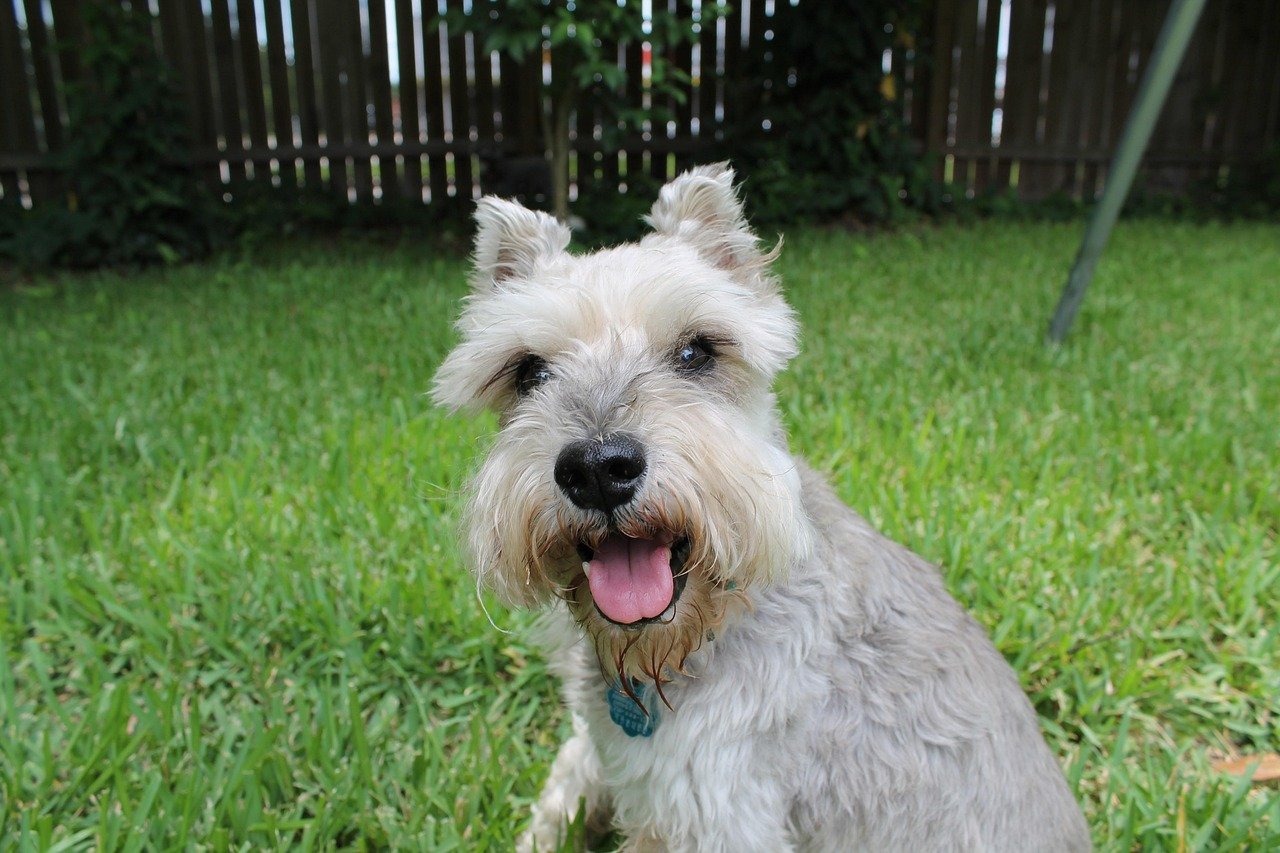
The breed carries idiopathic hyperlipidemia, a tendency to run too much fat in the blood with no disease underneath it. Roughly a third of healthy Miniature Schnauzers in one study had high triglycerides, while high cholesterol was far less common.
That distinction matters more than it sounds. Severely high triglycerides are a recognised risk factor for pancreatitis in dogs, and Miniature Schnauzers are heavily overrepresented among the dogs who develop it. So in this breed, repeated vomiting and abdominal pain alongside very high blood fats is not a wait-and-see situation, and I would rather that dog were examined than rechecked in a month.

The One Time Cholesterol Itself Is the Risk
There is a genuine exception to everything above. In dogs with hypothyroidism, a cholesterol above roughly 750 mg/dL does carry a real risk of atherosclerosis, the artery disease that dominates the human version of this conversation.
It is uncommon. It is also the reason a persistently high result deserves to be tracked down rather than filed away, and the reason your veterinarian may check a T4 at the same visit. Cushing’s disease works differently: a high cholesterol is only one of its routine bloodwork changes, so if the signs fit, specific adrenal testing settles it and the cholesterol value settles nothing. If diet turns out to be part of the picture, reading fat content on food labels is a reasonable place to start.
Was the article helpful?