

You are standing in the pet food aisle with a bag of kibble in one hand and a tray of cans in the other, wondering whether the choice really matters. For a healthy dog it matters less than the packaging suggests, because both can support excellent health when the food is complete and balanced. Wet food brings moisture and a strong aroma. Dry food brings convenience and more calories per cup. Neither format is automatically better, so the useful question is which one suits your dog’s appetite, stool quality, weight, and daily routine.
A common pattern is a dog who has done well on kibble for years, then suddenly eats slowly or walks away from meals. That shift matters more than the format, because it can point to dental discomfort, nausea, or stress rather than pickiness. If the change lasts more than a day or two, or comes with vomiting, diarrhea, lethargy, or pain, check in with your veterinarian and note what changed and when.
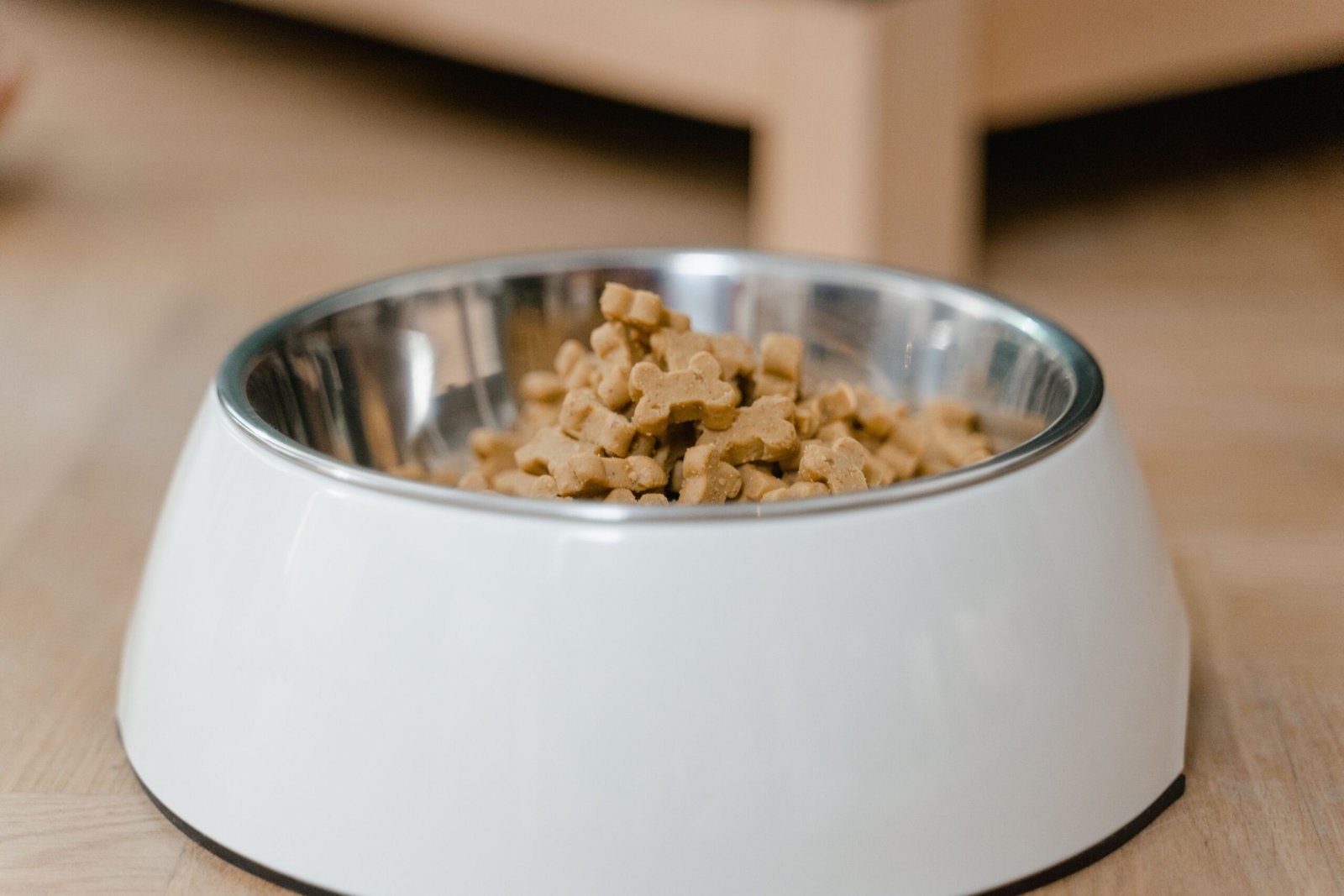
Wet vs Dry Dog Food: What Changes With Moisture
Canned food is mostly water, roughly 75 to 85 percent, so each bite carries fewer calories than kibble. That is why a wet meal can look larger and more satisfying even when the calories are controlled. For a dog that does not drink much, the water in the food also adds to the day’s fluid intake.
That extra water shows up at the other end too. Some dogs on wetter diets urinate a bit more and pass stools that look softer, simply because more water is moving through. Both can be normal as long as the stool stays formed and your dog feels well.
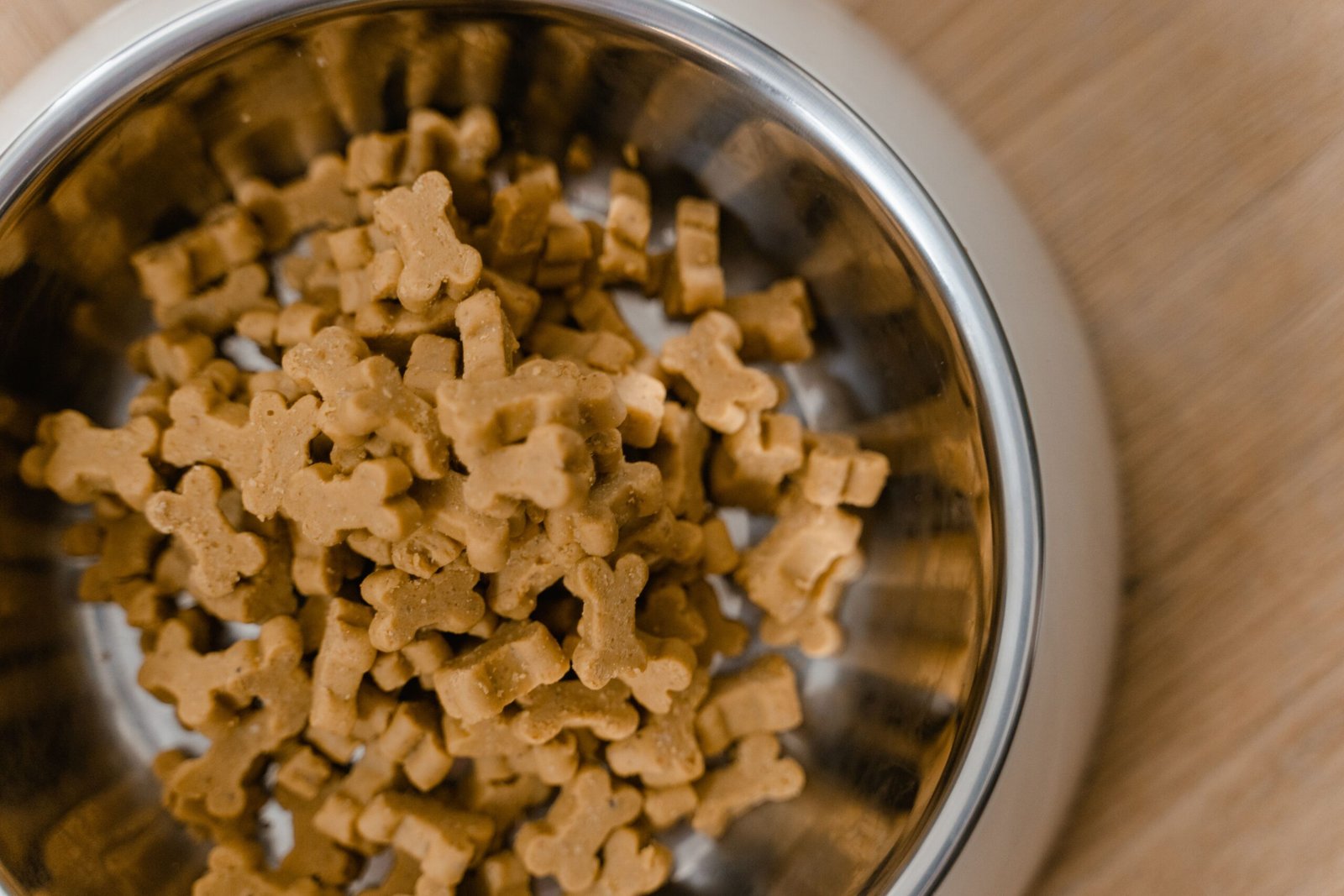
Portion size, calories, and weight control
The biggest practical difference between formats is how easy it is to overfeed without realizing it. Kibble packs many calories into a small volume, so a “little extra” can add up quickly over weeks. Wet food can look like a generous portion, which sometimes makes owners feel reassured even when calories are appropriate.
For weight gain, weight loss, or maintenance, calories matter more than moisture. If you change formats, the amount you feed almost always needs to change too, even if the bowl looks similar. A steady body condition, where the ribs are easy to feel and the waist is visible, is a more reliable guide than how full the dish appears. Growing puppies have different calorie and mineral needs than adults, so for a young dog a puppy-appropriate recipe matters more than wet versus dry on its own. The same logic applies later, and when to move to adult or senior food depends more on size and age than on the food’s format.

Appetite, seniors, and dogs that eat reluctantly
Wet diets often win on smell and texture, which can help dogs that are recovering from illness or have a lower drive to eat. The softer texture can also be easier for older dogs who have missing teeth or tender gums. That said, a sudden preference for soft food can be a clue to mouth pain. It should not be brushed off as a harmless quirk if it is new.
Dry food can still work well for seniors when teeth and gums are comfortable, and some dogs genuinely prefer crunch. If a dog starts dropping kibble, chewing only on one side, or leaving hard pieces behind, that is useful information. In those cases, changing texture may improve eating, but scheduling an oral exam is also worth considering. Appetite is often one of the first things to shift as a dog moves into the senior years, alongside other early changes worth recognizing.
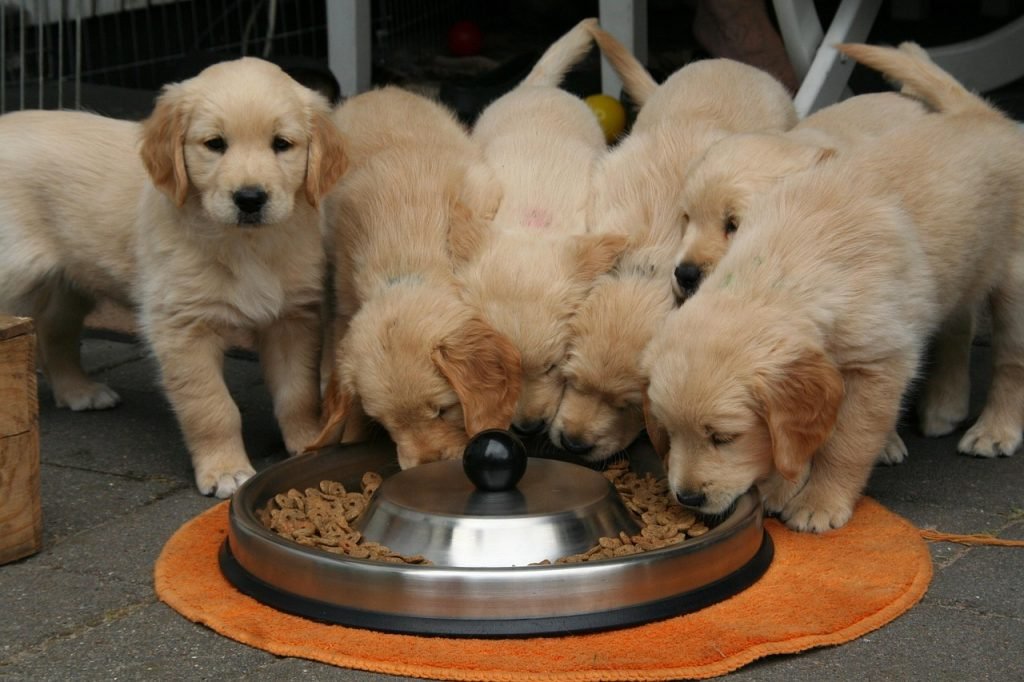
Teeth, tartar, and the “kibble cleans teeth” belief
The idea that dry food cleans teeth is only partly true. Most kibble breaks apart quickly and does not behave like a toothbrush, and unless the food was made specifically for dental health, any benefit is subtle. Dental disease is driven by bacteria below the gumline, genetics, and how much plaque stays on the teeth over time.
Wet food does not automatically cause dental disease either. Dogs develop tartar and gingivitis (from the Latin gingiva, “gum,” plus the Greek -itis, “inflammation”) for many reasons, and smaller breeds tend to be hit harder. If dental health is the priority, daily tooth brushing, a dental chew backed by real evidence, and veterinarian-guided dental care matter more than wet versus dry. For dogs that refuse the brush, a no-chew option such as a dissolving dental strip is one more way to keep a daily routine going.

Cost, storage, and real-life feeding routines
Dry food is usually easier to store, portion, and use for training rewards. It travels well, stays stable in a bag when kept dry, and can be left out briefly without spoiling as quickly. Those conveniences can make consistency easier, and consistency is a quiet strength in canine nutrition.
Wet food can cost more per calorie and is fussier once opened. Leftovers need to be refrigerated promptly or thrown out, and warm weather raises spoilage risk faster, especially if your dog grazes. Timely cleanup and covered storage prevent the kind of digestive upset that has nothing to do with the recipe itself.
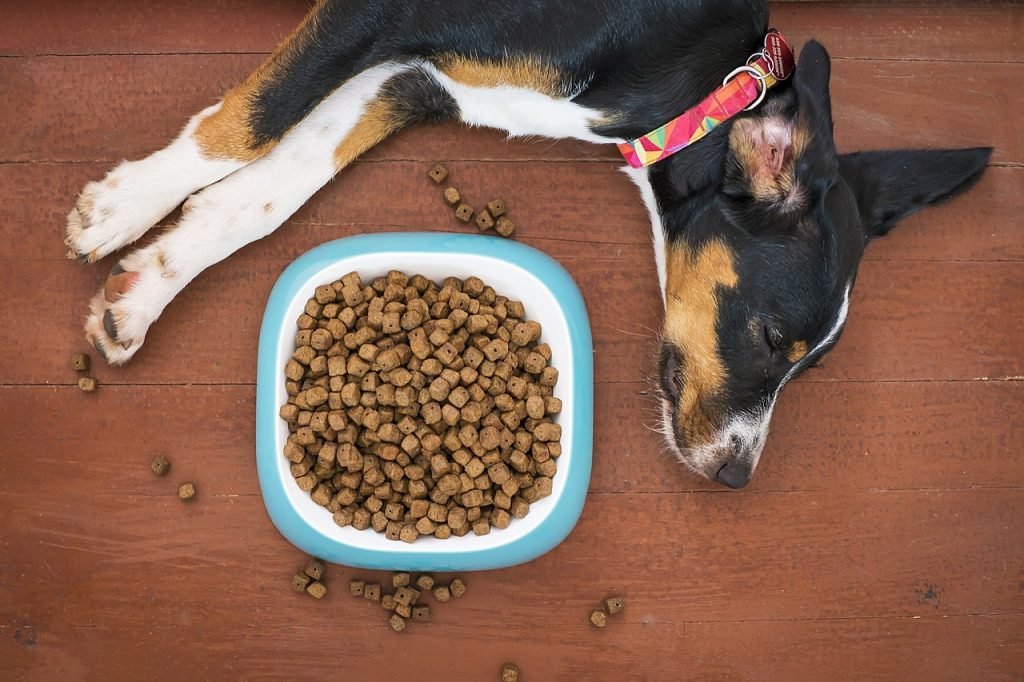
Mixing formats and switching without stomach upset
Many dogs do well with a combination of wet and dry in the same day or the same bowl. Mixing can add aroma and moisture while keeping meals easy to measure. The main risk is accidental extra calories, since it is easy to add “a little topping” without reducing the base portion.
Any diet change is gentler when it is gradual. Stretching the switch over about a week gives the digestive tract time to adapt and reduces the chance of loose stool, gas, or vomiting that can happen even with high-quality foods. A little stomach gurgling or one soft stool along the way is a reason to slow the transition down.
See a vet now if a food switch comes with persistent diarrhea, vomiting, blood in the stool, repeated refusal to eat, or signs of dehydration. A food switch is not the whole plan in that situation, and medical guidance becomes the next step.
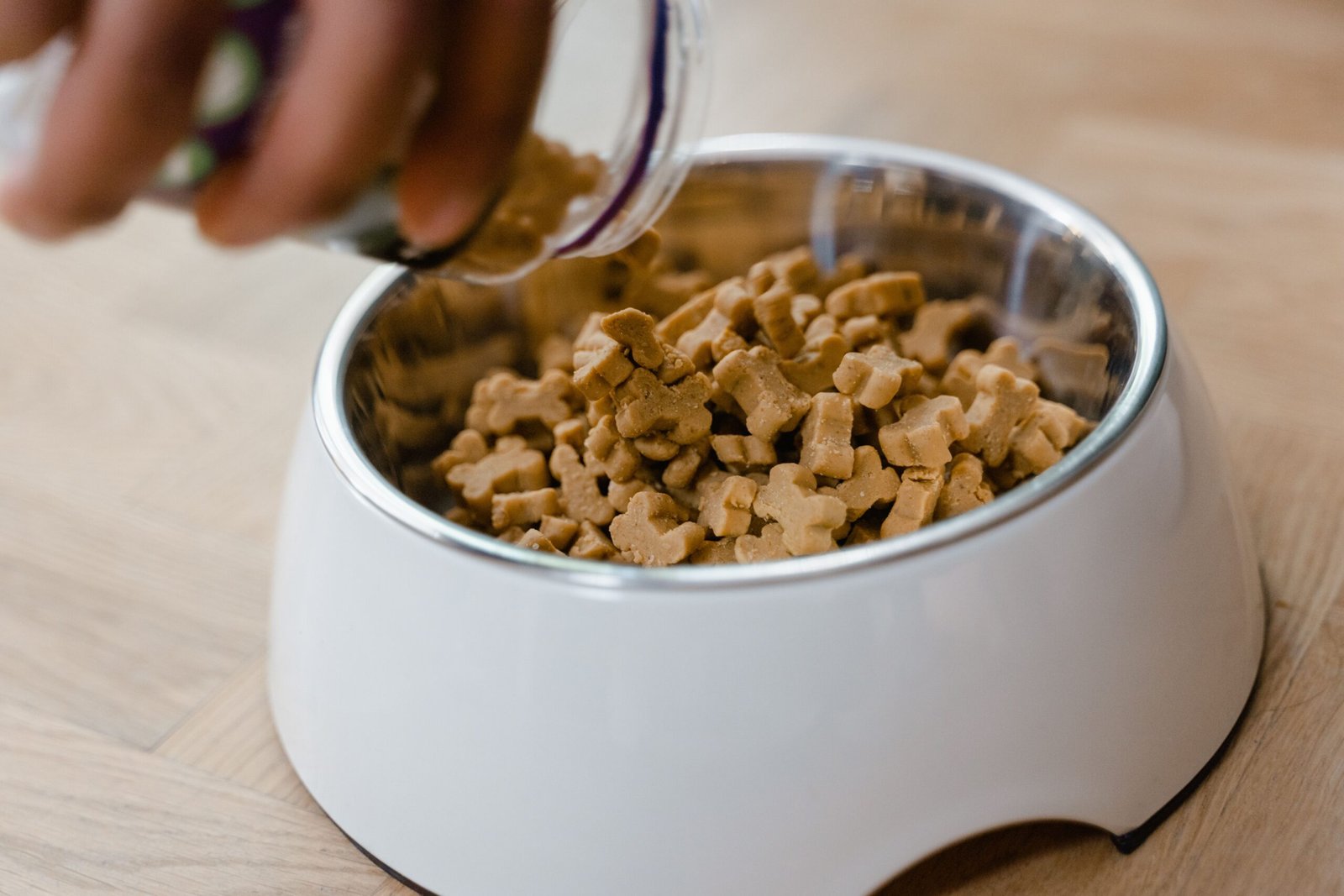
How to judge quality in either wet or dry form
The most meaningful label feature is whether the food is complete and balanced for your dog’s life stage. The nutritional adequacy statement on the label confirms that the recipe is meant to be a dog’s whole diet, rather than a snack or topper. This matters because dogs can look fine on an unbalanced diet for a while before problems appear.
Ingredient lists are easy to overinterpret because an ingredient’s name tells you nothing about its nutritional quality or digestibility. Two foods can look different on the label and still deliver similar nutrition, and two foods that look similar can behave differently in a particular dog. The practical test when you choose a dog food is steady energy, stable stool, a healthy coat, and a body condition that stays consistent over months.
Was the article helpful?