
Either your veterinarian mentioned an elevated ALT on your dog’s blood test, or you are looking at the lab report yourself, wondering what that red value means. I know dog bloodwork can be confusing, especially when one value climbs without explanation. The short version: ALT is a clue, not a diagnosis. This article covers how to read that clue, what makes a result less worrying, and what calls for a closer look.
The reading always happens in context. When an ALT persists or keeps rising, the pattern matters more than the single number. That means the full chemistry panel, other liver values such as bilirubin, the exam, medication and diet history, and any symptoms at home. Sometimes it also means repeat testing or imaging.
What ALT Is and Why It Is Measured

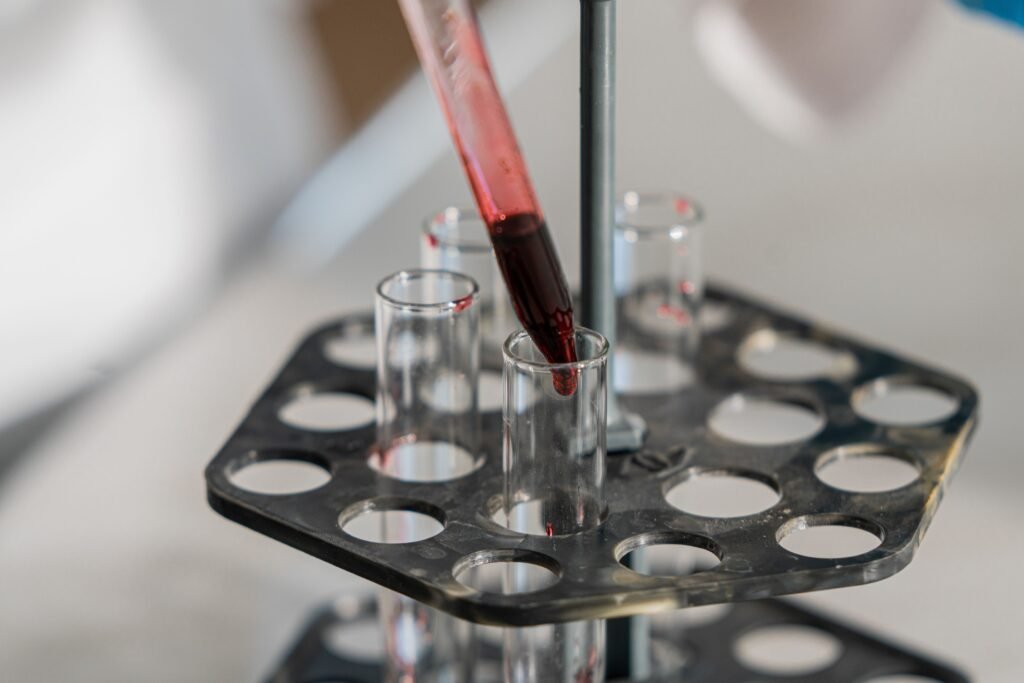
ALT stands for alanine aminotransferase, an enzyme found mainly inside liver cells. Picture the liver as a giant factory that turns the food your dog eats into the goods the body needs. ALT is one of the workers on the floor, helping process amino acids, the building blocks of proteins. Because it lives inside liver cells, healthy blood contains only a little of it.
That is what makes it useful. When liver cells are stressed or damaged, ALT leaks out and the blood level rises. It is a very sensitive marker of hepatocellular stress (from the Greek hepar, liver, and the Latin cellula, cell). The same sensitivity is also its weakness. ALT can rise for reasons that have nothing to do with serious liver disease, and on its own it says nothing about the cause.
What a High ALT Does and Does Not Tell You
An increased ALT shows that liver cells have been disrupted at some point. It does not show how severe the problem is, whether the damage is still happening, or what started it. Mild elevations often reflect a temporary insult rather than permanent injury. The liver is a remarkably regenerative organ, and once whatever was bothering it stops, it can largely repair itself.
ALT also does not measure how well the liver is doing its job. For that, your veterinarian looks at the liver function tests, such as albumin, cholesterol, and bile acids. The liver has a large functional reserve, far more working capacity than it needs on an ordinary day (which is convenient). A dog can therefore have a high ALT and completely normal liver function, and that reserve is why many dogs with an elevated value feel perfectly fine.
Why ALT Rises, and What You Might Notice at Home
Sometimes the problem is in the liver itself: inflammation or infection, a toxin, or reduced blood flow to the organ. Just as often the trigger sits outside it. Certain medications (corticosteroids are the classic example) and some supplements can push ALT up, and so can a recent illness elsewhere in the body, age-related changes, or a metabolic condition. ALT is not purely liver-specific either, so a muscle injury or a bout of unusually hard exercise can nudge it upward. And plenty of mild elevations are found by accident on routine wellness bloodwork, in a dog who has never seemed unwell.
That last point is not a contradiction. Because of the functional reserve I mentioned, early or mild liver cell injury often does not touch appetite, energy, or digestion at all. When signs do appear, they tend to be vague, most often lethargy or a reduced appetite, and those overlap with dozens of other problems. This is why bloodwork is read by trend and supporting tests rather than by one number on one day.
It is also why not every elevated ALT deserves the same response. A mildly high value in a dog who is eating, drinking, and acting normally is one thing. The same number in a dog who also shows any of the signs below is another, and that combination calls for prompt veterinary evaluation rather than a routine recheck:
- 01
Vomiting or poor appetite
Throwing up, or leaving food in the bowl
- 02
More thirst or urination
Emptying the water bowl faster, or asking out more often
- 03
Yellowing of the gums or skin
Check the gums and the whites of the eyes in good light
- 04
A drop in energy
Sleeping more, with less interest in walks or play
Reading ALT Alongside the Rest of the Panel
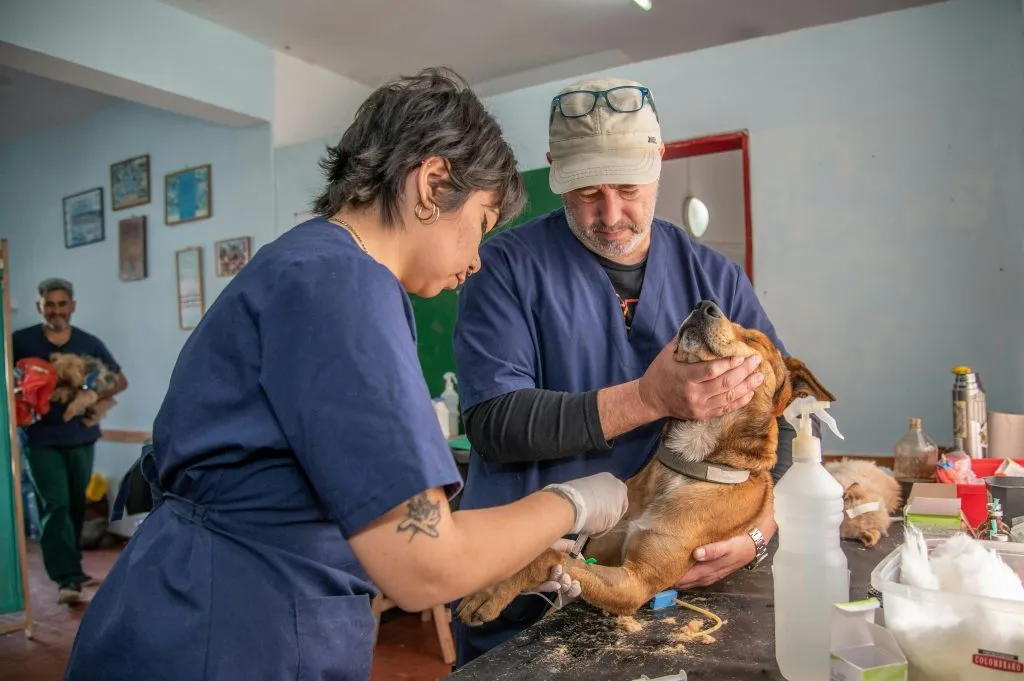
ALT shows that liver cells were damaged; it says very little about why. The fuller picture comes from reading it next to the other hepatic markers: AST, ALP, GGT, albumin, cholesterol, and bile acids. A chemistry panel rarely tests the liver in isolation, so values from the kidneys, pancreas, and elsewhere get weighed at the same time. The size of the rise, whether it is going up or down between tests, and how the dog feels all shape how the result is read.
Magnitude matters too. A sudden, severe injury typically produces a much larger jump in ALT than a milder or chronic problem, sometimes reaching a hundred times the upper limit of normal. Once the cause resolves, ALT drifts back to normal over roughly two to three weeks, not overnight. That timeline is why your veterinarian may suggest rechecking in a few weeks rather than repeating the panel the next day.
Food is usually the next question. No diet reliably lowers ALT on its own, because the number falls when whatever irritated the liver cells stops. Switching foods right before a recheck can also blur the trend your veterinarian is trying to read. Diet becomes a real tool once a cause is found, such as copper building up in the liver or a liver shunt, and the right food for elevated liver enzymes depends on that diagnosis.
There is also a point where a recheck stops being enough. An ALT that stays elevated without explanation for more than about two months is currently the best screening signal we have for early chronic hepatitis. Chronic hepatitis (from the Greek hepar, liver, and -itis, inflammation) can run silently for a long time. Up to one in five dogs with it have raised liver enzymes and no outward sign of illness. That is the stage where watching should give way to investigating, usually with an abdominal ultrasound and often a liver biopsy, because a biopsy is what confirms the diagnosis.
Was the article helpful?
Thank you for the article. It is informative. My 10 yrs old dog had a comprehensive blood work done a week ago and the result shows high ALT of 257 (1+Lipermia).
I visited two clinics. North Bay Animal Hospital wanted to do further test with imaging.
The Humane Society Veterinary recommended that I put my dog down to sleep permanently for its quality of life.
The 1st Veterinary recommended food change to Purina Pro or Hills/subscription food.
The article helped shed lights.
again, thank you.
Respectfully,
VB