
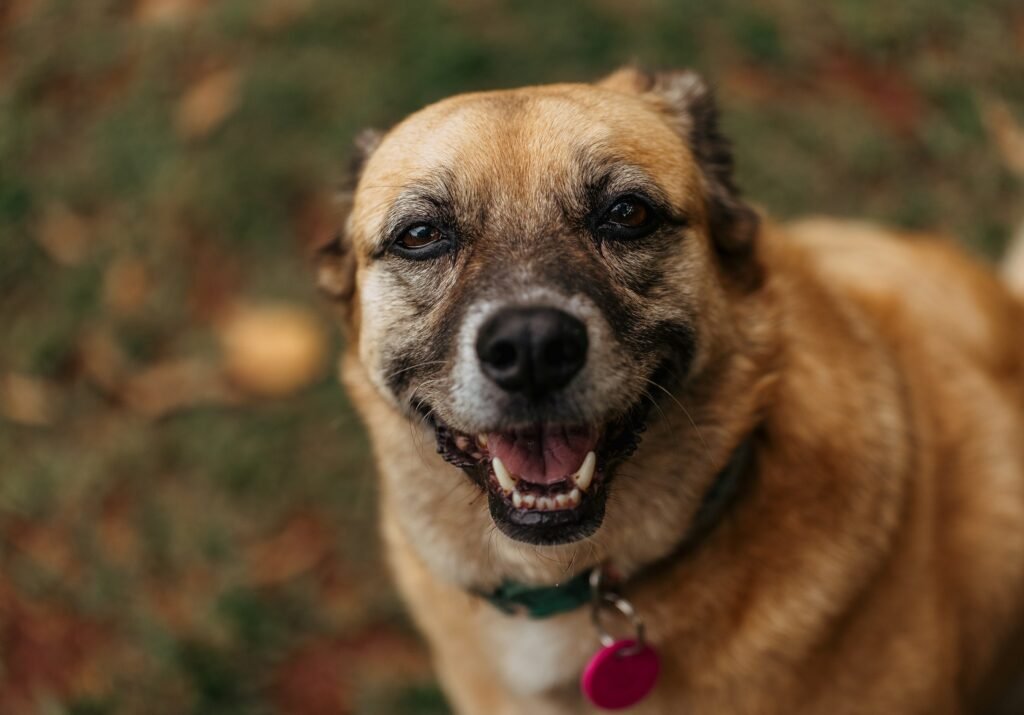
Cushing’s disease in dogs often makes sense only in hindsight. Your dog drinks more, pees more, seems hungrier, and slowly grows a pot belly and a thinner coat. It usually shows up in middle-aged and older dogs, so it is easy to blame age until a vet connects the dots.
It is lifelong but manageable, and most of the work is steady monitoring. From day one, know which side effects mean you stop the medication and call your vet.
What Is Cushing’s Disease in Dogs?
The medical name is hyperadrenocorticism (from the Greek hyper- “excessive” + Latin ad- “toward” and ren “kidney” + cortex “outer layer”). It means the adrenal glands, two small glands next to the kidneys, release too much cortisol for a long time. Cortisol is a normal stress hormone, but months of excess change thirst, appetite, coat, skin, and muscle. Nearly every sign traces back to that one hormone.
Where the Extra Cortisol Comes From
About 85 percent of dogs with naturally occurring Cushing’s have the pituitary-dependent form. The pituitary gland (from the Latin pituita “phlegm”) is a pea-sized gland at the base of the brain. A growth on it tells otherwise normal adrenal glands to make too much cortisol. Most other dogs have a cortisol-producing tumor on an adrenal gland.
Most affected dogs are 7 to 12 years old. Several breeds carry a higher risk, including Miniature Poodles, Dachshunds, Boxers, Boston Terriers, and Yorkshire Terriers.
Long-term steroid medication such as prednisone can cause the same picture. Your vet manages this iatrogenic (from the Greek iatros “healer” + genes “produced by”) form by gradually reducing the steroid. Do not stop it on your own. Long-term steroids quiet the adrenal glands, so a sudden stop can trigger a crisis with lethargy, weakness, vomiting, and diarrhea.
Signs You Can See at Home
Drinking and urinating more are the most common signs, seen in 80 to 90 percent of affected dogs. The disease develops slowly, so the early changes are not always noticed.
- 01
Thirst
The water bowl empties faster, and your dog is peeing more too.
- 02
Bigger appetite
Constant hunger that is easy to mistake for a healthy appetite.
- 03
Pot belly
A rounded abdomen that sags.
- 04
Thinning coat
Hair loss that matches on both sides of the body.
- 05
Panting
More than usual, even at rest.
- 06
Fragile skin
Thin skin that bruises easily.
- 07
Repeat infections
Urinary tract infections that keep coming back.
No single sign proves Cushing’s. Diabetes and other conditions also raise thirst and appetite, so the diagnosis rests on testing.
How Vets Confirm Cushing’s
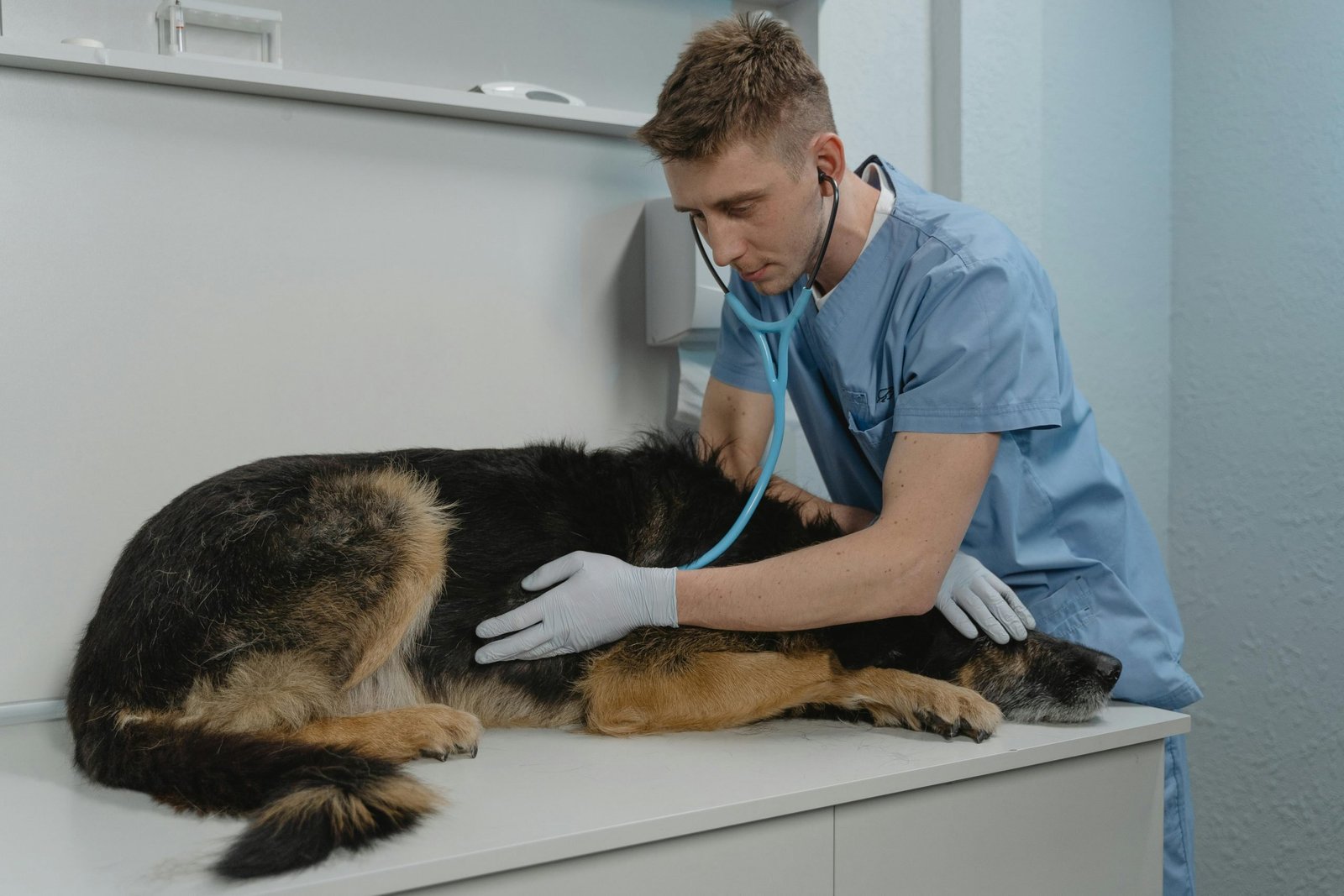
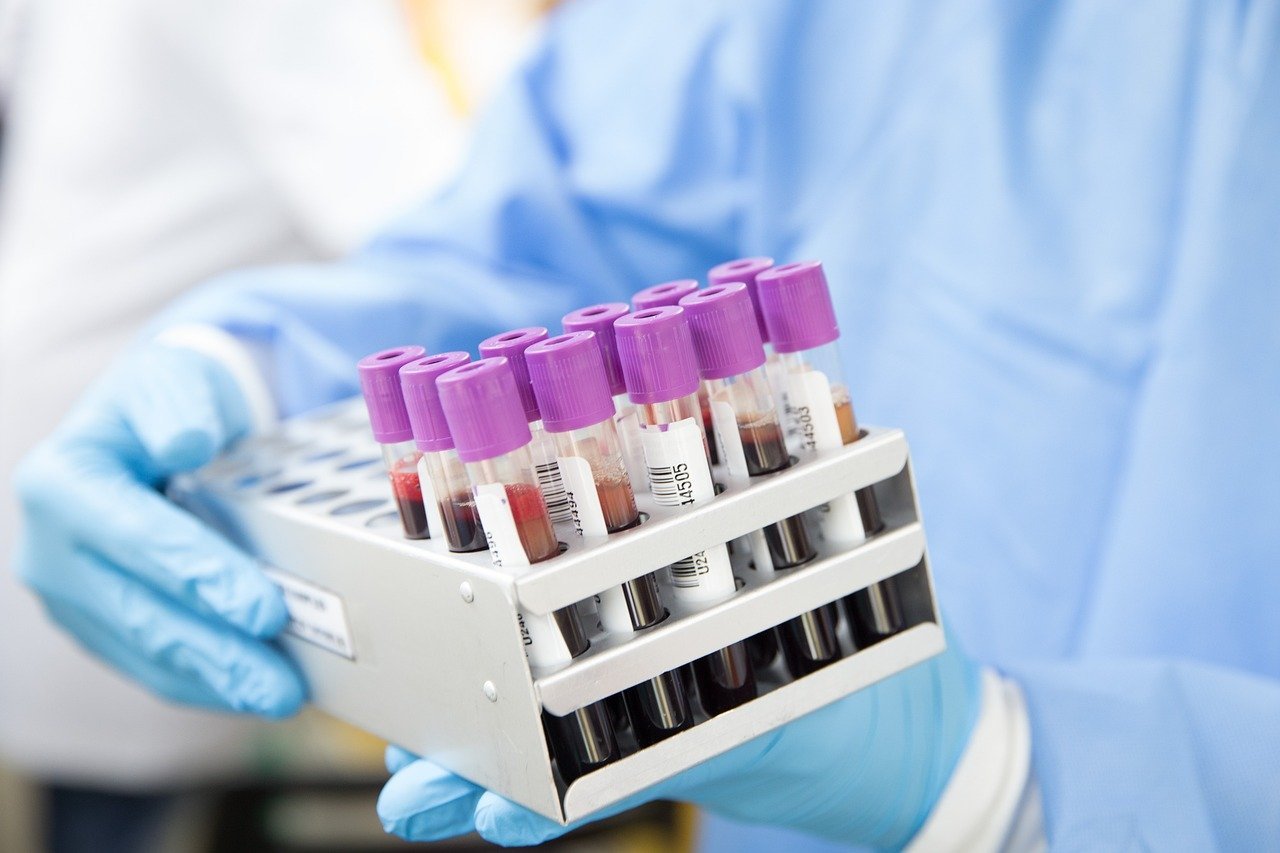
Diagnosis usually starts with routine bloodwork and a urinalysis. A high ALP liver enzyme is the most common finding. Elevated cholesterol is another clue, but neither can confirm the disease. Confirming it takes a specific hormone test, usually the low-dose dexamethasone suppression test (LDDST) or the ACTH stimulation test.
| Diagnostic Step | What It Shows |
|---|---|
| Routine bloodwork and urinalysis | Suggestive patterns, such as high ALP; cannot confirm Cushing’s |
| Urine cortisol:creatinine ratio | A sensitive screening test, but a high result needs confirming with another test |
| LDDST | The preferred screening test; shows whether cortisol suppresses normally |
| ACTH stimulation test | Measures adrenal response; fewer false positives, and the test of choice for steroid-induced cases |
| Abdominal ultrasound | Helps tell pituitary-dependent cases from adrenal tumors |
The ACTH stimulation test misses more cases than the LDDST, especially adrenal tumors, so a normal result does not always rule Cushing’s out.
Treatment and the Recheck Schedule
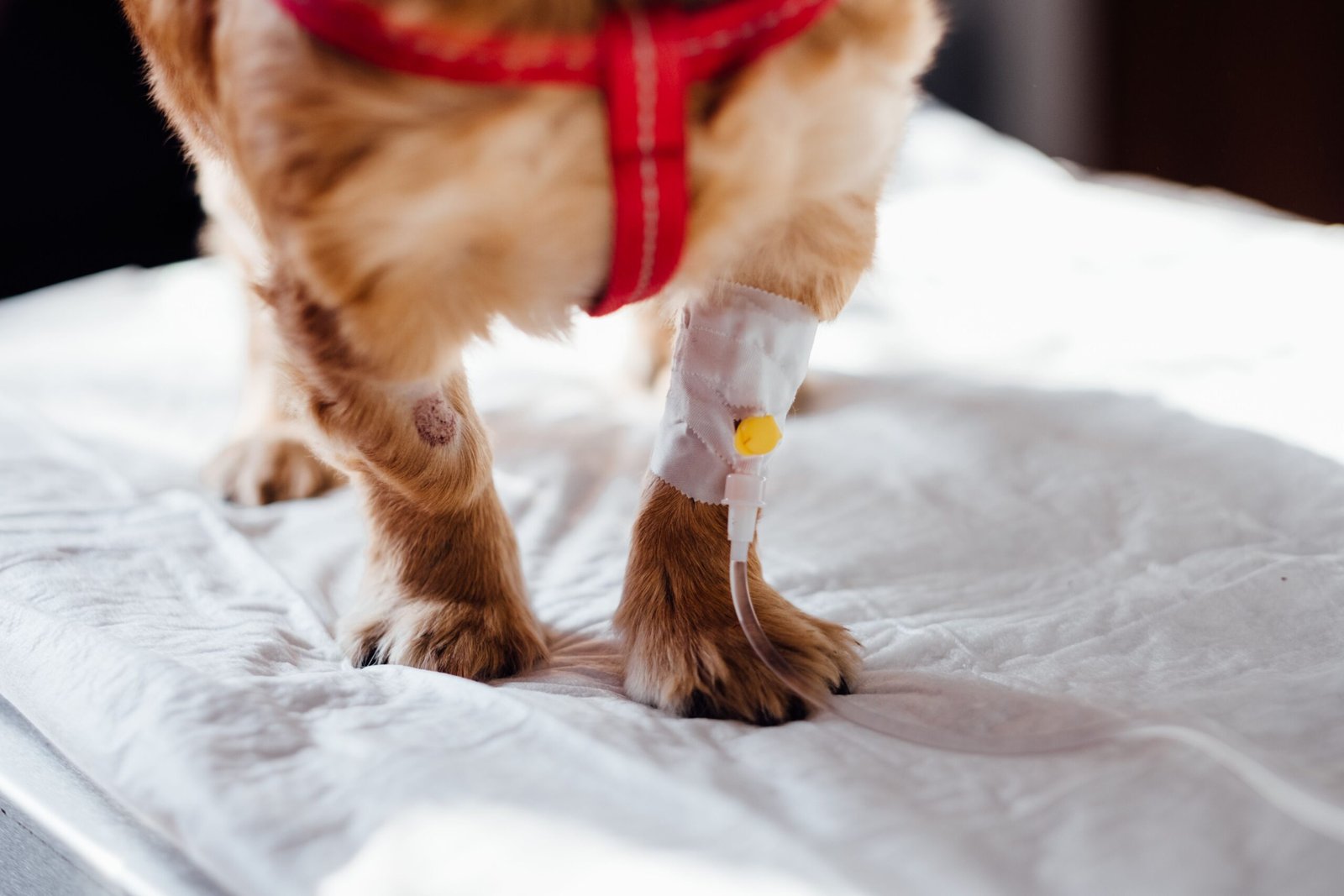
Trilostane, sold as Vetoryl, is the treatment of choice for most dogs and the only drug approved for both forms. It is a capsule given with food that lowers cortisol production. Mitotane is an older alternative that needs careful monitoring. Surgery to remove the gland may suit a dog with an adrenal tumor. For large pituitary tumors, a limited number of referral hospitals offer radiation or pituitary surgery.
The dose is adjusted by testing, which keeps it from being too low or too high. Expect a recheck 10 to 14 days after starting and after every dose change. Once the dose is settled, rechecks come at 30 days, 90 days, and then every 3 months, each with an exam and bloodwork. Your notes at home count too, because clinical signs guide dose changes. Keep track of how much your dog drinks, eats, and pants.
Plan for a running cost: capsules for life, plus those rechecks. Ask your clinic what a month of capsules and a recheck with bloodwork cost, because both bills repeat.

The Long-Term Outlook
Once the dose is right, thirst, urination, appetite, panting, and energy usually improve within a few weeks. Skin and coat can take several months. Cushing’s can bring complications such as high blood pressure and blood clots in the lungs, and about 10 percent of affected dogs also have diabetes mellitus.
Life expectancy depends on the form and the treatment. For the pituitary form on medication, average survival is 2 to 2.5 years. Dogs with an adrenal tumor average about 1 year on medication alone and 1.5 to 4 years when the tumor can be removed, though that surgery carries real risk. Many dogs are already seniors at diagnosis, so treatment’s main job is easing the thirst, hunger, panting, and skin problems.
When Does Cushing’s Disease Become an Emergency?
Cushing’s disease itself progresses slowly and is not usually an emergency. The urgent risk comes from treatment. Trilostane can drop cortisol too far at any dose. Stop the medication and contact your vet immediately if you see vomiting, diarrhea, lethargy, reduced appetite, weakness, or collapse.
See a vet now: sudden collapse, repeated vomiting, severe weakness or lethargy, or refusing food in a dog taking Cushing’s medication can signal a dangerous drop in cortisol. Hold the next dose and call your vet immediately.
Was the article helpful?