

AST sits mostly in two places, muscle and the liver, and that split is what makes a flagged AST on your dog’s blood chemistry results tricky to read. A high value means that cells somewhere in the body have been disrupted. The number alone cannot tell you whether the cause was a strained muscle, a rough blood draw, or real liver trouble. The rest of the bloodwork, and a recheck, usually can.
AST alta en perros and AST elevado en perros describe the same lab finding. Because AST also comes from muscle, your veterinarian may consider muscle injury and a creatine kinase result alongside liver tests instead of treating AST alone as proof of liver disease.
What AST Is and Where It Comes From
Aspartate aminotransferase, or AST, is an enzyme, a protein that speeds up a chemical reaction inside cells. Its job is moving nitrogen between amino acids, part of how cells turn protein into energy and building material. Despite showing up on liver panels, AST is not a liver enzyme in the strict sense. Skeletal muscle holds the highest concentration, followed by the liver and heart muscle, and red blood cells carry enough that breaking them open can raise the blood level.
A healthy dog always has a little AST in the blood, because cells age and are replaced all the time. The test measures how much has escaped into circulation at the moment the sample was taken. When cells are injured or stressed, their membranes start to leak, more AST gets out, and that is what the lab flags.
What a High AST Does and Does Not Tell You
A high AST means cell injury, not necessarily permanent damage. The rise can be mild and gone within weeks, or it can be the first sign of an ongoing problem, and the value alone does not say which.
ALT, the more liver-focused enzyme, is the first thing to check. When AST is high and ALT is normal, a source outside the liver, most often muscle, becomes the leading suspect, though there are clinical exceptions. When both rise together, the liver moves up the list.
The clearest muscle clue is creatine kinase (from the Greek kreas, “flesh,” and kinein, “to move”), an enzyme found mainly in muscle. AST climbing alongside it points strongly at muscle injury, and in dogs a muscle source tends to push AST up proportionally more than ALT. AST also lingers in the blood longer than creatine kinase, so it can still be high after creatine kinase has already returned to normal.
The size of the rise gives a sense of scale, not of outcome. Labs grade AST increases against the upper reference limit: 2-3x the limit is mild, 4-5x is moderate, and more than 10x is marked. A mild or moderate rise can come from something as ordinary as hard exercise or a minor muscle strain. At the other end, a severe, sudden liver injury can drive AST 10-30x above normal within the first 3 days. Even then, the trend over the following weeks says more than the first number.
Why AST Goes Up, and What You Might Notice
Every cause comes back to the same event: a cell membrane that has started to leak. Liver cells and muscle cells leak when they are inflamed, injured, poisoned, or short of oxygen. These are the usual reasons a dog’s AST goes up, from the serious to the mundane:
- 01
Liver injury
Inflammation, infection, toxins, or reduced blood flow damaging liver cells
- 02
Muscle injury
Trauma, inflammation, or degenerative muscle disease, usually with creatine kinase rising too
- 03
Heatstroke
Liver enzymes were raised in most dogs with heatstroke, and creatine kinase often climbs as well
- 04
Medications and toxins
Anticonvulsants such as phenobarbital, some chemotherapy drugs, xylitol, and death cap mushrooms
- 05
Hard exercise
Prolonged endurance work raised AST in healthy racing sled dogs
- 06
Blood draw and injections
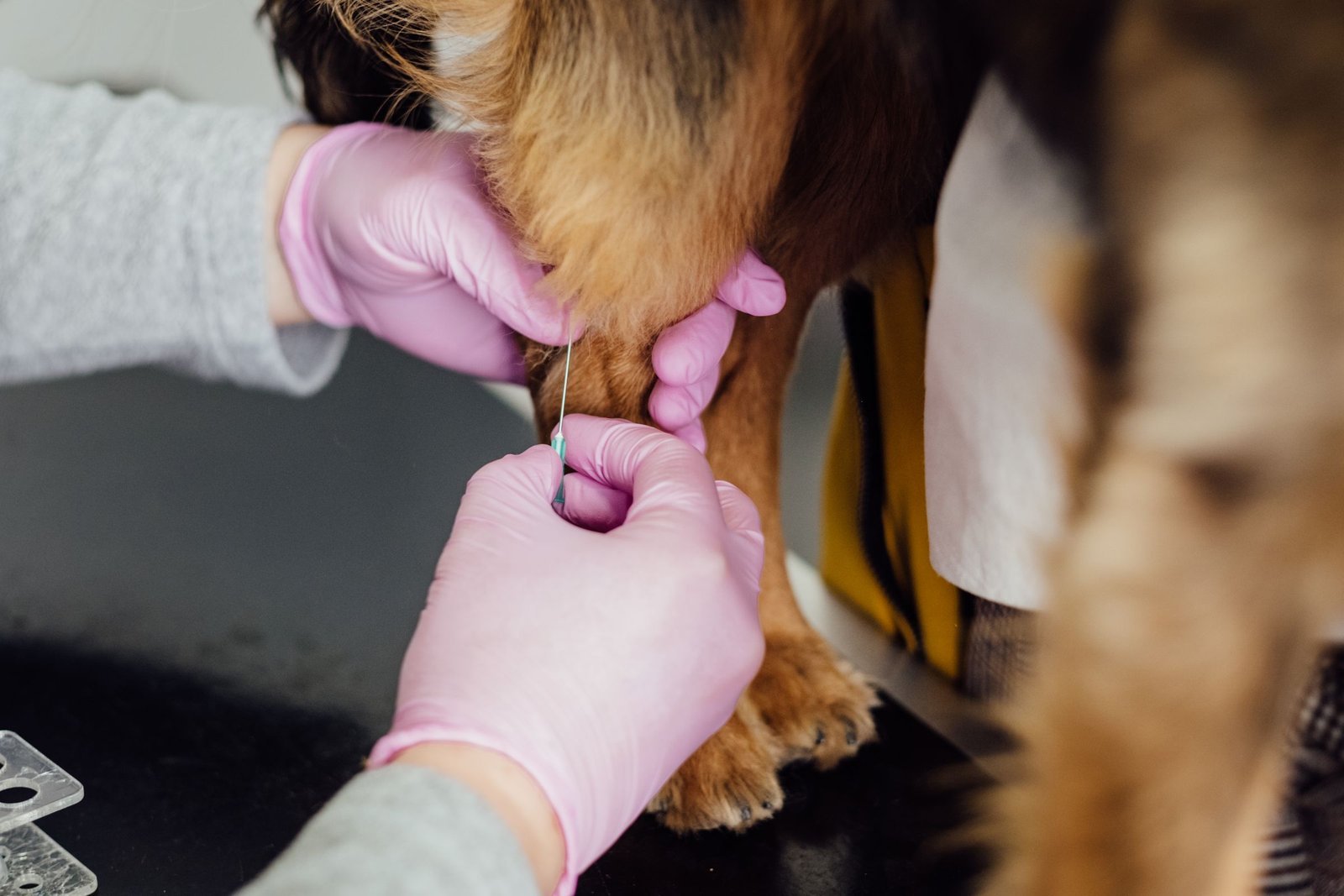
A difficult draw that bruises muscle or breaks red cells, or a recent injection into a muscle
What you see at home depends on the cause, not on the AST number. When the liver is involved, liver disease can cause loss of appetite, vomiting, diarrhea, increased thirst and urination, weight loss, or jaundice. Jaundice shows up as a yellow tinge to the gums, skin, or whites of the eyes. Muscle problems look different: stiffness, weakness, reluctance to move, or pain. Many dogs with a mildly raised AST show nothing at all, which is why it so often turns up on routine screening bloodwork.
A flagged AST in a dog that is eating, playing, and went on a long hike the day before is a very different conversation from the same number in a dog that has stopped eating. If your dog is also sick, do not wait for a scheduled recheck. Acute liver failure needs immediate veterinary care to support the liver while it recovers. A known exposure to a toxin such as xylitol or a medication overdose means calling your veterinarian immediately.

What Your Vet Will Look At Next
A single AST value is never read on its own, and your veterinarian will look at it as part of the full liver panel. ALT, alkaline phosphatase, bilirubin, and albumin together describe how the liver is doing, while creatine kinase shows whether muscle is involved. A complete blood count can show inflammation or anemia, and a urinalysis adds information about the kidneys and metabolism.
Abdominal ultrasound shows the liver’s structure. Bile acid testing helps measure how well the liver is actually working. If muscle disease is the concern instead, more blood markers or, occasionally, a muscle biopsy may follow. Your veterinarian will also weigh your dog’s age, breed, medical history, medications, lifestyle, and exam findings, because a lab value only gains meaning within the full clinical context.
Timing matters as much as any single test. AST has a half-life in dogs of only about 22 hours, so it clears quickly once the injury stops. After an acute liver injury settles, AST drifts back down over 2-3 weeks. That is why repeating the blood test in two to four weeks is so useful. A normal result on recheck means the original cause was probably short-lived. A value that is still high or climbing points to ongoing cell injury, and that is when further investigation makes sense. Until then, there is rarely a reason to change the food or add a liver supplement, because either can blur what the recheck shows.

Was the article helpful?