

Liver support products sell well because high liver enzymes on a dog’s bloodwork are frightening and a capsule is something a worried owner can do today. The answer most dogs need is less satisfying. A liver supplement earns its place when the dog is clinically stable, the elevation has been confirmed on a repeat test, and the workup has not turned up a cause worth treating directly. Outside that window it is premature, or it stands in for what would actually help.
That is the short answer. The caveats that move it are worth reading in order, because the commonest reason a supplement disappoints is that the number it was bought for was never a liver problem.

The Evidence Behind the Capsule Is Thinner Than the Label
Most liver support products aim to reduce oxidative stress, stabilize cell membranes, and assist the liver’s own detox pathways, which is a different claim from cleansing. The liver already clears waste for a living, and nothing in a capsule scrubs it clean.
The honest position on evidence is that it is thin. For the common ingredients, S-adenosylmethionine, milk thistle extracts, and vitamin E, no strong clinical evidence of benefit exists in dogs with liver disease. What support there is comes from mechanism and small studies, and quality and formulation vary widely between products. Some dogs show better enzyme trends on these products and others do not. When one does help, the change is gradual: a falling ALT over weeks, or an ALP that stops climbing, counts as a result even when the numbers never look perfect.
It is also easy to credit a supplement for an improvement that was coming anyway. Mild elevations often settle once a triggering medication is stopped, a diet is changed, an infection or hormonal disease is treated, or enough time passes after a short-lived insult. A supplement may help the liver cope with a stressor. It does not remove the stressor, and that is the part that changes outcomes.

The Number May Not Be About the Liver at All
Liver enzymes are proteins that spill into the blood when certain tissues are irritated, injured, or stimulated. Some rise when liver cells leak, others when bile flow slows or backs up, and a few come from tissues outside the liver altogether, which is why the whole panel matters more than any single number.
Think of them as smoke rather than fire: they say something happened, not what caused it or how bad it is. That is why one dog can carry strikingly high enzymes and feel normal while another with a mild rise is quite sick. How liver disease actually shows up in dogs is a much bigger picture than the enzyme numbers alone.
Which enzyme, and where it came from
ALT is the one most owners recognize. It rises when liver cells leak because of inflammation, toxins, infection, poor blood flow, or metabolic strain, and the biggest jumps come with true cell death and inflammation. A higher number means more leakage, and it still does not name the cause. What an elevated ALT specifically indicates is its own question.
AST often tracks with ALT but is less specific to the liver, because muscle is full of it. A hard run, an injection into a muscle, trauma, or muscle inflammation can all push it up. An AST rise with a normal ALT points away from the liver and toward muscle, and a muscle enzyme on the same panel usually settles it.
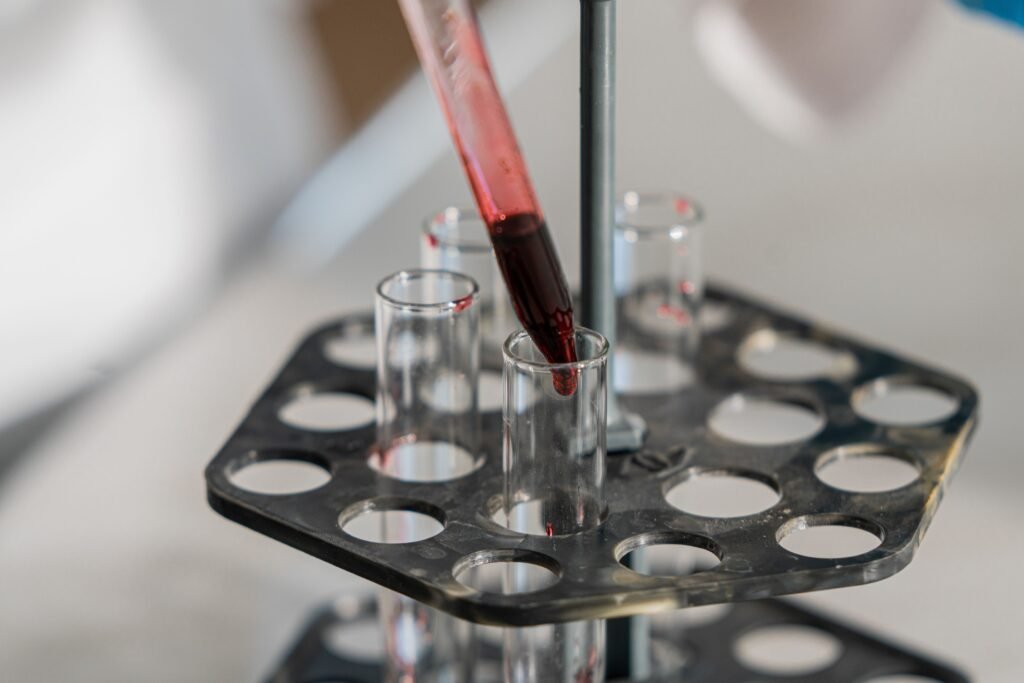
ALP rises when the bile system is stimulated. Bile duct irritation and gallbladder disease do that, but so do steroids and phenobarbital, the body’s own steroid hormones in Cushing’s disease, and ordinary aging changes in some older dogs. No wonder it is often the enzyme that looks most dramatic while the dog feels fine. An isolated ALP elevation usually earns a calmer workup than a mixed pattern, and a closer look at what to expect with high ALP walks through it.
GGT is the other bile-associated enzyme. In dogs it is less sensitive than ALP but more specific. When both are high, vets think more seriously about cholestasis (from the Greek chole, “bile,” and stasis, “standing still”), meaning reduced bile flow. When ALP is high and GGT is normal, the cause can still be biliary, but there is more room for a drug or hormone effect, with the caveat that steroids can nudge GGT up too. That is a hint, not a rule.

Irritation is not failure
Enzyme measurements are not liver function tests. They reflect leaky or dying cells, backed-up bile, or a drug effect, and high enzymes do not usually mean the liver is failing. Failure is the liver no longer doing its jobs: making proteins, regulating glucose, processing waste, clotting. Enzymes measure none of that. To judge function, your veterinarian looks at bilirubin, albumin, cholesterol, glucose, urea nitrogen, and clotting times, and bile acid testing helps in specific situations. The broader primer on how these tests fit together covers it.
A dog with high enzymes and normal function tests often has a liver that is stressed but still working, and that changes the urgency more than the size of the number does. A bright dog who is eating and behaving normally leaves room to be methodical. That is not the same as ignoring the result; it means the next step gets chosen rather than reacted to.

A Few Dogs Should Not Be Waiting for a Recheck
The number itself is rarely the emergency. The dog is. Whatever the exact lab values say, these are the emergency signs vets watch for, and any one of them is urgent and means same-day care:
- 01
Collapse or sudden weakness
Going down, or suddenly unable to stand
- 02
Repeated vomiting
More than one episode in a short time
- 03
Severe lethargy
Barely responding and unwilling to get up
- 04
Obvious abdominal pain
A hunched posture, or flinching when the belly is touched
- 05
Yellow gums or eyes
A yellow tinge to the gums or the whites of the eyes
- 06
Trouble breathing
Fast or labored breathing while at rest
- 07
Black, tarry stool
Dark, sticky stool, which can mean bleeding in the gut
- 08
Uncontrolled bleeding
Bleeding that does not stop with pressure
None of that is a reason to buy a supplement faster. In a collapsing, jaundiced, or bleeding dog the useful intervention is a diagnosis.

When a Supplement Is Reasonable, and When It Is a Distraction
A supplement becomes more reasonable when enzymes stay elevated on repeat testing, the dog is clinically stable, and the initial screening does not suggest advanced disease. There, supportive care paired with monitoring is a sensible bridge while you watch for improvement or decide on deeper diagnostics. Supportive does not mean trivial, but the supplement is the smaller half of the plan and should never replace a medication review, a careful history, and a plan for follow-up testing if the elevations persist.
It becomes a distraction at both ends of the scale. At one end are clear clinical signs, rising bilirubin, low albumin, abnormal clotting, fluid in the abdomen, or imaging showing significant structural disease. Time matters there, and a supplement can create the false sense that something is being treated when the real need is a diagnosis. At the other end is a mild, clearly transient rise, such as a small ALT bump after a short course of medication already being stopped. Sometimes the best plan is simply to recheck.

What Moves Liver Numbers More Than a Capsule Does
The liver is a metabolic hub, so diet quality, calorie excess, and rapid weight change all affect its workload. Obese dogs had higher ALP and overweight dogs had higher GGT than lean dogs, though values stayed within reference ranges, along with lower blood flow through the liver. The researchers read those changes as a possible early sign of liver stress, present before any symptoms appeared.
Diet changes should match the suspected problem, not the general idea of being gentler. A dog with suspected bile issues needs a different approach from one with inflammatory liver disease, and both differ again from a dog whose enzymes are probably medication-related. Matching the diet to the actual pattern matters more than making big changes before you know what you are aiming for.
One quiet, high-yield step is consistency before the recheck. Change three things at once and you lose the trend, which is what the recheck is for. Monitoring is not repeating the same panel forever either. It means an interval that fits the level and pattern of the elevation, a few weeks for most dogs, sooner if values are very high, later if mild and stable, and deciding in advance what you will do with the result.
Trends are the language here. Improving values suggest the trigger has passed or is being managed. Stable values can be acceptable in some chronic situations when function tests and the dog’s comfort are fine. Worsening values, or a widening pattern that pulls in bilirubin or proteins, mean it is time to escalate.
An ALT that stays high without explanation for more than about two months deserves the same escalation. That pattern is the best available screening signal for early chronic hepatitis, and it is the point where a deeper workup should replace another round of watching. Numbers matter, but whether your dog feels normal matters more.

Was the article helpful?