
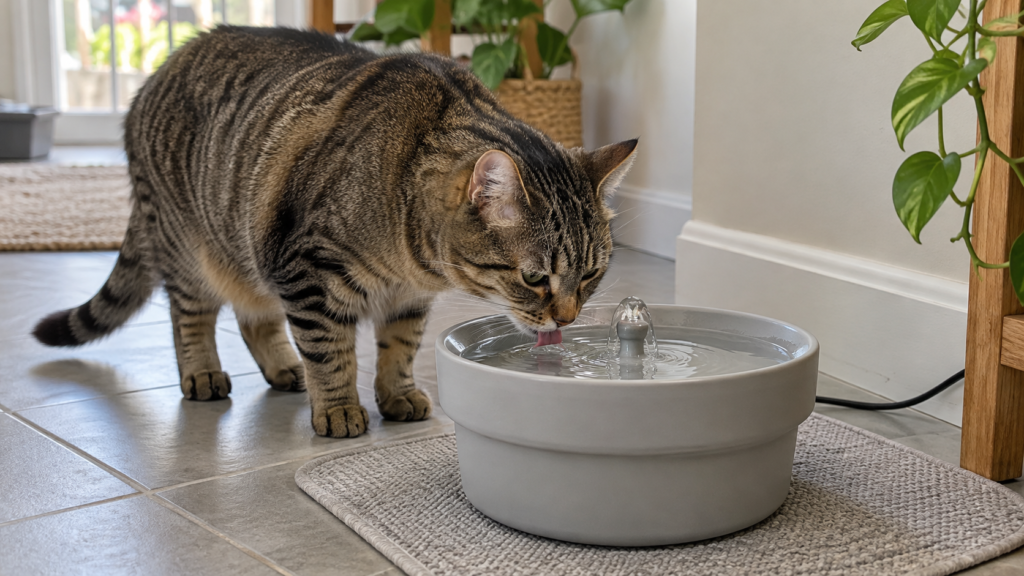
You fill the water bowl and realize you did the same thing yesterday. The litter clumps are bigger than they used to be, and your cat feels a little lighter when you pick her up, even though she still eats. Drinking more, peeing more, and slowly losing weight on a normal appetite are the signs of kidney failure in cats that owners notice first. They show up late because a cat’s kidneys are built with room to spare, so filtering tissue can be lost quietly for years before the water bowl, the litter tray, or a blood test shows anything.
Chronic kidney disease is one of the most commonly diagnosed diseases in older cats, and it builds over months or years, which is why that slow picture covers most cats. Two situations are different, and neither can wait. Acute kidney injury arrives within days, and sudden vomiting, refusal to eat, or collapse in a cat that was fine last week is an emergency from the first phone call. A cat straining in the litter box with almost nothing coming out has a different problem that can look like kidney trouble, and it needs care within hours.
Why Kidney Disease Stays Hidden for So Long
Cats are private about illness, a survival instinct left over from being both predator and prey. They rarely show discomfort the obvious way dogs do, and the kidneys hide problems too, because they have so much spare capacity.
The kidneys start to lose the ability to concentrate urine after roughly two thirds of the filtering units are gone. Blood creatinine usually does not rise until about 75 percent of kidney function is lost. SDMA, a newer kidney blood marker, moves earlier. It can flag kidney disease when around 40 percent of kidney function has already been lost. Routine senior bloodwork catches many cases inside that gap, before an owner notices anything at home.
Chronic kidney disease affects up to 40 percent of cats over 10 and 80 percent of cats over 15. That is why the recommended schedule for senior cats is a checkup at least every six months, with a blood panel, a urinalysis, and a blood pressure check as part of the screening. If your cat is over 10 and has not had bloodwork in the past year, that is the appointment I would book first.
How the Signs Build, From Extra Thirst to Poor Appetite
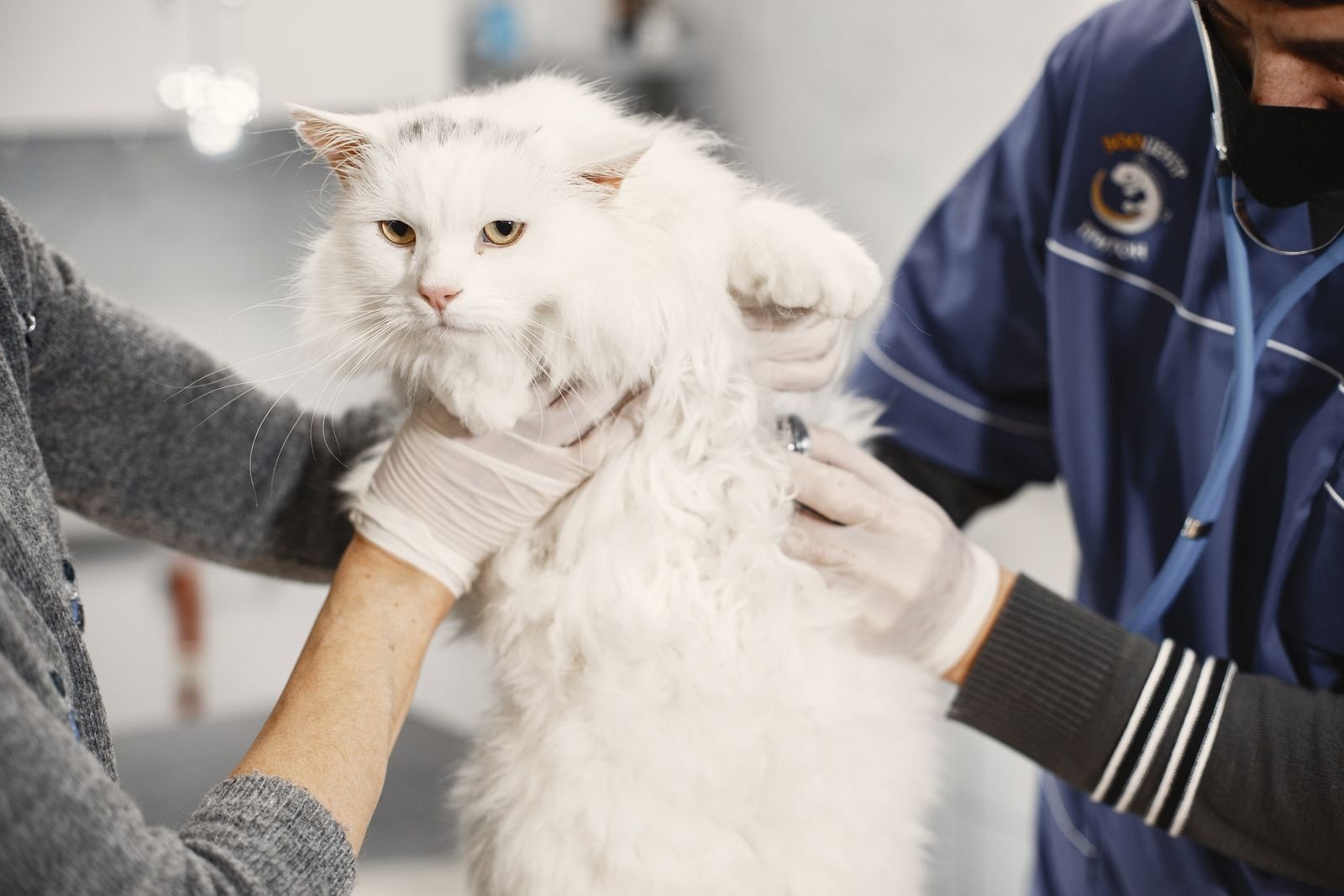
The earliest signs are subtle enough that most owners only recognize them looking back. Increased thirst and peeing is usually the first real tip-off, and it follows from the kidneys losing their ability to concentrate urine. A healthy cat can concentrate urine well above a specific gravity of 1.035. Damaged kidneys cannot, so water goes in and dilute urine comes straight back out. Blood alone cannot show that, so your vet asks for a urine sample as well.
Slow weight loss is the other early clue, and it happens while the cat is still eating normally. A 2016 Journal of Veterinary Internal Medicine study led by Freeman and colleagues followed 569 cats with chronic kidney disease and found that weight loss was already measurable three years before diagnosis. Those cats lost a median of 8.9 percent of their body weight in the 12 months before diagnosis, at a median age of just under 15 years. That is a long head start for any owner who is tracking weight. A coat that looks less glossy or slightly unkempt fits the same slow picture.
Weigh your cat on the same scale every few months and write the number down, because the trend is what gives this away, not any single reading. None of these signs alone confirms kidney disease, but noticing two or more together is a good reason to schedule bloodwork.
As kidney function drops further, appetite starts to go, and some cats become noticeably more lethargic or less interested in play and grooming. Vomiting becomes more frequent, although frequent vomiting in cats has plenty of other causes too. Bad breath with a chemical or ammonia-like odor can develop as waste products build up in the blood, and some cats get mouth ulcers in advanced kidney disease that make eating uncomfortable.
Dehydration often becomes visible too. You may notice skin that is slower to spring back when you gently lift it, or gums that feel tacky rather than moist.
When to Call Your Vet Soon
Contact your veterinarian promptly, without waiting for a routine appointment, if you notice:
- 01
Drinking or peeing more
A clear increase in thirst or litter box use over days to weeks.
- 02
Steady weight loss
Weight you can feel or see coming off, even while your cat keeps eating.
- 03
Eating less
Reduced appetite lasting more than a day or two.
- 04
Bad breath
New or worsening breath odor, sometimes chemical or ammonia-like.
- 05
Repeated vomiting
Vomiting more than once or twice.
These signs do not automatically mean advanced disease, but they are a good reason for bloodwork and a physical exam sooner rather than later.
Sudden Kidney Injury in a Cat That Was Fine Last Week
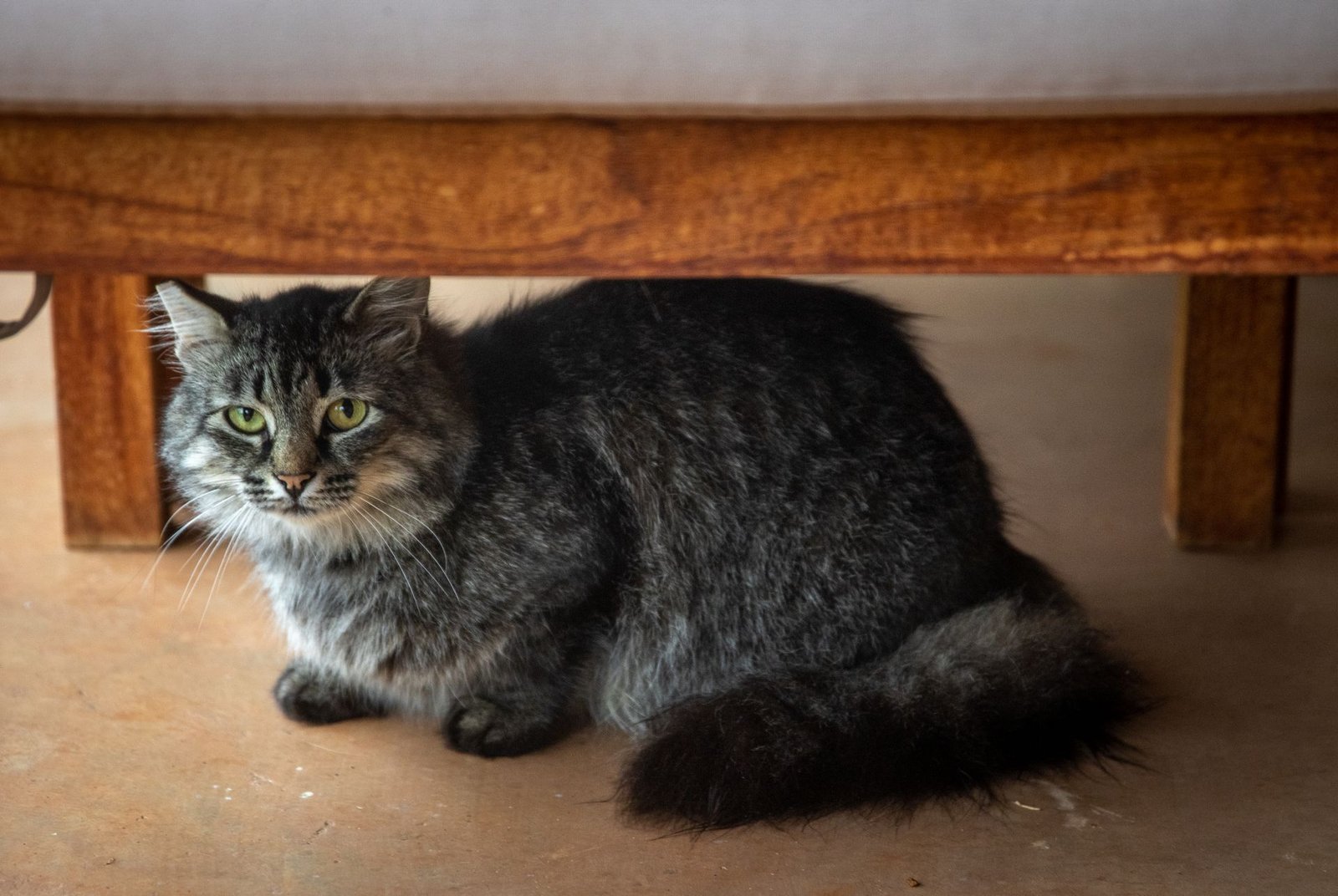
Everything above describes chronic kidney disease, which builds slowly enough to give you a trend to notice. Acute kidney injury gives you no trend, because it arrives within days, so the sudden change itself is the warning.
A cat who has completely stopped eating, is profoundly lethargic, collapses, or has seizures needs emergency veterinary care immediately. Those signs can mean a uremic crisis (from the Greek ouron, urine, and haima, blood), where the waste products the kidneys normally clear have built up to dangerous levels in the blood.
A Blocked Cat: Straining in the Litter Box Cannot Wait
Do not wait overnight on this one. A blocked cat is easy to mistake for a kidney problem, because both show up in the litter box, and that mistake is how hours get lost.
Straining in the litter box, crying while trying to pee, or producing very little pee is a separate emergency, and it is far more common in male cats. A urinary blockage is not kidney disease. It can look similar at first, but it moves much faster. Complete obstruction causes uremia within 36 to 48 hours and can be fatal within roughly 72 hours if it is not relieved. Do not wait until morning to see how it looks.
Confirming Kidney Disease With Blood, Urine and Blood Pressure
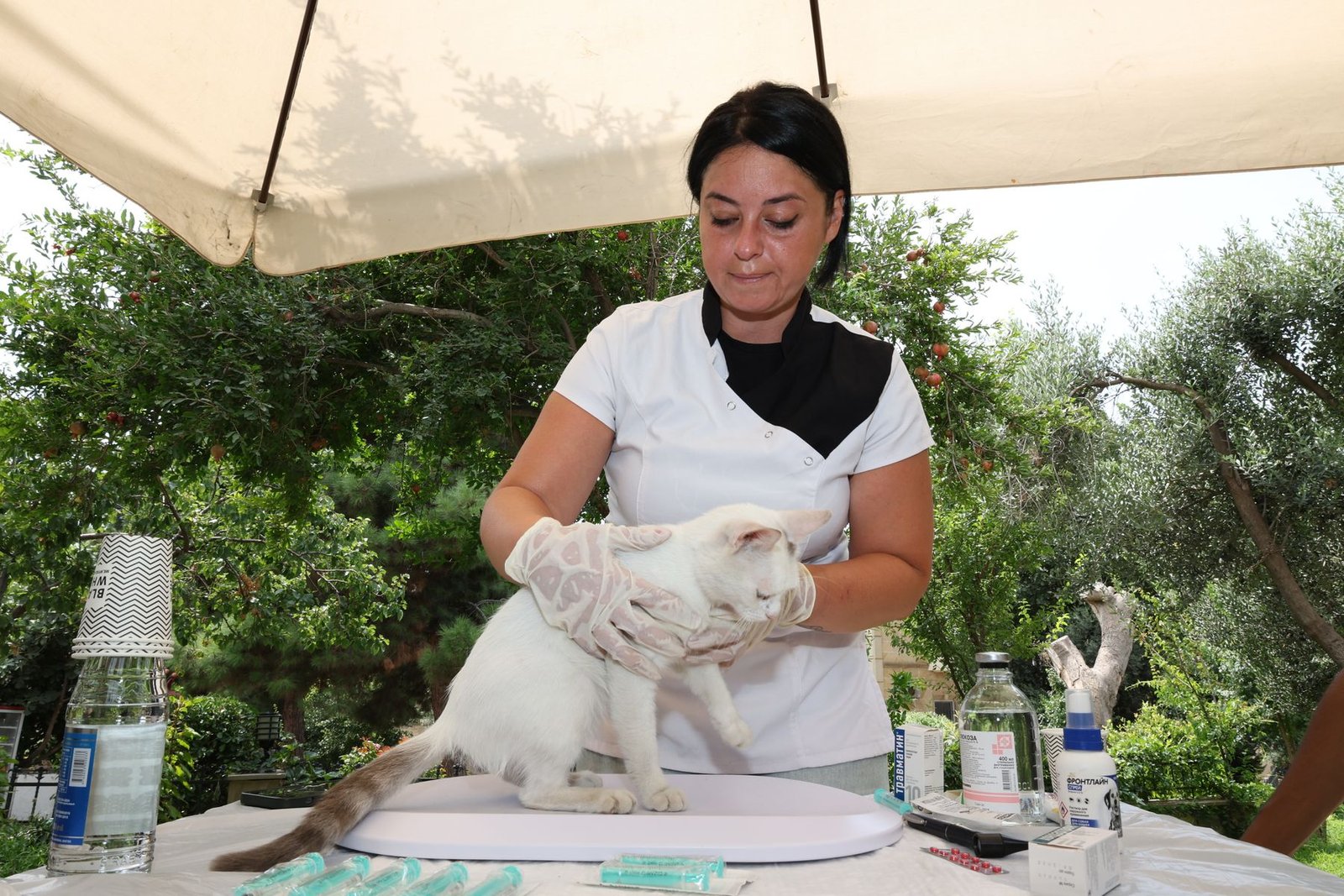
Signs at home tell your vet where to look, not what is wrong. Thirst, weight loss, and a fading appetite fit hyperthyroidism, diabetes, and several other conditions just as neatly as they fit kidney disease, so take the list to a veterinarian rather than using it to self-diagnose. If your cat is showing early signs, bloodwork is the next step, and there is no reason to panic on the way there.
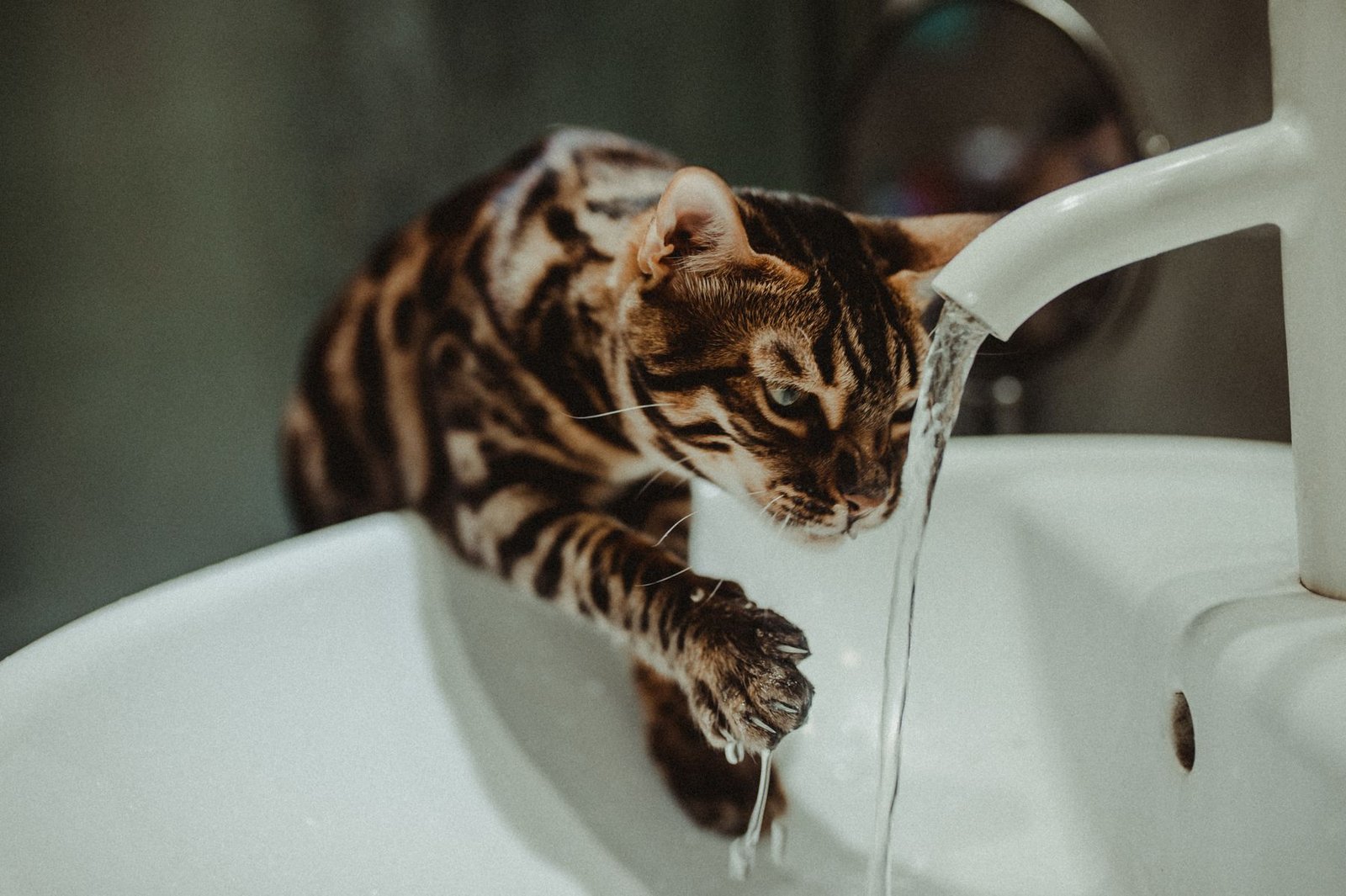
Confirming kidney disease takes bloodwork, including creatinine, SDMA, and BUN, three of the core values on a cat’s blood test results, alongside a urinalysis that shows whether the kidneys are still concentrating urine. Blood pressure gets checked too, since cats with kidney disease are also at risk for high blood pressure.
One abnormal result is a finding, not a diagnosis. Staging uses values measured on at least two occasions in a hydrated, stable cat, which is why your vet may want to repeat the panel before naming a stage. I would agree to the repeat rather than push for a label off one blood draw.
Staging, Survival and What to Bring to the Visit
The stage of kidney disease matters a great deal for what follows. Cats diagnosed at IRIS stage 2 have a mean survival of two to three years in many studies, while cats first diagnosed at stage 4 average less than six months. That gap is the reason to act on a dull coat and a lighter cat instead of waiting for something obvious. Write down when you first noticed the change and how it has moved since, and bring a weight history if you have one.
Was the article helpful?
Pingback: Hyperthyroidism in Cats: High T4, Kidneys, and Treatment