

Table of Contents
You are probably here because your cat’s results looked severely abnormal, or because your veterinarian used the word hospitalize. Here is the short answer on dangerous kidney numbers in cats. The severe end of the scale starts at a creatinine above 5.0 mg/dL or an SDMA above 38 µg/dL [IRIS]. What makes a result urgent, though, is rarely the number alone.
Most kidney disease in cats is slow and manageable, and this article is not about that. It is about the smaller group that needs same-day care. Either the values are severe, or the cat is sick alongside them.
Why Do We Talk About “Dangerous” Kidney Numbers Separately?
Most cats with elevated kidney values are in the early to moderate range. They feel relatively well and have real time to be evaluated calmly.
A single creatinine value does not say why it is high. Dehydration alone raises creatinine and BUN. That kind of rise usually resolves once the cat is rehydrated, as long as the kidney tissue is not damaged [Merck]. Sudden injury, long-standing disease and a urinary blockage can all produce the same number, and they lead to very different plans.
So urgency comes down to three things: how high the values are, how fast they got there, and how your cat is actually behaving.

What Creatinine and SDMA Levels Are Considered Severe?
Severely elevated kidney values in cats mean a creatinine above 5.0 mg/dL (440 µmol/L) or an SDMA above 38 µg/dL [IRIS]. That is stage 4, the top of the International Renal Interest Society scale. It generally reflects substantial loss of kidney function.
Stage 4 describes stable disease, though, not a crisis. The staging system is built on fasting creatinine or SDMA. Those are measured on at least two occasions in a hydrated, stable patient [IRIS]. One severe result from a sick, dehydrated cat in the exam room is a reason to act now, not a stage to settle on.
How fast a value moved can matter more than how high it is. A rise of 0.3 mg/dL (26.4 µmol/L) or more within 48 hours counts as acute kidney injury. That holds even while the value is still inside the normal range [IRIS]. A rapid change points toward acute injury or a blockage rather than stable chronic disease.
What Does a Uremic Crisis Look Like?
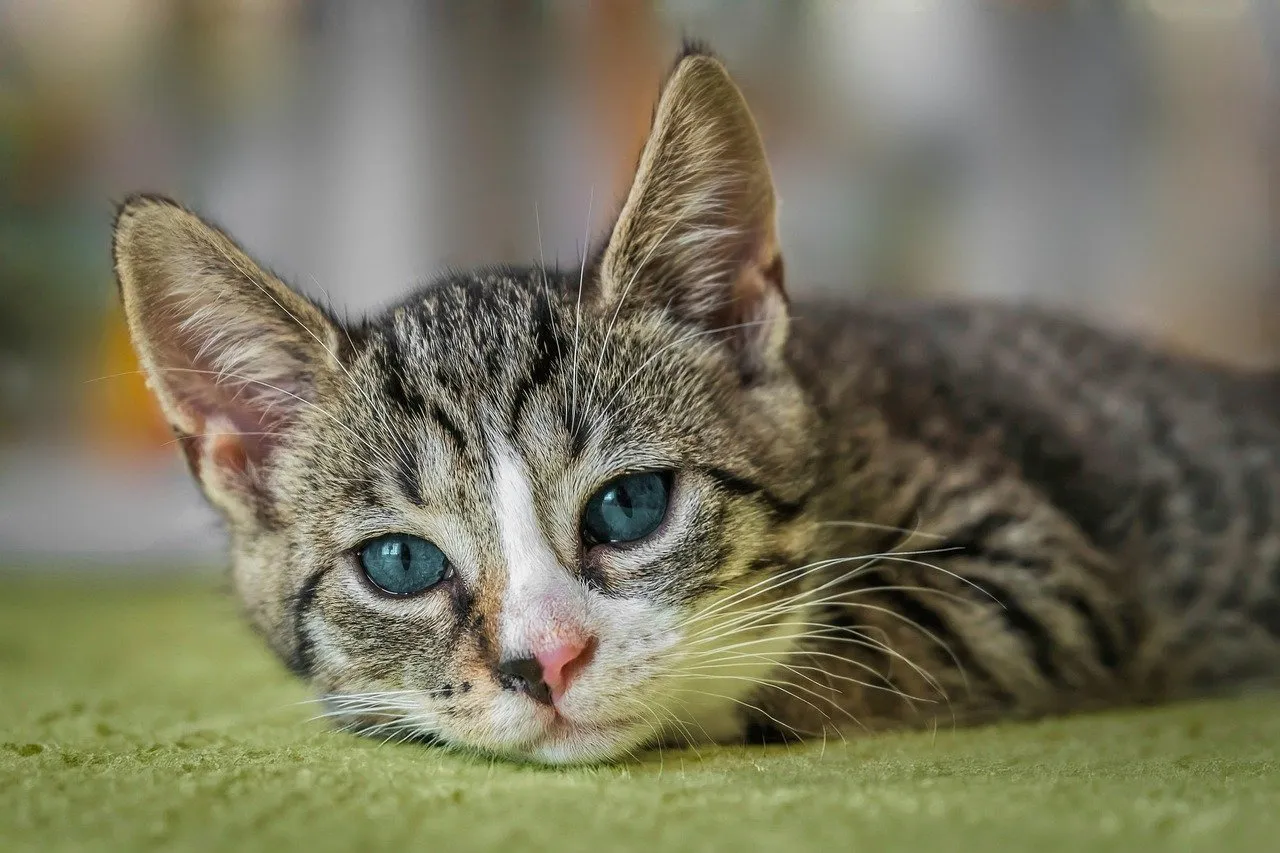
A uremic crisis happens when waste products build up in the blood to a level that makes a cat visibly and significantly unwell. Uremia usually begins with occasional vomiting and lethargy before it looks dramatic [Merck]. That is part of why the early stage gets missed.
Signs include complete loss of appetite, profound lethargy, repeated vomiting, mouth ulcers, a strong ammonia-like breath odor, and in advanced cases, disorientation or seizures.
A cat showing several of these signs together needs prompt veterinary evaluation, and if seizures or collapse are present, this is an emergency.

What Other Findings Make Kidney Numbers More Urgent?
Certain companion findings raise the urgency beyond the number alone, and potassium is the one to ask about first. It climbs when a cat cannot pass urine. Above roughly 7 mmol/L it becomes urgent in its own right, because high potassium slows the heart and can trigger dangerous rhythms. Close to half of blocked cats arrive with high potassium, and about a third of them have an arrhythmia [Clinician’s Brief].
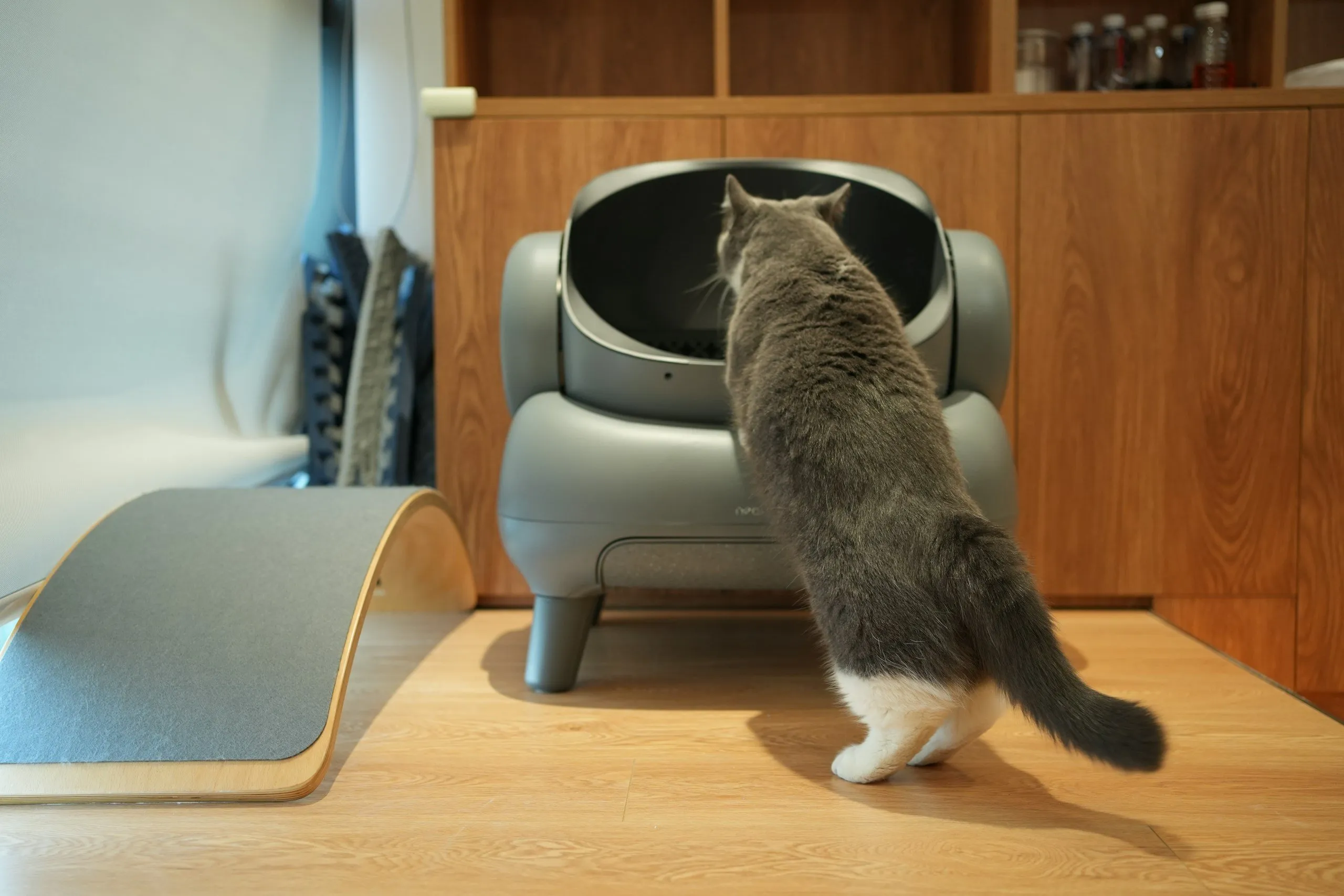
A urinary blockage is always an emergency, whatever the creatinine looks like in isolation, because the blockage itself is immediately life-threatening. It is far more likely in male cats, whose urethra is longer and narrower [Today’s Veterinary Practice]. A cat straining in the litter box and producing nothing should be treated as blocked until a veterinarian proves otherwise.
Severe dehydration and very low blood pressure alongside high kidney values also raise the level of concern. Poor blood flow pushes these values up by itself. It fully resolves only if the kidney tissue is not already damaged [Merck].
Which Signs Mean I Should Go to the Vet Right Now?
Seek emergency veterinary care immediately if your cat has any of the following: repeated vomiting with an inability to keep water down, complete loss of appetite lasting more than a day in a cat with known kidney disease, straining to urinate or producing very little urine, seizures, collapse, or profound weakness. These signs, combined with known or suspected high kidney values, should never wait for a routine appointment.

How Do Veterinarians Manage a Dangerous Kidney Number?
Severe or rapidly rising kidney values are typically managed with hospitalization, intravenous fluids, and close monitoring of electrolytes, particularly potassium. The immediate goal is stabilizing your cat and working out whether an acute, reversible cause is involved [Merck].
| Finding | Why it raises urgency |
|---|---|
| Rapid rise in creatinine or SDMA over days | Suggests acute injury, which is time-sensitive |
| Severely high potassium alongside kidney values | Can directly affect heart rhythm |
| Inability to urinate | Reflects a possible urinary blockage; emergency |
| Seizures, collapse, or complete appetite loss | Suggests a uremic crisis |
Once your cat is stable, the focus shifts to the underlying cause and to repeating the values in a rehydrated cat. That repeat is the first honest look at how much kidney function is actually left.
What Happens Next After a Severe Kidney Result?
If your cat is showing any of the emergency signs described here, the next step is immediate veterinary care, not a wait-and-see approach. If values are severe but your cat is otherwise stable, your veterinarian will likely recommend hospitalization or close monitoring to manage the situation safely.
Bring any previous bloodwork and a clear timeline of when the signs started and how quickly they progressed. History and physical examination are frequently what separate an acute, more reversible problem from long-standing disease [Merck].
It is fair to ask about prognosis, and the answer depends on which of those two it turns out to be. Cats diagnosed with chronic disease at stage 4 survive less than six months on average. Cats diagnosed at stage 2 often live two to three years [Cornell]. A severe number caused by a reversible acute problem is a different conversation.
Further Reading
Cat Blood Test Results Explained is the pillar guide to the whole panel, useful for the broader context behind the values discussed here.
High Creatinine in Cats covers the everyday, non-emergency version of this value in more depth.
Stages of Kidney Disease in Cats explains how severity is staged and what each stage typically involves.
Signs of Kidney Failure in Cats is a useful companion for recognizing earlier, less urgent warning signs before they progress.
Was the article helpful?