
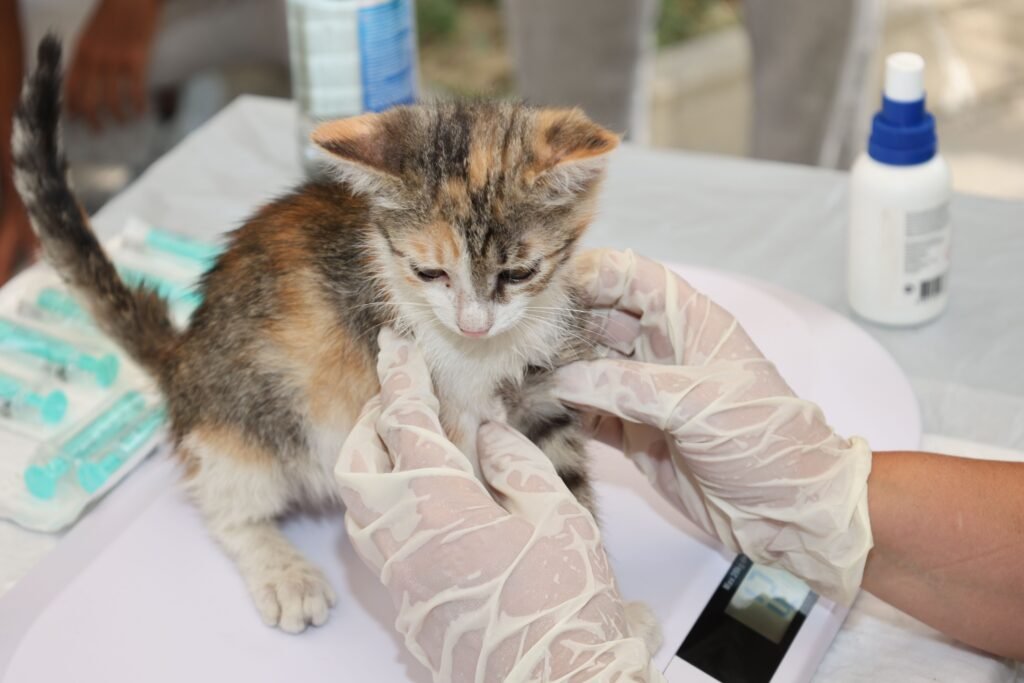
Your cat’s routine bloodwork came back with one line flagged: SDMA high, creatinine normal. When SDMA in cats rises on its own like that, the kidneys have lost some filtering capacity, but not enough for creatinine to show it yet. That is the earliest a routine blood panel can pick this up, and most cats with this result are still eating, drinking, and behaving normally when it turns up. The decision in front of you is not how to treat it but how to confirm it.
SDMA, short for symmetric dimethylarginine, is released into the blood as cells break down and rebuild proteins. The kidneys clear almost all of it, which is why its level tracks filtration closely. Blood creatinine usually does not rise until a cat has lost almost 75 percent of kidney function. SDMA can be detected at about 40 percent loss, catching a decline in kidney filtration long before creatinine would. In a tracked group of cats, SDMA rose above the normal limit a mean of 17 months before creatinine did, with individual cats ranging from 1.5 to 48 months.
A few things need sorting out before the number means much: muscle loss, the thyroid, what else on the panel or at home has changed, and whether a second sample agrees. The sections below take them in that sequence.
Why SDMA Still Works in a Thin Senior Cat
Creatinine measures the same thing by a different route, but it has a blind spot that SDMA does not, and the blind spot is worst in older, thinner cats. Creatinine is partly a byproduct of muscle, so a thin, muscle-wasted senior cat can post a comfortable-looking creatinine result while real kidney disease is present. Those are also the cats in whom kidney disease is most likely. SDMA should not be affected by changes in muscle mass, so it still means something in a cat who has been losing condition.
When an Overactive Thyroid Hides Kidney Disease
Thyroid disease is the reverse problem, because it can make SDMA the number that misleads. An overactive thyroid raises filtration, and many hyperthyroid cats have a low SDMA, under 10 ug/dL, which can hide kidney disease sitting underneath. The term comes from the Greek hyper, meaning excessive, and thyreos, the shield-shaped cartilage that gives the thyroid gland its name.
Among 262 hyperthyroid cats treated with radioiodine, 16 percent had kidney values in the abnormal range when rechecked at a median of 6 months. SDMA taken before treatment caught only a third of them, with sensitivity 33 percent and specificity 98 percent. In a hyperthyroid cat, then, a high SDMA is worth acting on, but a normal one is not enough to say the kidneys are fine, so ask whether the thyroid has been checked.
Reading a Mild Rise Alongside Other Results and Symptoms
SDMA rises for largely the same reasons creatinine does, since both reflect kidney filtration, and it tends to move first. That does not make every high SDMA kidney disease. At the usual cut-off it is about as sensitive as creatinine in cats but less specific, roughly 71 percent against 94 to 96 percent. In practice, that means one mildly raised SDMA throws more false alarms than a raised creatinine does. Add ordinary lab variation and you have the reason a mild rise gets confirmed on a second sample before anyone acts on it.
A mildly high SDMA with a completely normal creatinine in a senior cat is a common and useful early finding. It does not mean advanced disease. It means you have a head start. Cats usually show no signs until stage III or IV, when the kidneys are down to less than 25 percent of usual filtering capacity, so a cat who looks perfectly well is not evidence against the result.
SDMA deserves closer attention when it is markedly high, rises together with creatinine or BUN, or comes with symptoms. These are the usual kidney signs to watch for at home:
- 01
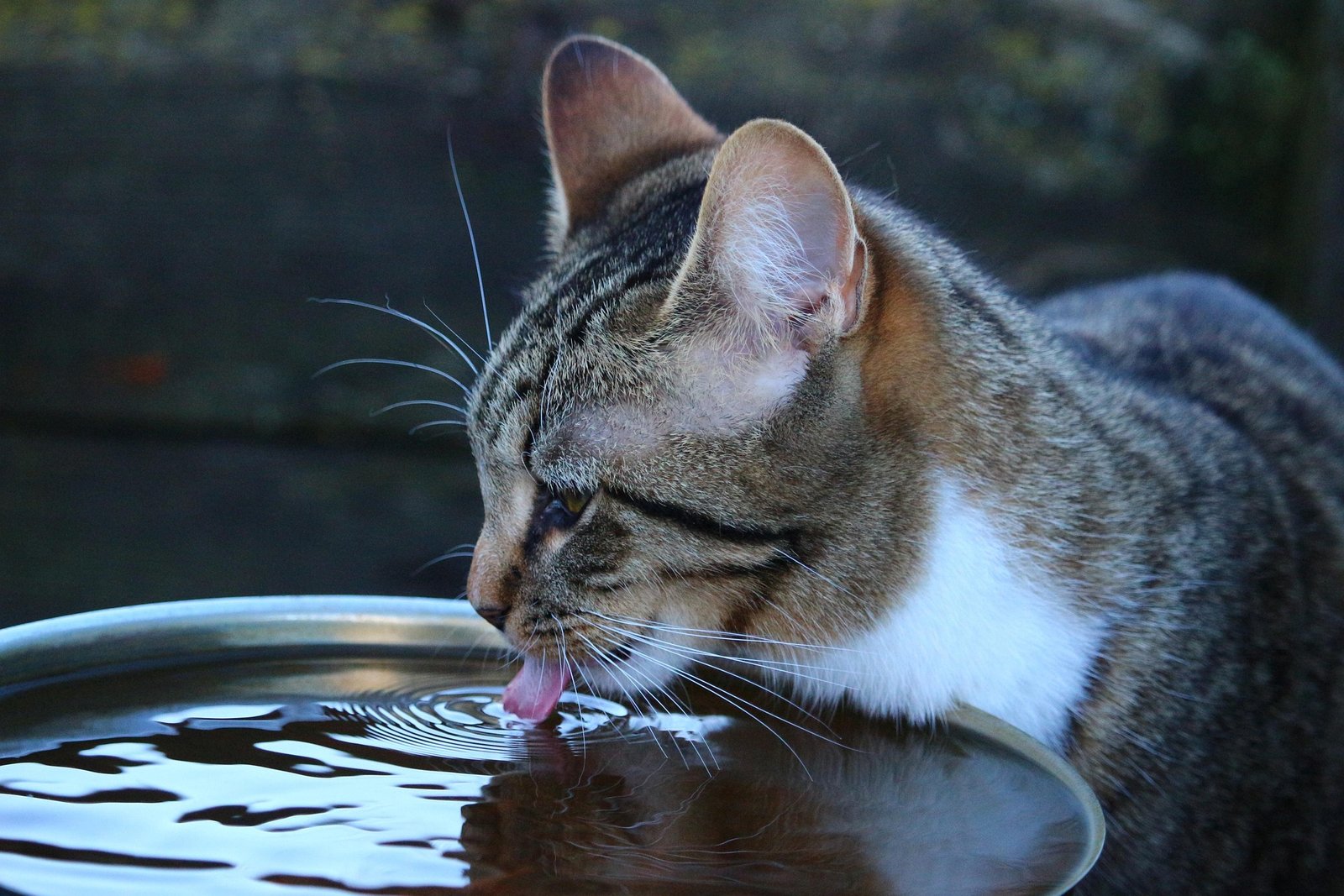
Increased thirst and urination
The water bowl empties sooner and the litter clumps get bigger.
- 02
Weight loss despite normal eating
Your cat still cleans the bowl but feels bonier along the spine.
- 03
Decreased appetite or vomiting
Food left in the bowl, or vomiting that keeps coming back.
- 04
Mouth sores or changed breath
Red, raw patches on the gums or tongue, or breath that smells different from usual.
- 05
A dull or unkempt coat
Fur that looks greasy, flaky, or matted where it used to be sleek.
If you notice these signs alongside a high SDMA, contact your veterinarian to discuss further evaluation and staging. A cat who has stopped eating entirely, is profoundly lethargic, or collapses is in a different situation. Alongside a high SDMA, that combination can reflect more advanced kidney disease, which does not wait for a recheck appointment, so go to the vet immediately.
Repeating the Test and Placing It in an IRIS Stage
One result is not a diagnosis. The usual next step is to repeat SDMA and creatinine in about two to four weeks, alongside a urine test. That is the interval IRIS uses to confirm a value and rule out quiet dehydration. If things look stable, rechecking roughly every three months follows the trend, and repeated values tell you far more than any single result. One mildly raised SDMA with a normal creatinine is an early signal worth following, not an urgent problem. If it stays high on the recheck, that confirms early kidney change worth actively managing, and it is the point where staging starts.
It is natural to ask whether anything at home will bring the number down. It may fall when dehydration or another temporary influence is corrected, but there is no safe home treatment that lowers SDMA directly. The useful goal is to identify and manage the reason it is high, then follow the trend.
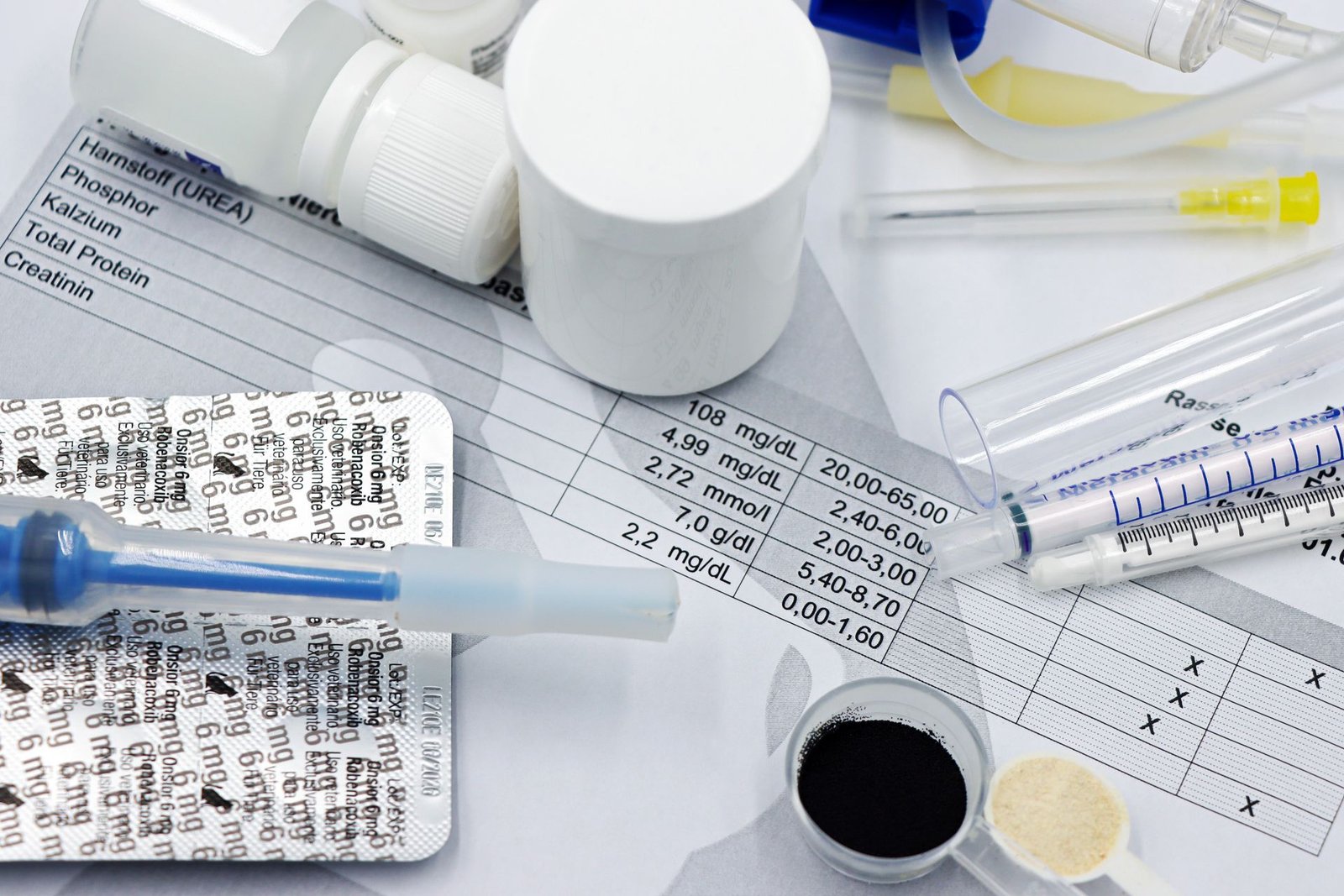
Vets read SDMA alongside creatinine, BUN, urine concentration, and your cat’s body condition. When SDMA is high but creatinine and urine concentration are still normal, that is the early picture the test was designed to find. SDMA now sits inside the international staging system for feline kidney disease. IRIS stages cats on fasting creatinine, fasting SDMA, or preferably both. A persistently raised SDMA above 14 ug/dL can be used to diagnose early chronic kidney disease under IRIS’s staging framework.
Confirming a lasting rise, then placing it into IRIS staging, is the standard next step. Staging is meant for a well hydrated, stable cat, and it uses blood measured on at least two occasions. It is not applied to one sample drawn on a sick day. If creatinine is still normal, below 1.6 mg/dL, but SDMA stays above 18 ug/dL, IRIS directs the vet to stage and treat that cat as Stage 2.
Why Catching It Early Helps
Once a rise is confirmed, your vet will usually start staging and talk about monitoring, and possibly diet, earlier in the disease than creatinine alone would have allowed. That head start is the argument for routine senior bloodwork that includes SDMA, even in cats who seem healthy. It works alongside the rest of a standard blood panel to catch decline early.
Was the article helpful?