
Your vet just asked for a cat urinalysis, and now you’re staring at a lab report full of numbers and abbreviations. A cat urinalysis is one of the most useful, least invasive tests in veterinary medicine, and it tells your vet things that bloodwork alone cannot.
This guide walks through what each part of the test measures, how the sample gets collected, and what an abnormal result usually means for your cat.
Quick answer: A cat urinalysis checks urine concentration, pH, protein, glucose, blood, and crystals, giving your vet a window into kidney function, urinary tract health, and metabolic disease that bloodwork can miss.
What Does a Cat Urinalysis Actually Check For?
A urinalysis has three parts: a physical check of color and clarity, a chemical strip that screens for things like protein and glucose, and a microscopic look at the sediment left after the sample is spun down. Between the three, it can flag kidney trouble, a urinary tract infection, bladder inflammation, or early diabetes.
Cats hide illness well, so urine often reveals a problem before a cat shows any outward signs. That makes this test a routine part of senior wellness visits, not just something ordered when a cat is already sick.
Why Would My Vet Recommend This Test?
Vets order a urinalysis for a few common reasons: a senior wellness exam, unexplained weight loss, increased thirst or urination, straining in the litter box, or blood-tinged urine. It is also a standard partner test whenever bloodwork shows an elevated kidney value like creatinine or SDMA.
A urinalysis and bloodwork are meant to be read together, not separately. A kidney value on blood work only tells part of the story; the urine’s concentration tells your vet whether the kidneys are actually doing their job.
How Is the Urine Sample Collected?
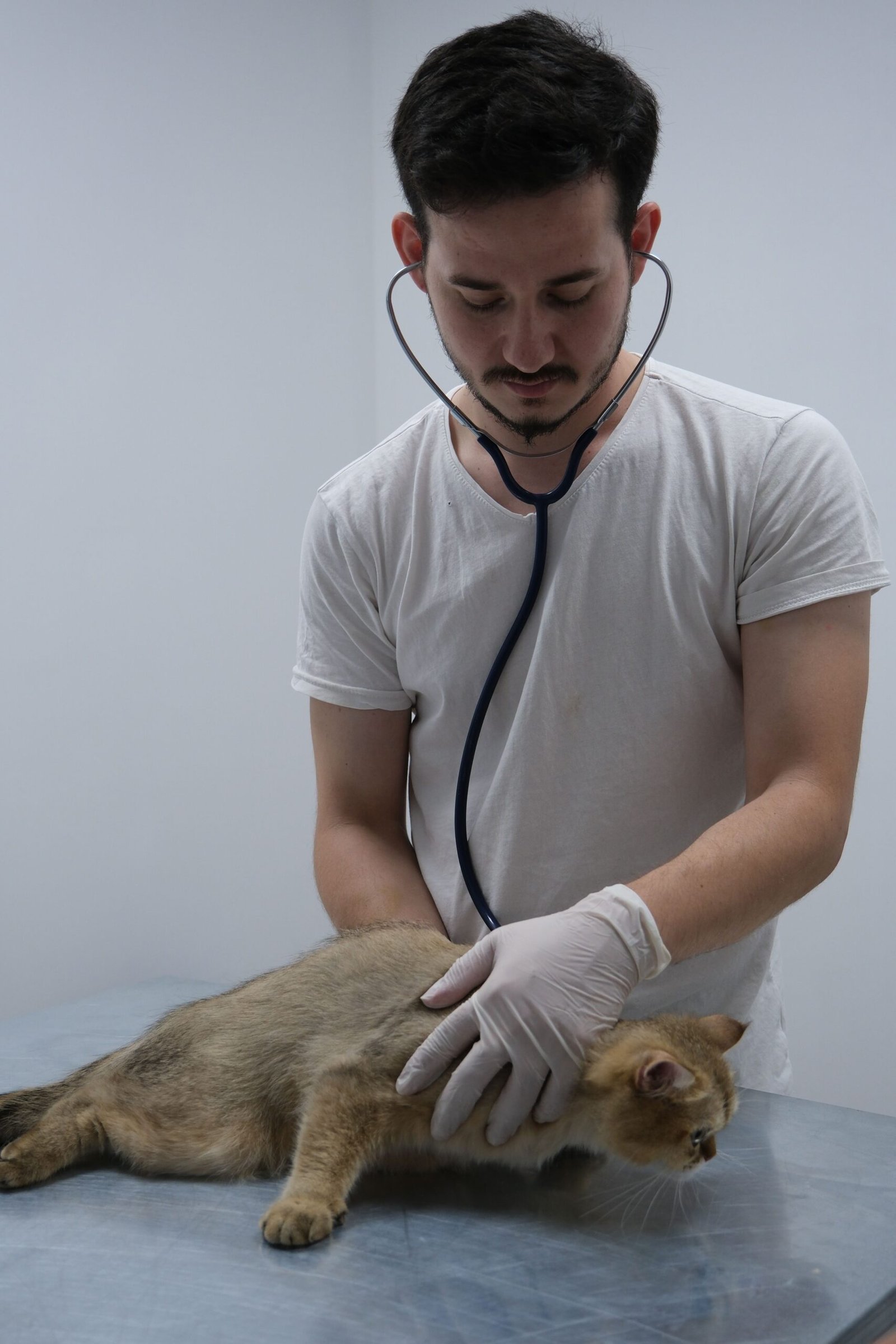
There are three collection methods, and the one your vet chooses depends on what question they are trying to answer. A free catch sample is collected as your cat urinates naturally, often into a specialized litter that does not absorb liquid.
Cystocentesis (from the Greek kystis “bladder” + kentesis “puncture”) involves a vet using a thin needle to draw urine directly from the bladder through the belly wall. It sounds more dramatic than it is: most cats tolerate it well, and it is the gold standard when a culture is needed because it avoids contamination from the litter box or urethra.
A third option, catheterization, is used less often in cats and mainly reserved for males with a suspected blockage. Your vet will pick the least stressful method that still answers the clinical question.
What Do the Individual Results Mean?
Some values are worth understanding on their own, since they come up in almost every urinalysis report. The table below covers the ones owners ask about most.
| Test value | What it measures | What abnormal can mean |
|---|---|---|
| Urine specific gravity | How concentrated the urine is | Low values can point to kidney disease, Cushing’s-type conditions, or diabetes |
| pH | Acid or alkaline balance | Persistently alkaline urine favors certain crystal and stone types |
| Protein | Protein leaking into urine | May signal kidney damage, especially alongside a urine protein-to-creatinine ratio (UPC) |
| Glucose | Sugar in the urine | Usually means diabetes once blood sugar is confirmed high too |
| Blood (occult or visible) | Red blood cells or hemoglobin | Can indicate infection, stones, inflammation, or trauma |
| Crystals | Mineral crystals in sediment | Common in cats with feline lower urinary tract disease (FLUTD); type of crystal guides diet changes |
No single line on this report makes a diagnosis by itself. One low specific gravity reading means little on its own; the same number alongside rising kidney values on bloodwork means quite a lot.
What Happens If Something Comes Back Abnormal?
A single abnormal value often triggers a follow-up test rather than an immediate diagnosis. Diluted urine alongside high kidney values usually leads to repeat bloodwork and sometimes imaging. Blood in the urine with no infection found on culture might prompt an ultrasound to look for stones or a mass.
See a vet now: A male cat straining in the litter box with little or no urine coming out is a true emergency. A blocked urethra can become life-threatening within a day, so do not wait for a scheduled appointment.
Crystals without other symptoms sometimes just mean a diet adjustment. Crystals combined with straining, blood, or repeated litter box trips point toward feline lower urinary tract disease and need a same-day visit.
How Often Should My Cat Have a Urinalysis?
Most healthy adult cats do not need annual urinalysis, though many vets include it starting around age seven as part of senior bloodwork panels. Cats with a history of urinary crystals, kidney disease, or diabetes typically get checked every three to six months to track how well treatment is working.
If your cat has never had a baseline urinalysis, ask your vet whether it is worth adding to the next wellness visit. Having a normal result on file makes it much easier to spot a real change later.
How Can I Help My Vet Get a Good Sample?
For a free catch collection at home, your vet’s office can usually send you home with non-absorbent litter and a simple set of instructions. Fresh samples matter: urine left sitting for hours can change in ways that throw off the results, especially crystal formation.
Bring the sample in as soon as possible, ideally within an hour of collection, and keep it refrigerated if there is any delay. If your cat is too anxious or the timing does not work out, your vet can collect the sample in the clinic instead.
Further Reading
High Creatinine in Cats explains how bloodwork and urine concentration are read together to assess kidney function, building directly on the specific gravity discussion above.
Was the article helpful?