
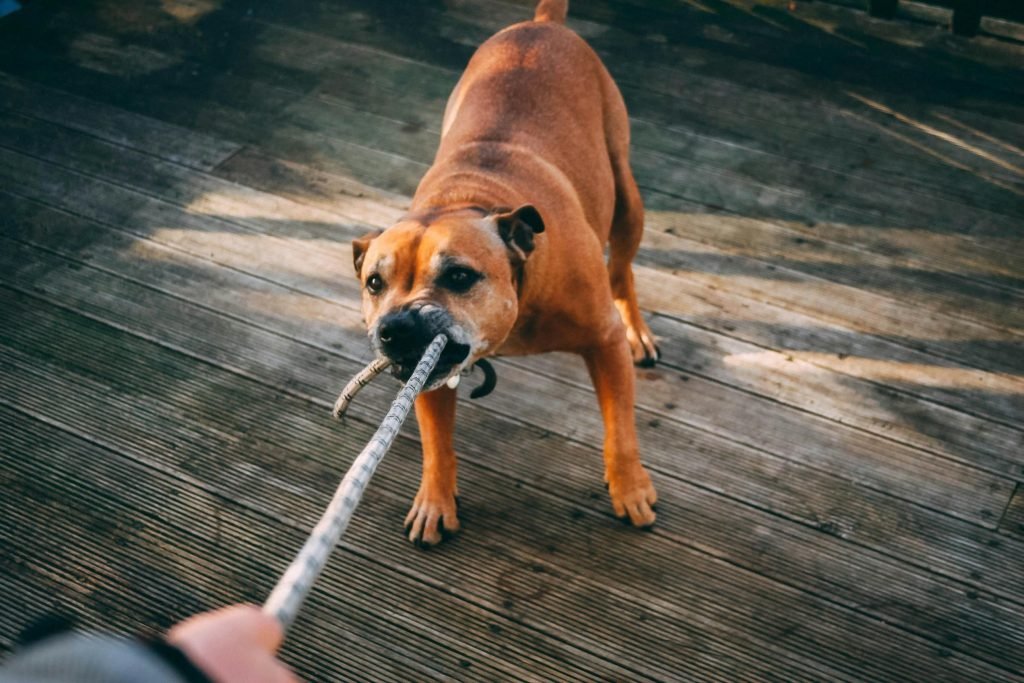
Your dog has never growled at anyone. Now they have snapped at someone in the family. It feels completely out of character, and it is frightening. Take it seriously rather than writing it off as a bad mood.
Sudden aggression in a friendly dog is a medical question first and a training question second.
Quick answer: New, sudden aggression in an adult or senior dog should prompt a full veterinary exam before anything else. Pain and medical illness are common, overlooked causes.
Why Would a Dog Suddenly Become Aggressive?
Dogs do not turn aggressive for no reason, even when the reason is hard to see. Most cases come down to a few causes: pain, an underlying illness, fear or anxiety, or guarding food, toys, or space.
Your dog is not being spiteful or dominant. Aggression is almost always a sign of distress, physical or emotional, not a bid for control.
Could Pain Be Behind the Sudden Change?
Pain is one of the most common and most missed causes of new aggression, especially in middle-aged and older dogs. Arthritis, dental disease, ear infections, and back pain can all make a dog snap when touched, lifted, or approached.
A dog in pain often growls or snaps when a sore spot is touched or bumped. That pattern points to a physical cause, and it is one vets see often behind sudden behavior changes. The same pain can just as easily show up as limping.
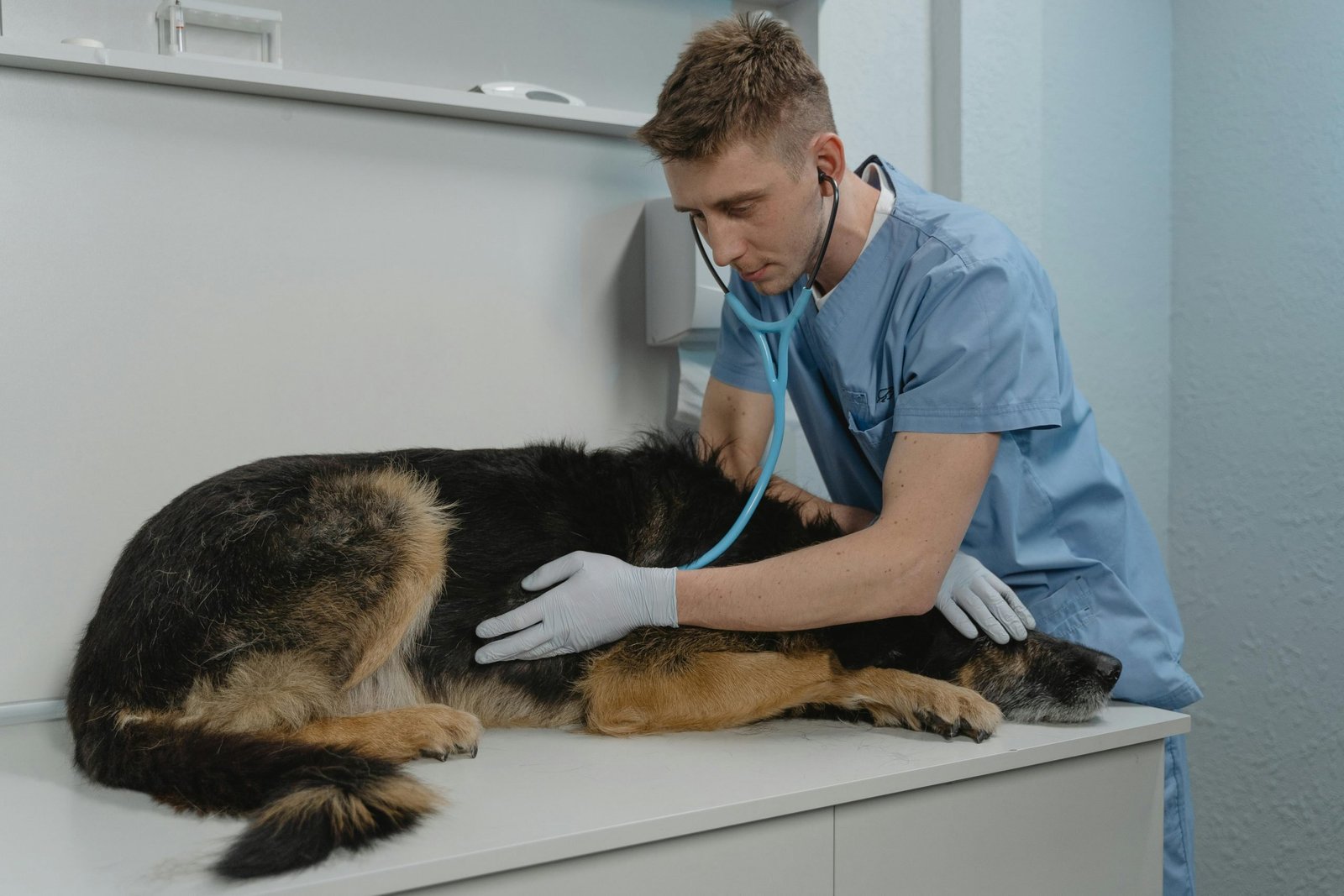
Could This Be a Medical or Neurological Problem?
Vision or hearing loss can make a dog startle and snap when approached without warning, especially from behind or while asleep. Thyroid disease is also worth checking. Hypothyroidism (from the Greek hypo, “under,” + thyreos, “shield,” for the shield-shaped thyroid gland) is sometimes blamed for irritability. Treating it rarely fixes aggression on its own, so bloodwork belongs in a full workup rather than standing in as the fix.
Neurological (from the Greek neuron, “nerve”) problems in the brain can also change behavior and personality, so they are part of what your vet checks.
| Possible Cause | Typical Trigger Pattern | First Step |
|---|---|---|
| Pain (joints, teeth, ears, back) | Touch, handling, being picked up | Full veterinary exam |
| Thyroid or other medical illness | May have no clear trigger | Bloodwork and physical exam |
| Vision or hearing loss | Sudden approach, being startled | Vet exam, adjust how you approach your dog |
| Fear or anxiety | Specific people, situations, or objects | Vet visit, then a veterinary behaviorist |
| Resource guarding | Food, toys, resting spots | Management first, then professional help |
Is Fear or Anxiety Driving This Behavior?
Fear-based aggression often builds slowly, then seems to appear overnight. It happens when a dog’s quieter warnings, like lip licking, stiffening, or turning away, keep getting missed. A dog who learns that subtle signals don’t work may skip straight to a growl or snap.
This is especially common around strangers, loud noises, or things linked to a past scare. Punishing the growl or the snap tends to backfire. A dog corrected for warning learns to skip the warning, not to feel safer.
A veterinary behaviorist can find the real trigger and build a plan. Call one sooner rather than later if punishment has already made things worse.
What About Resource Guarding or Redirected Aggression?
Resource guarding means stiffening, growling, or snapping when someone comes near a dog’s food, favorite toy, or resting spot. Redirected aggression happens when a dog is worked up by something it cannot reach, like another dog through a window, and lashes out at whoever is nearby.
Both are manageable. Calm management and professional help work far better than confrontation, which makes guarding worse. Don’t stare down a guarding dog or wrestle a toy out of their mouth.
When Is Sudden Aggression a Safety Emergency?
Episodes that come more often or get more intense mean the problem is growing. Don’t wait to see if it passes, especially with children or other pets in the home.
A dog that has bitten hard enough to break skin, or any bite in a home with young children, needs a vet exam and a behavior professional the same day.
Look after the person first. Wash any bite that broke skin with soap and running water for several minutes. Have a doctor see it the same day, because dog bites infect easily. A bite to a child, a hand, or the face should never wait. Then check that your dog’s rabies vaccine is current and find the certificate. Many areas require bites to be reported, and proof of vaccination makes that much simpler.
What Should I Do Right Now to Keep Everyone Safe?
Give your dog space rather than pushing through. In practice, that means baby gates or a closed door between the dog and children. Don’t reach into their bed or over their food bowl, and let them eat and rest in a quiet room until you have a plan. If they growl, step back calmly instead of scolding, since the growl is the warning that comes before a bite.
Book a full vet exam as soon as you can. Keep a written log of every episode: when it happened, what set it off, and how your dog’s body looked just before. That log helps your vet, and later a behavior professional, build the right plan.
If your vet finds nothing medical, ask for a referral to a veterinary behaviorist (a vet with specialist behavior training who can also prescribe medication) or a certified applied animal behaviorist. Avoid any trainer who suggests dominance or punishment-based methods.
Final Thoughts From a Veterinarian
New aggression in a friendly dog is a signal, not a character flaw. Start with a full vet exam to rule out pain or illness. Keep everyone safe in the meantime, and bring in a behavior professional if the cause turns out to be behavioral.
Was the article helpful?