
Your vet says your dog needs a dental cleaning, and the estimate is far higher than you expected. That shock is common. A dog dental cleaning cost covers a full procedure under anesthesia, not a quick brush, and the price has several separate parts.
Here is what the estimate covers, why it varies between dogs, and where you can safely save.
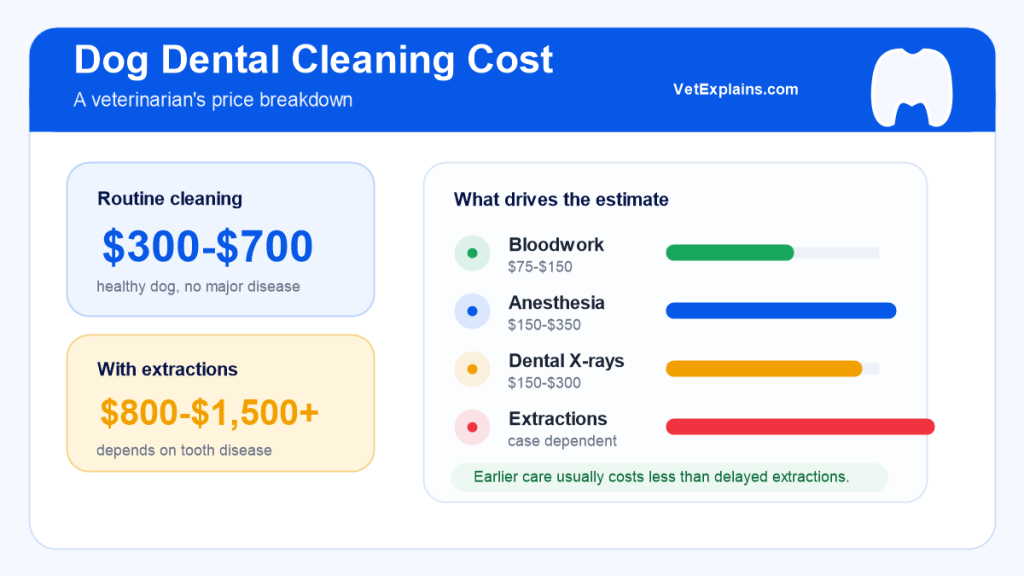
Quick answer: A routine dog dental cleaning cost typically runs $300 to $700 for a straightforward case, and $800 to $1,500 or more if extractions are needed.
What Does a Routine Dog Dental Cleaning Cost?
A basic dental cleaning usually costs $300 to $700 for a healthy dog without much dental disease. Your vet may call it a COHAT, short for comprehensive oral health assessment and treatment. The price usually includes bloodwork before anesthesia, the anesthesia itself, scaling and polishing, and a full mouth exam while your dog is asleep.
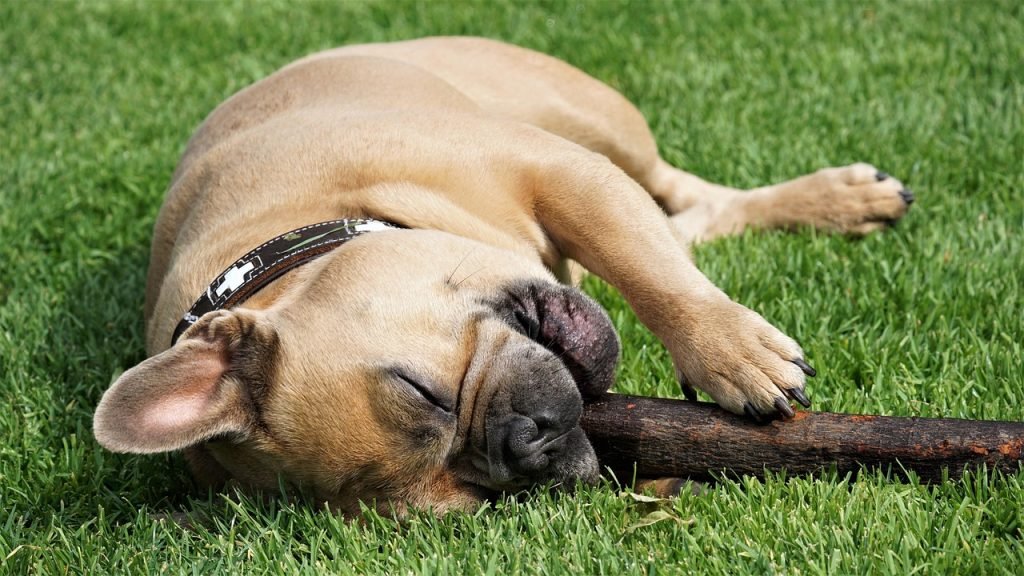
The final number depends on your dog’s age, size, and how much dental disease has built up. That is why a phone quote is only a rough guide. Small and flat-faced dogs often land at the higher end. Breeds like the French Bulldog have crowded teeth, so tartar builds faster and cleaning takes longer.
When you get the written estimate, ask four things. Are bloodwork and full-mouth x-rays included, or extra? Does the price range allow for some extractions? What will the clinic do if they find diseased teeth once your dog is asleep? Will they call you before pulling any teeth? Your vet will also suggest how often to repeat the cleaning, based on how fast tartar comes back. Small breeds often need one more often.
Why Does Anesthesia Make Up Such a Big Part of the Bill?
Anesthesia (from the Greek “an-,” meaning without, + “aisthesis,” meaning sensation) is not optional for a proper dental cleaning, and it is the biggest cost on the estimate. The vet has to clean under the gumline, which no dog will allow while awake. Anesthesia also protects the airway from the water and debris the cleaning produces.
Bloodwork before anesthesia, usually $75 to $150, checks that your dog’s organs can handle it safely. Monitoring during the procedure, with a technician watching heart rate, oxygen levels, and blood pressure, is usually folded into the anesthesia charge, though some clinics list it separately.
What Do Dental X-Rays Add, and Why Do They Matter?
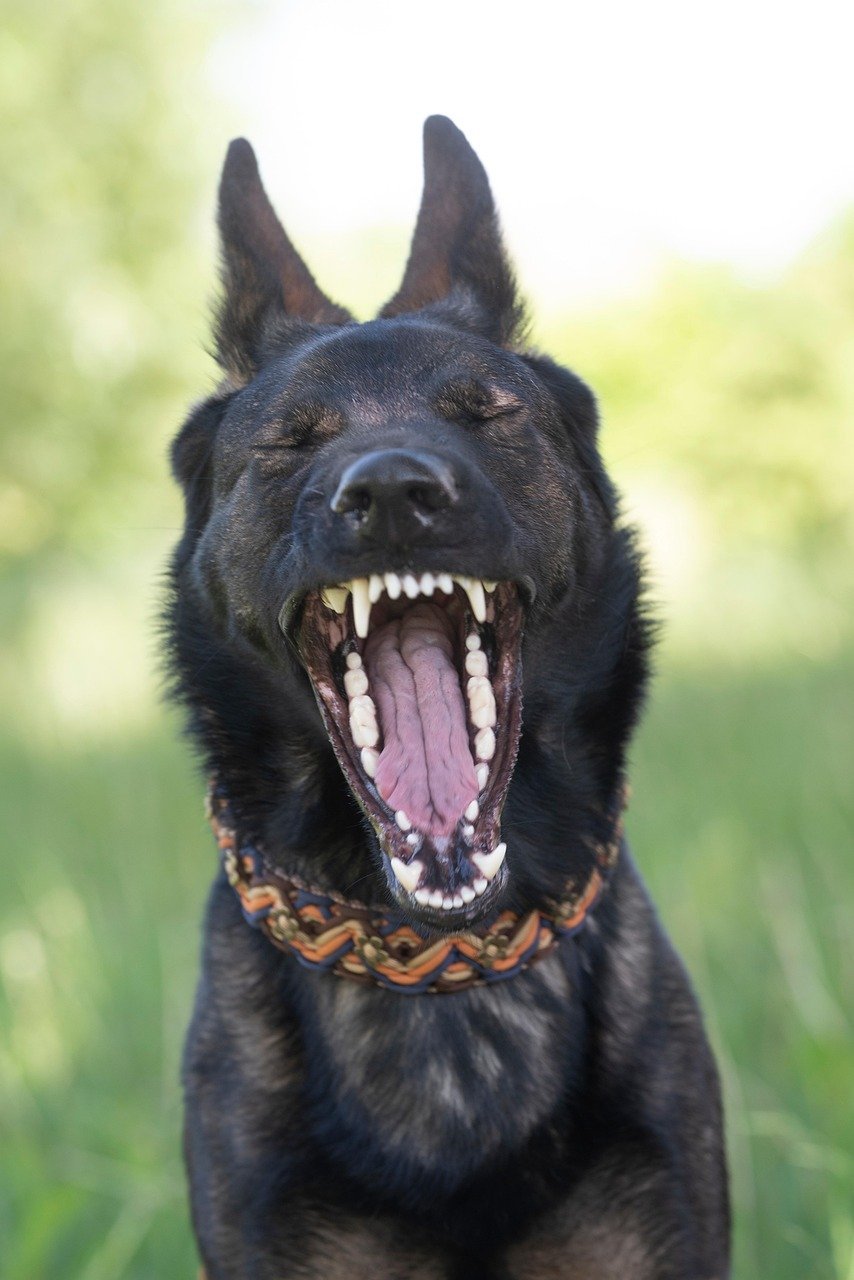
Full-mouth dental x-rays usually add $150 to $300, and they are worth it. Periodontal disease (from the Greek “peri,” meaning around, + “odous,” meaning tooth) often hides most of its damage below the gumline, where a visual exam cannot see it.
Without x-rays, the vet can only treat what they can see. That can leave painful, diseased teeth behind, which is why vets rely on them.
| Cost Component | Typical Price Range | What It Covers |
|---|---|---|
| Pre-anesthetic bloodwork | $75 to $150 | Confirms it is safe to anesthetize your dog |
| Anesthesia and monitoring | $150 to $350 | Safe sedation and vital sign monitoring throughout |
| Scaling and polishing | Bundled into base cost | Removes plaque and tartar above and below the gumline |
| Full-mouth dental x-rays | $150 to $300 | Reveals disease hidden below the gumline |
| Extractions, if needed | $15 to $50 per simple tooth, more for complex ones | Removes teeth too diseased to save |
What Does It Cost If Teeth Need to Be Extracted?
Simple extractions (from the Latin “ex-,” meaning out, + “trahere,” meaning to draw) usually add $15 to $50 per tooth. Surgical extractions of larger teeth with several roots can cost $75 to $200 or more each. A dog with long-neglected dental disease can face a total bill of $800 to $1,500 or more once several teeth come out.
Are Anesthesia-Free Cleanings a Good Way to Save Money?
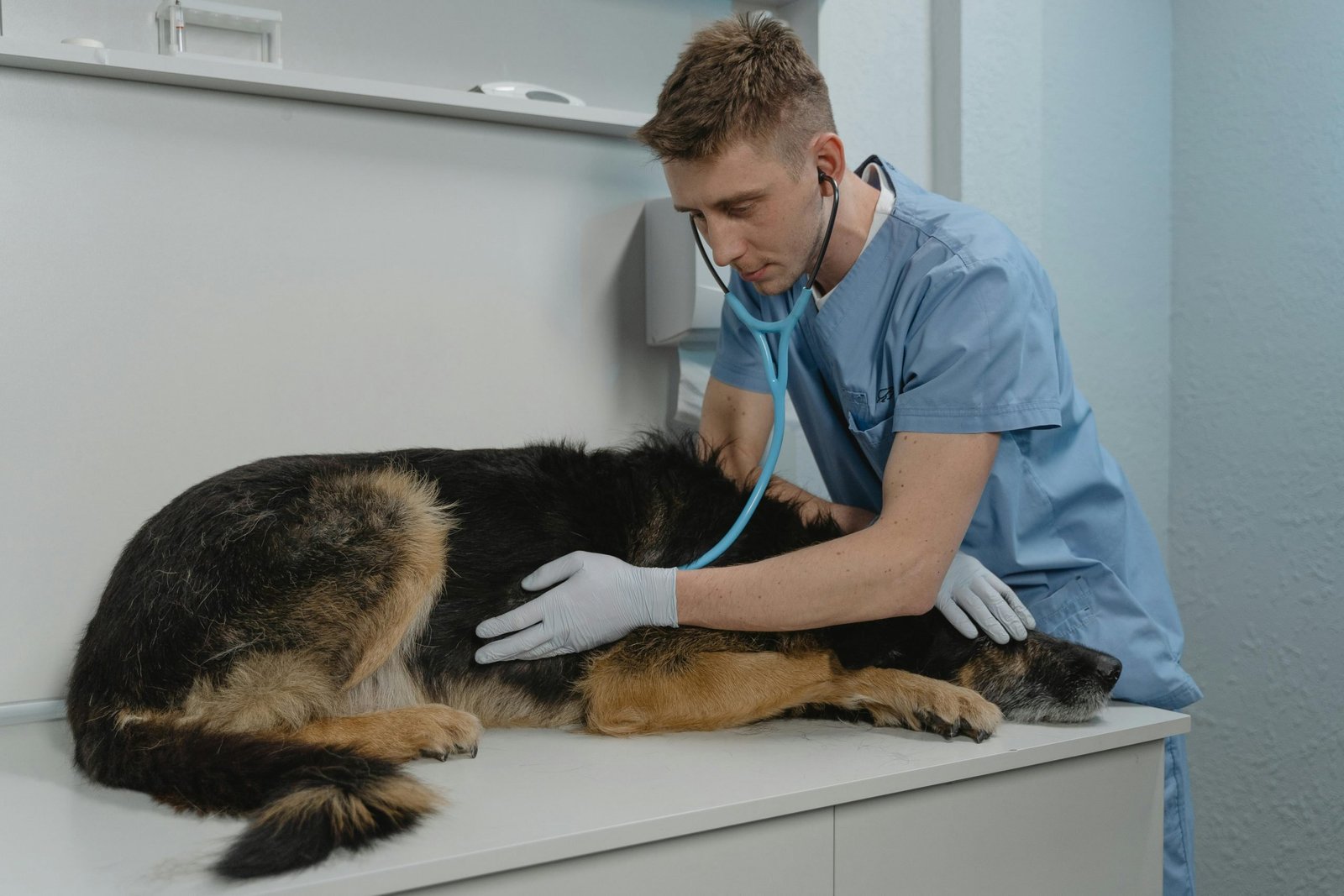
Anesthesia-free cleanings, offered at some groomers and pet stores, only remove the tartar you can see above the gumline. Vets do not count that as a real cleaning, because without anesthesia a full exam is impossible. Nobody can check the inner tooth surfaces or reach below the gumline, where the damage happens. A dog held still near sharp tools while awake can also get hurt.
An anesthesia-free cleaning makes teeth look cleaner without treating the disease. I do not recommend it for any dog with real tartar or gum disease, because the hidden infection stays and the dog can get hurt.
Does Pet Insurance Cover Dental Cleanings?
Coverage varies a lot between insurers and plans, which is a big part of deciding if pet insurance is worth it for you. Routine cleanings are often excluded, or covered only by an add-on wellness plan. Dental treatment after an accident, or for diagnosed disease, is more often covered by standard accident and illness plans. Dental bills also come every year or two, unlike an ongoing condition. Treating diabetes, for example, means bills for the rest of a pet’s life.
Before you book, send your insurer the written estimate and ask what they will pay, including any extractions.

How Can I Lower the Cost Without Cutting Corners?
Brushing your dog’s teeth daily, or nearly daily, is the best way to slow tartar and delay the next cleaning. Dental chews and water additives with the VOHC seal on the pack help too, though less than brushing.
Booking a cleaning before teeth need to come out is the biggest saving you control. Waiting years between cleanings usually costs more in the end than a regular schedule. It is one reason regular checkups pay for themselves over a dog’s life.
Final Thoughts From a Veterinarian
A dental cleaning costs more than a brush because it is a real procedure your dog cannot have awake. Ask for a written estimate, check that bloodwork and x-rays are included, and ask to be called before any tooth is pulled. Brushing at home keeps the next bill smaller.
Was the article helpful?