

Your dog’s muzzle has gone a little gray, and they take the stairs more carefully than before. You may be wondering whether their care should change. It should, but gradually. Senior care means more frequent checkups, bloodwork that catches problems early, and small daily changes that keep your dog comfortable for longer.
Quick answer: Most dogs are considered senior around age seven, earlier for large breeds. Senior care means twice-yearly vet visits, more thorough bloodwork, and closer attention to joints, weight, and behavior.
When Does a Dog Actually Become a Senior?
Size matters most. Large and giant breeds age faster and are often considered senior by six or seven. Small breeds may not reach that stage until nine or ten. The first changes are often small, so it helps to know the early signs of aging.
No single test makes a dog officially senior. It is a general label your vet uses to decide how often to check for age-related changes.
Here is the at-home side of the checklist, the things to notice between visits.
| What to check at home | How often | Mention to your vet if |
|---|---|---|
| Weight and body shape | Monthly | Weight drops, or ribs and spine feel sharper without a diet change |
| Getting up, stairs, jumping | Weekly | New stiffness, slipping, or refusing something they used to do |
| Water intake and peeing | Weekly | Drinking or peeing noticeably more, or accidents indoors |
| Lumps and bumps | Monthly, hands over the whole body | Any new lump, or one that grows or changes |
| Breath, gums, chewing | Monthly | Bad breath, dropping food, or chewing on one side |
| Sleep and confusion | Ongoing | Pacing at night, getting stuck in corners, or staring at walls |
| Appetite | Daily | Skipping meals for more than a day |
Why Do Senior Dogs Need Vet Visits Twice a Year?
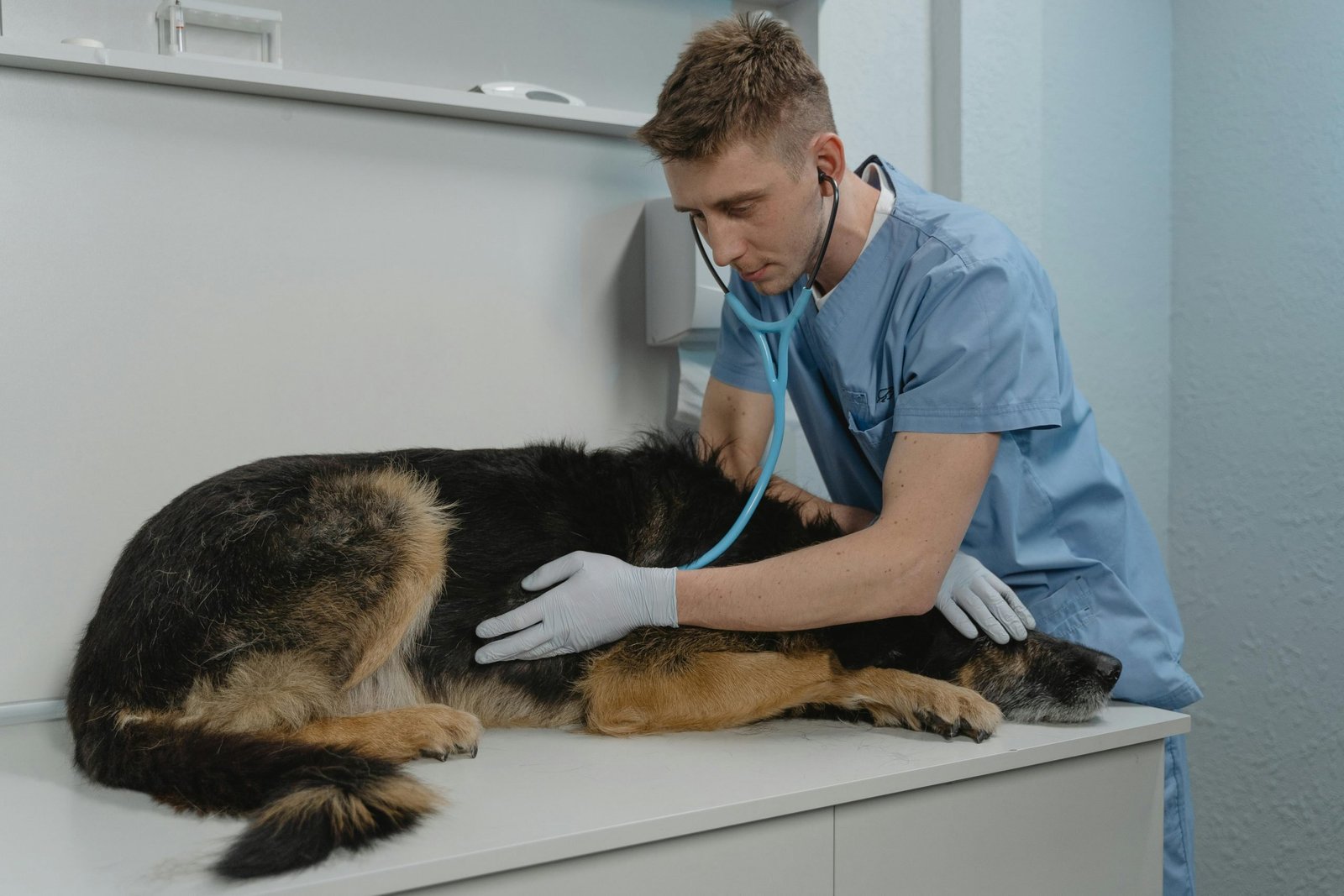
Dogs age faster than people do, so a full year between checkups can let a problem go unnoticed for what is, in dog terms, a long time. Twice-yearly visits catch changes in weight, teeth, and organ function while they are still easy to manage.
A vet who sees your dog every six months knows what is normal for that dog. That makes it far easier to spot when something is off.

What Bloodwork and Screening Happen at Senior Checkups?
Senior bloodwork usually goes beyond a basic panel. It looks more closely at kidney and liver values, thyroid function, and a complete blood count. A urinalysis is often added too, since it can pick up early kidney or urinary changes before you see symptoms. Your vet may add other tests based on breed and history, and the usual senior wellness panel gives a good picture of what to expect.
Blood pressure checks matter most for seniors with kidney disease, heart disease, or other risk conditions. Hypertension (from the Greek “hyper,” over, + the Latin “tensio,” stretching), or high blood pressure, often causes no signs until it damages an organ.
| Checkup Area | What It Screens For | How Often |
|---|---|---|
| Physical exam | Weight, joints, lumps, dental disease | Every 6 months |
| Bloodwork panel | Kidney, liver, thyroid function | Every 6 to 12 months |
| Urinalysis | Kidney function, urinary tract health | Annually, or as needed |
| Blood pressure | Hypertension linked to organ disease | For dogs with kidney, heart, or other at-risk conditions |
| Dental exam | Periodontal disease, tooth root issues | Every visit |
Two things do not stop with age. Dental disease is very common in older dogs, so ask at each visit whether a cleaning is due, and keep brushing or using a dental chew your vet approves. Vaccines and flea, tick, and heartworm prevention also continue, adjusted to your dog’s lifestyle and health rather than dropped.
How Do I Manage Joint Pain and Mobility at Home?
Arthritis (from the Greek “arthron,” joint, + “-itis,” inflammation) is one of the most common problems in older dogs. It often shows up first as slow rising, reluctance on stairs, or stiffness after rest. Keeping your dog lean is one of the best things you can do, because extra weight loads already sore joints.
Ramps for the car or bed, non-slip rugs on hard floors, and orthopedic bedding all ease daily strain on the joints. Your vet can also discuss pain relief once arthritis is suspected.
What Are the Signs of Cognitive Decline in Older Dogs?
Canine cognitive dysfunction (from the Latin “cognoscere,” to know), often called dog dementia, can look like confusion in familiar places or a flipped sleep schedule. It can also mean accidents in the house after years of reliable training, or less interest in family and play. These changes creep in slowly, which makes them easy to write off as old age. There is more on dog dementia and how to help at home.
Veterinary screening guidelines now suggest watching for these changes from about age seven, with closer screening from age ten. Mention them at checkups, since some supportive steps and medications work better when started early.
What Diet and Weight Changes Matter Most Now?
Metabolism usually slows with age, so many seniors need fewer calories to stay at a healthy weight. Protein needs do not drop the same way, and enough protein helps older dogs keep their muscle. A healthy senior doesn’t need an automatic switch to senior food just because of age. Ask your vet whether your dog’s current diet still fits.
Unexplained weight loss in a senior dog is worth mentioning to your vet, even if appetite looks normal. It can be an early sign of several conditions that become more common with age.
Run your hands along your dog’s spine and hips once a month. A senior can lose muscle there while the scale barely moves.

When Do Senior Symptoms Need Same-Day Attention?
Gradual changes like slower walks or more sleep can usually wait for the next visit. Anything sudden or severe deserves a same-day call, whatever your dog’s age.
Sudden collapse, extreme difficulty breathing, a bloated or painful abdomen, or the inability to stand can all indicate a true emergency in a senior dog and need immediate veterinary care. Age alone is never a reason to delay treatment for an acute, serious symptom.

Final Thoughts From a Veterinarian
Senior care is mostly about catching small changes before they become big problems. Keep up with twice-yearly visits, run through the home checklist each month, and never assume a sudden symptom is just old age.
Was the article helpful?