
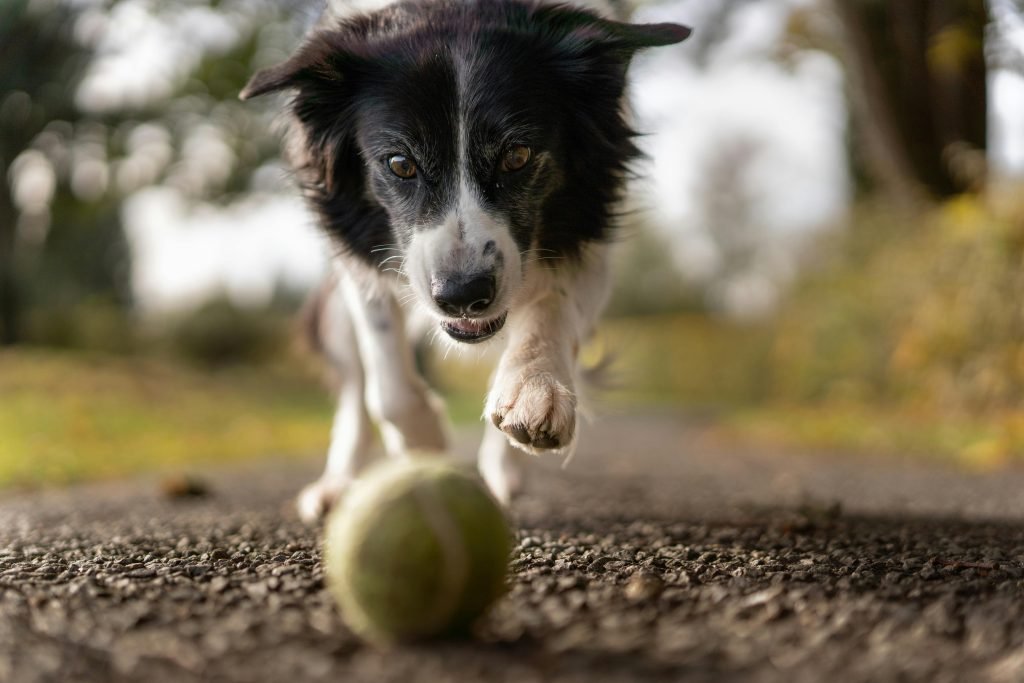
Your dog came in from the yard holding a paw up, or got up from a nap stiff on one side and is now limping. The most useful thing to work out first is when it began. Either the limp arrived in a second, during play or a bad landing, or it crept in over months while your dog quietly adjusted to it. What to watch, what to do tonight, and what your vet will look for all depend on which of those two you are seeing.
Before sorting out which kind of limp you have, check for the cases that cannot wait. A dog that will not put any weight on the leg, or that started limping after a fall or a car accident, needs to be seen the same day. A fracture or a torn ligament does not improve with rest and gets more painful while you wait. Visible bone, severe pain, an open wound, or a paw that drags or knuckles over is an emergency: go to the vet immediately.
Which Leg Hurts, and Does It Take Weight
Watch your dog walk away from you and back on a flat, non-slip surface. With a front leg problem, the head lifts as the sore leg takes weight and drops as the good leg lands, because your dog is trying to unload the painful side. With a back leg problem the pattern reverses, and the head drops as the sore leg takes weight. Most dogs also shorten their stride on the painful side. A phone video of the walk is worth taking, since dogs often walk perfectly in the exam room.
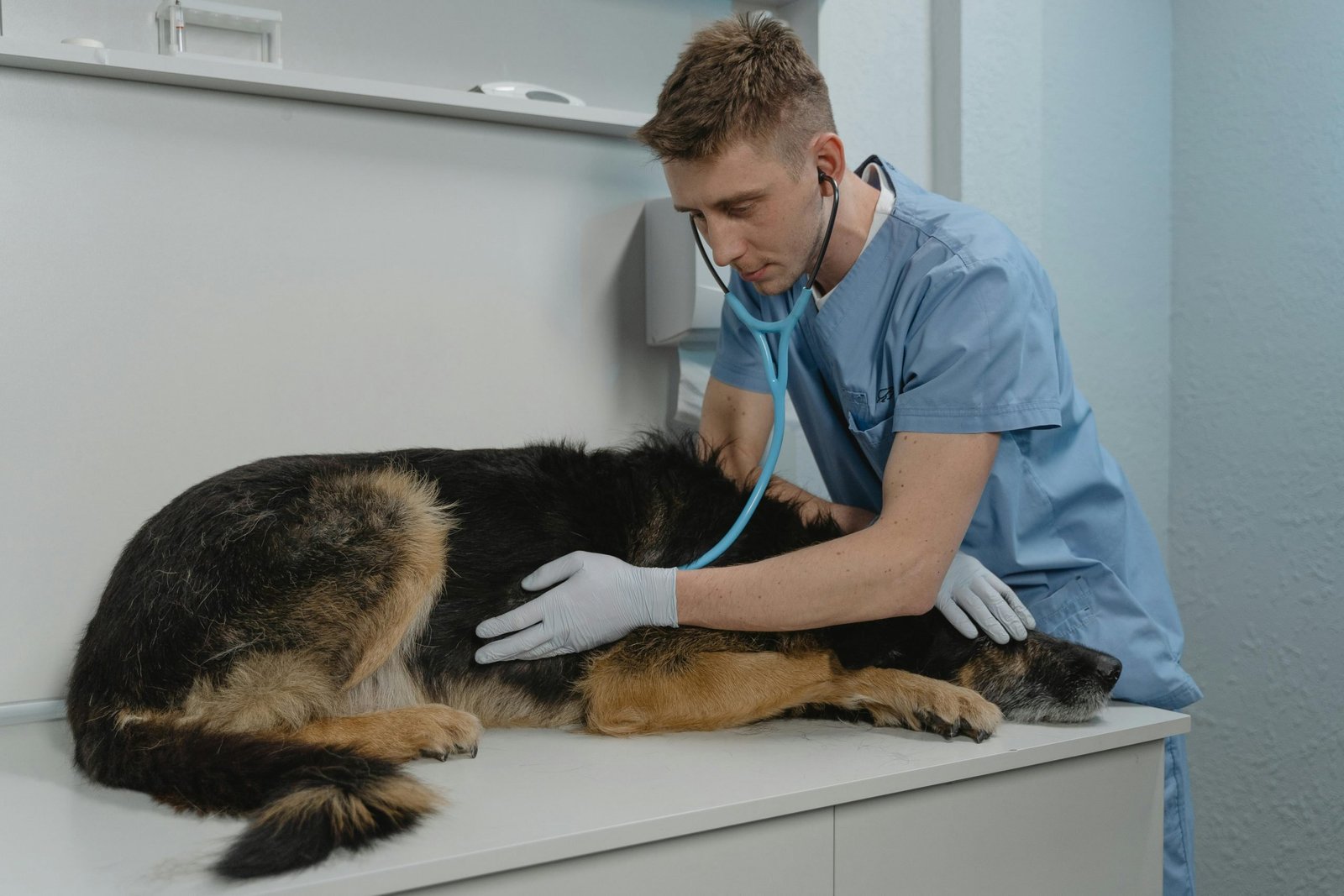
Running your hands down each leg, from shoulder or hip to paw, and comparing one side with the other, sometimes finds a swollen or painful spot. Stop if your dog tenses, pulls away, or turns toward your hand, because a painful dog can snap even when they never have before. If anything in the box below matches what you are seeing, skip the home exam and call the vet.
A leg that is not bearing any weight at all, an obviously deformed limb, or limping that started after a car accident, a fall, or another trauma needs same-day veterinary attention. Limping paired with severe pain, visible bone, or an open wound is a true emergency and should not wait. So is a paw that drags or knuckles onto its top, a wobbly hind end, or hind feet that cross as your dog steps. Those point to the spine rather than the leg, and a ruptured disc is treated as a surgical emergency, because the odds of walking again depend on how much function is left when surgery happens.
When the Limp Started Suddenly
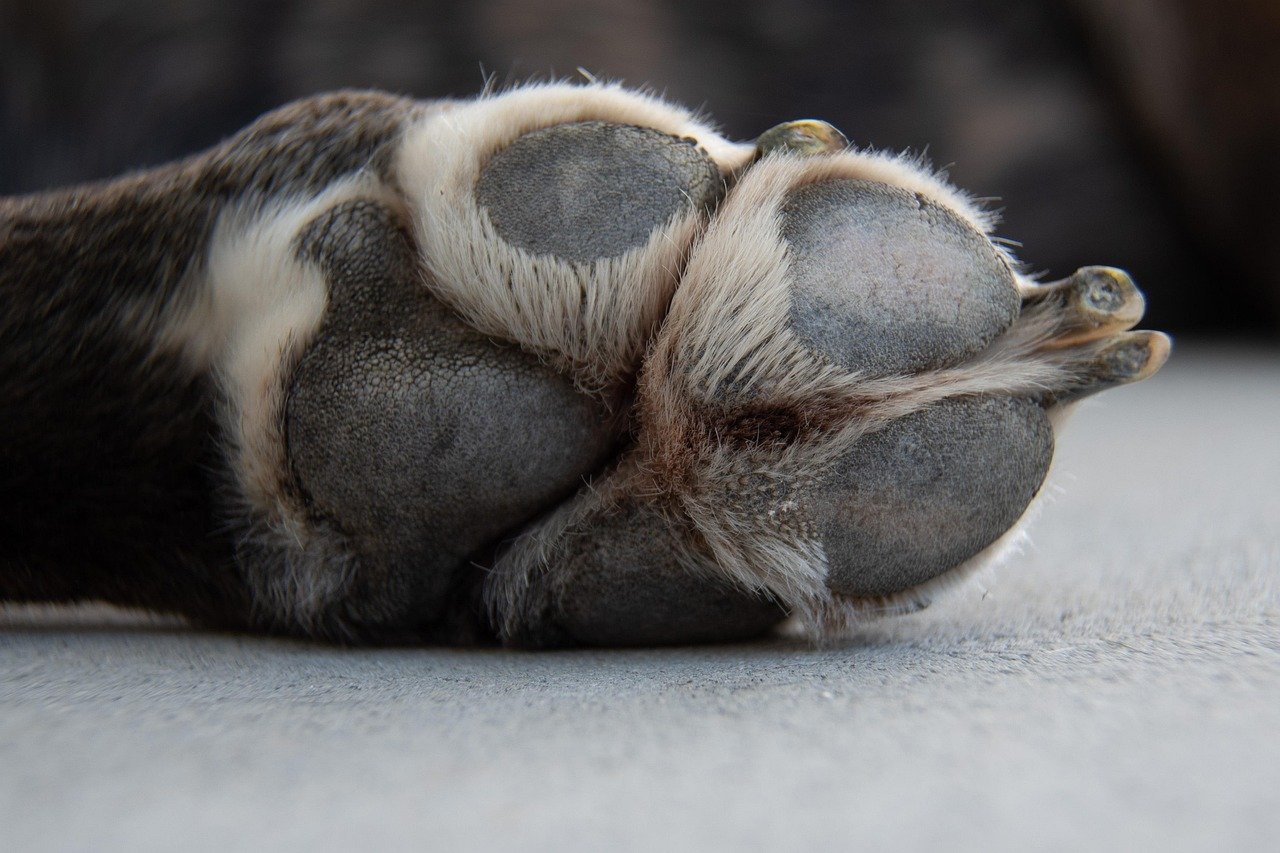
A paw injury, a small cut, a splinter, or a torn nail, is one of the most common causes of a sudden limp, and one of the easiest to fix. Strains and sprains after a hard play session or an awkward jump are the other frequent, usually short-lived cause. Both tend to look dramatic on day one and much better by day two, which is the pattern you are hoping for.
Sudden does not always mean traumatic, though. In dogs the knee ligament usually gives way after slow degeneration rather than a single accident, and it is one of the most common causes of hind leg lameness. The absence of an obvious injury does not make the limp minor, and I would not talk myself out of a vet visit because “nothing happened.”
So give it a clock rather than a feeling. If the limp has not clearly improved after 24 to 48 hours of rest, or it is getting worse, book the appointment rather than waiting longer. Two days is enough for a bruise or a mild sprain to show itself, and anything still there on day three has earned an exam.
In the meantime, limit exercise and avoid stairs or jumping until your dog is seen, because that helps keep a mild injury from becoming worse. A ramp or pet steps help with the car and the couch. Rest means leash walks to the yard and back, not a shorter version of the usual walk. Checking the paw for anything visible, such as a splinter, a cut, or an object stuck between the toes, is reasonable and often catches an easy fix.
Home pain relief should always come from your veterinarian. Human over-the-counter pain relievers, including ibuprofen, naproxen, and acetaminophen, are not safe substitutes. In a dog the same drug can last longer and reach higher blood levels than in a person, which raises the risk of stomach ulcers, kidney failure, and liver damage. Ask your vet before giving any of them.
When the Limp Came On Slowly
A limp that has slowly worsened over weeks or months points toward a chronic joint problem rather than a recent injury. In larger or older dogs, arthritis and joint conditions such as hip or elbow dysplasia (from the Greek dys, “bad,” and plasis, “formation”) become more likely explanations, and so do ligament injuries in the knee. Limping that comes and goes, better on some days and worse on others, is especially common with arthritis, often after a long walk or in cold weather. Keeping a simple log of good and bad days helps your vet confirm the pattern.
Not every slow limp starts in a joint. In a large-breed dog around 7 years or older, watch for a limp that hangs on alongside a firm swelling over a leg bone and muscle loss on that side. That combination can be one of the early signs of bone cancer in large-breed dogs, so it needs X-rays soon rather than another week of rest.
A limp that shifts from one leg to another is a different picture again, particularly alongside fever, tiredness, or a poor appetite. That points toward a tick-borne infection such as Lyme disease. Mention it to your vet if you have pulled a tick off your dog in the last few months. It is worth an exam within a day or two rather than waiting it out.
What Your Vet Will Check
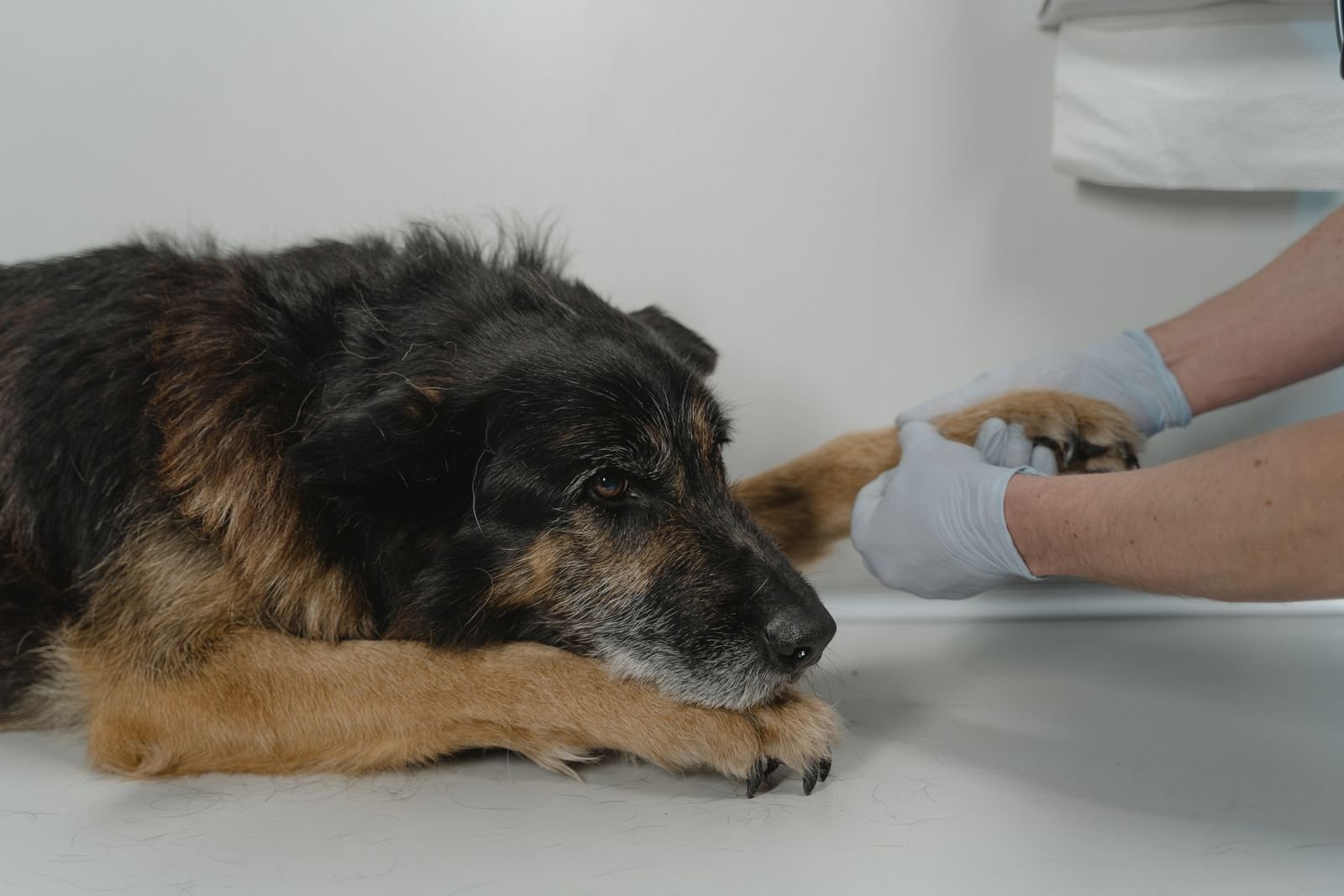
Your vet will watch your dog walk, feel each leg and joint for pain, swelling, or instability, and often compare range of motion side to side. X-rays are commonly recommended when the cause is not obvious on exam, or when a fracture or significant joint disease is suspected.
From there the plan follows the cause rather than the symptom. Your vet may recommend rest, pain management, physical therapy, or in some cases surgery, tailored to the specific cause and your dog’s overall health. Many soft tissue injuries settle with rest and pain relief alone, while ligament, spinal, and bone problems usually need a more specific plan.
Matching Signs to Next Steps
Find the row that matches what you are seeing; the sections above explain each one.
Veterinarian’s Perspective
Final Thoughts From a Veterinarian
Two questions settle most limps at home: does the leg take weight, and is it better in two days? A dog who will not use the leg, drags a paw, or is no better by day two needs an exam now, not more rest.
Dr. Vojtech Gabriel
Was the article helpful?