
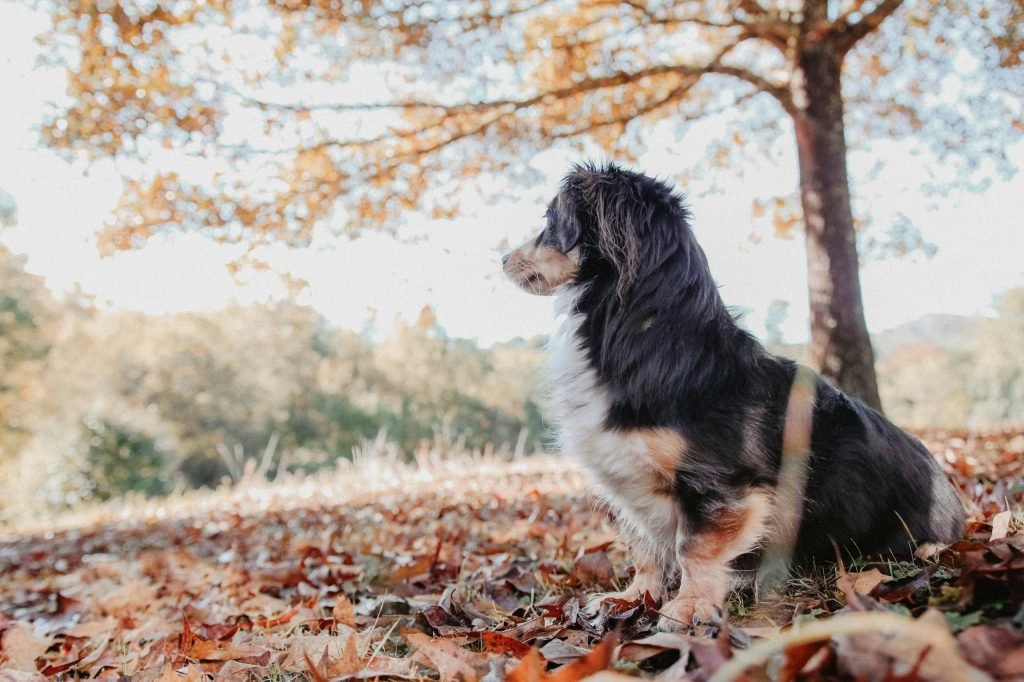
Your dog just let out a sneeze, or three, or ten in a row, and now you are watching them a little more closely than usual. Why is my dog sneezing so much all of a sudden, you might be wondering? Most sneezing in dogs is nothing more than a nose clearing itself out, the same way yours does. A smaller number of cases point to something that needs a veterinarian’s attention.
This guide walks through what typically causes sneezing and the specific pattern called reverse sneezing that alarms so many owners the first time they see it. It also covers the warning signs that separate an innocent sneeze from one worth a same-day call to your vet.
Quick answer: Occasional sneezing, especially after sniffing something dusty or grassy, is normal. Sneezing that is frequent, one-sided, bloody, or paired with facial swelling needs veterinary evaluation.
Why Is My Dog Sneezing? Common Causes Explained
A dog’s nose is built to investigate the world, and sneezing is simply how it ejects whatever it just found. Dust, pollen, grass awns, strong perfume, and even a sudden change in air temperature can all trigger a quick sneeze or two.
Most single, isolated sneezes are completely normal and need no follow-up. The pattern matters more than any one sneeze: an occasional sneeze during a walk is different from a dog who sneezes in fits throughout the day.
Is Occasional Sneezing Normal in Dogs?
Yes. Dogs sneeze while playing, while greeting other dogs, and while exploring new smells, and this is a normal part of canine communication as much as it is a reflex. Veterinarians call this a play sneeze, and it usually comes with a relaxed, wiggly body rather than any sign of discomfort.
The sneezing worth tracking is the kind that repeats over days, worsens, or comes bundled with other symptoms like discharge, pawing at the face, or reduced appetite.
What Is Reverse Sneezing, and Should I Worry?
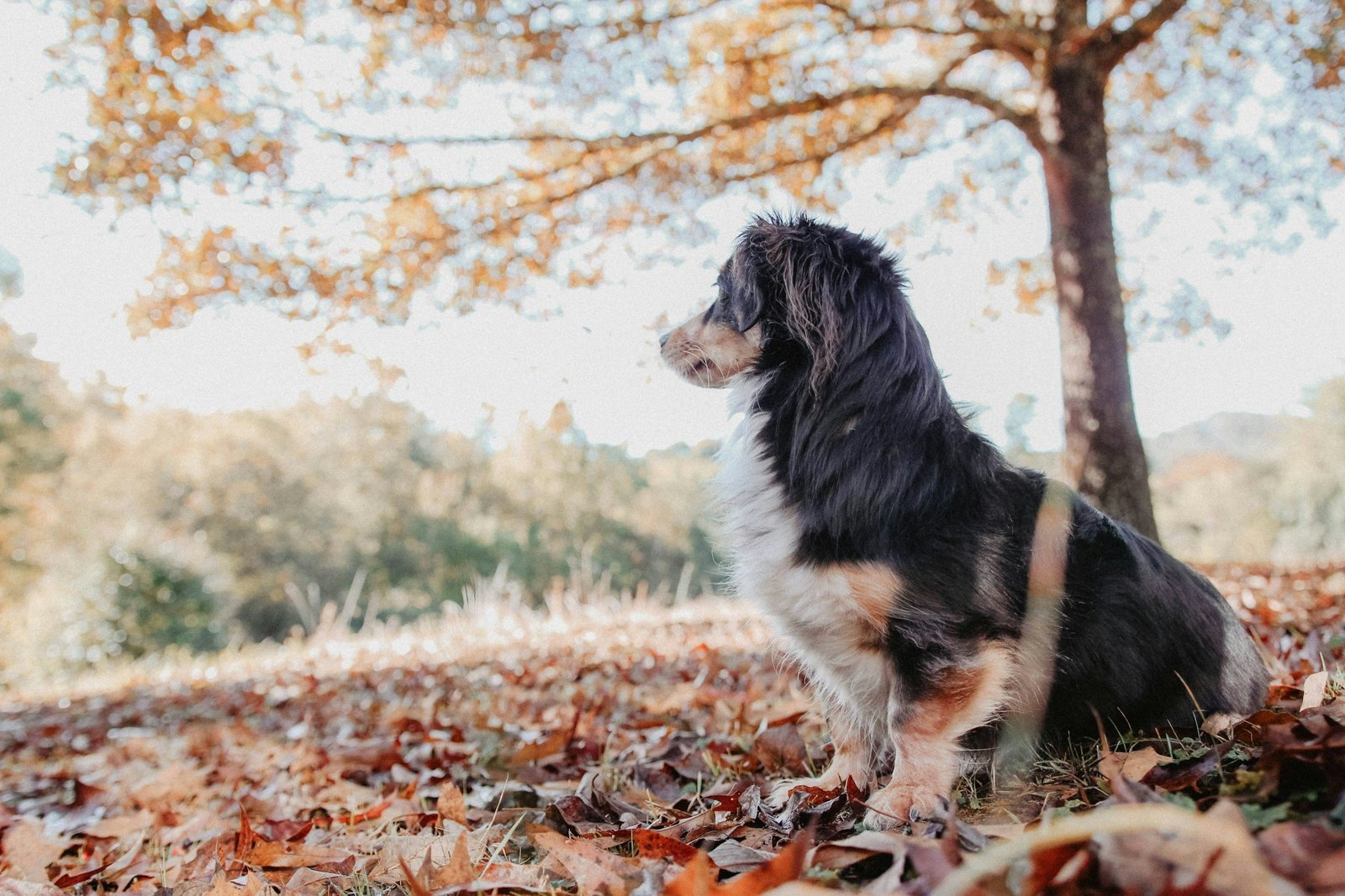
Reverse sneezing looks dramatic: your dog stands still, extends its neck, and makes a loud, honking, snorting sound as it pulls air in rapidly through the nose. It can last anywhere from a few seconds to about a minute and looks alarming the first time you see it.
This happens when the soft palate gets irritated and spasms, most often from excitement, a collar tug, or a sudden inhale of dust or pollen. Reverse sneezing is not dangerous and does not require treatment. Still, mention very frequent episodes at your dog’s next checkup so your vet can rule out nasal or airway issues.
Brachycephalic (from the Greek “brachys” meaning short + “kephale” meaning head) dogs, such as Bulldogs, Pugs, and French Bulldogs, are especially prone to reverse sneezing. Their naturally narrower nasal passages make them more sensitive to everyday irritants. Curious how respiratory risk varies by breed? The Vet Explains breed atlas breaks it down.
Gently stroking your dog’s throat or briefly covering their nostrils can often shorten an episode, though most stop on their own within a minute.
Could My Dog Have Something Stuck in Their Nose?
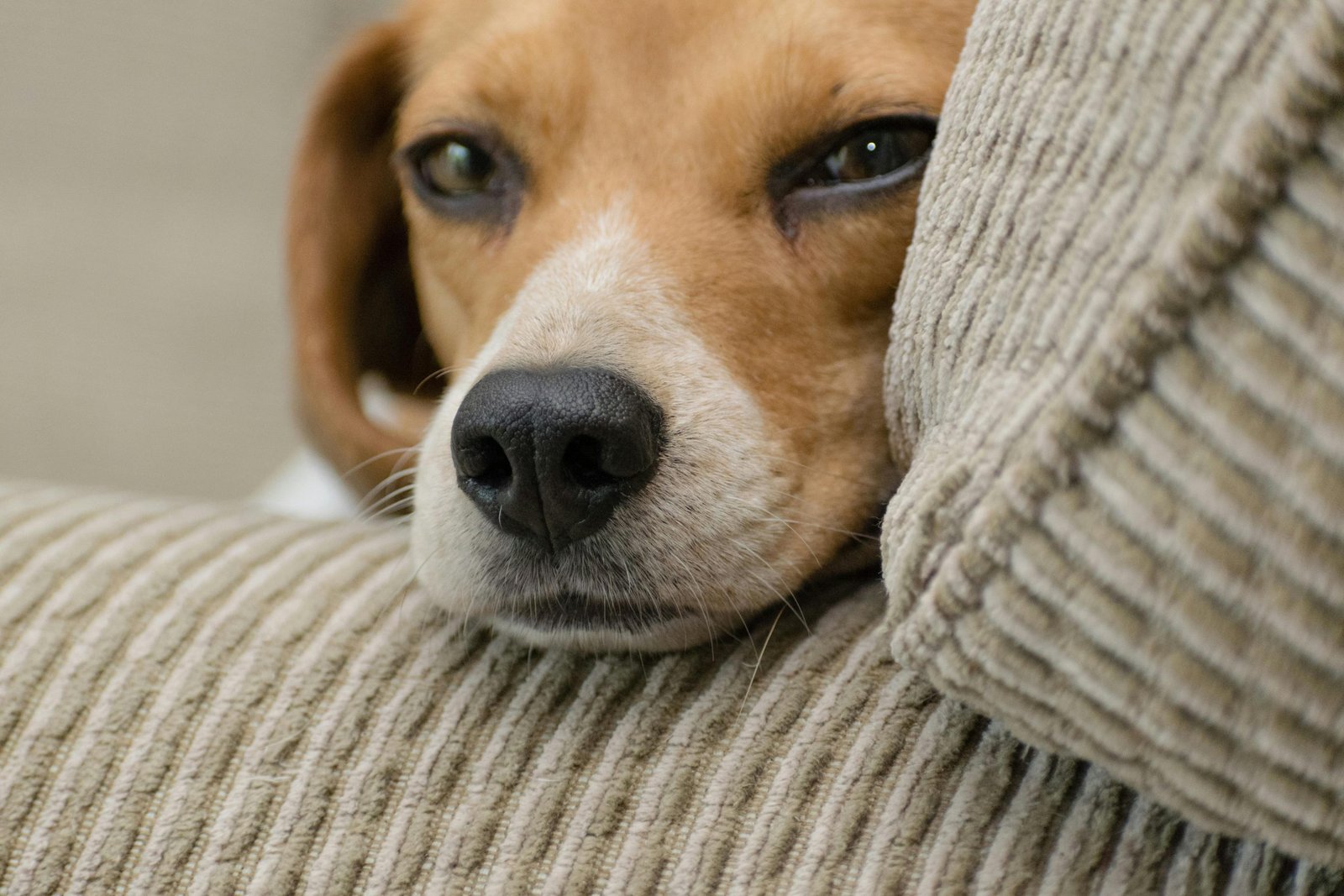
Dogs who spend time sniffing through grass, brush, or hay can inhale a foxtail or grass awn. This small, barbed seed head lodges in the nasal passage and will not dislodge with normal sneezing. The result tends to be sudden, violent, repeated sneezing in one nostril, often with pawing at the face and a bit of blood-tinged discharge.
Unlike a passing irritant, a lodged foreign object usually will not resolve on its own. A veterinarian can examine the nasal passage and, if needed, sedate your dog briefly to remove the object before it works its way deeper or causes a chronic infection.
When Is Sneezing a Sign of Infection or Allergies?
Environmental allergies, similar to hay fever in people, can cause repeated sneezing along with itchy skin, watery eyes, or ear infections that flare during certain seasons. This pattern tends to be gradual and comes with other allergy signs rather than appearing suddenly out of nowhere, unlike a food allergy, which tends to itch year-round instead of by season.
Nasal infections can come from bacteria, a fungus, or an upper respiratory virus. They tend to bring thicker discharge, occasional lethargy, and sometimes a reduced sense of smell that shows up as disinterest in food. Rhinitis (from the Greek “rhis” meaning nose) simply means inflammation of the nasal lining. It’s the umbrella term your vet may use for many of these infectious and allergic causes.
| Likely Cause | Typical Sneeze Pattern | Other Signs to Watch For | What Usually Helps |
|---|---|---|---|
| Environmental irritant | Brief, one-time or occasional | None, resolves in minutes | Nothing needed, monitor |
| Reverse sneezing | Honking, snorting, neck extended | None, dog seems otherwise normal | Throat stroke, usually self-limiting |
| Grass awn or foreign body | Sudden, violent, one-sided | Pawing at face, mild blood, one nostril | Veterinary removal |
| Allergies | Recurrent, seasonal | Itchy skin, watery eyes, ear infections | Vet-guided allergy management |
| Nasal infection | Persistent over days to weeks | Thick discharge, lethargy, poor appetite | Veterinary diagnosis and treatment |
Could Sneezing With Blood or Discharge Mean Something Serious?
Occasional clear discharge after a sneezing fit is not unusual, especially with a foreign body or mild irritation. Discharge that is thick, discolored, foul-smelling, or that persists for more than a few days deserves a veterinary exam.
See a vet now if your dog has repeated nosebleeds, sneezing paired with facial swelling or a visibly crooked nose, or sudden difficulty breathing. Epistaxis (from the Greek “epi” meaning upon + “staxis” meaning dripping) is the medical term for nosebleeds. It most often traces back to trauma or a nasal tumor, though a clotting disorder, a tick-borne infection such as Ehrlichiosis, or a severe infection can also cause it. It is never something to wait out at home.
Sneezing with bleeding that will not stop within a few minutes, sudden facial swelling, or visible breathing difficulty is an emergency, not a wait-and-see symptom.
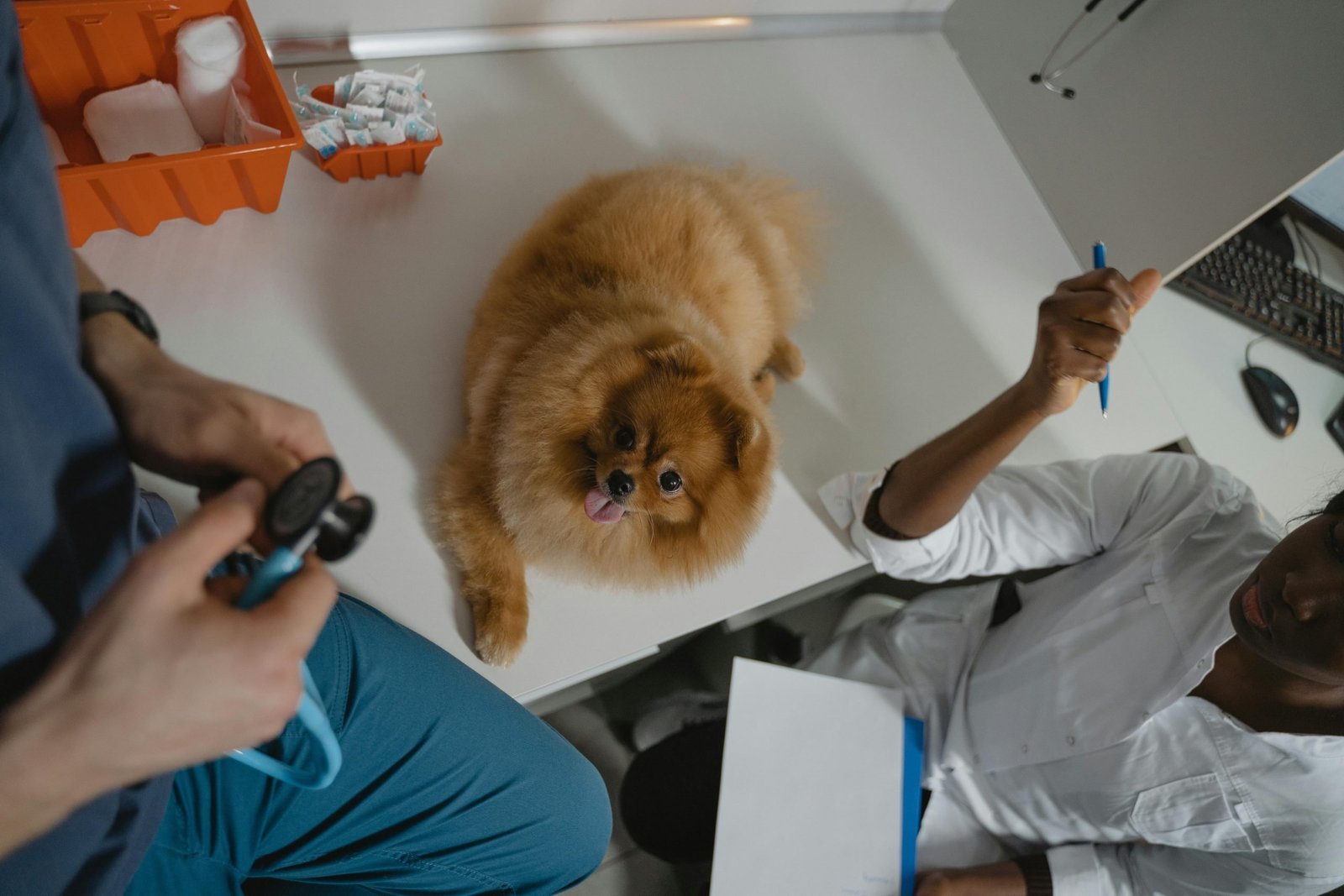
How Do Vets Figure Out Why a Dog Won’t Stop Sneezing?
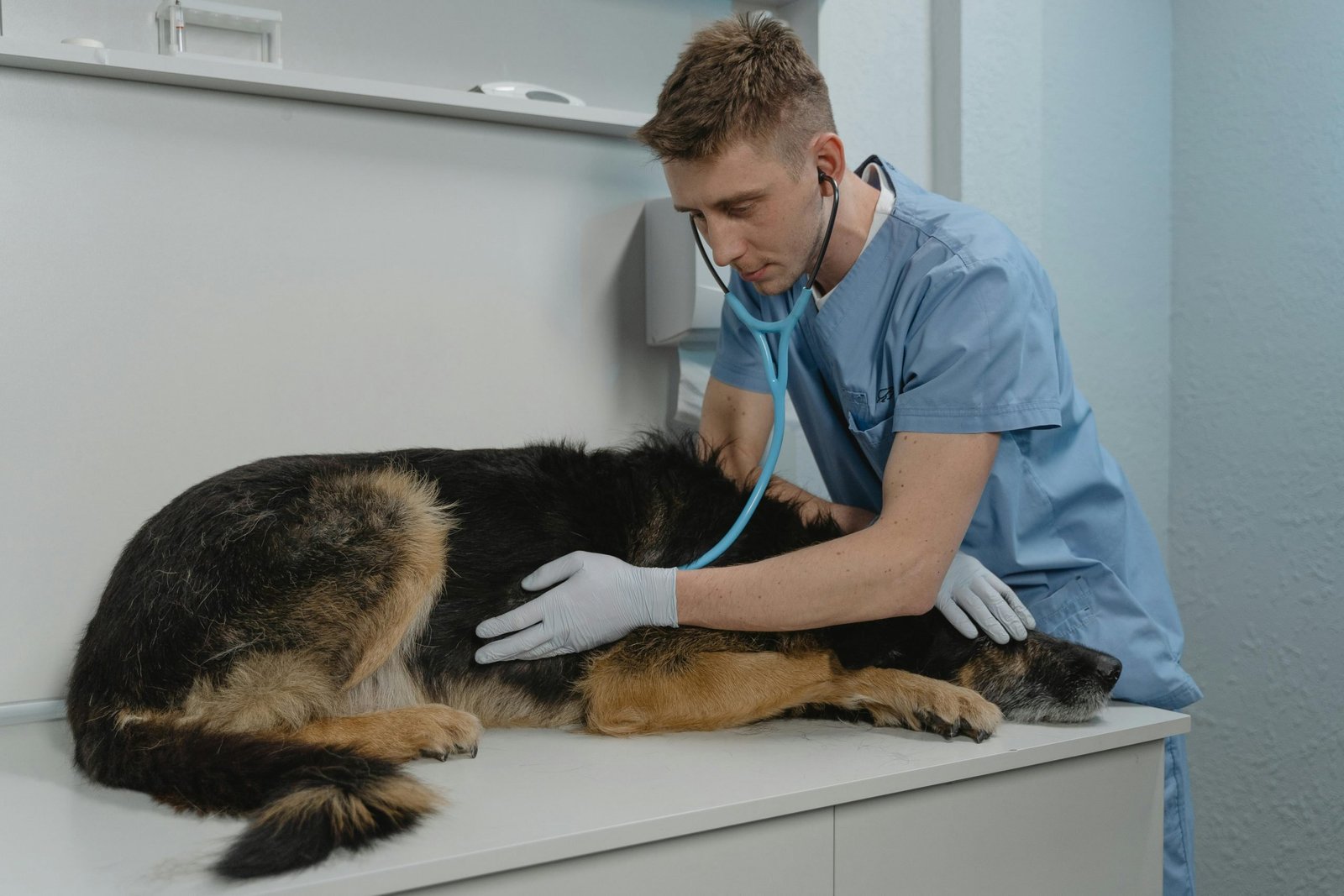
For sneezing that persists beyond a week or comes with concerning signs, your vet will typically start with a physical exam of the nose, mouth, and throat. Depending on what they find, next steps can include bloodwork, dental x-rays to check for a tooth root problem, or sedated imaging of the nasal cavity itself.
Chronic, one-sided sneezing in an older dog is one of the presentations that prompts vets to rule out a nasal tumor. That’s why persistent cases deserve real investigation rather than repeated rounds of guesswork.
Quick answer: A single sneeze rarely needs a workup. Sneezing lasting more than a week, or paired with blood, swelling, or appetite loss, does.
Was the article helpful?