
Your dog still meets you at the door and still wants the walk. Lately, though, it takes a moment longer to get up afterward, and the nap that follows runs longer than it used to. Nothing looks wrong, exactly. That is how the senior years usually arrive: quietly and in pieces, so the signs your dog is becoming a senior blend into the routine until they are well underway.
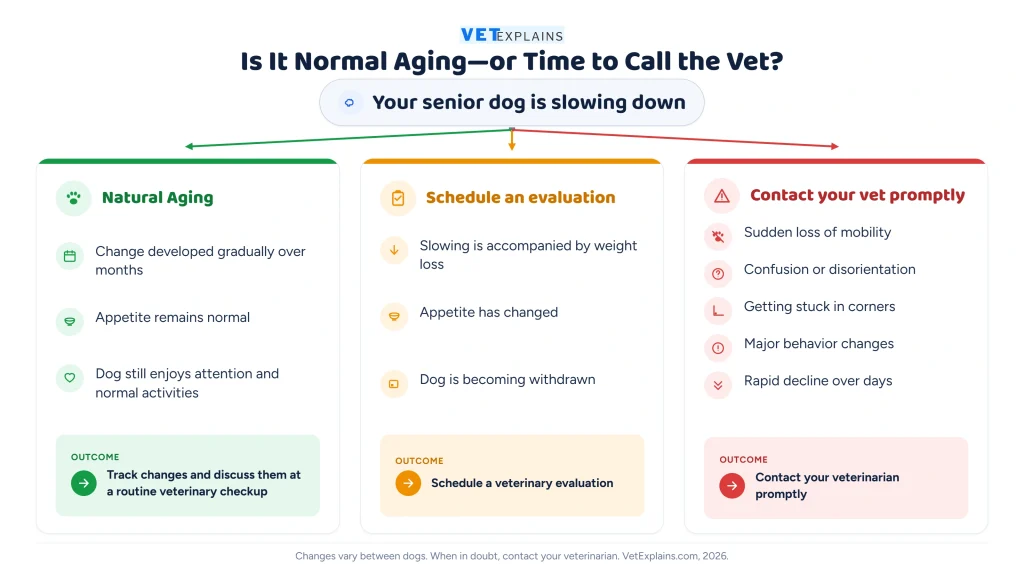
Almost every change you will notice has two possible readings. Aging is slow, broad, and not something that needs fixing. Illness tends to arrive faster, touch fewer things, and respond far better to being caught early. Three questions do most of the sorting: how fast did it arrive, how much of your dog does it touch, and does your dog still want food, company, and the walk? Aging answers slow, broad, and still wanting. Most of that sorting happens on the kitchen floor, not in a laboratory.
There is no single birthday that turns a dog into a senior. Size, genetics, and lifestyle all change how fast a dog ages, and size matters most: larger breeds can reach the senior life stage as early as 7 to 8 years, while small breeds are generally not considered seniors until around 12. Two dogs of the same age can look a generation apart, which is why what your dog can still do tells you more than the number on the birthday cake.
Slow, Broad, and Still Hungry Is Usually Just Aging
Reduced flexibility is often the first thing anyone notices. A pause before jumping into the car, a longer stretch after a nap, the stairs taken one careful step at a time. When it creeps in over months and shows on both sides fairly evenly, that usually reflects early joint wear rather than an injury, and can be an early sign of arthritis in dogs. If it is coming on gradually and your dog is eating normally, a routine evaluation is enough; it is not urgent.
Muscle changes too, sometimes while the scale stays put. Senior dogs tend to lose lean muscle and gain fat, so a dog can weigh the same as last year and still look bonier over the hips and shoulders. That age-related muscle loss is called sarcopenia (from the Greek sarx, flesh, and penia, poverty), and it matters for more than looks: weaker muscles affect balance and leave aging joints carrying more of the work.
Energy gets spent differently too. Your dog may still love a favorite game and just need a longer rest afterward, and more daytime sleep broken into shorter bursts of activity is usually normal. A drier or thinner coat and a graying muzzle are normal as well, and so is eating more slowly or looking less excited at dinner while still finishing the bowl. Consistency matters more than enthusiasm: a gradual change tells you more than one skipped meal.
Weight can creep up on exactly the same food, because senior dogs need fewer calories than they used to. Gradual gain is usually a portion problem rather than a disease, and a good moment to ask your vet about switching to a senior food.
Fast, Narrow, or Off Food Is a Different Conversation
The same slowing means something else entirely when it arrives in days. A sudden limp that appears overnight is not joint wear finally catching up; it is an event that needs looking at. The same goes for a dog who starts struggling to stand, climb, or walk over days rather than seasons. Normal aging unfolds over months, so speed on its own is reason enough to call your vet.
Combinations count as much as speed. A dog who slows down but still eats eagerly and wants to be part of the household is usually just getting old. When the slowing comes with weight loss, a change in appetite, or withdrawal, the picture shifts toward possible illness, and that combination deserves a timely visit rather than watchful waiting.
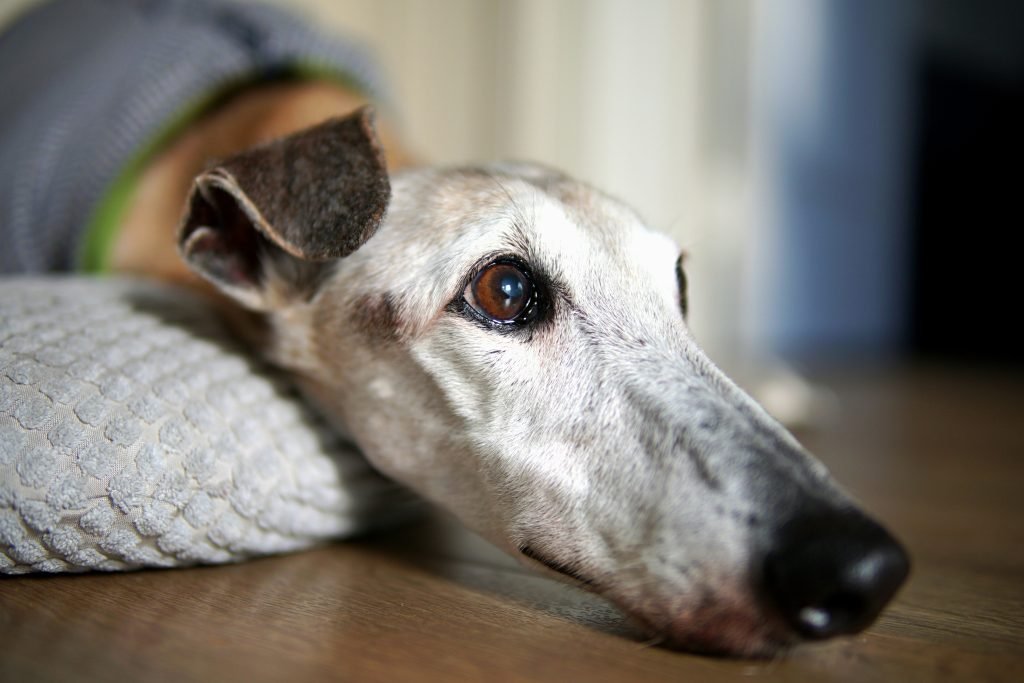
Weight loss earns more thought than any other single sign, because it is a classic sign of illness even though advanced age can bring it too. If I had to pick one thing to track at home, it would be weight. A dog who is eating noticeably less or losing weight without any change in diet is worth reporting even when they seem fine otherwise.
- 01
Sudden loss of mobility
Struggling to stand, climb, or walk, coming on quickly rather than over months.
- 02
Confusion or getting stuck
Disorientation or getting stuck in corners, which can be an early sign of canine cognitive dysfunction.
- 03
Marked behavior shifts
New withdrawal, aggression, or restlessness that is out of character.
- 04
Weight loss
Your dog is losing weight without any change in diet.
- 05
Appetite change
Eating noticeably less than usual, or losing interest in food.
- 06
Rapid decline
Any change that unfolds over days rather than months.
If any of those fit your dog, book the visit now rather than waiting for the next routine checkup.
Three Changes That Could Be Either
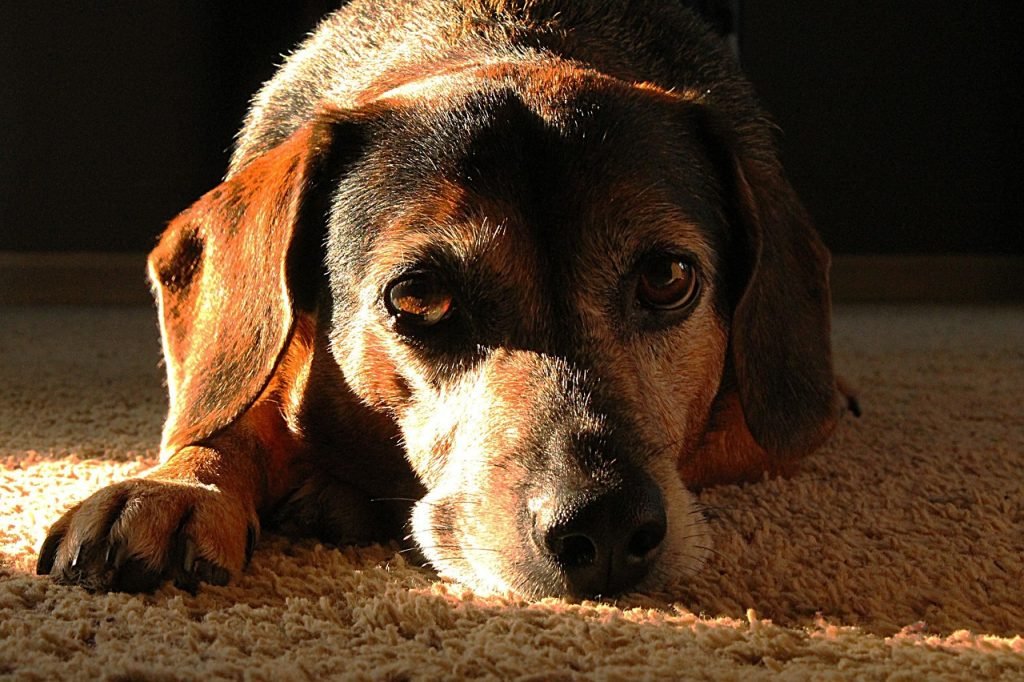
Three things sit between ordinary aging and illness, and guessing at them is how owners lose months. The first is sleep. Night sleep that turns lighter or more broken has two very different explanations: sore joints can make a dog hard to settle, and disturbed sleep is also a recognized sign of cognitive dysfunction in dogs. Noting when it started, and whether your dog seems restless or simply wakes more often, is what lets your vet tell the two apart. If sore joints turn out to be the reason, a supportive orthopedic bed can make those nights easier while the pain is treated.
The second is the dog who suddenly wants to be nearby. Following you from room to room looking for reassurance, or startling when someone walks up from behind, often reflects fading hearing or vision rather than anxiety, so make a little noise and approach from the front. Busy, noisy places can become tiring for the same reason, as slower processing and duller senses make them harder to cope with. Real confusion is a different matter. Getting lost in familiar rooms or forgetting old routines can point to cognitive dysfunction, although other medical problems look very similar, so your vet will rule those out first.
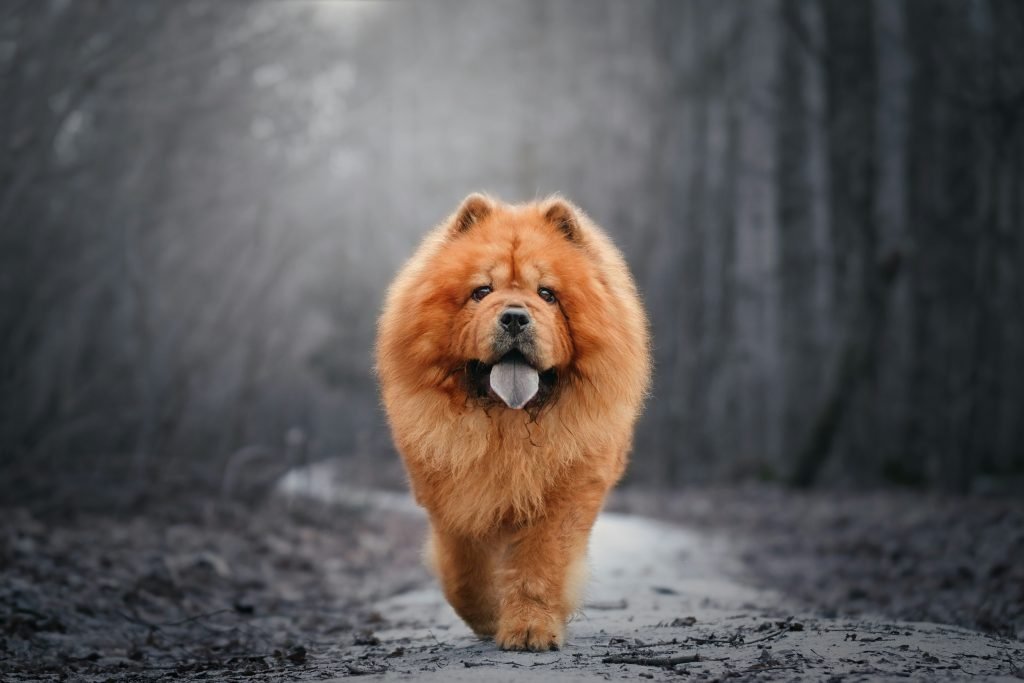
The third is a lump, and it is the one place here where watching and waiting is the wrong instinct. Skin lumps become more common in older dogs, and most turn out to be benign. But no one can tell a harmless lump from a cancerous one by look or feel, not even a cancer specialist, which is why oncologists teach the see something, do something rule. A lump the size of a pea that has been there for a month should be sampled with a needle or biopsied, not watched.
What Your Vet Is Comparing
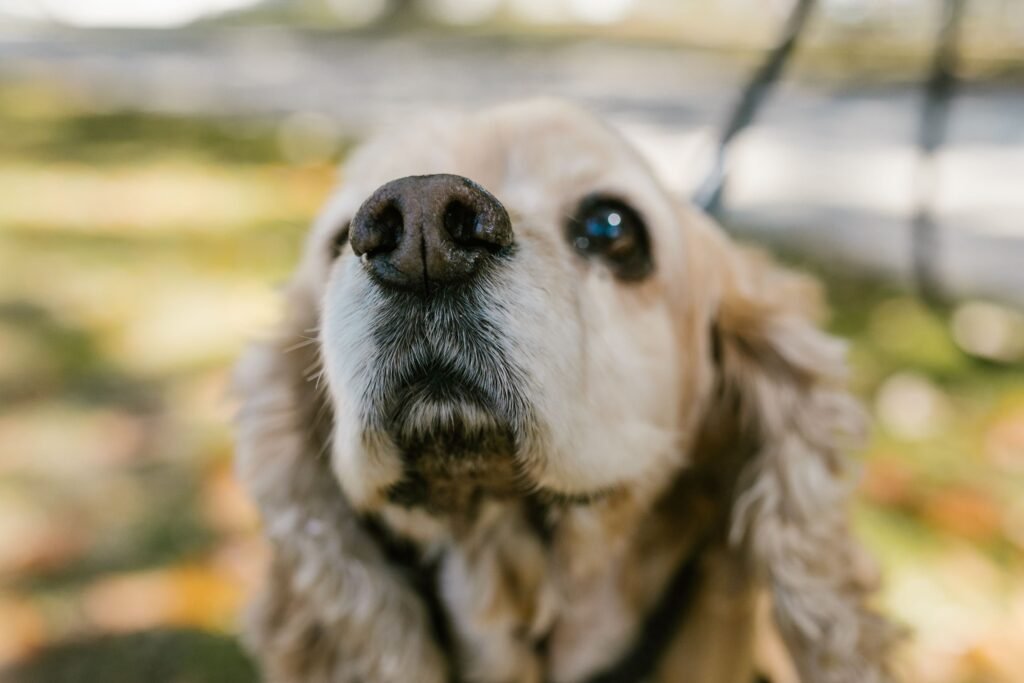
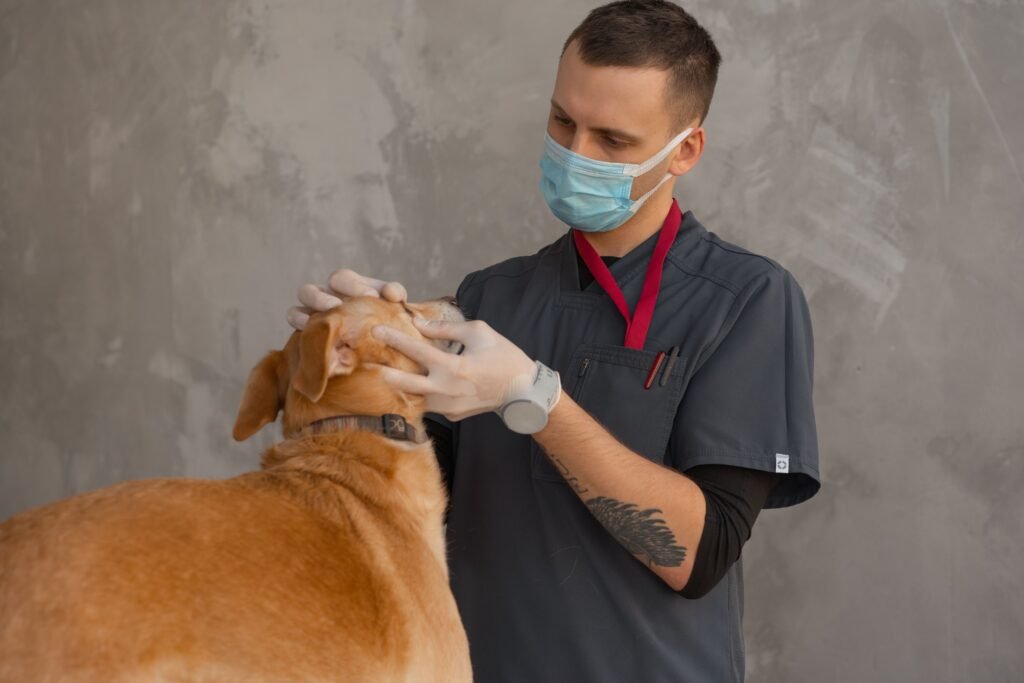
Aging dogs get judged on trends rather than single findings. A gradual weight shift, a subtle change in how a dog walks, or bloodwork values that drift across several visits say more than any one appointment can, and none of it is visible without an earlier reading to compare. That is the real argument for regular senior wellness visits, twice a year or more, even for a dog who looks fine day to day, because they let your vet adjust nutrition, activity, and monitoring earlier rather than later.
The goal is not to label your dog as old. It is to keep them comfortable and doing the things they like. Aging is expected; suffering is not.
What Actually Helps at Home
Watching your dog is useful, and writing it down is better still. A quick calendar note the first time they skip the couch, or the week the morning walk got shorter, beats trying to reconstruct months of small changes at the vet’s office.
Beyond that, keep routines steady and make small adjustments around them. Shorter walks, rugs on slippery floors, and a ramp or steps up to the couch or the car all help a dog who has started to hesitate. The point is to protect what your dog still enjoys rather than to retire them from it.
Was the article helpful?