

Why is my dog so tired all the time? A dog who suddenly wants to nap through the day instead of greeting you at the door is one of the more unsettling changes an owner can notice. Fatigue doesn’t come with an obvious injury or a limp pointing to the problem, which makes it harder to know how worried to be.
Quick answer: Occasional low-energy days are normal, especially after exercise, in hot weather, or as dogs age. Fatigue that lasts more than a day or two, or comes with other symptoms like pale gums or loss of appetite, warrants a veterinary visit.
What Counts as Normal Tiredness in a Dog?
Dogs sleep twelve to fourteen hours a day on average, more for puppies and seniors, so a lazy afternoon is not automatically a red flag. Heat, a hard hike the day before, a recent vaccine, or simply getting older can all slow a dog down temporarily.
The distinction that matters most is whether your dog bounces back. Normal tiredness resolves within a day or so and doesn’t come paired with appetite loss, vomiting, or behavior changes.
What Are the Common Medical Causes of Fatigue?
Persistent fatigue usually traces back to one of a few categories: not enough oxygen in the blood, a slowed hormone system, an overworked organ, or pain that saps energy. Infections, including tick-borne diseases like Lyme, and chronic pain are common triggers too, and both can be easy to miss at home.
| Cause Category | Example Conditions | Other Clues to Watch For |
|---|---|---|
| Blood and oxygen | Anemia, internal bleeding | Pale gums, rapid breathing |
| Hormonal | Low thyroid, Addison’s disease | Weight gain, cold intolerance |
| Organ function | Kidney or liver disease | Increased thirst, vomiting |
| Heart | Heart disease, arrhythmia | Coughing, exercise intolerance |
| Pain | Arthritis, injury | Stiffness, reluctance to jump |
| Infection | Tick-borne disease, other infection | Fever, reduced appetite |
Could It Be Anemia?
Anemia (from the Greek “an,” meaning without, and “haima,” meaning blood) means a dog doesn’t have enough healthy red blood cells to carry oxygen efficiently. Without enough oxygen reaching the muscles and brain, even simple activity feels exhausting.
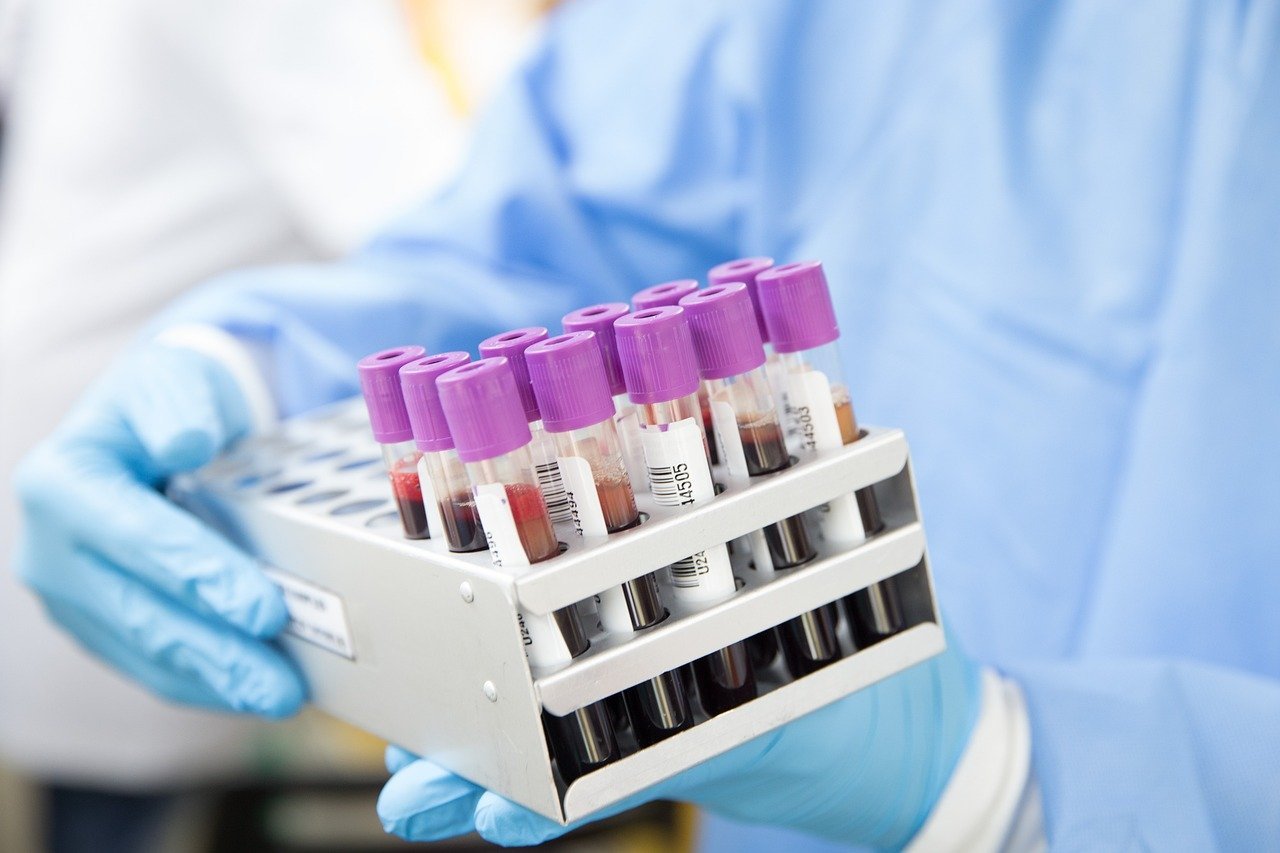
Pale or white gums are the clearest home clue, since healthy gums should be a bubblegum pink. Anemia can stem from parasites, an autoimmune condition, internal bleeding, or chronic disease that slows red blood cell production. A blood test is the only reliable way to tell which one is behind it.
Could It Be a Thyroid or Hormone Problem?
Low thyroid function, or hypothyroidism (from the Greek “hypo,” meaning under, and “thyreos,” meaning shield, for the gland’s shape), is one of the more common hormonal causes of fatigue. It shows up most often in middle-aged and older dogs, and certain breeds, including Golden Retrievers and Doberman Pinschers, are more commonly affected. Dogs with hypothyroidism often gain weight without eating more, develop a dull or thinning coat, and seem to run cold compared to other dogs in the house. Increased thirst can overlap with this picture too, so mention it to your vet if your dog has started drinking noticeably more.
Addison’s disease, a shortage of adrenal hormones, causes a subtler and more dangerous kind of fatigue that can wax and wane for weeks before a crisis. Both conditions are confirmed with blood work, though Addison’s usually needs more specific hormone testing to pin down, and both respond well to daily treatment once identified.
Could It Be Pain the Dog Isn’t Showing Obviously?
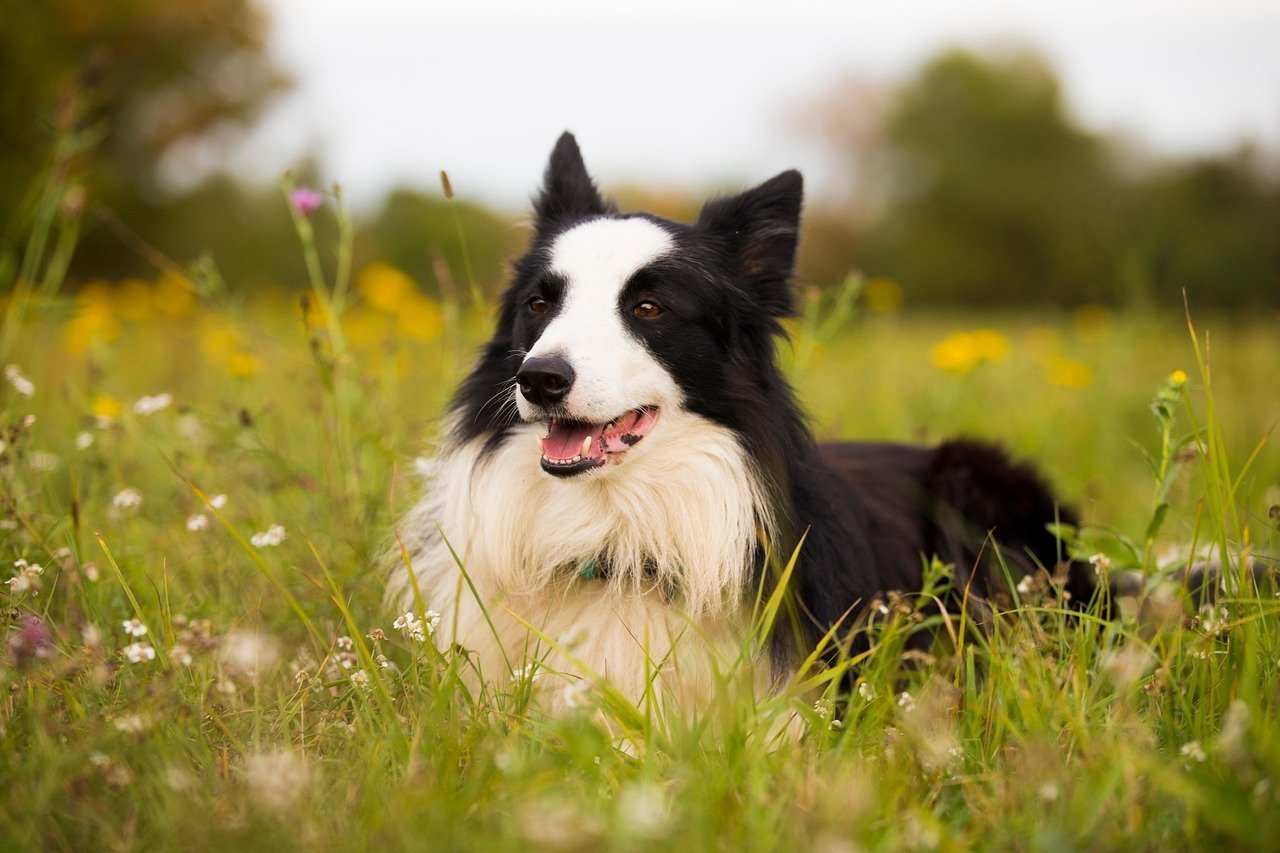
Dogs are skilled at masking pain. A dog who seems simply lazy may actually be experiencing lethargy (from the Greek “lethargos,” combining “lethe,” forgetfulness, and “argos,” idle) because moving hurts, not because nothing is wrong. Arthritis is the most common culprit, especially in larger or older dogs, and it tends to build gradually enough that owners chalk it up to normal aging.
Watch for these subtler signs that point to pain rather than plain tiredness:
- Slower to get up from lying down, or hesitant on stairs
- Reluctance to jump onto furniture or into the car
- Less interest in walks that used to be exciting
- Licking or chewing at a specific joint
When Is Tiredness a True Emergency?
Most fatigue develops gradually and allows time for a routine vet visit. Some presentations do not, and this is one of those situations where I would rather you call too early than too late.
See a vet now if you notice pale or white gums, collapse, labored breathing, or a swollen abdomen alongside sudden weakness. These can mean a ruptured spleen bleeding internally, or heart failure needing emergency treatment, and neither is a wait-and-see situation.
What Will My Vet Do to Find the Cause?
A physical exam and a basic blood panel usually narrow the possibilities quickly, since anemia, organ values, and thyroid levels all show up on standard lab work. Your vet will also ask about the timeline, since that alone can rule a lot of causes in or out. Did the fatigue come on suddenly, or did it creep in over weeks?
Bring a clear timeline of when the tiredness started and what else has changed, even small details like appetite or water intake. That information often matters as much as the exam itself.

Was the article helpful?