

Apoquel for dogs is one of the most commonly prescribed tools for allergy itching, and if your dog just got a prescription, you’ve probably already seen how miserable that itching can make them.
Here’s what apoquel for dogs actually does, what to expect in the first few weeks, and the side effects worth watching for.
What Is Apoquel Used For in Dogs?
Apoquel is prescribed to control itching caused by allergic skin disease, including environmental allergies and atopic dermatitis (from the Greek “atopos” meaning out of place, and “derma” meaning skin, with “-itis” meaning inflammation). It’s one of the most widely used medications in general practice specifically because it targets itch directly rather than just calming inflammation broadly.
Quick answer: Apoquel controls allergic itching in dogs quickly and is generally well tolerated, though it requires monitoring in dogs on long-term use.

Apoquel treats the itch, not the underlying allergy itself. Your vet may still recommend allergy testing, diet trials, or other management alongside it depending on what’s driving your dog’s symptoms. Some breeds are also more prone to environmental and skin allergies than others, so it can help to know where your dog’s breed falls if you’re planning for long-term management.
How Does Apoquel Actually Work?
Apoquel blocks specific enzymes called Janus kinases (named for Janus, the two-faced Roman god of doorways and transitions, since each enzyme has two near-identical halves) that are involved in the itch and inflammation signal. That interrupts the message before your dog’s brain even registers the urge to scratch. It’s a different mechanism than steroids, which suppress the immune system more broadly.
That targeted approach is part of why Apoquel tends to have a milder side effect profile than long-term steroid use, though it isn’t free of risk on its own. Pruritus (from the Latin “prurire” meaning to itch) is one of the most common reasons dogs are brought in for a skin evaluation.

How Quickly Does Apoquel Start Working?
Most dogs are noticeably less itchy within the first day or two of the first dose, which is fast compared to many other allergy treatments. Full effect for chronic allergic skin disease usually takes a few weeks of consistent use.
Your vet will typically start with a higher initial dose for the first two weeks, then may reduce it for long-term maintenance once the itching is under control. Most owners find apoquel for dogs easy to give since it’s a small, flavored tablet taken with or without food.
That flavoring is also why Apoquel Chewable needs to be stored where pets can’t reach it. The FDA has tracked a rising number of accidental overdoses in dogs and cats that got into a bottle and ate far more than their prescribed dose. Pork-liver flavoring is apparently hard for a dog to resist. Keep it in its original container, in a closed cabinet rather than on a counter or in a bag. If your pet eats an unknown number of tablets, call your vet or an animal poison control line right away instead of waiting to see if symptoms show up. The ASPCA Animal Poison Control Center is reachable at (888) 426-4435.
What Are the Common Side Effects?
Most dogs tolerate Apoquel well, and side effects when they occur tend to be mild. Vomiting, diarrhea, and reduced appetite are the most frequently reported issues, especially early in treatment.
- Occasional vomiting or soft stool, usually early in treatment
- Mild lethargy in the first few doses
- Increased thirst or urination in some dogs
- New lumps or skin masses, which should always be checked by your vet
Are There Rare but Serious Side Effects?
Because Apoquel affects part of the immune system’s signaling, long-term use has been associated with a possible increased risk of infections and, less commonly, growth of existing tumors. This is why most vets recommend periodic bloodwork for dogs on it long term.
This risk is uncommon, but it’s real enough that Apoquel isn’t treated as a walk-away medication. Regular rechecks let your vet catch early warning signs long before they become serious.
| Side Effect Category | Frequency | What to Do |
|---|---|---|
| GI upset (vomiting, soft stool) | Common | Usually resolves; mention if persistent |
| Mild lethargy | Common, early in treatment | Monitor, mention at next visit |
| New skin masses or lumps | Uncommon | Have your vet examine promptly |
| Recurrent infections | Uncommon with long-term use | Routine bloodwork monitoring |

Which Dogs Should Not Take Apoquel?
Apoquel is not approved for dogs younger than twelve months, and it should be used cautiously in dogs with a history of cancer or serious infections. Dogs already on other immune-suppressing medications also need extra caution and closer monitoring.
Your vet will review your dog’s full medical history before prescribing it, and this is worth bringing up directly if your dog has had cancer or recurrent infections in the past.

What Should I Watch For at Home?
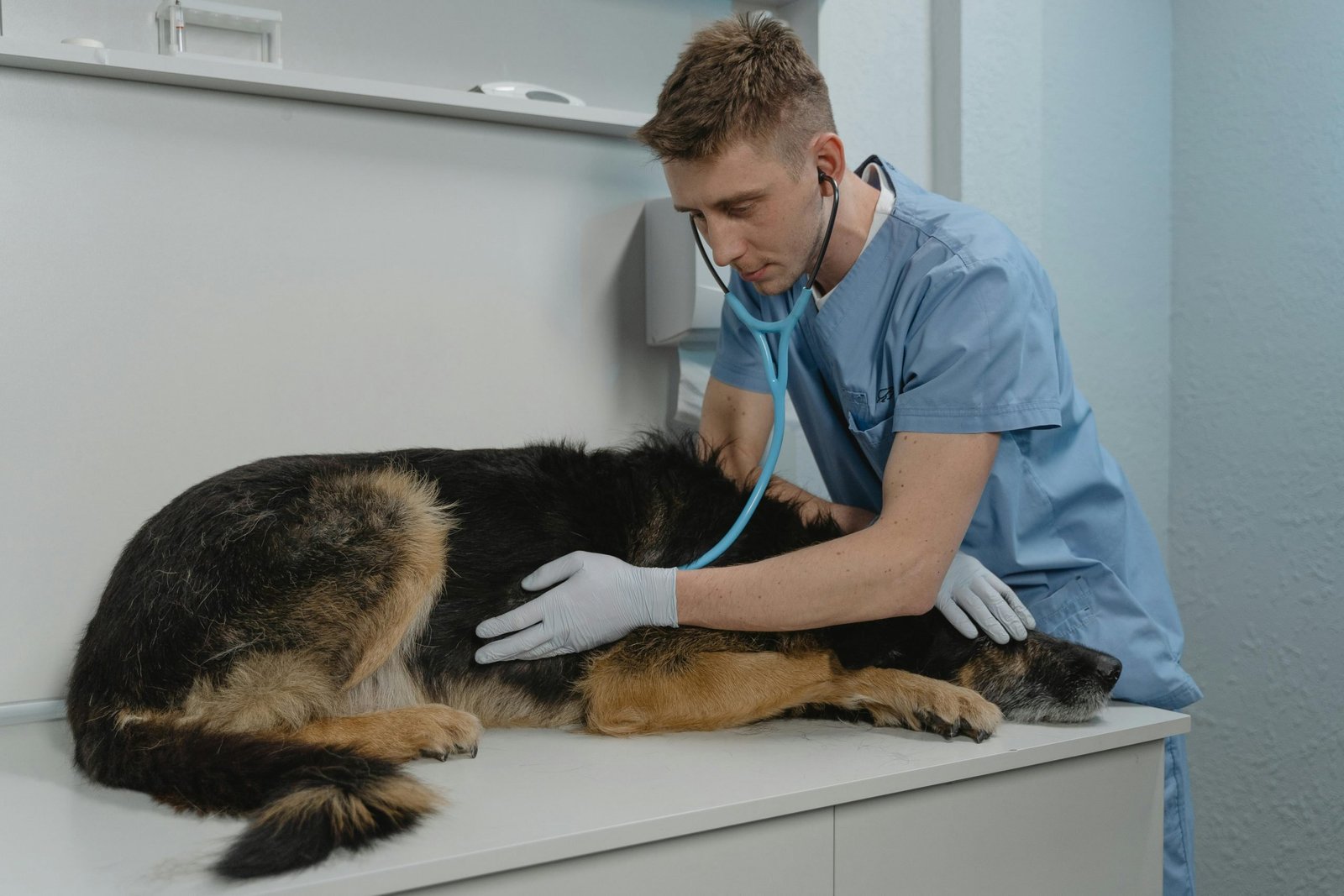
$3Most dogs also get baseline bloodwork and an exam before starting Apoquel, since that gives your vet something to compare against later. Outside of the emergency signs above, routine rechecks are typically every six to twelve months once your dog is stable.
Was the article helpful?