

Arthritis in dogs gets diagnosed twice. The first time happens at home, when a family decides the dog is simply getting old. The stiffer mornings, the skipped jump onto the couch, the new detour around the slick hallway floor all get filed under the ordinary signs of a dog getting older, and nobody looks further. The real diagnosis often comes years later. Age explains the timing, but the changes themselves come from a sore joint.
That difference sets how fast you need to act. A dog that moves more carefully, especially after resting or in cold weather, but is eating, alert, and still interested in you, has a chronic joint problem rather than an emergency, and that calls for a scheduled exam, not a rushed one. Mention a stiff morning at a routine visit rather than waiting for an obvious limp to force the appointment. Sudden lameness is a different matter, because joint wear builds up over years rather than overnight. So a limp that comes on suddenly, or lameness that is severe or comes with bleeding, needs same-day veterinary attention rather than a wait-and-see approach.

Age is not the diagnosis
The disease often mistaken for old age is osteoarthritis (from the Greek osteon, bone, and arthron, joint), also called degenerative joint disease. Inside the joint, the smooth cartilage that cushions the bones thins, fluid builds up, and small bony outgrowths form around the edges. The joint ends up stiff and sore, which is why many dogs are slowest to rise after a long rest. That slow rise comes from the joint, not from age.
The strongest evidence that it is not just age is how early it starts. Joint changes often begin in young adult dogs. Up to 40 percent of dogs between eight months and four years old have some osteoarthritis. Signs, though, are usually not noticed until between five and thirteen years of age. By the time a dog looks stiff, the joint has often been changing for years.
Where the joint went wrong
In dogs, unlike in people, arthritis very often starts early in life and depends largely on how the joints were built. Hip dysplasia and elbow dysplasia, where the joint forms loosely or unevenly as a puppy grows, are the classic starting points. So are a slipping kneecap and a torn cruciate ligament, the dog version of a torn ACL. A joint that fits together imperfectly wears unevenly.
Breed plays into this. Hip dysplasia is most common in stocky, heavy breeds such as Labrador Retrievers and German Shepherds, and least common in slender, athletic breeds like Greyhounds. Arthritis can also follow an injury, a joint infection, or an immune system problem, even in a joint that formed normally. If your dog was diagnosed with dysplasia as a puppy or had a cruciate tear repaired, that is the joint to watch.
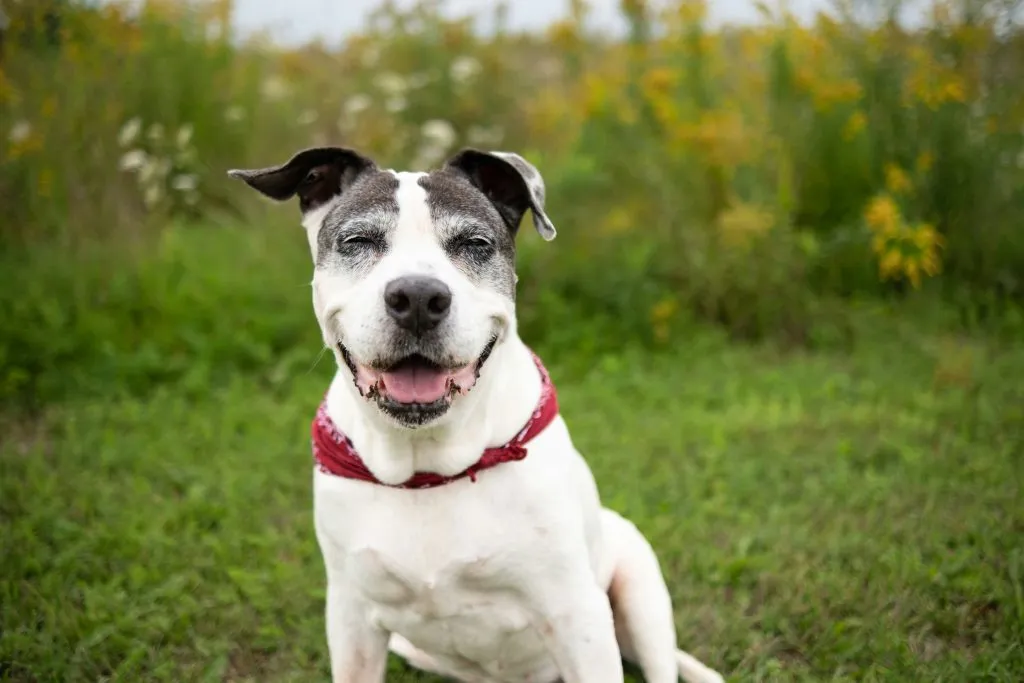
Learning to see it at home
Dogs rarely announce arthritis by limping. They compensate instead, shifting weight off the sore leg, shortening their stride, or resting more often. Each shift spares the painful joint, which is why it looks like old age, but each one also puts extra strain on the other legs.
- 01
Slow to get up
Takes longer to stand, especially after a long rest or on a cold day.
- 02
Skipping the jump
Hesitates before jumping into the car or onto the couch.
- 03
Trouble with stairs
Struggles going up or down stairs, one of the most common signs of arthritis.
- 04
Shorter stride
Takes shorter steps or shifts weight off one leg while walking.
- 05
Rest over play
Chooses lying down over games your dog used to start.
- 06
Avoiding slick floors
Steers around tile or wood floors where paws might slip.
Muscle is the part owners miss. A dog that moves less to spare a joint loses muscle, and that muscle loss adds its own pain and lameness. That is why keeping your dog safely active is part of treating arthritis, not a break from it.
You cannot confirm any of this on your own. Your vet confirms it with an exam and X-rays. The exam feels each joint for swelling, muscle loss, a grating sensation, and resistance to bending, and watches how your dog stands and walks. X-rays then show the changes in and around the joint, such as extra joint fluid, bony spurs, and sometimes a narrowed joint space.
Treatment should be guided by the signs your dog shows, not by how bad the X-ray looks, so what you notice at home counts as evidence. Owner questionnaires built for arthritis pain turn those observations into a score your vet can follow over time. A short phone video of your dog getting up after a nap helps too.

What actually helps
Arthritis is best managed with several treatments working together, because each one reaches the pain from a different direction.
Fat tissue is not just extra padding. It releases its own inflammation and pain signals. So a dog carrying extra pounds can hurt more than its X-rays would suggest. That is one reason keeping your dog lean is part of the arthritis plan from the start.
Of the medications, NSAIDs (nonsteroidal anti-inflammatory drugs) are the most predictably effective option for arthritis pain. The versions made for people are a different story. A human anti-inflammatory can last longer and reach higher blood levels in a dog, so give only pain medication your veterinarian has prescribed for your dog.
If your dog takes an NSAID long term, blood tests before starting and at regular intervals check liver and kidney function. That is routine safety monitoring, not a sign that something is wrong. Stop the medication and call your veterinarian if you see vomiting, diarrhea, black or bloody stool, a drop in appetite or energy, or yellowing of the gums or the whites of the eyes. These side effects can appear even in a previously healthy dog.
Owners often ask about joint supplements at this point. Omega-3 fatty acids have the best evidence, but they add to vet-prescribed pain relief rather than replace it. There are more options when pain is still not controlled. Gabapentin is often added alongside an NSAID when pain has a nerve component. For moderate to severe arthritis, there is a monthly antibody injection, bedinvetmab (sold as Librela). It blocks nerve growth factor, so it works on how sensitized nerves amplify pain, not on joint inflammation. Some dogs will likely benefit from both this injection and an NSAID. In December 2024, the FDA alerted veterinarians to reported side effects in treated dogs, including wobbliness, seizures, and drinking and peeing more, without establishing that the drug caused them. Ask your vet about those reports before the first injection.
In earlier stages, a series of cartilage-protecting injections may be the more useful option. For some joints surgery is an option, such as a total hip replacement or removing the ball at the top of the thigh bone, and how well surgery works depends on which joint is affected and how badly. Therapeutic laser and acupuncture are also used as add-ons.

Living with it for years
Long-term arthritis care is about keeping your dog’s life good, not about removing every limit. Many dogs remain happy and engaged when activities are adapted to their comfort, such as shorter walks taken more often. At home, ramps or steps for the car and couch spare the jump that costs a stiff dog the most.
Bring what you notice to each vet visit, since that is the part your vet cannot see. If your dog keeps losing ground despite treatment, book a recheck sooner, because the plan may need adjusting.
Was the article helpful?