
Your dog has been drinking more water than usual, or asking to go out at night, and you are wondering whether the kidneys are behind it. They might be, and the early signs of kidney failure in dogs are easy to explain away, because a dog’s kidneys carry far more capacity than it needs. By the time the water bowl empties faster, the disease has usually been underway for a long time.
Chronic kidney disease, the form most dogs get, builds over months to years, so there is normally time to investigate it calmly. The sudden kind is far less common and looks nothing like it. A dog that goes from normal to very sick quickly needs to be seen now, not at the next appointment. Everything in between is easier to read once you know what the kidney is trying to do.
What a Kidney Does, and Why Losing It Stays Hidden
A kidney has two jobs that matter here. It concentrates urine, pulling water back out so the body keeps what it needs, and it clears waste products out of the blood. Nearly every sign of kidney failure is one of those two jobs slipping.
Both jobs have enormous spare capacity, which is why the loss stays invisible. Thirst and urination usually do not increase until about two-thirds of the kidney’s filtering units have stopped working, and blood values such as creatinine typically stay in range until about three-quarters are gone. A dog can look normal while much of its kidney function is already lost. The first real hints are easy to explain away too, because a dog drinking a little more in warm weather or after exercise does not look sick.
The First Signs: Thirst and Urination
The concentrating job goes first. It causes the earliest and most consistent signs, increased thirst and increased urination, which your vet may call polyuria and polydipsia (from the Greek poly, “much,” + ouron, “urine,” and dipsa, “thirst”). A damaged kidney loses some of its ability to concentrate urine, so the dog passes more of it and has to drink more to keep up. At home that is a bowl that empties faster and a dog asking to go out at night.
The changes alongside it are quieter. A slightly smaller appetite, a little less energy, and weight that drifts down over several weeks rather than days are all easy to put down to age. None of them proves kidney disease on its own. That takes a blood and urine test.
Later Signs: Waste Builds Up in the Blood
The clearing job fails later. When it does, waste products stay in the blood and the dog starts to feel genuinely unwell, which is the stage owners describe as the dog not being itself. These are the changes they tend to notice.
Acute and Chronic Kidney Failure Look Different
Acute and chronic kidney disease differ mostly in how fast you have to move. Chronic disease takes both jobs away slowly, so the signs build over weeks and owners often piece them together in hindsight. Acute kidney injury takes them away at once. It usually comes from a toxin, an infection, or a spell of poor blood flow to the kidneys, and it makes a dog obviously and rapidly unwell rather than gradually different.
If your dog does not fit the slow pattern, do not wait on the slow timeline. If you notice any of the signs below, treat it as an emergency and get your dog seen now, not at the next regular appointment. Acute kidney injury can progress quickly without treatment.
Go to the vet immediately
The Triggers That Sit in an Ordinary House
Grapes and raisins are one of the least predictable entries on the list of foods toxic to dogs. The toxic amount is not known and sensitivity differs between dogs, so even a few can be dangerous for some dogs. Ethylene glycol antifreeze poisoning does the same kind of sudden damage, and so do anti-inflammatory painkillers such as ibuprofen and certain antibiotics. So can a long period of poor blood flow to the kidneys. Leptospirosis, a bacterial infection dogs pick up from urine-contaminated water or soil, is another cause to rule out, especially in a dog with access to standing water.
Slower Causes, Inherited Risk, and Age
Chronic kidney disease can follow long-standing high blood pressure, a kidney infection, inflammation of the kidney’s filters, or a urinary blockage, and in some dogs it is inherited.
A handful of breeds carry that inherited risk. Shih Tzus, Norwegian Elkhounds and Samoyeds are among the breeds prone to kidneys that do not develop properly, which usually becomes evident between 6 months and 2 years of age. Cairn Terriers and Bull Terriers can inherit polycystic kidneys, and Bull Terriers also carry hereditary nephritis, an inherited defect in the kidney’s filtering membranes that leads to progressive kidney failure.
Outside those inherited conditions, breed matters much less than age. Chronic kidney disease becomes more common from about 5 to 6 years of age onward, which is why it is mostly a disease of senior dogs and not young ones.
How Vets Confirm Kidney Disease, and When to Ask for Bloodwork
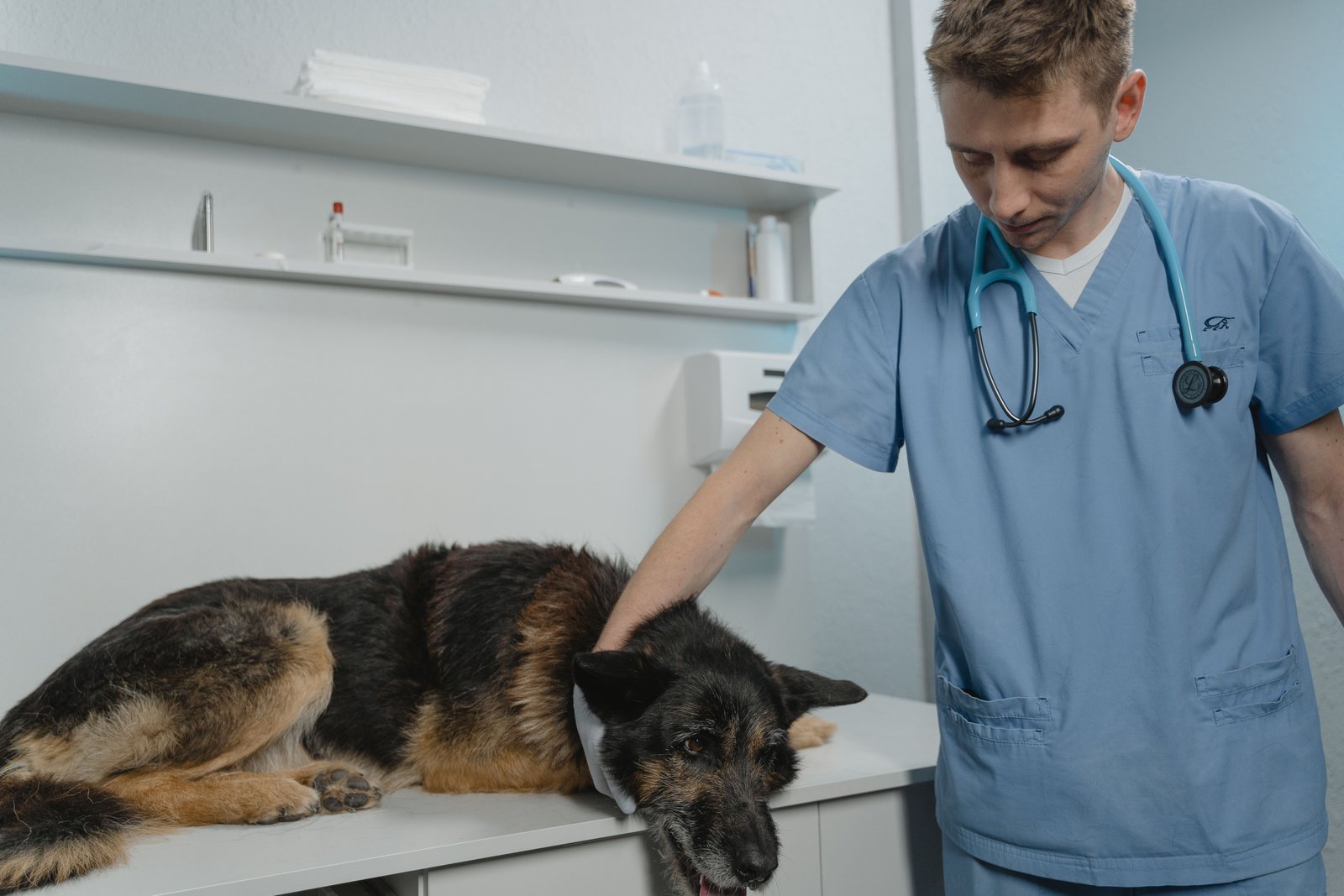
Symptoms alone cannot separate kidney disease from several other conditions that look the same from the outside, so your vet confirms it with a test for each job, bloodwork and a urinalysis. Creatinine, BUN, and SDMA read together, along with how concentrated the urine is, give a much clearer picture than any single sign. Your vet will also look for a cause that can be treated, especially when the signs appeared suddenly.
Book a veterinary visit and ask for those tests if you notice new or worsening thirst and urination, or an appetite that stays down for more than a couple of days. The same goes for unexplained weight loss, or vomiting that keeps coming back, even when nothing about your dog looks like an emergency. A normal result is better than explaining these signs away for another season.
What Happens After the Bloodwork
If the results confirm reduced kidney function, your vet will usually stage it with the IRIS staging system (International Renal Interest Society). It uses creatinine or SDMA, then adds urine protein and blood pressure. Staging only applies to stable disease, so it usually follows a bloodwork recheck in 2 to 4 weeks. A change of less than about 20 to 25 percent between the two tests counts as stable and helps rule out a one-off shift from dehydration.
The stage then guides treatment. Early on that means a kidney diet and monitoring. More advanced disease adds fluid support, phosphorus binders, and blood pressure medication. That care continues for years, and the cost of treating kidney disease is easier to manage when you plan for it. With proper treatment, dogs with chronic kidney disease can live for a long time, and those fed a kidney diet live longer. It also helps to understand whether kidney values can return to normal, because not every abnormal result is permanent.
What You Can Do at Home
Most of what helps at home makes up for the concentrating job the kidney is losing. Keep fresh water available at all times, ideally in more than one bowl around the house, because a dog that cannot concentrate its urine has to drink more to stay hydrated. Switching some or all meals to canned or wet food adds water without asking your dog to drink it. That can help even before a diet change is formally recommended.
Do not give anti-inflammatory painkillers (NSAIDs) or other over-the-counter pain medication without checking with your veterinarian first, because these drugs are a recognized cause of kidney injury. Weigh your dog regularly (a kitchen scale works for small dogs). Weight loss is one of the signs that kidney disease is advancing, and a scale catches it sooner than your eye will. Keep every recheck appointment, even when your dog seems to be doing well.

Was the article helpful?