Table of Contents
If your dog has just been diagnosed with pancreatitis, ask your veterinarian which low-fat food to offer and when to start. Do not try to manage an active episode with a home diet alone.
How long your dog needs fat restriction depends on recovery, other conditions, and whether pancreatitis returns. Diet is one part of treatment; nausea, pain, and dehydration also need veterinary care.
Why Diet Matters
Pancreatitis is inflammation of the pancreas. The term comes from Greek pankreas, meaning pancreas, and -itis, meaning inflammation. In one dog study, table scraps, unusual foods, and raided trash were linked with higher odds of the disease. That does not prove one meal caused an episode; many dogs have no clear trigger. Low-fat feeding is standard during recovery, although studies have not pinned down the best fat level for every dog.
Ask your veterinarian for a target in grams of fat per 1,000 calories. Current veterinary guidance for dogs with pancreatitis recommends less than 20 grams per 1,000 calories. Your veterinarian can help you compare foods on that basis and account for your dog’s other needs.
A label that says light describes weight control, not necessarily the fat level your dog needs. When reading a dog-food label, ask for the fat content per 1,000 calories before substituting a weight-control food.
What Should I Feed During the Acute Episode?
Do not fast your dog at home to “rest” the pancreas. Veterinary teams generally try to feed early once vomiting is controlled. Uncontrollable vomiting may require a brief pause. In a small study of hospitalized dogs, those offered food within 48 hours began eating on their own sooner than dogs fed later. A feeding tube may help if your dog still cannot eat enough. The team will judge the timing for your dog.
When your dog can eat, the veterinary team may recommend small, frequent meals of an easily digested low-fat food. A generic short-term bland diet is not automatically a complete pancreatitis diet.
An acute episode is not something to manage at home. Severe pancreatitis can lead to organ failure or death. The signs of pancreatitis in dogs that warrant veterinary care the same day include repeated vomiting, abdominal pain, weakness, refusing food, dehydration, or diarrhea. Ask for urgent help sooner if your dog is collapsing or cannot keep water down.
What Does a Long-Term Low-Fat Diet Look Like?
After recovery, some dogs can return to their previous food. Others, especially dogs with repeated episodes or high blood fats, need a longer low-fat plan. Ask which applies to your dog before changing the diet.
A complete therapeutic low-fat food is a practical starting point. If your dog needs a homemade diet because of other medical problems, have a veterinary nutritionist formulate it. An improvised low-fat recipe can be short on essential nutrients.
For a dog who needs ongoing restriction, consistency matters. A sudden high-fat meal may trigger another episode, so everyone who feeds the dog needs to know the plan.
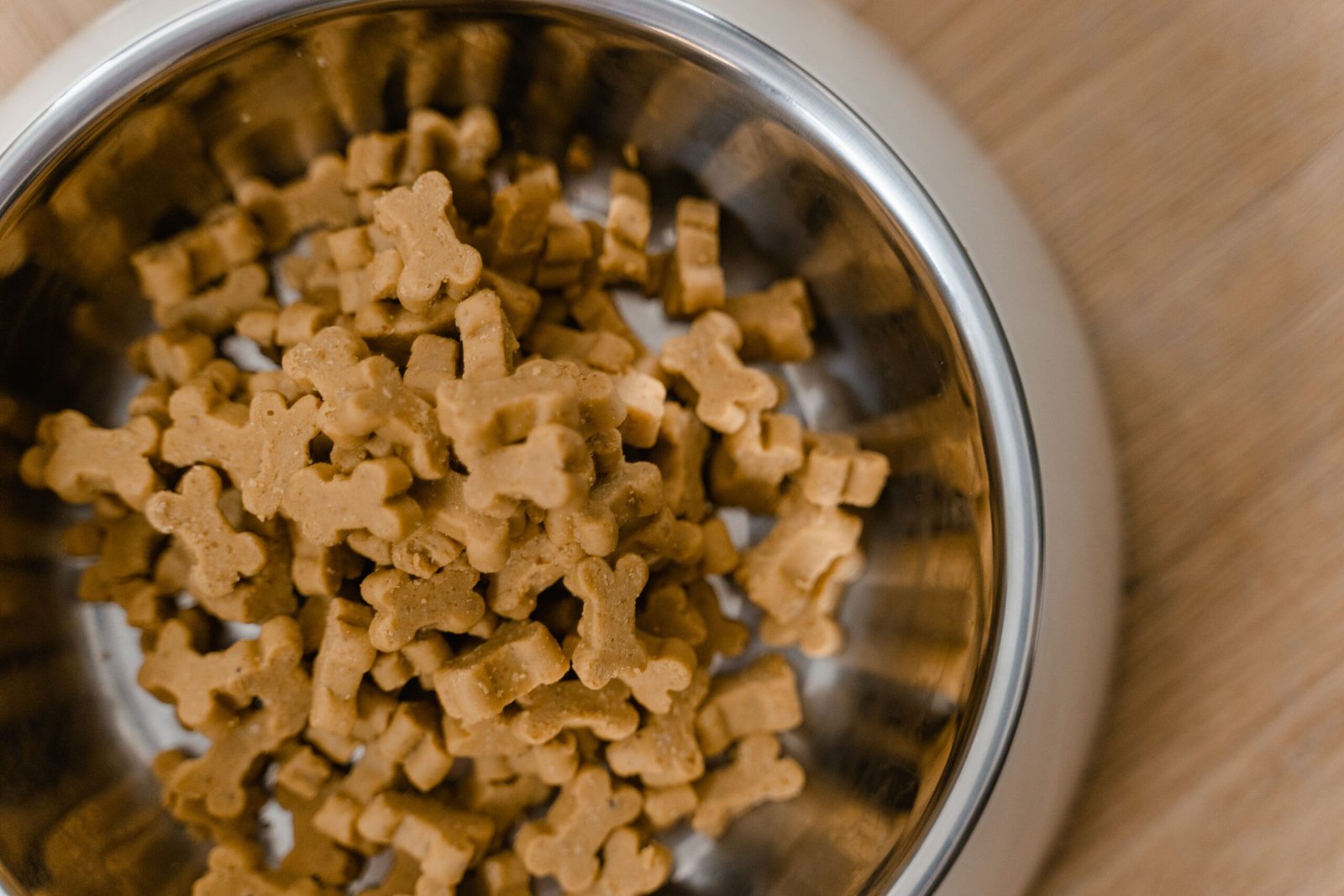
Are There Foods I Should Avoid Completely?
Keep fatty meats, fried food, bacon grease, butter, and fatty table scraps away from a dog with a history of pancreatitis. Table scraps and raided trash are dietary exposures linked with higher odds of the disease in dogs.
At gatherings, tell guests about the no-scraps rule before food comes out. The holiday date itself was not linked to pancreatitis in that dog study. The food within reach is what you can control.
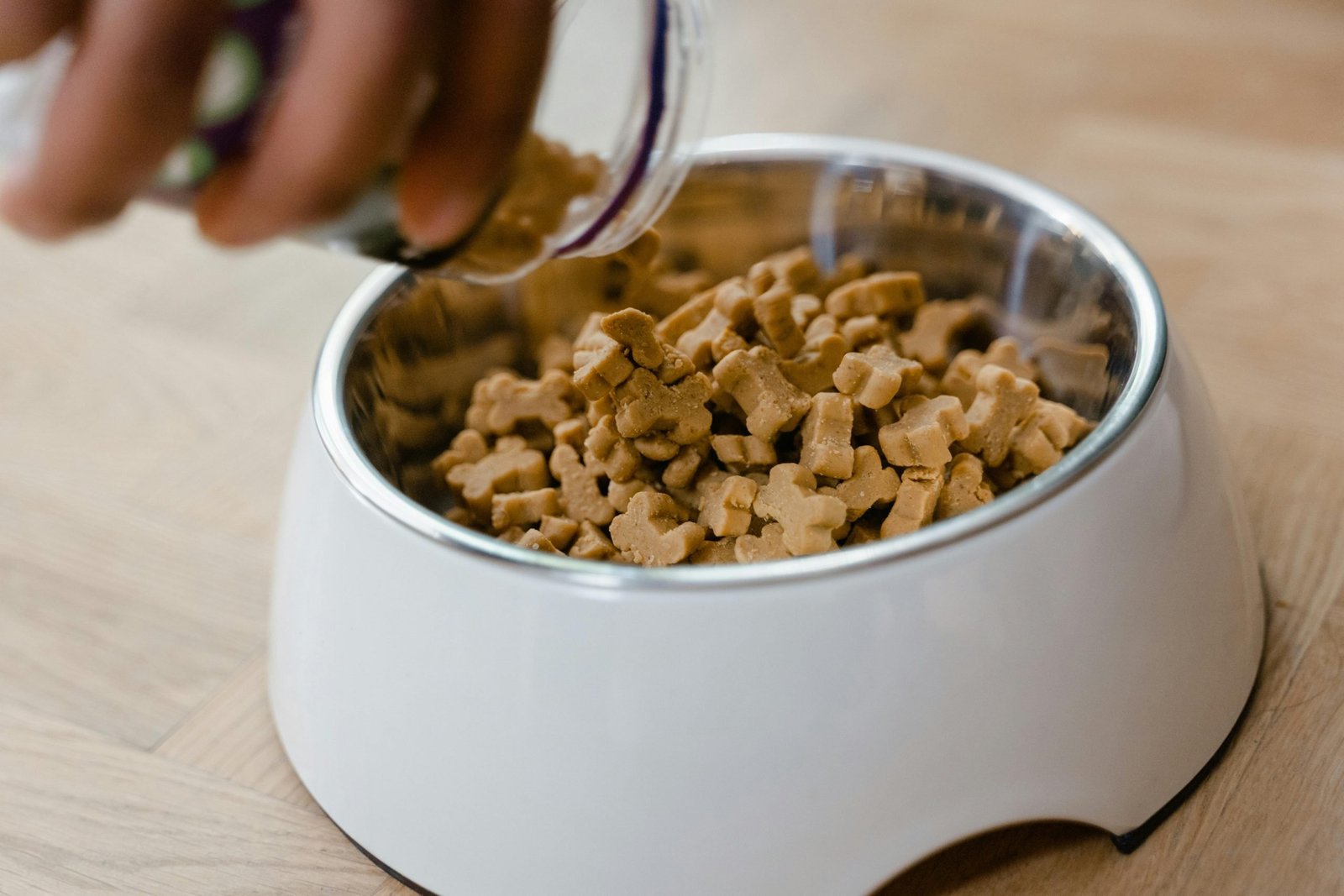
What About Treats and Table Scraps?
Treats count toward the same fat exposure as meals. A rich snack may be a problem for a dog prone to repeat attacks, even if it looks small.
Use treats that fit your veterinarian’s fat guidance, or set aside a few pieces of your dog’s regular food to hand out during the day. Do not assume an ordinary commercial treat is low fat.
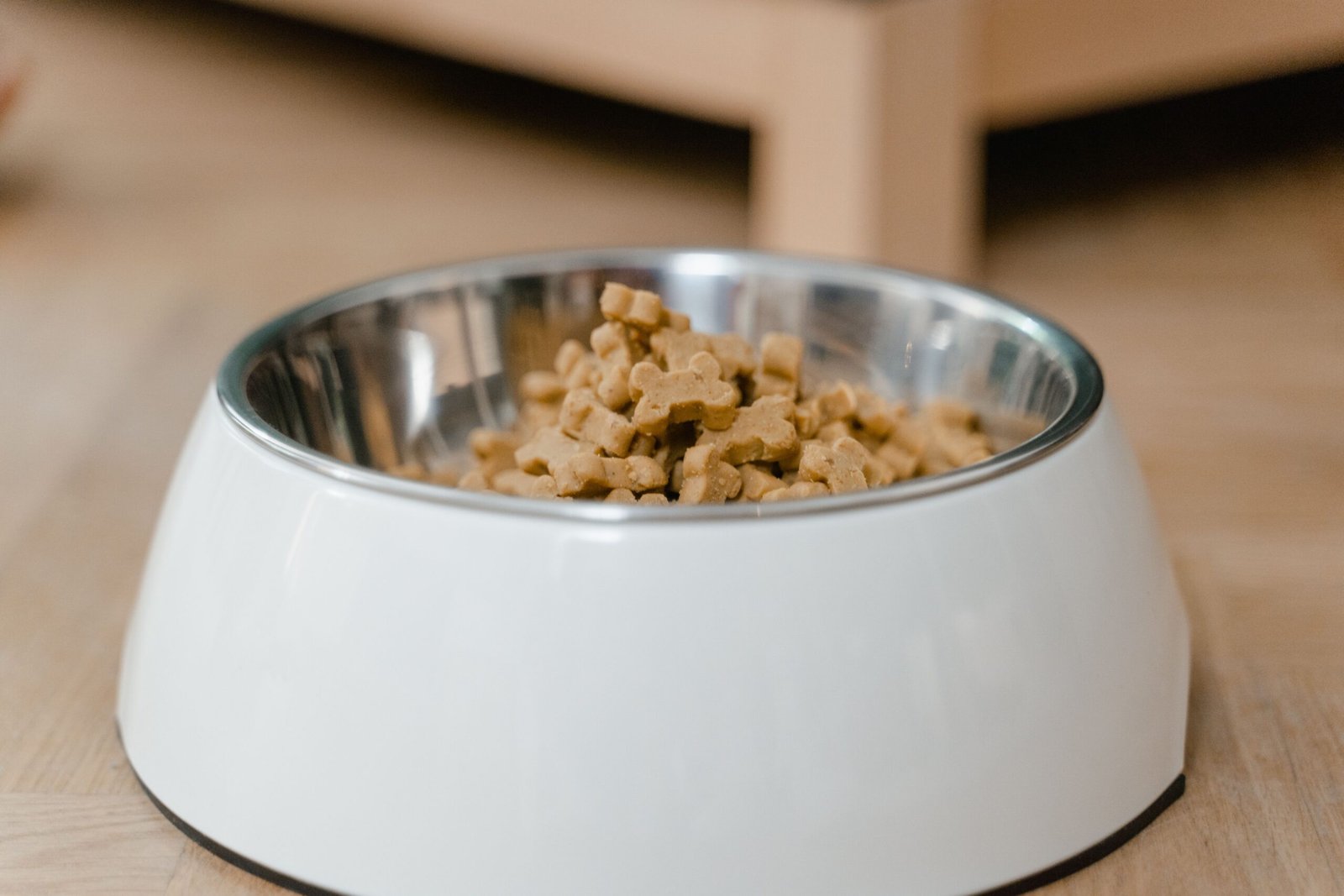
How Do I Transition Back to Regular Feeding?
If your veterinarian approves a return to the previous diet, make the change over roughly seven to ten days to reduce digestive upset. Some dogs should stay on low-fat food. Make that decision before starting the transition.
Tell the clinic if vomiting returns, appetite drops, or stool quality worsens during the change. Your veterinarian can tell you whether to slow down or return to the previous step.
Was the article helpful?