
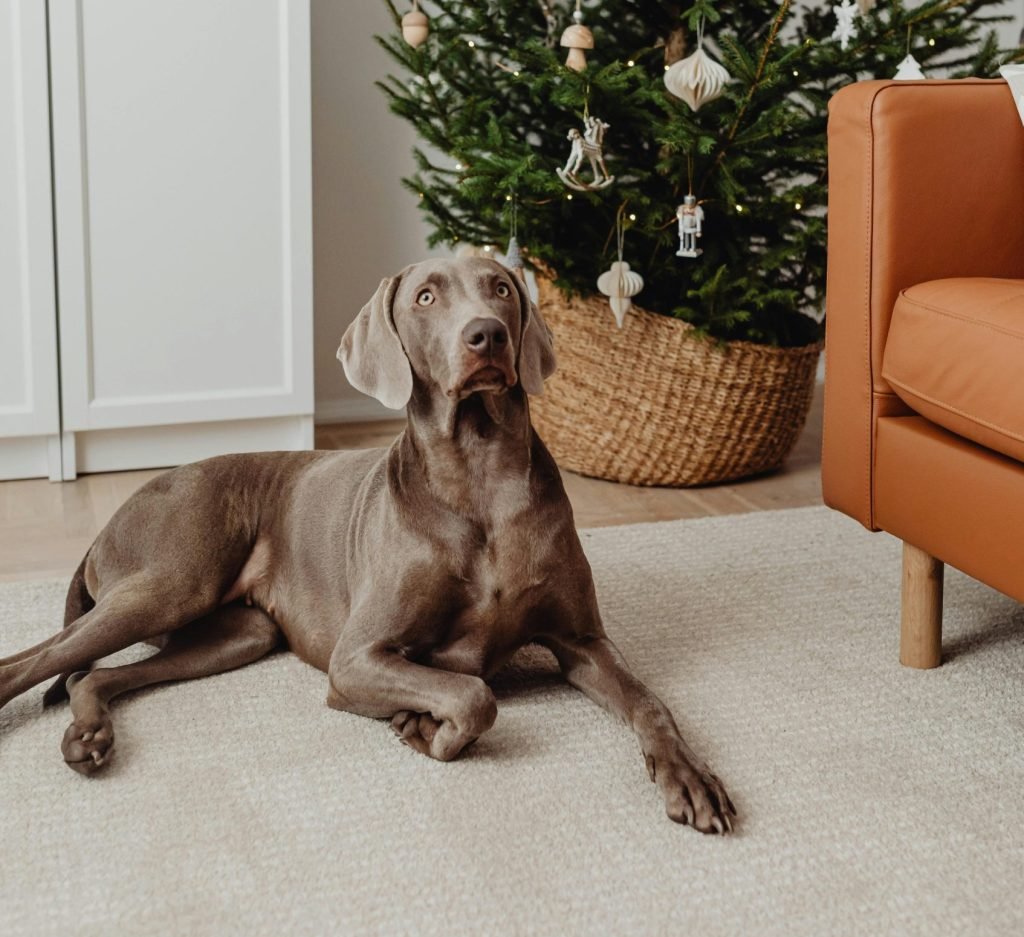
A guest slips the dog a piece of ham under the table, or the chocolate advent calendar turns up chewed open on the floor. Either way, the best night of the year can end at an emergency clinic. A handful of holiday foods toxic to dogs are dangerous in amounts that look harmless, and each one turns up at a different moment of the season. For every toxin in depth, all year round, see the complete list of foods toxic to dogs. What follows takes the holiday in the order it actually happens.
Working out when your dog got into something is worth the effort, because most of these foods do not hurt a dog the moment they go down. Several buy a quiet few hours, and a couple buy a quiet few days, so knowing which moment produced the exposure tells you what clock is already running. Depending on the food, the trouble is poisoning, pancreatitis, or an intestinal blockage.
Before Anyone Sits Down
By the time the first guest rings the doorbell the house is already loaded. The counter has been covered in baking for a week, the tree has presents stacked under it, and a dog left alone with either one has time to work undisturbed.
Xylitol is the fastest of these poisons, which is why it goes first. It hides in sugar-free holiday baking and in the gum or mints in a guest’s handbag, and a label may call it birch sugar or wood sugar. In dogs it sets off a rapid, dog-specific release of insulin, and blood sugar can drop sharply within 30 minutes. Larger exposures can also damage the liver.
Grapes and raisins turn up in holiday baking rather than in a fruit bowl: fruitcake, mince pies, Christmas pudding, stollen, and oatmeal-raisin cookies. Their likely toxin, tartaric acid, can cause sudden kidney failure even in small amounts. A dog that starts to urinate less than normal needs a vet immediately.
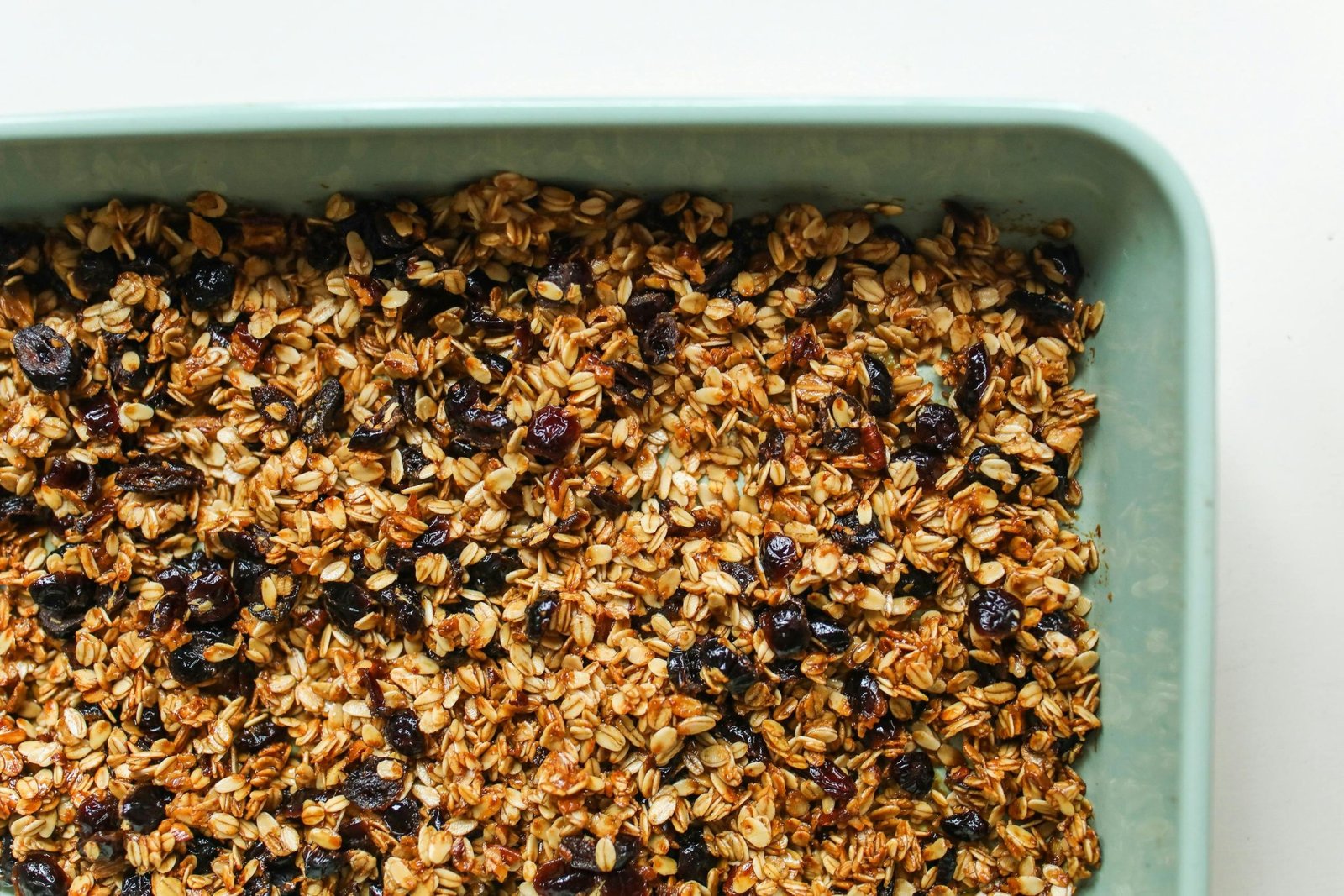
Chocolate is everywhere at Christmas, from advent calendars and wrapped gifts under the tree to baking chocolate and cocoa, which are the most potent kinds. Dogs are slow to clear theobromine, its stimulant, so even a small amount is worth a call to your vet.
Unbaked yeast dough left out to rise is the other hazard on the counter. It keeps fermenting after a dog swallows it, so it goes on making alcohol inside the stomach.
At the Table
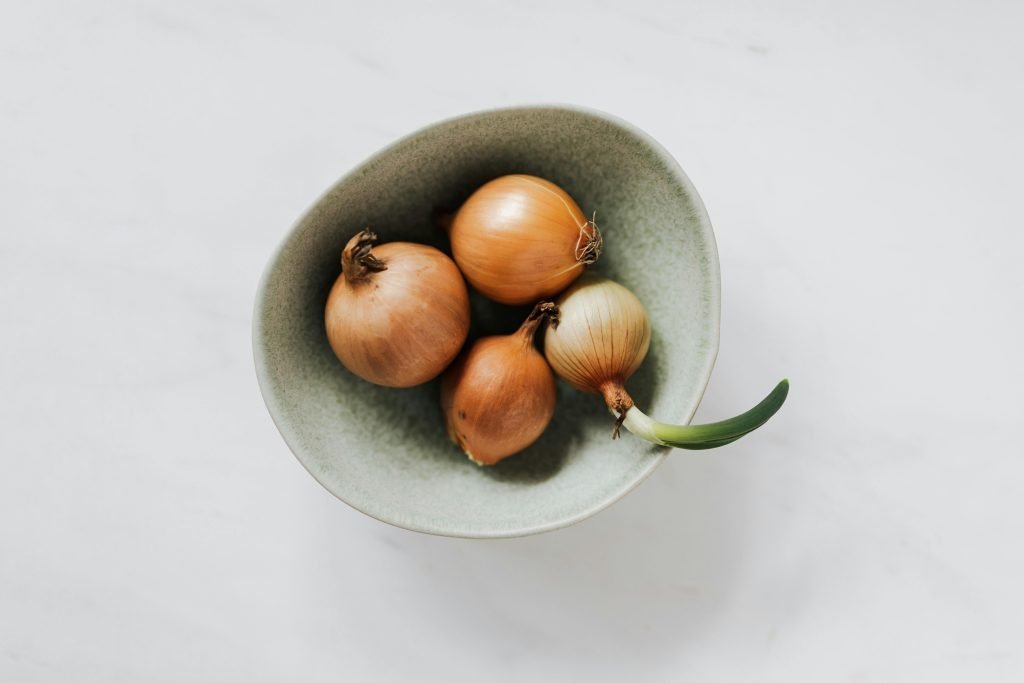
Onions, garlic, and leeks are already cooked into the stuffing, the gravy, and the savory sides long before the plates come out. That is why a dog that has never been handed an onion can still take in a meaningful dose of one. Garlic is several times more toxic than onion. The resulting anemia, a loss of oxygen-carrying red blood cells, often takes several days to show, so do not wait for signs.
Alcohol works fast. Within 30 to 60 minutes of drinking it a dog can be vomiting, staggering, and breathing poorly, and severe cases progress to coma. Eggnog and rum-soaked desserts are the usual holiday sources.
Then there is the ham. High-fat holiday food is not poisonous at all, and that is precisely why it gets handed under the table. A sudden rich meal is thought to be a common trigger for pancreatitis, a painful and potentially serious inflammation of the pancreas (Greek pan, “all,” and kreas, “flesh”). Ham, turkey skin, rich gravy, and buttery side dishes are the usual culprits, especially when a dog that normally eats kibble gets a plateful in one sitting. A flare looks like vomiting, a hunched or painful belly, weakness, and refusing food. Those signs call for your vet the same day rather than a home remedy, and if pancreatitis is confirmed, feeding during recovery follows a low-fat plan your vet sets.
If you want the fuller picture, signs of pancreatitis in dogs walks through what a flare looks like and how it is diagnosed. The other risk factors that stack on top of a rich meal are covered in what triggers pancreatitis in dogs.
The table below puts the six main problems side by side. What your dog ate decides how fast it needs to be seen.
Signs Your Dog May Have Eaten Something Dangerous
Time matters more than certainty, and the reason is the delay. Several of these poisons give a deceptively quiet first few hours. Chocolate signs build as theobromine accumulates. Grape damage shows up in the kidneys a day or more later. Onion anemia takes several days to appear. A dog that looks fine an hour after eating something toxic has not been cleared.
Not every raid is witnessed, either. Somebody sets a plate down, somebody else lets the dog through from the kitchen, and the gap in the story only shows up a day later. In the hours and days after a party, these are the signs that should make you suspect your dog ate something harmful.
- 01
Vomiting or diarrhea
Often the first sign after a raid on the table
- 02
Abdominal pain or bloating
A hunched stance, or a tight, swollen belly
- 03
Lethargy or weakness
Unusually tired, wobbly, or reluctant to move
- 04
Tremors or seizures
Shaking, twitching, or a full seizure
- 05
Loss of appetite
Turning down meals or favorite treats
What to Do If Your Dog Eats a Holiday Food
Before you call, note what was eaten, roughly how much, when, and your dog’s weight, and keep the packaging. That sounds like paperwork, but the ingredient list and the amount are what decide whether your dog can be watched at home or needs decontamination right away. Neither decision can be made from “some chocolate, a while ago.” I would much rather you call about a chocolate coin that turns out to be harmless than wait to see what happens.
If you think your dog has eaten something toxic, don’t wait to see if symptoms develop. Contact your veterinarian or an emergency animal clinic right away. If neither is reachable, the ASPCA Animal Poison Control Center at (888) 426-4435 and the Pet Poison Helpline at (855) 764-7661 both answer 24/7, holidays included; a consultation fee applies. Do not induce vomiting unless a veterinary professional instructs you to.
Preventing Holiday Food Accidents
Keep all food and leftovers out of your dog’s reach, and dispose of scraps in a trash bin your dog cannot get into. If you are ever unsure whether something on the table is safe, this list of foods that are unsafe for dogs is worth bookmarking. So is the year-round list of foods toxic to dogs.
Let your holiday guests know which foods are unsafe for pets, and ask them not to sneak your dog any table scraps. That request lands better with a substitute attached, so put out dog-safe holiday treats (like a pumpkin-and-gingerbread biscuit variety made specifically for dogs) and let people hand those over instead. Food is not the only holiday stressor either: if fireworks and noise make your dog anxious, keeping pets calm during Christmas and fireworks is worth a separate read.
This article is for educational purposes only and is not a substitute for professional veterinary care. Always consult a licensed veterinarian regarding your pet’s health and nutritional needs. As an Amazon Associate, Vet Explains earns from qualifying purchases.
Was the article helpful?