
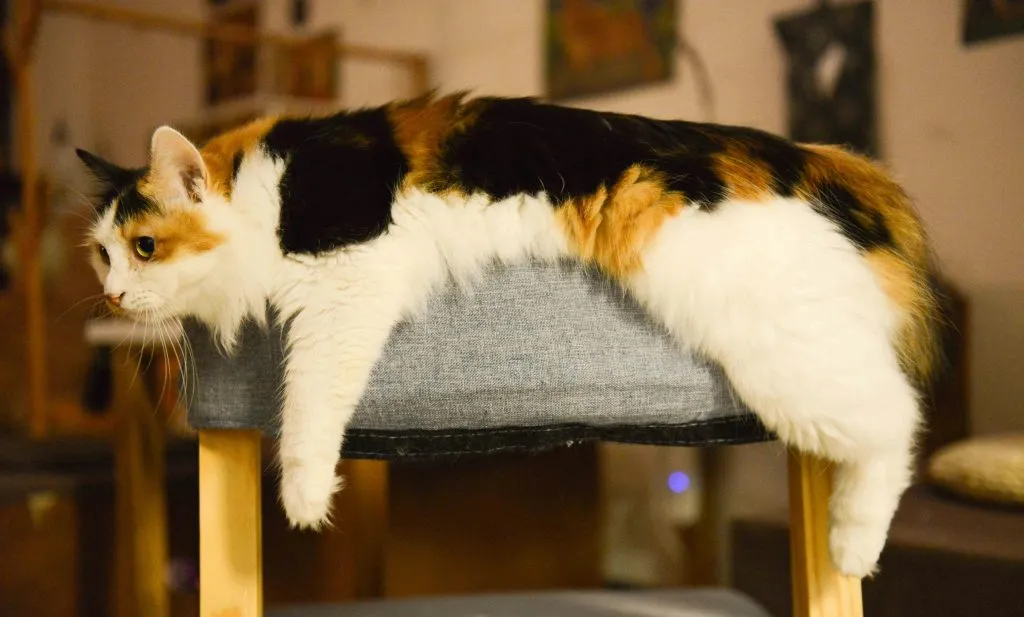
A cat who arrives frightened in the carrier and struggles through the blood draw is the cat whose white count can come back high. When high white blood cells in cats show up on a report, the most common explanation has nothing to do with serious illness. Something as ordinary as the stress of the vet visit itself can push this number up.
Common causes include inflammation or infection, stress hormones, steroid medication, and less often immune or bone-marrow disease. The type of white cell that is high, such as neutrophils, lymphocytes, or eosinophils, helps narrow the cause.
A complete blood count looks at red cells, white cells, and platelets together. A drop on the red side is covered in our guide to anemia in cats; this article is about the white side. It sits on the standard cat bloodwork panel, and it is one of the numbers most sensitive to circumstance rather than disease.
A white blood cell count is a sum of several different cell types working together. A high total driven mostly by one of them tells a very different story than one where several rise together. That is why the differential breakdown usually matters more than the single number on top.
Neutrophils, Lymphocytes, Eosinophils and Monocytes
White blood cells are the immune system’s responders, patrolling the body and reacting when they find infection, inflammation, or injury. There are several types, each with a different job. Neutrophils respond quickly to bacterial infection and general inflammation. Lymphocytes handle longer-term immune memory and viral defense. Eosinophils react to parasites, fleas included, and to allergic disease, and monocytes clean up afterward.
A common feline reference interval for the total white blood cell count is 5.5 to 19.5 thousand cells per microliter. Every laboratory prints its own range beside your result, and that is the one your veterinarian reads against.

Adrenaline, Cortisol and the Vet-Visit Patterns
White blood cells rise for reasons ranging from simple stress to genuine infection. Stress comes first, because cats show two different vet-visit patterns that look opposite on paper. One is an adrenaline pattern, with neutrophils and lymphocytes both up. The other is a cortisol pattern, with neutrophils up and lymphocytes down. Either can appear in a completely healthy cat.
The adrenaline version, sometimes called an excitement leukogram, comes from fear and handling. It pushes mature neutrophils into circulation along with lymphocytes released from the spleen, and it usually fades within about 30 minutes once the cat settles. The cortisol version builds over a longer stressful morning. A low lymphocyte count, the hallmark of a corticosteroid leukogram, is a more consistent finding than the neutrophil rise. Neither pattern usually releases immature cells, which is part of how the laboratory tells stress apart from infection.
Beyond stress, the count rises with true infection, including abscesses from cat fights and bites, with inflammation from any cause, and less commonly with bone marrow disease.
What Does a Mildly High White Blood Cell Count Usually Mean?
A mild elevation in a cat who otherwise seems well, especially with the stress pattern of high neutrophils and low lymphocytes, is often the stress leukogram rather than illness. What settles it is usually a recheck once your cat is calm, or watching for real symptoms at home, rather than a bigger workup straight away.
Abscesses, Band Neutrophils and Counts That Mislead
A high white cell count deserves closer attention when it is markedly elevated, does not fit the classic stress pattern, or comes with symptoms you can spot at home, such as:
- 01
Fever
Warm ears or a body that feels hot to the touch
- 02
Lethargy
Hiding or resting more than usual
- 03
Decreased appetite
Eating less than normal or leaving meals
- 04
Vomiting
Any vomiting in a cat who also seems unwell
- 05
Wound or swelling
A visible wound, swelling, or abscess
- 06
Limping
Limping or reluctance to move
Unneutered male cats with outdoor access are the ones most likely to fight, and a bite-wound abscess is a common reason for a high white cell count. After a fight, ask your veterinarian about FIV testing too, because bites are the main way feline immunodeficiency virus spreads. A test run straight after a fight can still read negative. Detectable FIV antibodies take 2 to 6 months to develop, so a retest at least 60 days later is what answers the question.
A cat with a firm, painful swelling likely has an abscess. Combined with fever and lethargy, that needs veterinary care now. These usually have to be opened and drained, not treated with antibiotics alone. Do not wait on the white cell count: a cat who is hiding, not eating, or feverish needs to be seen either way.
One line on the differential separates a frightened cat from a sick one better than the total count does: band neutrophils, the immature forms. Stress patterns release mature cells and, as a rule, no immature ones. When bands appear in numbers, the marrow is emptying its reserves to keep up with inflammation. When immature forms outnumber mature ones on a normal or even low total, that is called a degenerative left shift, a sign of an acute, severe problem.
It works in reverse too, which is the part a printout hides. A genuinely sick cat can have a normal or even low white cell count. Overwhelming bacterial infection and gram-negative sepsis can consume neutrophils faster than the marrow replaces them. Feline leukemia virus and feline distemper can also lower white cell counts. A normal count can reassure you about a well cat. It does not rule out serious infection.
Reading the Differential Against Fever and the Exam
Your veterinarian reads the white cell count alongside which cell types are raised, your cat’s temperature, the physical exam, and how stressed your cat was during collection. A classic stress pattern in a comfortable, well-behaved cat is generally reassuring. A count dominated by neutrophils alongside fever and an exam finding such as a wound or swelling points toward true infection or inflammation that needs treatment.
Finding the Source: Exam, Smear and Treatment
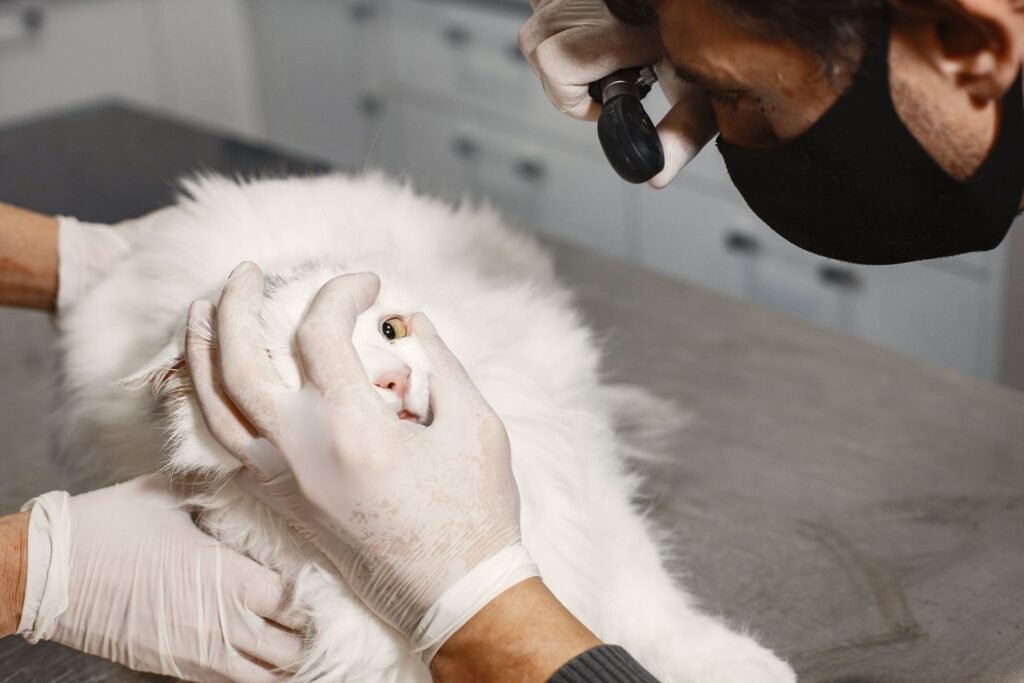
A mild elevation that fits the stress pattern in a cat with no symptoms usually needs nothing more than a note in the record, or a recheck once your cat has settled. For a result with fever, a wound, or other symptoms, your veterinarian will look for the source. That usually means a hands-on exam for a bite wound or abscess, and a blood smear to look for immature or abnormal cells. Treatment is aimed at what that turns up. Tell your veterinarian about any recent fights, wounds, or behavior changes, because they help narrow down where to look.
Was the article helpful?