
Whether pet insurance is worth it depends mostly on when you ask. For a healthy puppy or kitten, a policy can do exactly what it was built to do. After a frightening diagnosis, the option to insure that condition is usually gone, and no amount of shopping around brings it back.
I don’t sell insurance, and I don’t earn a commission for recommending one company over another. So what follows is how these policies actually work: what they cover, what they cost now, and when a savings account does the same job. The National Association of Insurance Commissioners keeps a plain-language overview of how the product is regulated and what the coverage categories mean. It is worth reading alongside our other pet care cost and insurance topics.
Pre-Existing Conditions and Why Timing Matters
Most policies exclude pre-existing conditions, and the definition reaches further than most owners expect. Anything your pet already shows signs of during the waiting period counts as pre-existing too, even if nobody had put a name to it yet. A limp that started three weeks before you enrolled falls on the wrong side of that line.
That is why the same pet can be a good candidate one month and a poor one the next. Nothing about the policy changed, only what the insurer is allowed to call pre-existing. The best time to buy is before anything is wrong.
How Reimbursement Works and What Policies Cost
Most pet insurance is reimbursement insurance, which means you are the one who pays the clinic. You pay a monthly premium to the insurer and settle the bill at the time of the visit. Then you submit a claim and get back a set percentage once your deductible has been met.
Accident and illness plans are the most common type, and the ones that do the real work. They cover a broken bone, a swallowed toy that needs surgery, or a new diagnosis such as diabetes in a dog or kidney disease. Accident-only plans are cheaper and narrower, since they pay for injuries but not for illness.
Wellness add-ons that cover vaccines and routine exams are not really insurance. They spread out the cost of care you had already planned to buy. They do not protect you against a large, unpredictable bill, so judge them as a payment plan, not as coverage.
Premiums vary with your pet’s species, breed, age and location, along with the deductible and reimbursement percentage you choose. Age is part of that. Insurers have to disclose whether age changes your premium, so ask before you enroll and budget for an increase rather than meeting it at renewal.
For a benchmark, the average US accident and illness policy in 2025 ran about $836 a year for a dog, roughly $70 a month. For a cat it was about $435 a year, roughly $36 a month. Accident-only cover averaged far less, about $190 a year for dogs and $112 for cats, but it pays nothing toward illness.
The Bills Insurance Is Really For
The bills that justify a premium are not the routine ones. A torn ligament repair, a foreign body surgery, or a few days of hospitalization for pancreatitis can each produce a large estimate. An owner then has to weigh the treatment against a bank balance. That is a hard moment for everyone in the room, and it is not a failure of love.
It is also measurable, which tends to surprise people. Among 260 dogs treated for bloat at Australian emergency clinics, 37 percent of the uninsured dogs were euthanized before surgery, compared with 10 percent of the insured ones. Insurance does not change whether your pet gets sick. It changes whether cost has to be part of the decision you make in the exam room.
Who Pet Insurance Fits and Who Should Skip It
Insurance tends to be worth it for young, healthy pets enrolled before any diagnosis exists. That is especially true for breeds predisposed to expensive problems such as hip dysplasia, bloat, or certain cancers. Read the fine print carefully there, though. Many policies exclude hereditary and congenital conditions, and the breed risk you are most worried about is exactly the one to check for by name before you enroll.
The other good fit is an owner who knows that a large, sudden bill would change the decision. If an estimate you cannot absorb would mean declining a surgery you would otherwise want, a policy that turns it into a predictable monthly premium is doing real work.
Self-insuring is the honest alternative, and for plenty of households the better one. You set aside a fixed amount every month in a dedicated account and leave it alone. If you have the discipline to leave it untouched and your pet stays healthy, you keep every dollar instead of paying it out in premiums. The catch is that a fund you started last month will not cover a surgery next month.

Older pets who already have a diagnosed condition are a poor fit for a new policy, because that condition will be excluded going forward. A payment plan through your clinic or a dedicated care credit line usually serves you better than a new application.
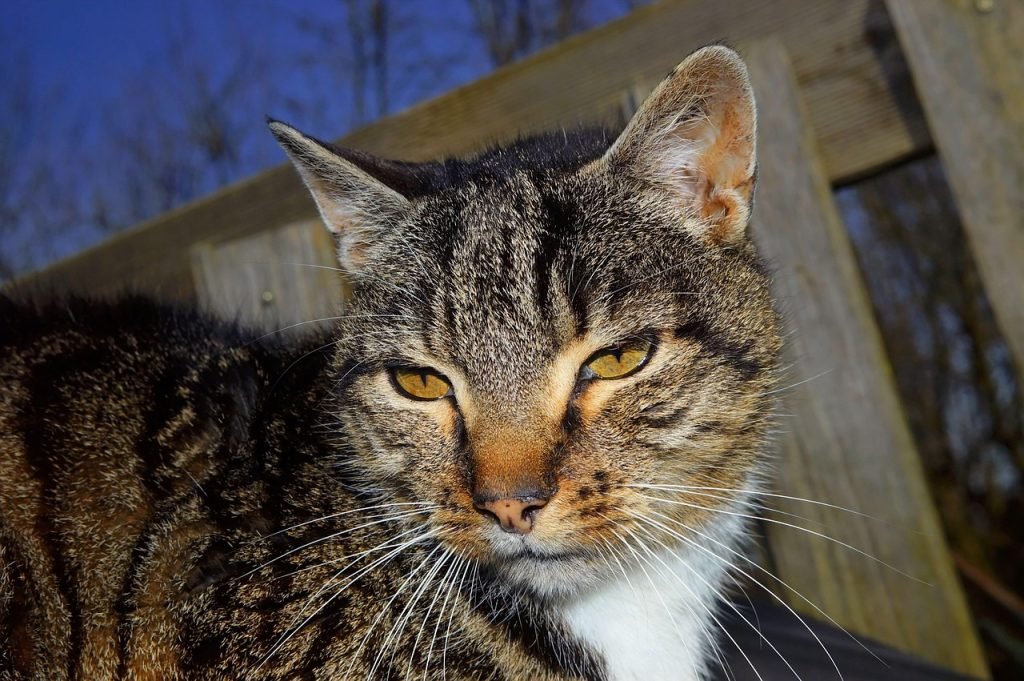
Weigh your pet’s breed risk, your own savings habits, and your tolerance for financial uncertainty. A large-breed puppy prone to joint disease later in life is a different question from a cat who has been healthy for twelve years. Your veterinarian can tell you which conditions are common in your pet’s breed and history, which is the most useful thing to know before you compare policies.
Fine Print to Check Before You Enroll
The details matter more than the monthly price. Before enrolling, read the fine print on these points.
- 01
The waiting period
In states that have adopted the NAIC model act, illness and orthopedic waiting periods are capped at 30 days, and waiting periods for accidents are not allowed at all.
- 02
How reimbursement is calculated
Whether it is based on your actual vet bill or on a fixed payout schedule.
- 03
Breed and inherited exclusions
Any breed-specific, hereditary, or congenital exclusions relevant to your pet.
- 04
The annual limit
Whether it is high enough to cover a genuine emergency surgery.
- 05
The deductible
How it resets each year.
- 06
The free look period
At least 15 days under the model act, which lets you read the full policy and cancel for a refund if it is not what you expected.
Was the article helpful?