

High Total Protein in Dogs: What Elevated Protein and Globulin Mean
A high total protein result in dogs is often explained by hydration or an existing condition. Here is what elevated protein and globulin mean.

A high total protein result in dogs is often explained by hydration or an existing condition. Here is what elevated protein and globulin mean.

A low glucose result in dogs can be harmless or urgent depending on age and symptoms. Here is how to tell the difference and what to watch for.

A vet-informed look at why anxious dogs gravitate toward small, covered spaces, and how to choose a den-style or calming bed that actually helps.

A vet-informed guide to picking chew toys that satisfy your dog’s need to chew without risking a broken tooth or a trip to the emergency vet.

A high potassium result in dogs ranges from a harmless sample artifact to a true emergency. Here is how to tell the difference and what to do next.

A low T4 result in dogs deserves a closer look but is not an automatic diagnosis. Here is what low thyroid hormone means, and how it gets confirmed.
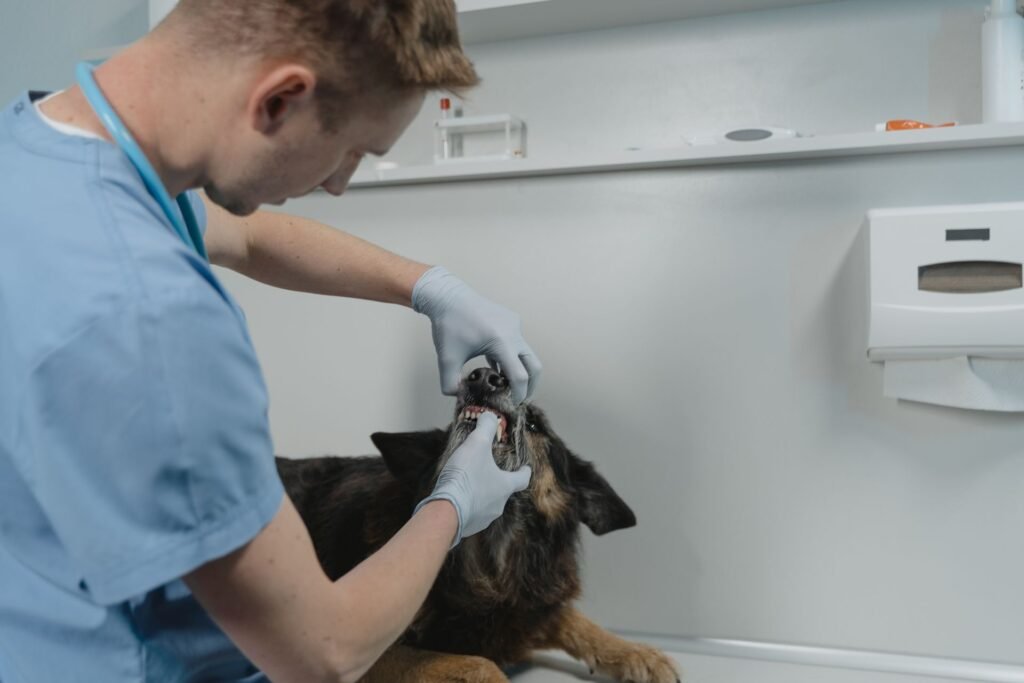
A high phosphorus result in dogs is often explained by age or a recent meal. Here is what elevated phosphorus means, and when it points to the kidneys.

Your cat’s blood test explained: what the kidney, liver, thyroid, blood sugar, and CBC values reflect, and why vets always read them together in context.

A high calcium result in dogs deserves attention without panic. Here is what elevated blood calcium means, when it is confirmed, and when it is urgent.

A high glucose reading rarely confirms diabetes on its own. Here is what elevated blood sugar in dogs really means, and when it is worth a closer look.