

Your dog has been scratching, chewing or licking for weeks, and your vet has brought up Cytopoint. Cytopoint for dogs is an injection given at the clinic that quiets allergic itch. Relief usually starts within a day or two, and one injection lasts about four to eight weeks. It gives sore skin a rest, but it does not cure the allergy behind the itch.
How Cytopoint Stops the Itch
Cytopoint contains lokivetmab, a lab-made antibody that is used only in dogs. Its target is interleukin-31 (from the Latin “inter,” between, and the Greek “leukos,” white), or IL-31 for short. IL-31 is a messenger protein that sets off itching in dogs. The antibody latches onto IL-31 and neutralizes it before it can deliver that message.
Because it blocks one signal rather than the whole immune response, Cytopoint tends to cause fewer side effects than steroids. The allergy itself is left untouched. If pollen, dust mites or food set your dog off, that trigger is still there when the injection wears off, and the itch comes back.

Cytopoint, Apoquel, or Steroids?
Cytopoint is usually weighed against two other medicines for pruritus (from the Latin “prurire,” to itch), the vet’s word for itching. Apoquel is a daily tablet. It blocks enzymes that drive itch, inflammation and allergic reactions, a wider reach than Cytopoint’s single target, and it can start easing itch within hours. Steroids act more broadly still. They work fast, but side effects are common, starting with extra thirst, urination and appetite, and they can make infections more likely.
Age and health can tip the choice. Apoquel is not for dogs under 12 months, and it can also raise the risk of infections. Current veterinary guidelines consider Cytopoint safe for puppies and for dogs with other illnesses.
| Option | How It Is Given | How Fast It Works | How Often |
|---|---|---|---|
| Cytopoint | Injection at the clinic | Within 1 to 3 days | Every 4 to 8 weeks, as needed |
| Apoquel | Tablet by mouth | Within hours | Daily |
| Steroids | Tablet or injection | Within hours | As prescribed, then tapered off |
How Long One Injection Lasts
One injection usually keeps itch down for four to eight weeks. In the studies on its label, itch eased within a day, though some dogs take up to three days to show a change. How long relief lasts varies from dog to dog, so your vet will set the gap between injections by how soon the scratching returns.
If an injection wears off early, or does less than the last one did, tell your vet rather than waiting it out. A skin or ear infection or fleas may have joined in, and those need their own treatment. In some dogs the body makes its own antibodies against the medicine, and it can stop working as well as it did.
Side Effects and When to Call the Vet
Most dogs have no trouble after a Cytopoint injection. In the safety study on its label, dogs given Cytopoint had side effects about as often as dogs given a placebo. Serious reactions are rare, and the problems owners are more likely to see are these.
- 01
Sleepiness
Your dog may seem more tired or quiet than usual.
- 02
Vomiting or diarrhea
An upset stomach is reported now and then.
- 03
Poor appetite
Some dogs are less keen on their food.
- 04
Sore injection spot
The place where the needle went in can be tender.
Mention any of these to your vet before the next injection, even if they passed.
See a vet now if you notice facial swelling, hives, difficulty breathing, or collapse shortly after an injection. These are signs of a true allergic reaction and need immediate veterinary attention.
Seizures, wobbliness and, very rarely, immune-related blood disorders have also been reported since Cytopoint came on the market. Call your vet right away if your dog has a seizure, seems wobbly, or is suddenly unwell after an injection.

Is Cytopoint Safe for Long-Term Use?
The evidence so far says yes for most dogs. In one study that followed dogs on Cytopoint for up to four years, side effects were uncommon. The body breaks the antibody down like any other protein, and its label does not call for the regular blood tests that some long-term allergy medicines need.
It has not been tested in pregnant, nursing or breeding dogs, so tell your vet if that could apply. Your vet will still want to see your dog from time to time, to check the itch is under control and to catch skin or ear infections. Those are common in allergic dogs whatever medicine they are on.

Which Dogs Do Best on Cytopoint
Cytopoint is approved for dogs with allergic skin disease, including atopic dermatitis (from the Greek “atopia,” out of place). That is the long-term kind often just called environmental allergies, set off by things like pollen, molds and dust mites. Some breeds are more prone to it, including French bulldogs, golden retrievers and Labradors, so your dog’s breed health profile is worth a look.
It also suits dogs who spit out tablets even when they are hidden in pill pockets. An injection every month or two replaces the daily pill.
If food allergies are behind the itch, Cytopoint can still make your dog more comfortable, but it does nothing about the food itself. A strict diet trial is how a food allergy is found, so your vet may run one alongside the injections.
Whatever the cause, Cytopoint usually works best as one part of a plan. Flea control, regular baths with an itchy-skin shampoo and early treatment of infections all help keep the itch down between injections.

What to Expect at the Visit
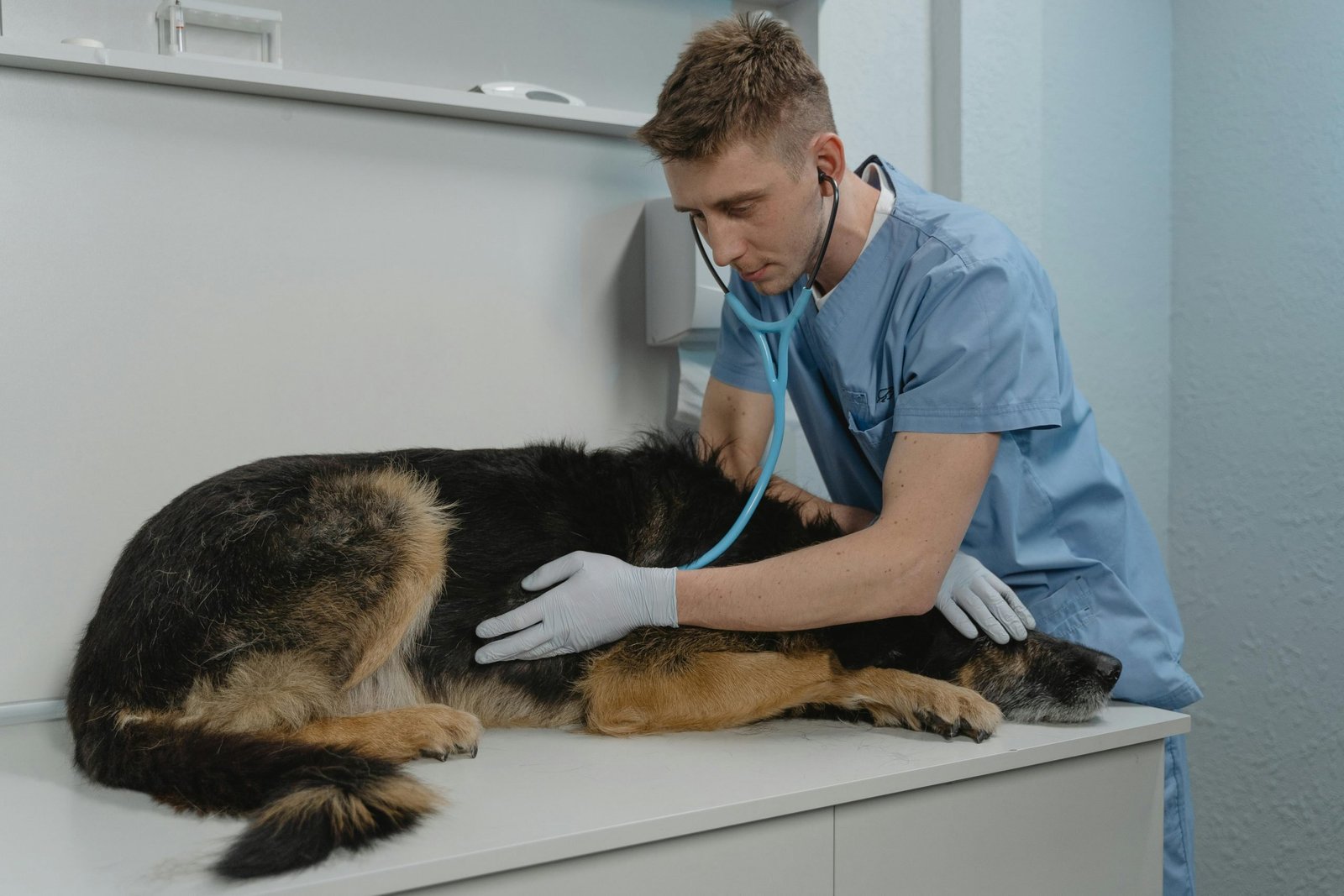
The injection goes under the skin, much like a vaccine. Vaccines can be given at the same visit, at a different spot on the body. Cytopoint has been used safely alongside many common medicines, including parasite preventives, antibiotics and steroids, but give your vet the full list of what your dog takes.
The most useful things to bring to the next visit are two dates. Note the day the scratching eased and the day it came back. Your vet uses them to set the gap between injections.
Was the article helpful?