

Finding the best dog food for a sensitive stomach starts with understanding what a “sensitive stomach” actually means. Chronic soft stool, occasional vomiting, gas, or a dog who does fine on one food and poorly on another all point to the same underlying pattern. Before reaching for a new bag of food, it helps to know what a formula change can and cannot fix.
How Do I Know if My Dog Has a Sensitive Stomach?
Recurring soft or loose stool, intermittent vomiting, excessive gas, and a history of food refusal or picky eating are the most common signs owners describe as a sensitive stomach. These signs tend to show a pattern tied to specific foods or ingredients rather than appearing constantly regardless of diet.
Quick answer: if your dog’s stool and appetite are consistently better on one type of food than another, that pattern itself is useful information to bring to your vet, even before trying a new bag.
What Makes a Food a “Sensitive Stomach” Formula?
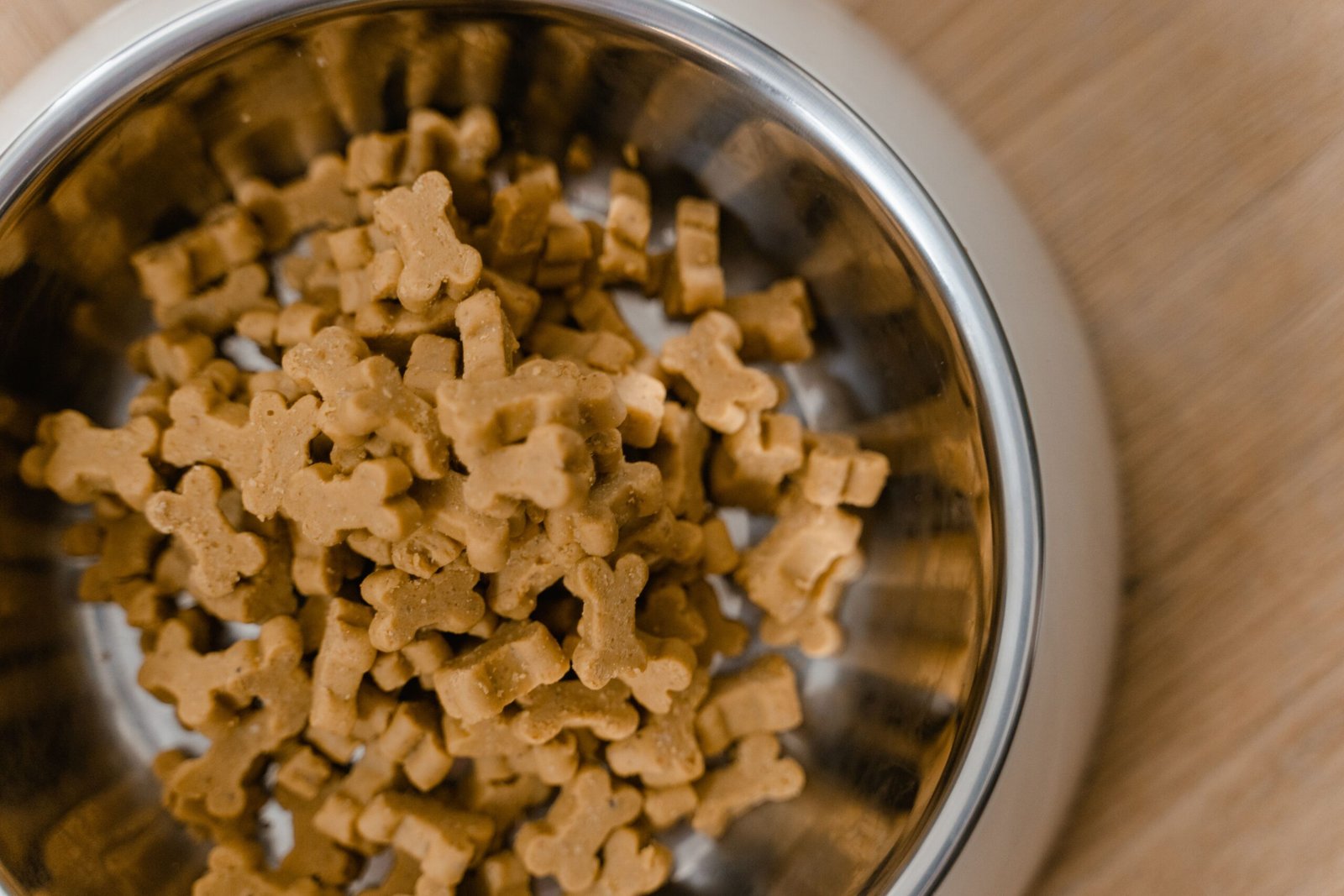
Gastroenteritis, general inflammation of the stomach and intestines, is the irritation that sensitive-stomach formulas are designed to avoid triggering. These foods typically use a shorter ingredient list, a single novel or easily digestible protein source, and added prebiotic fiber to support a stable gut environment.
Highly digestible formulas mean less undigested material reaching the colon. Less material down there means less gas and firmer stool, which is the whole point for a dog prone to these issues.
How Should I Choose Between Options?
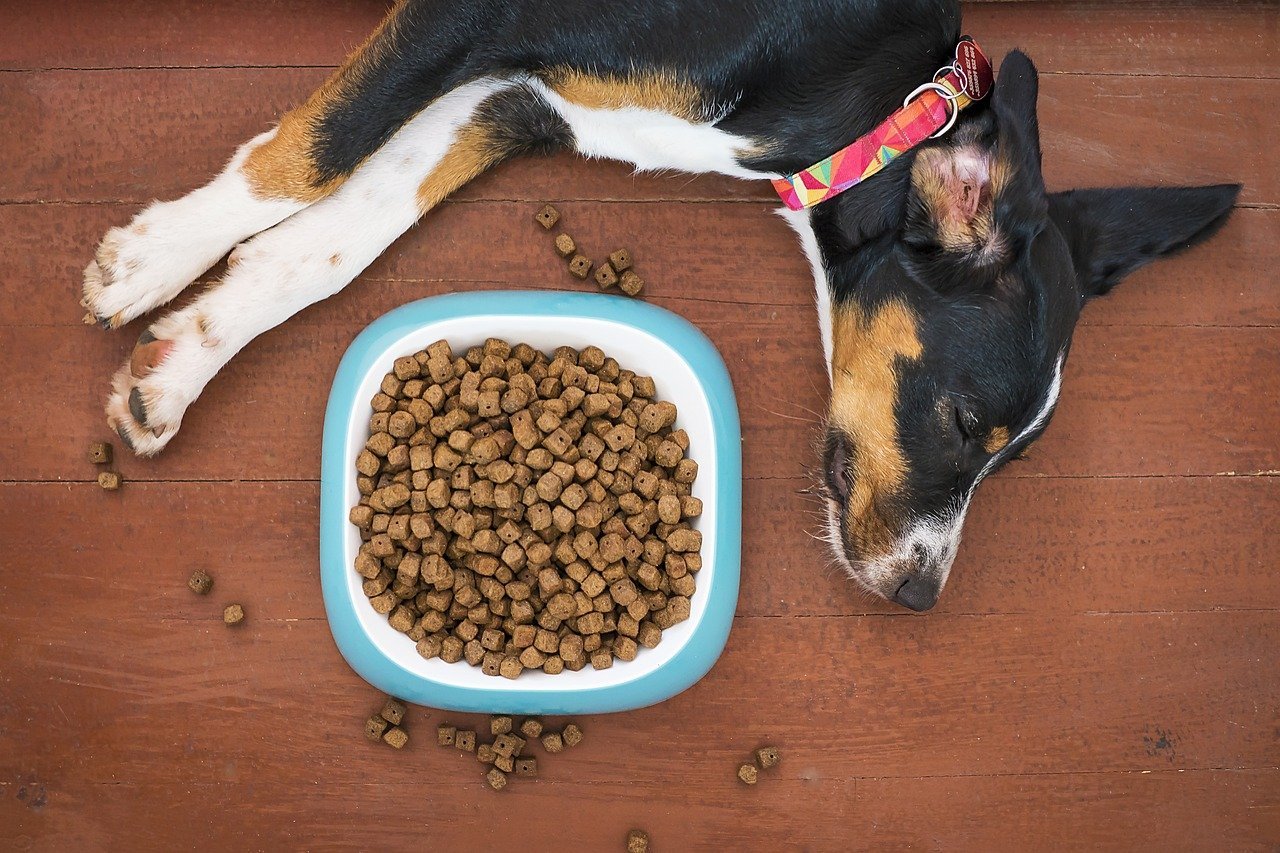
Start by identifying whether your dog reacts to a specific ingredient category, like a particular protein or grain, or seems sensitive more broadly regardless of formula. A limited-ingredient diet with a novel protein your dog has not eaten before is the most useful starting point if a specific trigger is suspected.
| Feature to Look For | Why It Matters |
|---|---|
| Novel or single protein source | Reduces chance of a known trigger ingredient |
| Added prebiotic fiber | Supports stable gut bacteria and firmer stool |
| High digestibility rating | Less undigested material irritating the gut |
| Limited ingredient list | Easier to identify a specific trigger if one exists |
| Consistent formulation | Avoids frequent recipe changes that can upset a sensitive gut |
How Do I Switch Foods Without Making Things Worse?
A gradual transition over seven to ten days, mixing increasing amounts of the new food with decreasing amounts of the old, gives the gut time to adjust. This is far gentler than an abrupt switch, and even the right food for a sensitive dog can cause a temporary upset if introduced too quickly.

When Is It More Than Just the Food?
Persistent vomiting or diarrhea that does not improve with a food change can point to underlying issues like intestinal parasites, true food allergies rather than simple sensitivity, or inflammatory bowel disease. Exocrine pancreatic insufficiency, a condition in which the pancreas stops producing enough digestive enzymes, is another possibility. A food trial is reasonable for mild, intermittent symptoms, but ongoing or worsening symptoms deserve a veterinary workup rather than another bag of food.
Bloodwork, a fecal test, and sometimes imaging help distinguish a true medical condition from a dietary sensitivity that a formula change can resolve.

What Ingredients or Features Should I Compare?
Beyond the protein source, look at fat content: very high-fat foods can be harder on a sensitive gut. Dietary fat is also one of several factors linked to pancreatitis risk in predisposed dogs, though current veterinary evidence does not treat it as the single cause. Fiber type and amount are worth a closer look too, along with whether the formula includes a probiotic (a live microorganism meant to support gut bacteria). Manufacturing consistency between batches matters as well, and is worth checking on the label or with the manufacturer directly.
If you land on a limited-ingredient or exotic-protein formula, it is worth checking how much of the recipe comes from pulse ingredients such as peas, lentils, or chickpeas. The FDA has been investigating a possible link between pulse-heavy diets and dilated cardiomyopathy in dogs, and the picture is still evolving. Our grain-free dog food guide has the current detail. It is not a reason to avoid every limited-ingredient diet, but it is worth mentioning to your vet, especially for breeds already prone to heart disease.
When Does a Sensitive Stomach Become an Emergency?
Occasional soft stool or mild gas is rarely urgent, but certain patterns are not something to manage with diet alone. Repeated vomiting that prevents your dog from keeping water down, bloody or black diarrhea, or noticeable lethargy needs same-day veterinary attention.
See a vet now: vomiting combined with lethargy, a painful or bloated abdomen, or blood in the stool should be evaluated right away rather than treated as a food issue.

Further Reading
Bland Diet for Dogs. A short-term bland diet is a useful bridge for acute stomach upset while you and your vet sort out whether a longer-term formula change is needed.
Was the article helpful?