
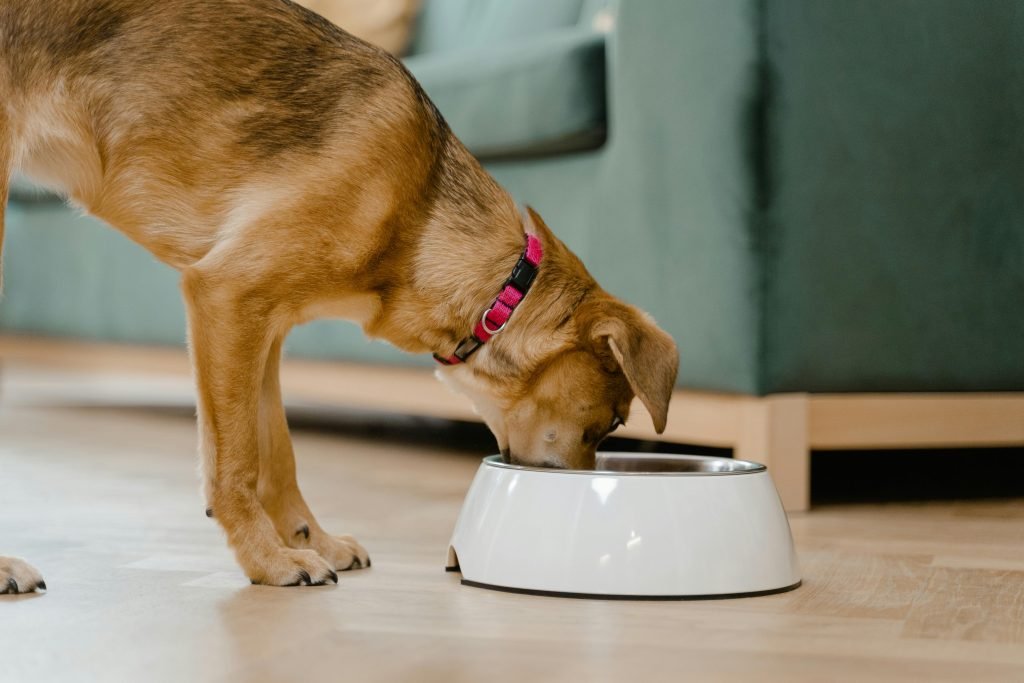
Your dog has just been diagnosed with pancreatitis, and now you are standing in the kitchen wondering what is safe to put in the bowl. The answer is a low-fat food chosen with your veterinarian, started when they tell you to start it. Do not try to manage an active episode with a home diet alone.
Diet is one part of treatment. Nausea, pain, and dehydration also need veterinary care. How long your dog needs fat restriction depends on how the recovery goes, what other conditions your dog has, and whether pancreatitis returns.
Why Diet Matters
Pancreatitis is inflammation of the pancreas. The term comes from Greek pankreas, meaning pancreas, and -itis, meaning inflammation. Table scraps, unusual foods, and raided trash have each been linked with higher odds of the disease in dogs. That does not prove one meal caused an episode, and many dogs have no clear trigger for their pancreatitis. Low-fat feeding is standard during recovery, although studies have not pinned down the best fat level for every dog.
Ask your veterinarian for a target in grams of fat per 1,000 calories. For dogs with pancreatitis, the usual recommendation is a food with less than 20 grams of fat per 1,000 calories. Your veterinarian can help you compare foods on that basis and account for your dog’s other needs.
A label that says light describes weight control, not necessarily the fat level your dog needs. When reading a dog-food label, ask for the fat content per 1,000 calories before substituting a weight-control food.
Feeding During the Acute Episode
Do not fast your dog at home to “rest” the pancreas. Vets generally avoid holding back food unless vomiting cannot be controlled. Among hospitalized dogs in one small study, those offered food within 48 hours began eating on their own sooner than dogs fed later. Your vet will decide the timing for your dog.
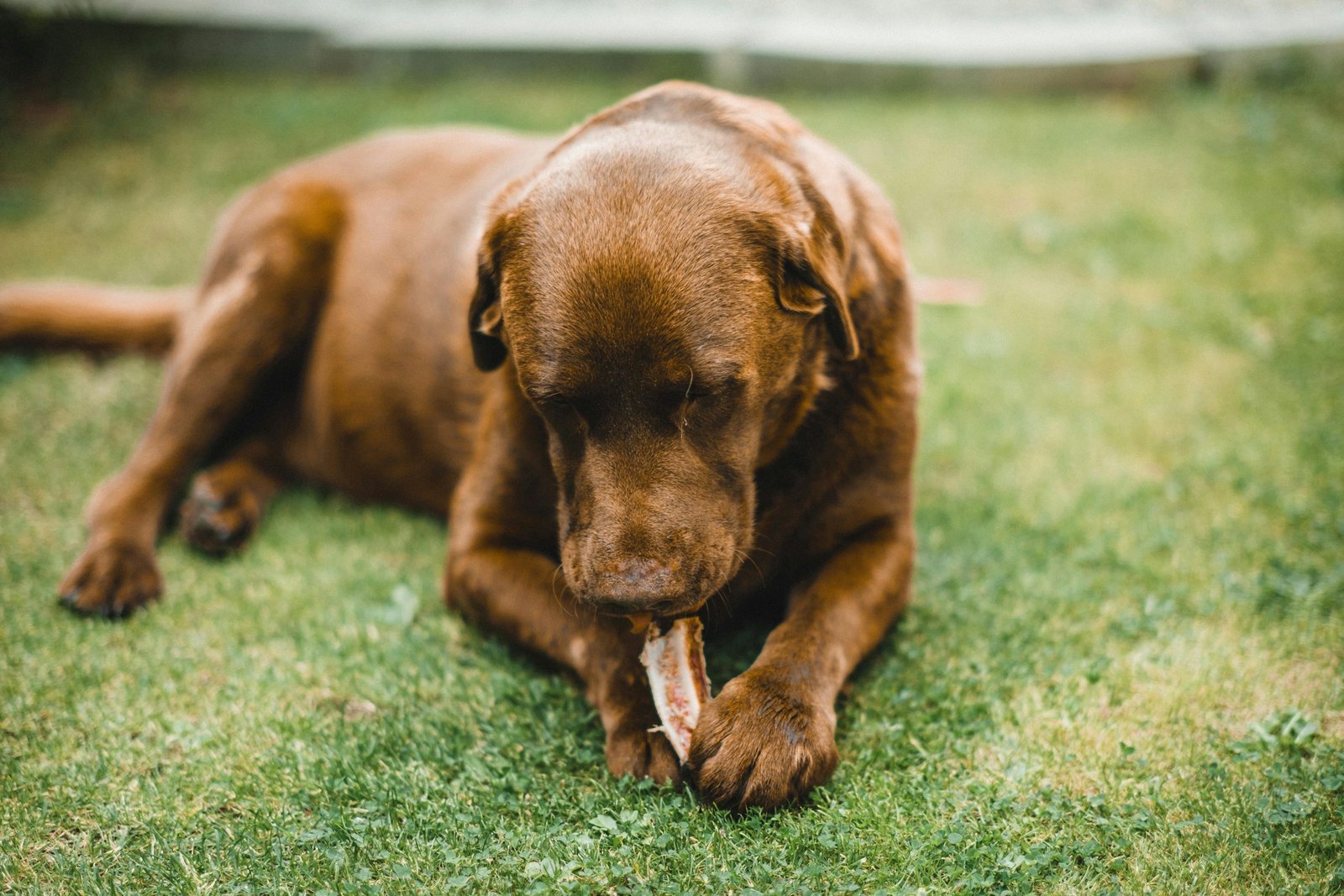
When your dog can eat, the veterinary team may recommend small, frequent meals of an easily digested low-fat food. Those meals split the usual daily amount rather than add to it. Working out how much to feed helps you check that total with your vet. A generic short-term bland diet is not automatically a complete pancreatitis diet, so ask before you reach for chicken and rice.
The outlook in mild cases is good, but severe pancreatitis can lead to organ failure or death. The signs of pancreatitis in dogs that need a vet’s attention the same day include repeated vomiting, abdominal pain, weakness, refusing food, dehydration, or diarrhea. Ask for urgent help sooner if your dog is collapsing or cannot keep water down.
What Does a Long-Term Low-Fat Diet Look Like?
After recovery, some dogs can return to their previous food. Others stay on a low-fat plan for the long run. A low-fat diet is central to managing pancreatitis in dogs, including chronic pancreatitis. Severely high blood fats are also a recognized risk factor for pancreatitis in dogs. Ask which applies to your dog before changing the diet.
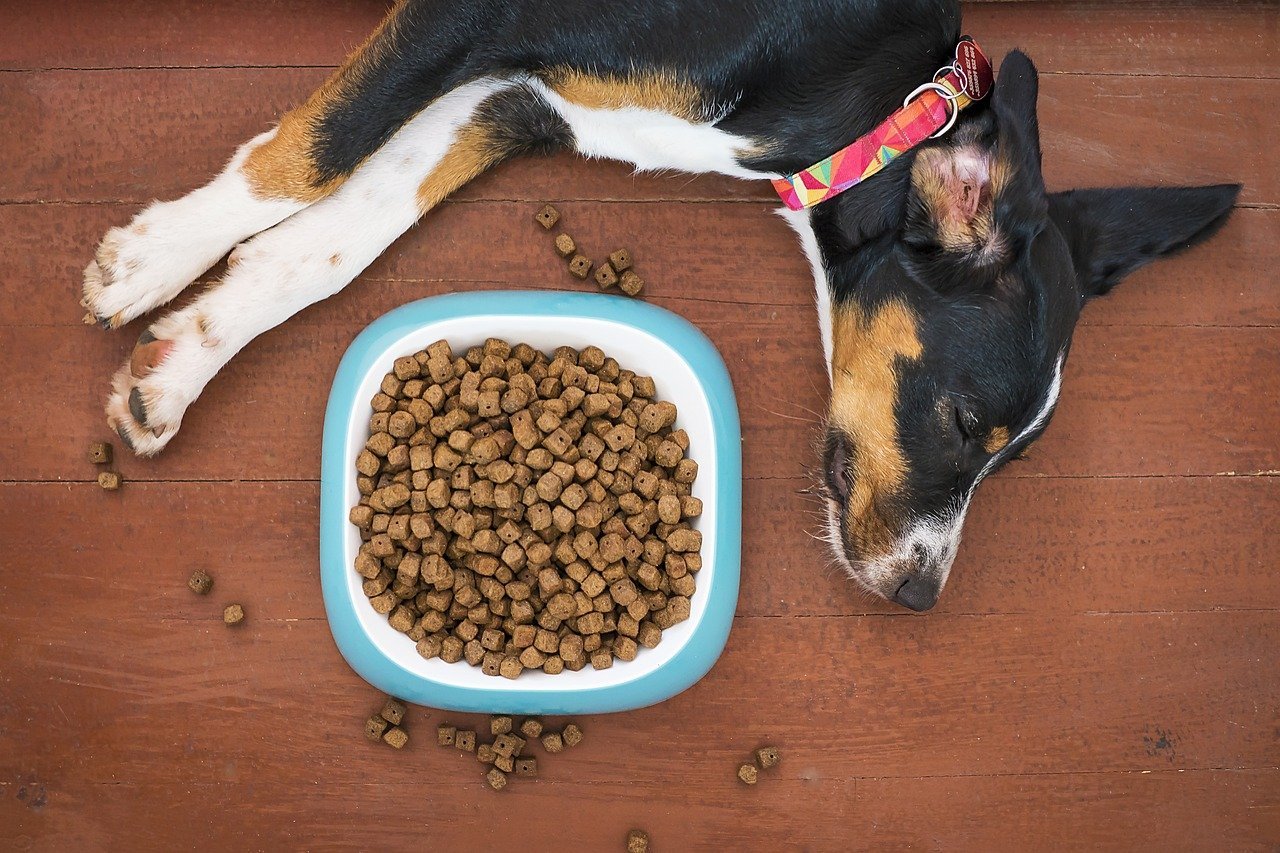
A complete therapeutic low-fat food is a practical starting point. If your dog needs a homemade diet because of other medical problems, have a veterinary nutritionist formulate it, because an improvised low-fat recipe can be short on essential nutrients. Consistency matters as much as the recipe. A sudden high-fat meal may trigger another episode, so everyone who feeds the dog needs to know the plan.
Foods to Keep Out of Reach
Keep fatty meats, fried food, bacon grease, butter, and fatty table scraps away from a dog with a history of pancreatitis. Table scraps and raided trash are both linked with higher odds of the disease in dogs. A trash can your dog cannot open matters as much as what comes off your plate. A gate across the kitchen doorway does the same job for the counters, and it still works when nobody is watching. At gatherings, tell guests about the no-scraps rule before food comes out.
- 01
Turkey skin and gravy
Skin, drippings and buttery sides are rich in fat, and even a small amount can set off pancreatitis.
- 02
Cooked bones
Turkey bones turn brittle when cooked and splinter easily, which can block or tear the gut.
- 03
Stuffing and sides
Many are made with onion or garlic, which can cause anemia in dogs.
- 04
If he gets into it
Call your vet right away, even if he seems fine. Do not wait for vomiting to start.
Treats and Table Scraps
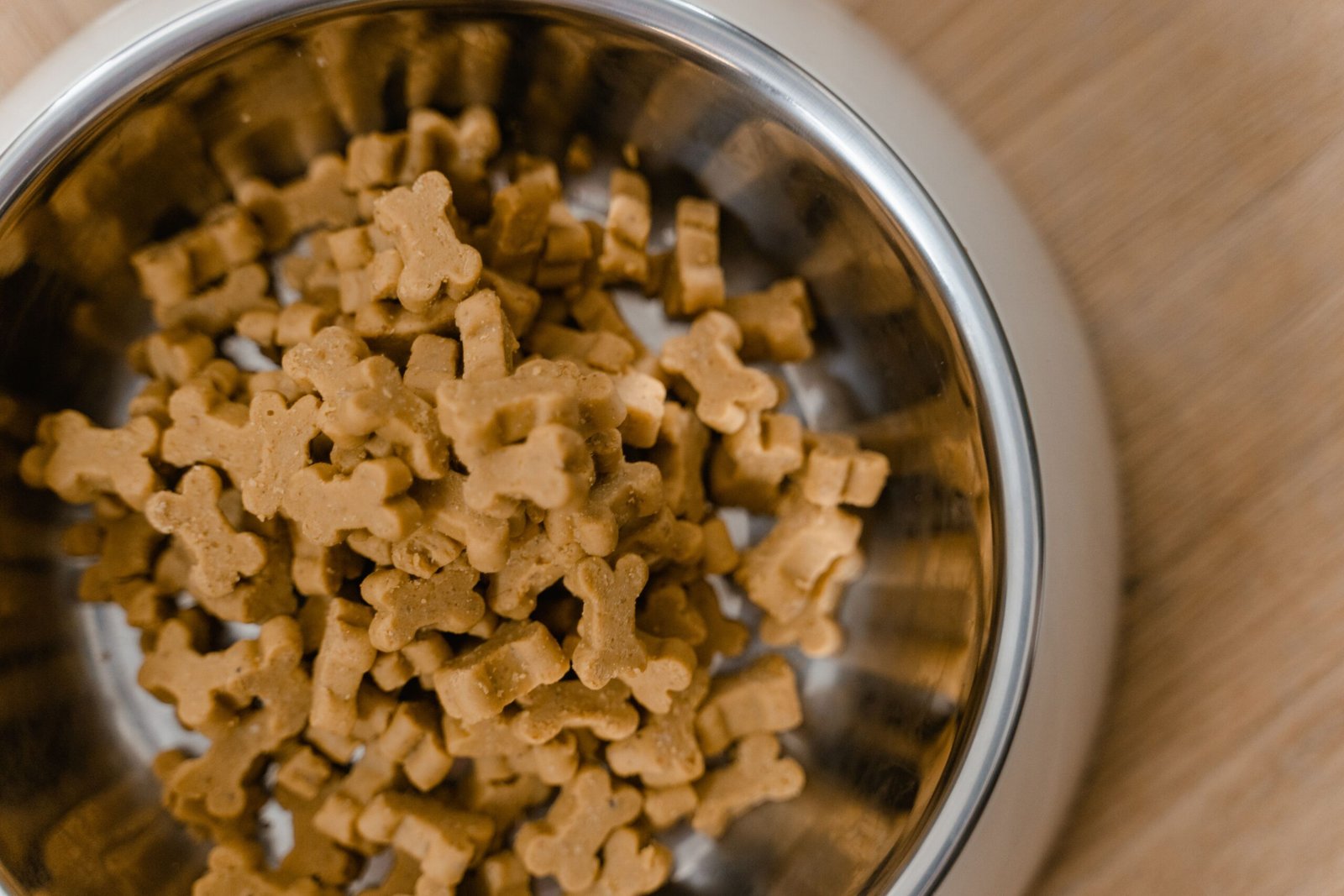
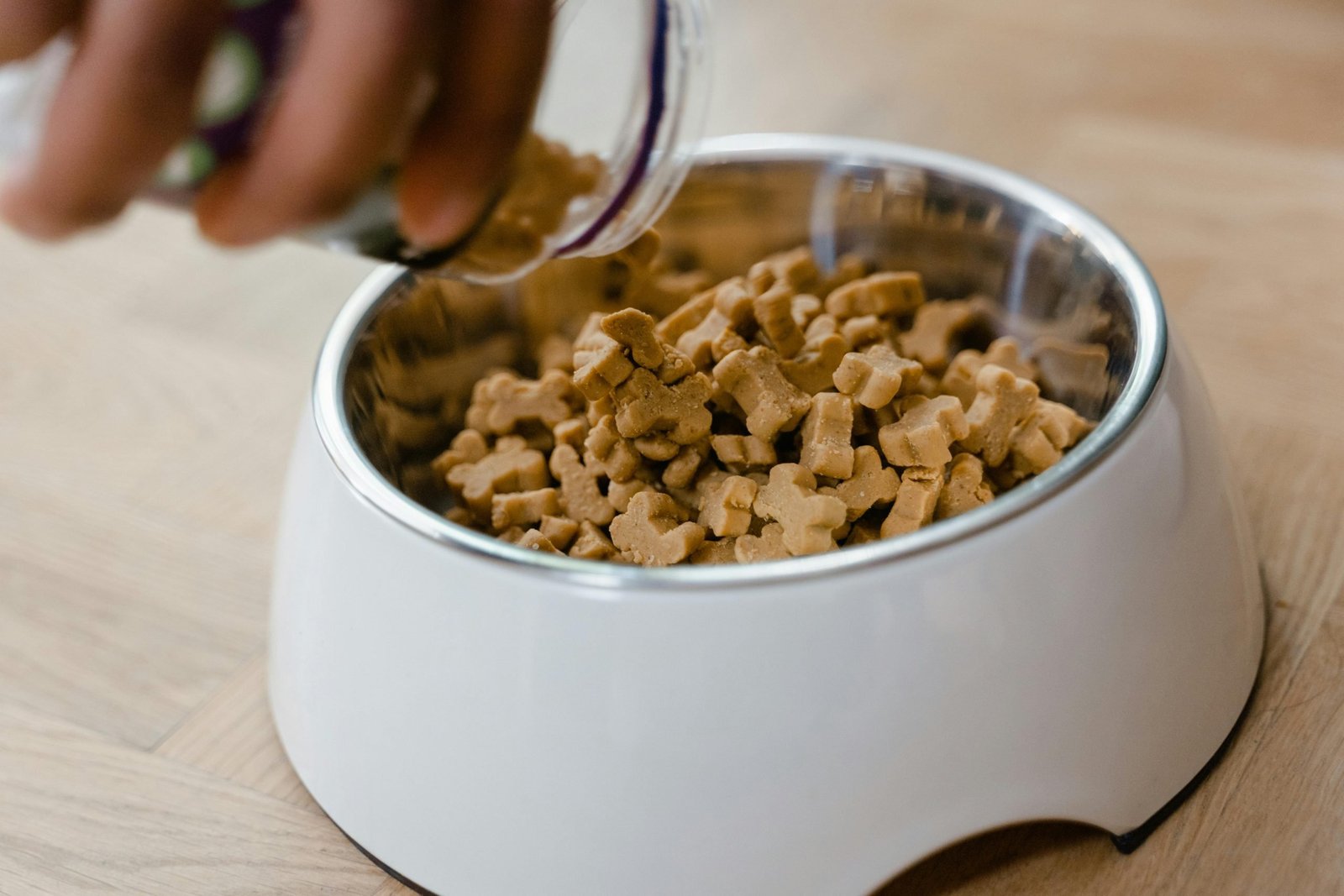
Treats add to the same fat total as meals. A rich snack may be a problem for a dog prone to repeat attacks, even if it looks small. Use treats that fit your veterinarian’s fat guidance, or set aside a few pieces of your dog’s regular food to hand out during the day. Do not assume an ordinary commercial treat is low fat.
How Do I Transition Back to Regular Feeding?
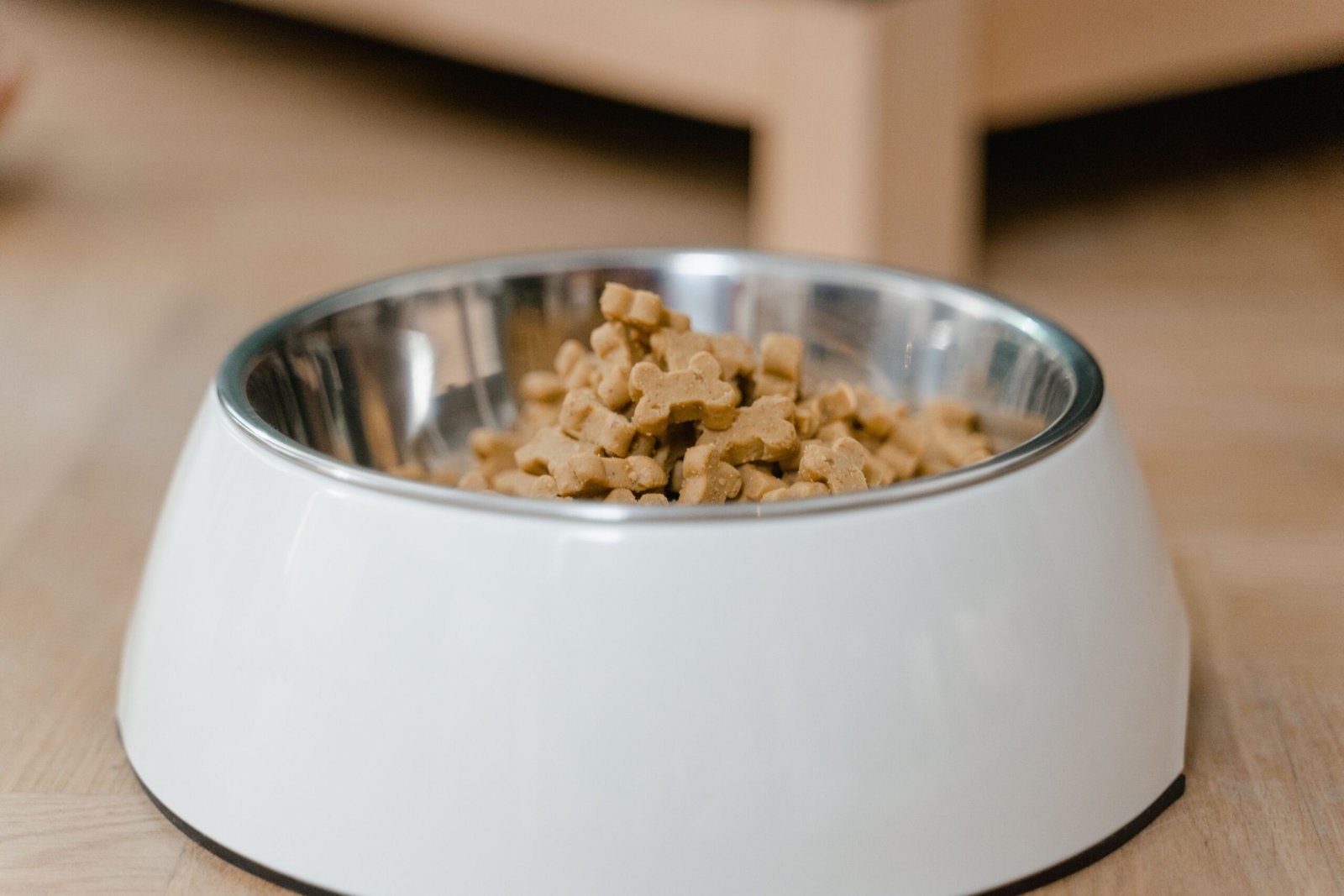
If your veterinarian approves a return to the previous diet, make the change over roughly seven to ten days to reduce digestive upset. Some dogs should stay on low-fat food, so settle that with your vet before starting the switch. Tell the clinic if vomiting returns, appetite drops, or stool quality worsens during the change. Your veterinarian can tell you whether to slow down or return to the previous step.
Was the article helpful?