

Table of Contents
A nursing mother dog who is twitching, stumbling, or acting disoriented needs a vet visit today. That combination can signal eclampsia, a dangerous drop in calcium during lactation. Outside of that specific picture, a low calcium result on routine bloodwork is usually just a lab reflection of low albumin, not a true problem.
What Does Low Calcium on the Bloodwork Mean?
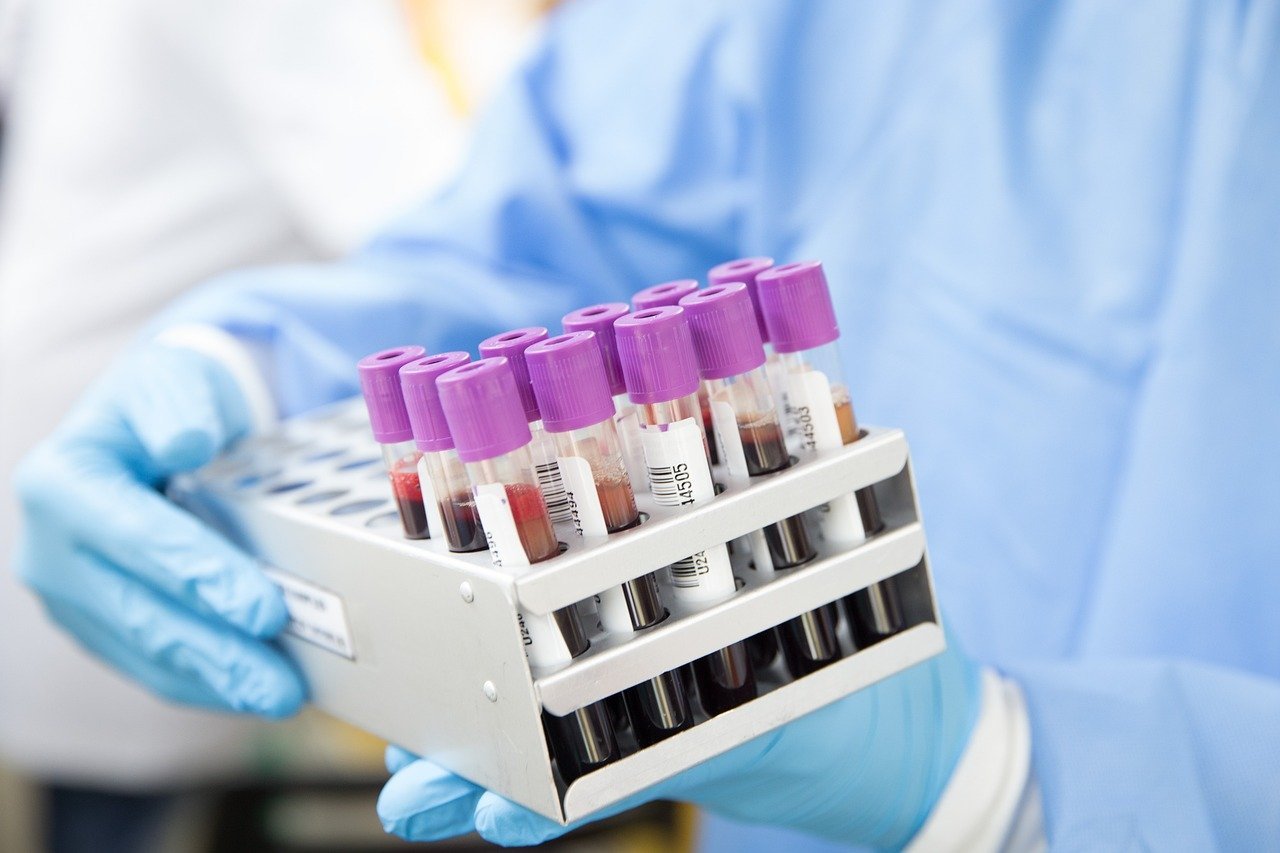
Calcium circulates in the blood partly bound to the protein albumin and partly in a free, active form called ionized calcium. The name comes from the Greek ienai, “to go,” the same root behind “ion.” Standard panels usually measure total calcium, the combined amount. The normal range for ionized calcium in dogs is about 1.25 to 1.45 mmol/L, per the Merck Veterinary Manual. It’s the fraction that actually drives muscle and nerve function.
Because so much calcium travels attached to albumin, a low albumin level can make total calcium look low on paper even when the active, ionized calcium is completely normal. This is one of the most common reasons a low calcium result turns out not to be a true problem.
Hypocalcemia is confirmed when ionized calcium drops below 1.0 mmol/L. Treatment is typically indicated once total calcium falls under 7.5 mg/dL, or ionized calcium under 0.8 mmol/L, per the same Merck Veterinary Manual guidance. A total calcium reading above those numbers is not, by itself, a true deficiency needing action.

Why Does Blood Calcium Drop in Dogs?
Low albumin, usually from illness, malnutrition, or blood loss, explains most low total calcium results. When ionized calcium itself is genuinely low, the cause is usually one of a few specific conditions:
In nursing mother dogs, especially small breeds with large litters, eclampsia, also called puerperal tetany, is a genuine and urgent cause of true low calcium. It typically appears two to three weeks after whelping, at peak lactation, and is confirmed by a total calcium under 7 mg/dL, according to the Merck Veterinary Manual. Other causes include acute kidney injury, acute pancreatitis, an underactive parathyroid gland, and antifreeze (ethylene glycol) poisoning, which is a life-threatening emergency in its own right.

What Does a Mildly Low Calcium Usually Mean?
A mildly low total calcium in a dog with known low albumin, from illness or poor nutrition, is usually just that albumin effect rather than a true deficiency. If a follow-up ionized calcium comes back normal, the original low reading was almost certainly an albumin artifact, not disease.

When Is Low Calcium Something to Worry About?
Low calcium deserves urgent attention when it is confirmed and true, because calcium is essential for normal muscle and nerve function. The signs to watch for at home include:
- Muscle twitching or tremors
- Restlessness, panting, or facial rubbing
- Stiff, wobbly gait
- Seizures
- High body temperature alongside tremors
If you notice these signs, especially in a nursing mother, contact your veterinarian immediately. The same urgency applies to any known or suspected ingestion of antifreeze. As little as 4.4 to 6.6 mL per kilogram of body weight can be lethal, according to the Merck Veterinary Manual. Dogs treated within about 8 hours of ingestion, before kidney damage sets in, have a far better chance of full recovery, per a veterinary toxicology review in Clinician’s Brief. Treat any known or suspected exposure as an emergency regardless of symptoms, and do not wait to see if your dog seems fine.
If your dog is a nursing mother showing tremors, restlessness, or a stiff gait, treat this as an emergency and seek same-day veterinary care. Eclampsia can progress to seizures quickly.

How Do Veterinarians Interpret Low Calcium?
When I’m reading a low calcium result, I weigh it alongside albumin, your dog’s reproductive status, kidney values, and any history of possible toxin exposure. From there, I confirm a true deficiency with ionized calcium or an albumin-corrected value before treating a dog who isn’t showing urgent symptoms.
For nursing mothers with classic signs, we often act on the clinical picture immediately rather than waiting for lab confirmation, because eclampsia can escalate quickly. For other dogs, the pattern of accompanying values points toward the right next test.
| Pattern | What it often suggests |
|---|---|
| Low total calcium, low albumin, no symptoms | Likely an albumin effect; check ionized calcium |
| Low calcium, nursing mother, tremors or restlessness | Eclampsia; treated as an emergency |
| Low calcium, known or suspected antifreeze exposure | Treated as an emergency regardless of symptoms |
| Low calcium with elevated kidney values or pancreatitis signs | Underlying condition investigated |
| Normal ionized calcium despite low total calcium | Reassuring; likely albumin-related |
What Happens Next After a Low Calcium Result?
An unconfirmed, symptom-free low reading rarely needs anything beyond that confirmation step. A confirmed or symptomatic case, especially in a nursing mother, needs treatment to begin promptly instead.
Because some causes here are genuine emergencies, this is not a value to sit with. If your dog is a nursing mother or shows any of the warning signs above, contact your veterinarian right away rather than waiting for a routine appointment.
Noting whether your dog is currently nursing, and any possible access to antifreeze or other toxins, is critical information to share immediately.
Further Reading
Dog Blood Chemistry Panel Explained is the pillar guide to the whole panel, useful for seeing how calcium fits alongside the other mineral values.
High Calcium in Dogs covers the opposite pattern on the same value, and is a useful companion for understanding why calcium is always read in context.
High Total Protein in Dogs is worth reading together with this article, since albumin is central to interpreting both protein and calcium results correctly.
Dog Kidney Values: Normal Creatinine, BUN, and SDMA is a helpful companion, since kidney disease is one of the medical causes of a true calcium drop.
Was the article helpful?