
Two kidney values that are normally read as a pair have split up. Creatinine is flagged high, while BUN sits comfortably in range. Now you are trying to work out which number to believe. Most explanations of kidney values assume the two rise together, but they don’t have to. An isolated high creatinine does not automatically mean kidney disease. It often reflects muscle mass, mild lab variation, or an early change too small for BUN to show yet, so it usually calls for context and a recheck, not alarm.
Three things tell you more than the creatinine number itself. They are how concentrated your dog’s urine is, how much the value changes between tests, and what a recheck shows.
Why Creatinine and BUN Can Disagree
Creatinine (from the Greek kreas, meaning flesh) is a byproduct of muscle metabolism. A dog makes it at a fairly steady rate, the kidneys clear almost all of it, and it rises when filtration slows. BUN, or blood urea nitrogen, comes from protein breakdown in the liver. The kidneys filter it too, but hydration, diet, and what is happening in the gut all push it around. Because the two start in different places, they do not have to move together, which is how one dog’s results can show creatinine up and BUN normal.
There are a few ordinary explanations. One is a mild, early drop in filtration. Creatinine tracks filtration more closely than BUN because diet and protein turnover do not move it, so it can creep up first while BUN stays in range. Another is muscle. Dogs with more muscle make more creatinine. A heavily muscled dog can run at the high end of normal, or slightly above it, with healthy kidneys and a normal BUN.
Small fluctuations between tests are normal too. Sometimes the real question is why BUN stayed low, because a low-protein diet or liver disease can hold it down while creatinine rises. None of these explanations points to severe kidney dysfunction on its own, so a mild, isolated rise usually calls for monitoring, not immediate intervention. It also means there is no need to switch to a kidney diet before the recheck confirms a real trend.
What Would Make This More Concerning
High creatinine with a normal BUN becomes more concerning when something else changes alongside it.
- 01
Creatinine keeps rising
The number climbs again across multiple tests instead of holding steady
- 02
Urine gets more dilute
Urine concentration decreases on follow-up testing
- 03
Your dog seems unwell
Increased thirst, vomiting, or lethargy develop at home
- 04
Other markers move too
Other kidney markers, such as SDMA, also increase
At that point, the pattern may represent early kidney dysfunction that needs closer monitoring or intervention. Even then, the reading depends on how fast things are changing and how your dog is doing. A steady upward trend together with increased thirst, vomiting, or lethargy carries more weight than one mildly elevated number.
What the Urine Adds
The most useful test here is not on the blood panel at all. Kidneys that are struggling lose the ability to concentrate urine, so a urinalysis often goes alongside the blood test. A urine specific gravity in the concentrated range, generally above 1.030, suggests the kidneys are still concentrating well, which is reassuring. That answers a question creatinine cannot, which is why a single blood value rarely confirms chronic kidney disease on its own.
How Much a Result Has to Change
Also look at how far the number moves between two tests. A change of under 20 to 25 percent between two tests is generally treated as a stable trend, not true progression. Repeat testing sometimes brings creatinine back to normal, and sometimes it settles at a mildly elevated but stable level. Both are useful answers, not a failed test.
The Recheck and How Your Vet Reads It
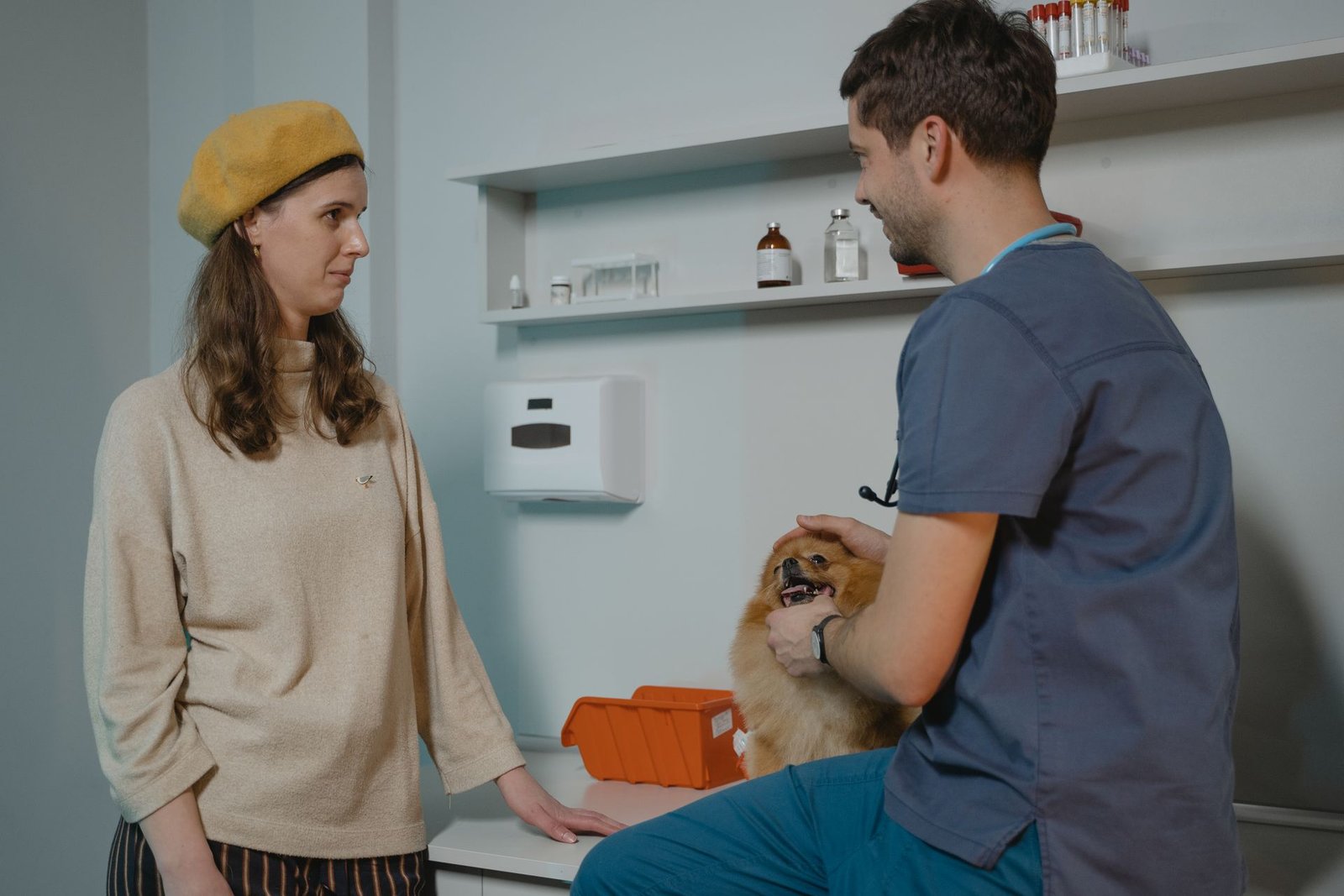
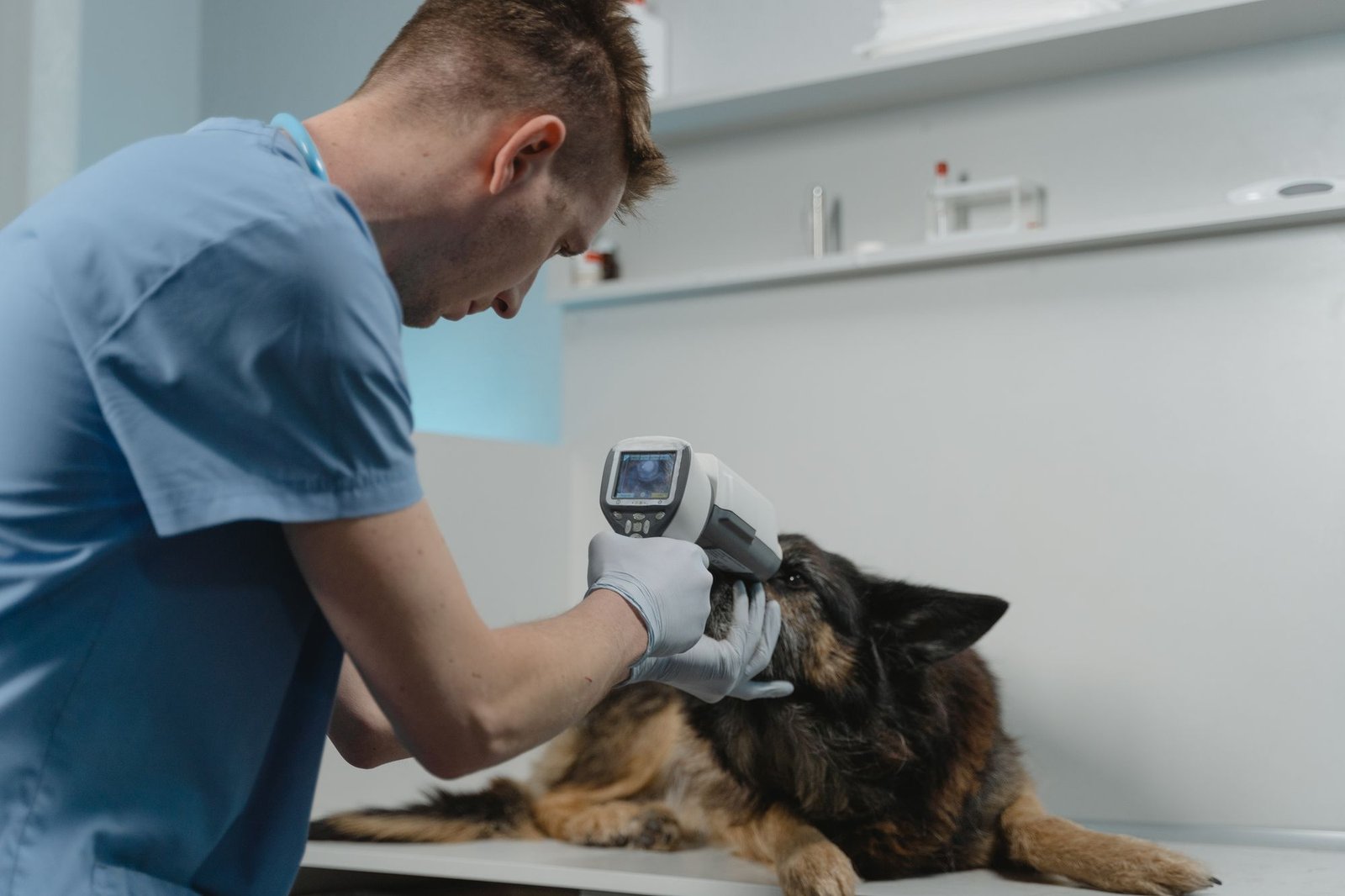
Many of these results turn up as mild increases on routine screening. If your dog feels well, drinks normally, eats regularly, and has stable energy, your veterinarian may simply recommend a short-interval recheck. That means the blood test repeated in 2 to 4 weeks, ideally on a fasted sample. A urinalysis checks concentration and protein, and your veterinarian keeps an eye on hydration and water intake. Occasionally a blood pressure measurement is added.
Your veterinarian reads the recheck against everything else known about your dog, not just creatinine and BUN. That includes urine concentration, hydration, muscle condition, age and breed, the trend over time, and whether anything else on the panel is abnormal. A senior dog with gradually rising creatinine and falling urine concentration raises different concerns than a young athletic dog with a stable, mildly elevated creatinine.
Earlier panels matter for the same reason. A creatinine that has sat at the same level for a year may simply be that dog’s baseline rather than progressive disease. If it stays stable and your dog has no symptoms, monitoring may be all that is needed. If it keeps rising, or other abnormalities develop, further investigation may be recommended.
Owners often ask whether creatinine can return to normal. If the rise came from something temporary, such as mild dehydration, it sometimes can. If it reflects chronic structural kidney change, the goal becomes keeping it stable rather than getting it back to normal.
Was the article helpful?