

If your dog has diabetes (from the Greek “diabainein,” meaning “to pass through”) or your vet suspects it, you’ve probably heard fructosamine mentioned alongside a glucose reading. Maybe you noticed the signs of diabetes yourself before the vet visit confirmed it. Either way, the fructosamine test in dogs is not a typo for fructose, and it is not a second opinion on the same number. It measures something a single glucose test cannot.
Quick answer: Fructosamine estimates a dog’s average blood sugar over roughly the past one to two weeks. It is used mainly to monitor diabetes and to confirm a diagnosis when a single glucose reading is questionable.
What Is a Fructosamine Test in Dogs?
Fructosamine is a glycated (from the Greek “glykys,” meaning “sweet”) protein, a blood protein that glucose has chemically bonded to over time. It simply describes a protein that has picked up sugar molecules the way a countertop picks up dust.
The name itself is a mashup of fructose and amine, the two chemical groups involved in that bond, not a reference to fruit sugar in the diet.
The higher a dog’s average blood glucose has been, the more glucose molecules attach to circulating proteins, and the higher the fructosamine level climbs. Blood proteins turn over on a one to two week cycle, so the test gives a rolling average rather than a single moment in time.
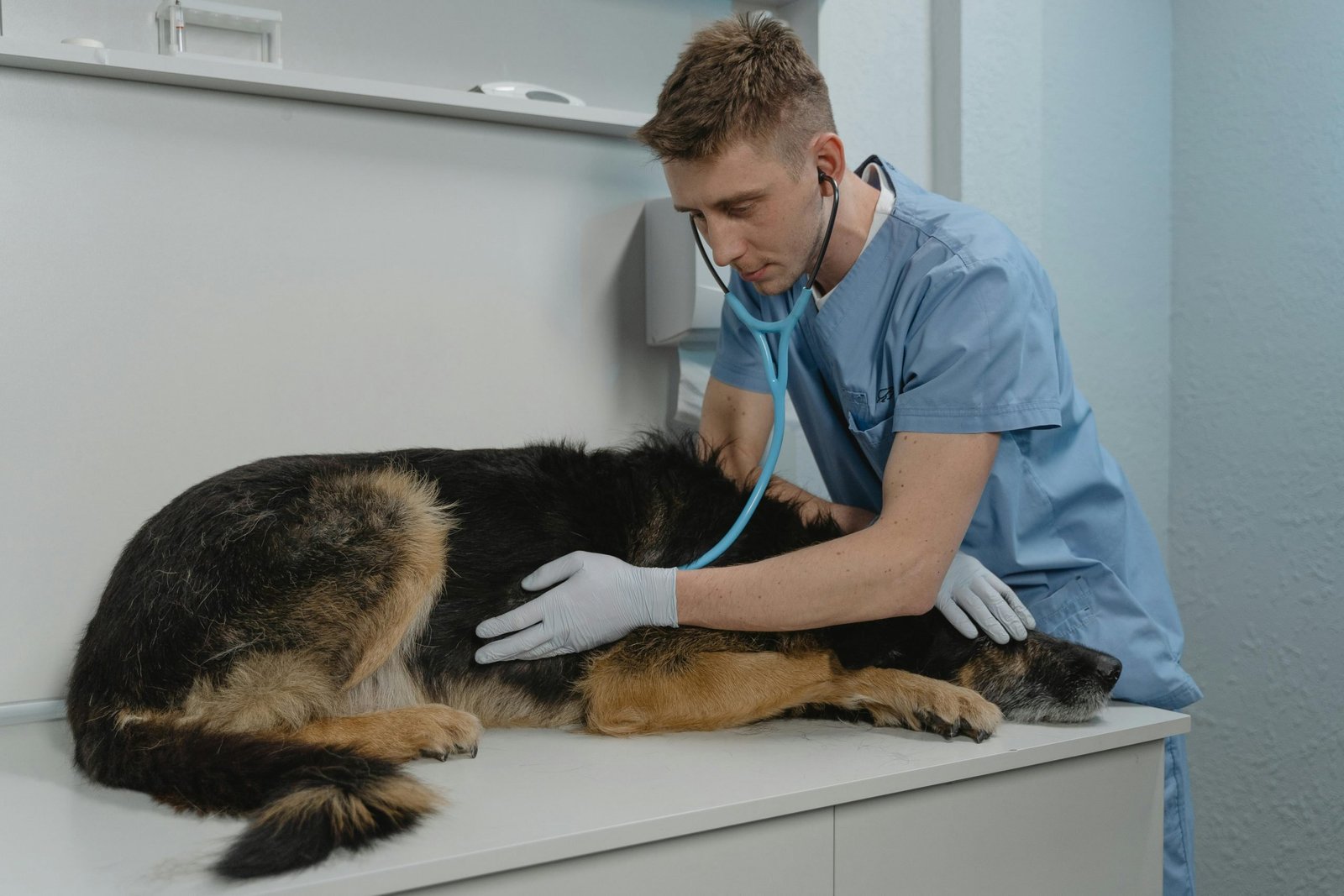
Why Would My Vet Order This Instead of Just Checking Blood Sugar?
A regular glucose test is only a snapshot, and dogs can spike that snapshot from nothing more than the stress of a car ride and an unfamiliar clinic. This effect is typically milder in dogs than in cats, but a single high glucose reading in an anxious dog still does not necessarily mean diabetes.
Fructosamine sidesteps that problem because a few stressful hours cannot meaningfully shift a one to two week average. This is exactly why fructosamine gets used both to confirm a new diagnosis and to check whether blood sugar has drifted since the last visit. Vets usually look at it alongside glucose curves and urine testing.
How Is the Fructosamine Test Actually Done?
It only requires a small blood sample, drawn the same way as routine bloodwork, with no fasting or special prep needed beforehand. Your dog does not need to be sedated, and the sample can usually be run at the same visit as other lab work.
Results typically come back within a day or two, depending on whether your vet’s clinic runs it in-house or sends it to an outside lab.

What Does a High or Low Fructosamine Result Mean?
A high fructosamine level generally points to blood sugar that has been running elevated for weeks, which is what you would expect in a newly diagnosed or poorly controlled diabetic dog. A low result can suggest blood sugar running lower than it should, sometimes from an insulin dose that has become too strong for a dog’s current needs.
Reference ranges vary somewhat by lab, so your vet will interpret your dog’s specific number against the range that laboratory uses rather than a single universal cutoff.
| Fructosamine Pattern | What It Often Suggests | Typical Next Step |
|---|---|---|
| Within the lab’s normal range | Blood sugar has been stable and well controlled | Continue current monitoring schedule |
| Persistently high | Blood sugar has been running high for weeks | Reassess insulin dose, diet, and injection technique |
| Trending down over time | Diabetes management is improving | Continue current plan, recheck as scheduled |
| Unexpectedly low | Blood sugar may be running too low | Vet reviews insulin dose and watches for weakness or collapse |
Can Anything Other Than Diabetes Skew the Result?
Yes. Hyperthyroidism, or any illness that lowers total blood protein, such as significant kidney, liver, or intestinal disease, can artificially lower a fructosamine reading. This happens even when blood sugar itself is not well controlled, which is one reason vets look at fructosamine alongside the whole picture rather than in isolation.
A single fructosamine number is never read on its own. Your vet will weigh it against your dog’s symptoms, other bloodwork, and how they are actually doing at home.
Quick answer: Fructosamine is one piece of the puzzle. Your vet combines it with symptoms, weight trends, and sometimes glucose curves to get the full picture of control.

How Often Will My Dog Need This Test?

For a newly diagnosed diabetic dog, most vets recheck fructosamine every few weeks until control looks stable. Once your dog is well regulated, testing typically spaces out to every few months, alongside a general wellness exam.
Watch for weakness, wobbliness, muscle twitching, or collapse between visits. These can signal blood sugar dropping dangerously low, and they need same-day veterinary attention rather than waiting for the next scheduled recheck. Seizures or unresponsiveness are a diabetes emergency. If your dog can safely swallow, rub a small amount of corn syrup on the gums and get to a veterinarian immediately.
Was the article helpful?