

Your dog has had another one of those weeks. Off his food, a bit of vomiting, flat and tired, then mostly back to normal before anyone worked out why. Now your vet has mentioned Addison’s disease testing, and you are wondering why a dog with such come-and-go symptoms needs a specific hormone test. Addison’s is one of the more commonly missed diagnoses in dogs, because its early signs look like a dozen other things. One test settles the question.
Why Your Vet Is Testing for Addison’s Disease
Addison’s disease is the everyday name for hypoadrenocorticism. The name joins the Greek hypo, “under,” with the Latin for the adrenal cortex. It means the adrenal glands are not making enough cortisol. Often they are also short of the hormone that manages sodium and potassium.
Low cortisol affects many body systems at once, from digestion to blood pressure to energy levels. That is why the signs rarely point to one cause. The disease itself is uncommon, affecting well under 1 percent of dogs overall. But it shows up in as many as 4 percent of dogs worked up for chronic gastrointestinal signs. That is why testing lands on the list once the more common causes have been ruled out.
The Signs That Raise Suspicion
The classic pattern is vague lethargy, intermittent vomiting, diarrhea that comes and goes, and poor appetite. The episodes seem to improve on their own, only to return later. Some dogs flare up with stress and seem worse around boarding, travel, or other breaks in routine.
This waxing-and-waning pattern is why Addison’s disease gets missed or misdiagnosed for months at a time. Symptoms ease for a while, sometimes with supportive care alone, and the problem looks solved. That is the frustrating part: it was never actually gone.

What Baseline Bloodwork Shows
On a routine chemistry panel, low sodium paired with high potassium is one of the most useful clues. Vets often read the two together as a sodium-to-potassium ratio. Normal electrolytes do not clear a dog, though. Roughly a quarter of dogs with Addison’s disease, 21 to 26 percent in one 2025 case series, have normal sodium and potassium at diagnosis. A missing “stress leukogram,” the white blood cell pattern expected in a sick or stressed dog, is another subtle clue, and mild anemia can accompany it. Leukogram comes from the Greek leukos, “white,” and gramma, “record.”
| Clue | What It Suggests |
|---|---|
| Low sodium, high potassium | Classic electrolyte pattern of Addison's disease |
| Low sodium-to-potassium ratio | Supports suspicion even before ACTH testing |
| Normal electrolytes | Does not rule out Addison's disease |
| Missing stress leukogram | Suggests the body isn't mounting a normal cortisol response |
| Mild anemia | Can accompany chronic, low-grade cases |
How the ACTH Stimulation Test Works
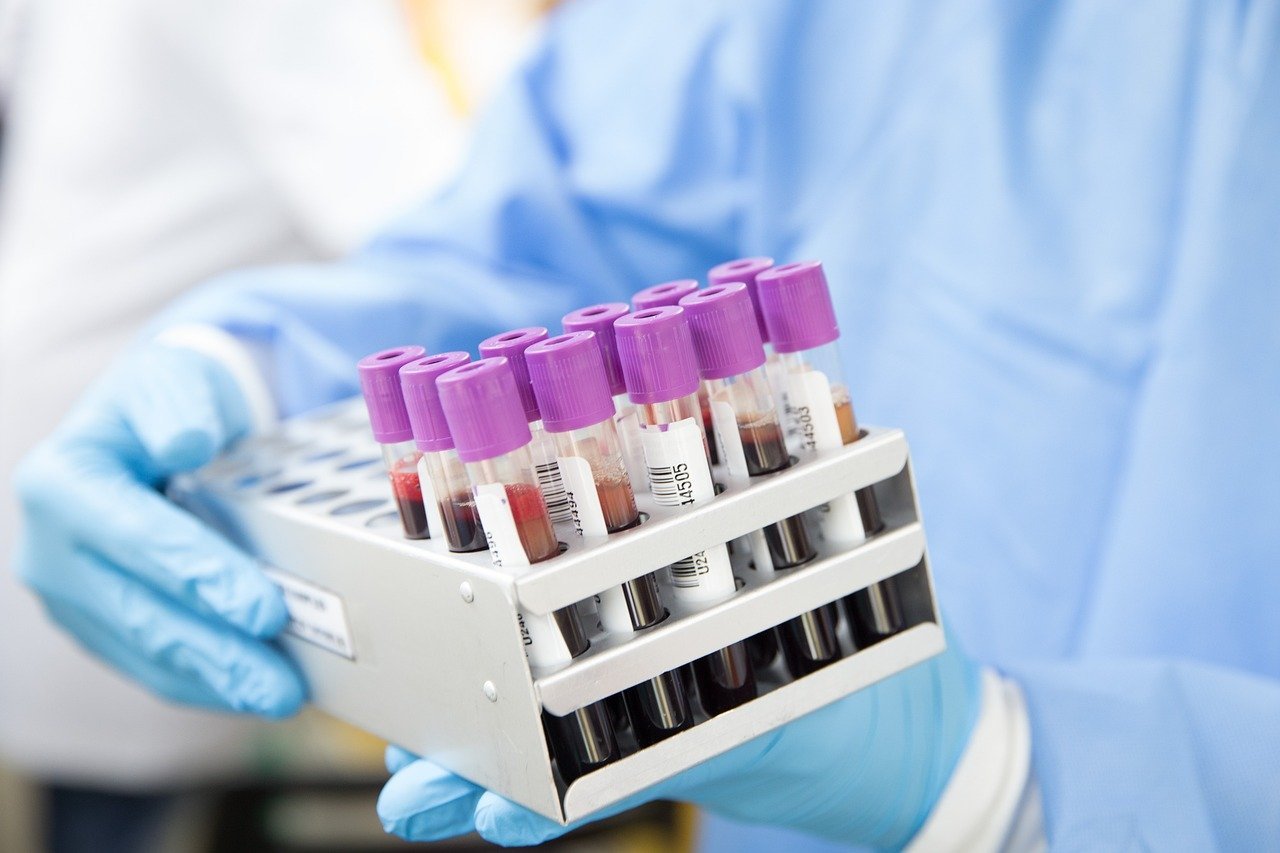
ACTH stands for adrenocorticotropic hormone, the signal from the pituitary gland that tells the adrenal glands to release cortisol. The test draws a baseline blood sample, gives an injection of a synthetic version of this hormone, then draws a second sample about an hour later. In a healthy dog, cortisol rises in response. In a dog with Addison’s disease, the adrenal glands cannot respond, so cortisol stays low both before and after the injection.
This is the definitive test for Addison’s disease. Baseline bloodwork can suggest the diagnosis but cannot confirm it.

What Do the Results Mean?
A flat response, with cortisol after the injection still under about 2 micrograms per deciliter, confirms the diagnosis. Your vet will also check whether the hormone that manages electrolytes is affected. Some dogs have only the cortisol-related form, sometimes called atypical Addison’s disease, without the classic sodium and potassium changes.
Borderline results happen occasionally, and steroids your dog was already taking are a well-known reason. Recent treatment with prednisone or a similar steroid can distort the result, which is why a washout of about three weeks before testing is usually advised. A single dose of injectable dexamethasone does not interfere. Tell your vet about any steroid use in the weeks beforehand, and do not stop a prescribed steroid on your own. If a result is still ambiguous, your vet may repeat the test.
Why Addison’s Is Called “The Great Pretender”
Addison’s disease earns this nickname because its symptoms overlap so much with kidney disease, chronic gut illness, and simple stress-related stomach upset. Dogs are sometimes treated for one of these other conditions for weeks or months before anyone tests for Addison’s disease specifically. If your dog has recurring gut symptoms that the other test results do not explain, it is reasonable to ask your vet whether Addison’s disease testing should be part of the workup. I would rather the question be asked and the test come back normal than have it go unasked.
When Is Addison’s Disease an Emergency?
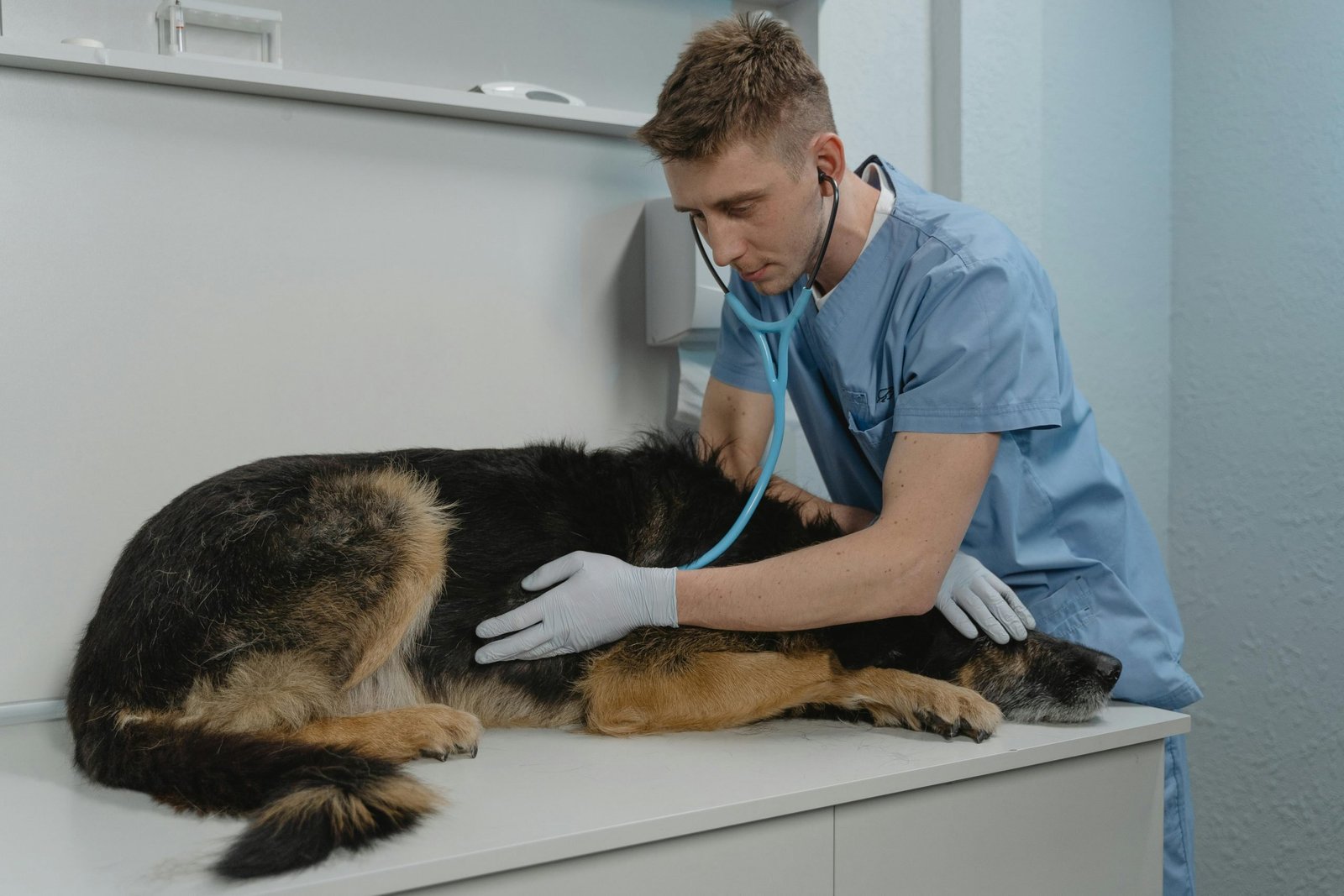
An Addisonian crisis is a severe, sudden collapse of the body’s ability to manage blood pressure and electrolytes. It is a true emergency, not something to monitor at home. It is also not a rare complication. In that same 2025 case series, roughly half of dogs with the classic electrolyte pattern were already in crisis by the time they were diagnosed. If your dog collapses, becomes extremely weak, or has an unusually slow heart rate, go to the emergency vet immediately, especially if there is a history of vague stomach trouble. In a crisis, blood pressure falls and potassium can climb high enough to slow the heart, so this cannot wait for a scheduled appointment.
- 01
Collapse
Your dog goes down or cannot stand
- 02
Extreme weakness
Profound weakness, not just a tired day
- 03
Unusually slow heart rate
A pulse far slower than normal for your dog

After a Diagnosis
Most dogs diagnosed with Addison’s disease do very well long-term with hormone replacement and monitoring. That same case series found a median survival of 5.6 years after diagnosis, with no real difference between dogs with and without the classic electrolyte changes.
Hormone replacement usually means roughly monthly DOCP injections or daily oral fludrocortisone, plus a low dose of prednisone to replace cortisol. Electrolytes are typically rechecked around day 14 and again around day 25 after starting DOCP, while the dose is fine-tuned. Once your dog is stable, rechecks drop to roughly every 4 to 6 months.

Was the article helpful?