

If your dog’s kidney values came back high and your vet has brought up a renal diet, you have probably heard it called a low-protein food. That is the part everyone remembers, but it is not what helps most.
A renal diet will not reverse damage that is already there, but it is still one of the better tools we have. Uremia is the buildup of waste products in the blood once the kidneys can no longer clear them (from the Greek for “urine in the blood”). In a blinded, randomized trial, dogs fed a renal food had fewer episodes of uremia and a slower decline in kidney function than dogs fed an ordinary maintenance food. They also had a lower death rate.

Phosphorus Is the Lever, Not Protein
The best-supported dietary change for slowing chronic kidney disease in dogs is cutting phosphorus. The evidence behind it is stronger than the evidence for restricting protein. Struggling kidneys clear phosphorus less well, and phosphorus that stays high is the problem the food is built around. In dogs with kidney disease, restricting phosphorus in the food has been linked to longer survival. Protein restriction is a secondary feature of the diet, not the point.
Protein is moderated, not minimized. Lowering it reduces the uremic waste products the kidneys have to clear, which can ease some signs of waste buildup. The protein left in the food still has to be high quality, with enough well-matched amino acids to hold onto muscle.
The food also has controlled sodium and added omega-3 fatty acids. In dogs with kidney disease induced for research, omega-3 supplements protected the kidneys. They helped preserve the filtering rate and reduced protein loss in the pee. Sodium is kept moderate as a standard part of these foods, and current international guidance notes there is no evidence that lowering dietary sodium reduces blood pressure in dogs.
So a renal diet is a therapeutic food for dogs with confirmed chronic kidney disease. It has reduced phosphorus, moderated high-quality protein, controlled sodium, and often added omega-3 fatty acids.
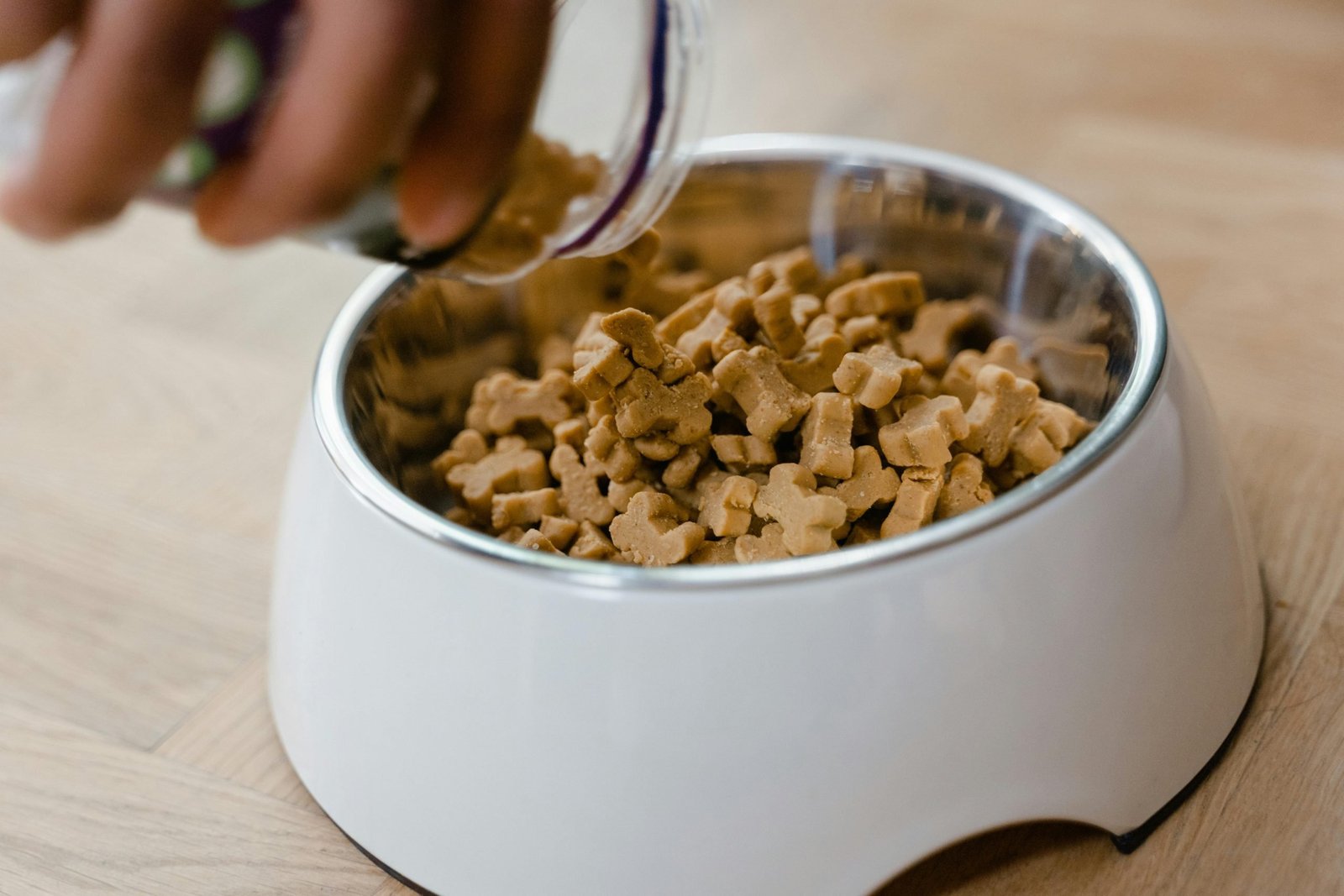
Why It Is Not a Precaution for an Aging Dog
The other common assumption is that a food this gentle on the kidneys must be a sensible precaution for an aging dog. It is not, and the difference matters.
Reducing protein and phosphorus is not known to help a dog with normal kidney function. Current international kidney guidelines start the diet only after kidney disease is confirmed. These foods also hold protein and phosphorus below the minimums set for a growing puppy. That is one reason a kidney diet is not right for a puppy.
For a healthy dog, general feeding guidance built around life stage, body condition, and any other diagnosed condition is the better starting point. The timing of a kidney diet comes from your dog’s bloodwork, urinalysis results, and disease stage, not from age or breed. Decide it with your veterinarian.

When the Diet Actually Starts
Veterinarians generally consider a renal diet once chronic kidney disease is confirmed and staged. Current international staging guidance suggests considering a clinical kidney diet at IRIS stage 2. At stages 3 and 4 it recommends feeding one. It also notes the change is easier to make early, before inappetence, a loss of appetite, sets in.
So the food often starts early, while your dog is still eating well. In advanced disease with a poor appetite, the switch has to be balanced against simply keeping your dog eating. That call depends on your dog’s stage, appetite, and comfort, and it is one to make with your veterinarian.

Making the Switch Without Creating a Food Aversion
Transition gradually over about a week, mixing more of the new food into the old. The usual approach is to replace about a quarter of the old food first, then raise the new food’s share based on how your dog takes it. Take longer if your dog is a slow eater or the disease has made them picky. Going slowly reduces the chance of digestive upset or a new food aversion.
Timing matters even more if your dog already feels unwell. Introducing the new food during a period of nausea, or force-feeding it, can create a lasting food aversion. Your dog learns to connect that food with feeling sick. Where possible, start the diet before uremic signs appear, and plan the switch with your veterinarian rather than during a bad week.
If Your Dog Refuses It
This is a common and frustrating problem, and it is usually not stubbornness. Dogs with kidney disease often eat less because of the disease itself, separate from any food change. Patience works better here than a fast switch.
If your dog refuses the renal diet after a gentle, reasonable effort, tell your veterinarian. Do not simply drop the idea. Several therapeutic kidney diets come in different forms, flavors, and textures, and a dog who refuses one may accept another. The diet continues for the rest of your dog’s life, so count it as part of the overall cost of kidney care.
If your dog is nauseous, treating the nausea can improve appetite enough to make the transition easier. That is another reason to coordinate this with your veterinarian.

Was the article helpful?