

If you are choosing a kitten and hoping for one that rarely needs the vet, breed is a reasonable place to start. It is only a start. No cat breed comes with a health guarantee. Nutrition, preventive care, and the individual cat’s own genes matter as much as the label, just as with the healthiest dog breeds. A breed does give you a list of known risks, and several now have a DNA test or a screening plan you can ask a breeder about before you commit.
The five breeds below all have a reputation for being sturdy cats, though for two of them the numbers are less flattering than the image.
Siamese Cats
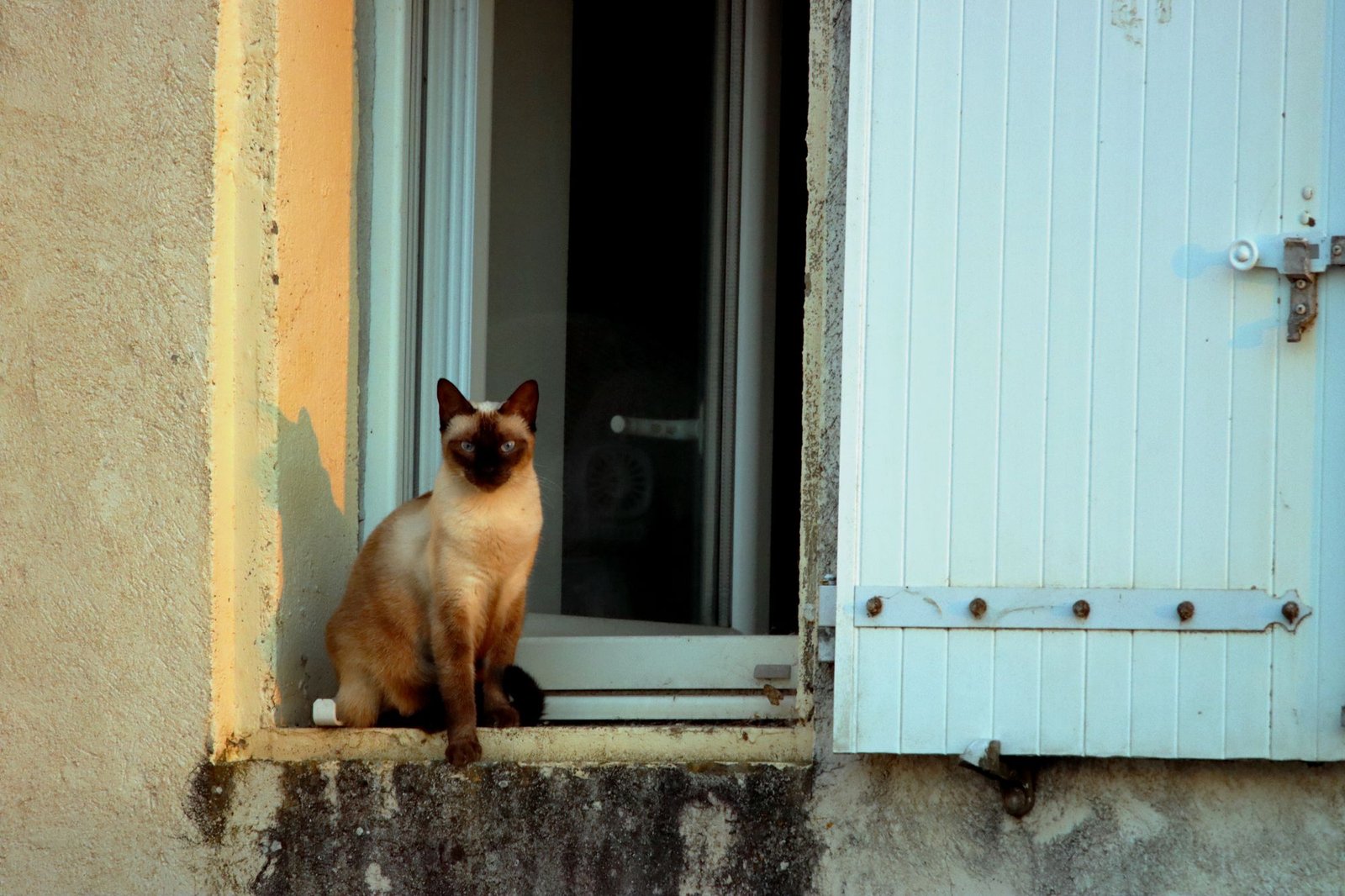
Siamese are intelligent, social cats with a lean, athletic build, and many stay active well into adulthood. Their short coat keeps grooming simple. For a sense of lifespan, Siamese in a large UK study of cat life expectancy averaged about 11.7 years from birth, much the same as cats overall.
You may read that Siamese are prone to feline asthma, but large studies have not confirmed that link. The better-documented risk is amyloidosis (from Greek and Latin roots meaning “starch-like,” for how the deposited protein once looked under a microscope). It is a protein-deposit disease that is uncommon in cats except in Siamese, Oriental, and a few related breeds. It can affect the kidneys, and Siamese are prone to a severe liver form that can lead to rupture and bleeding. Coughing, or drinking and peeing noticeably more, an early sign of kidney trouble, needs a prompt vet visit rather than waiting to see. The liver form cannot wait. Sudden lethargy or weakness, pale gums, or collapse can mean internal bleeding, so that cat needs an emergency vet right now.
Maine Coon Cats
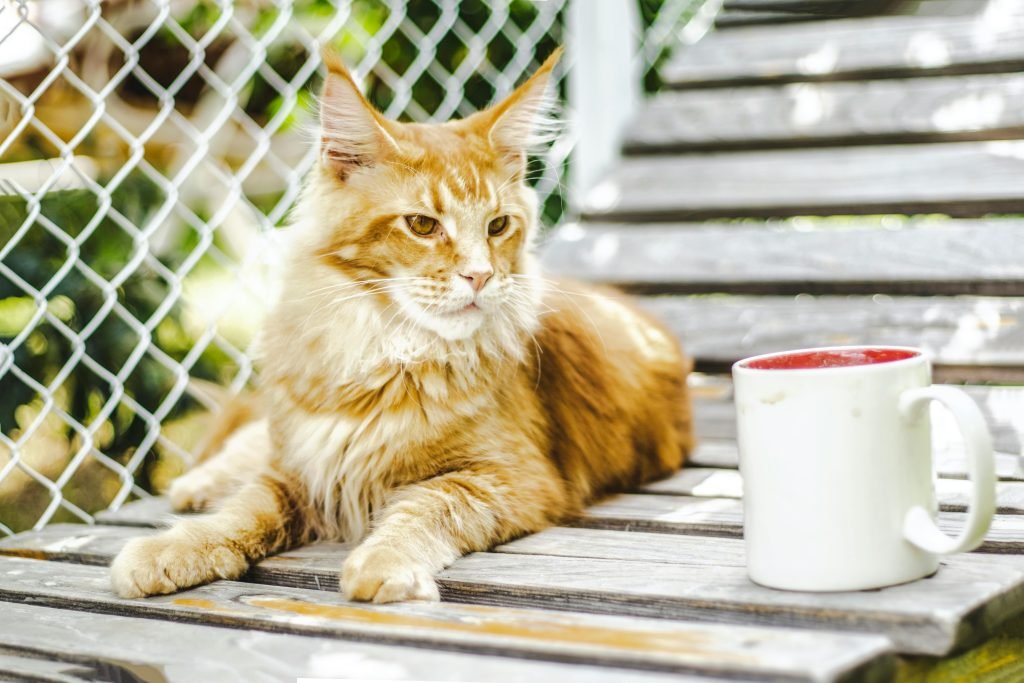
Maine Coons are one of the largest domestic cat breeds, but size does not mean fragility. Many stay playful and mobile well into their senior years. They also come in dozens of Maine Coon color patterns, none of which affects their health.
The condition to ask about is hypertrophic cardiomyopathy (Greek for excessive growth, here of the heart muscle itself), a thickening of the heart wall. Cats with one copy of the MYBPC3 mutation behind it are about 1.8 times more likely to develop the disease than cats without it, and cats with two copies about 18 times more likely. A breeder who tests for the mutation can tell you your kitten’s result before you take it home, and I would ask before paying a deposit.
American Shorthair Cats
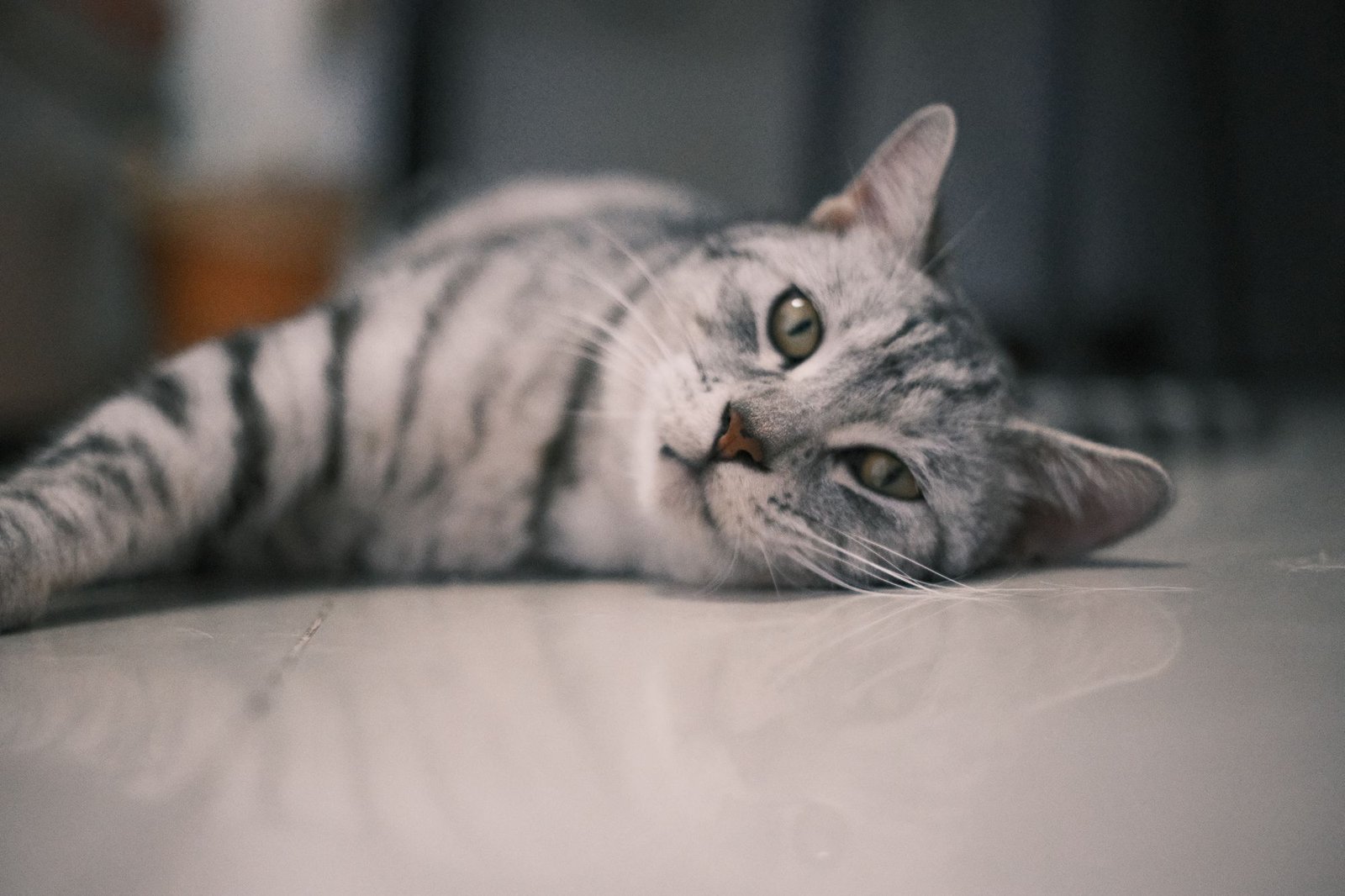
American Shorthairs descend from the working cats that sailed with early settlers to keep rodents off the ships, then guarded farms and homes as people moved west. They were kept for what they could do rather than for a narrow show-ring look, which is a large part of why they turn up on healthiest-breed lists.
The breed’s registry, the Cat Fanciers’ Association, describes it as not currently known for any breed-specific health problems. That is about as close to a clean slate as a pedigree gets. It does not exempt an individual cat from the everyday problems any cat can develop, so the routine care below still applies.
Bengal Cats
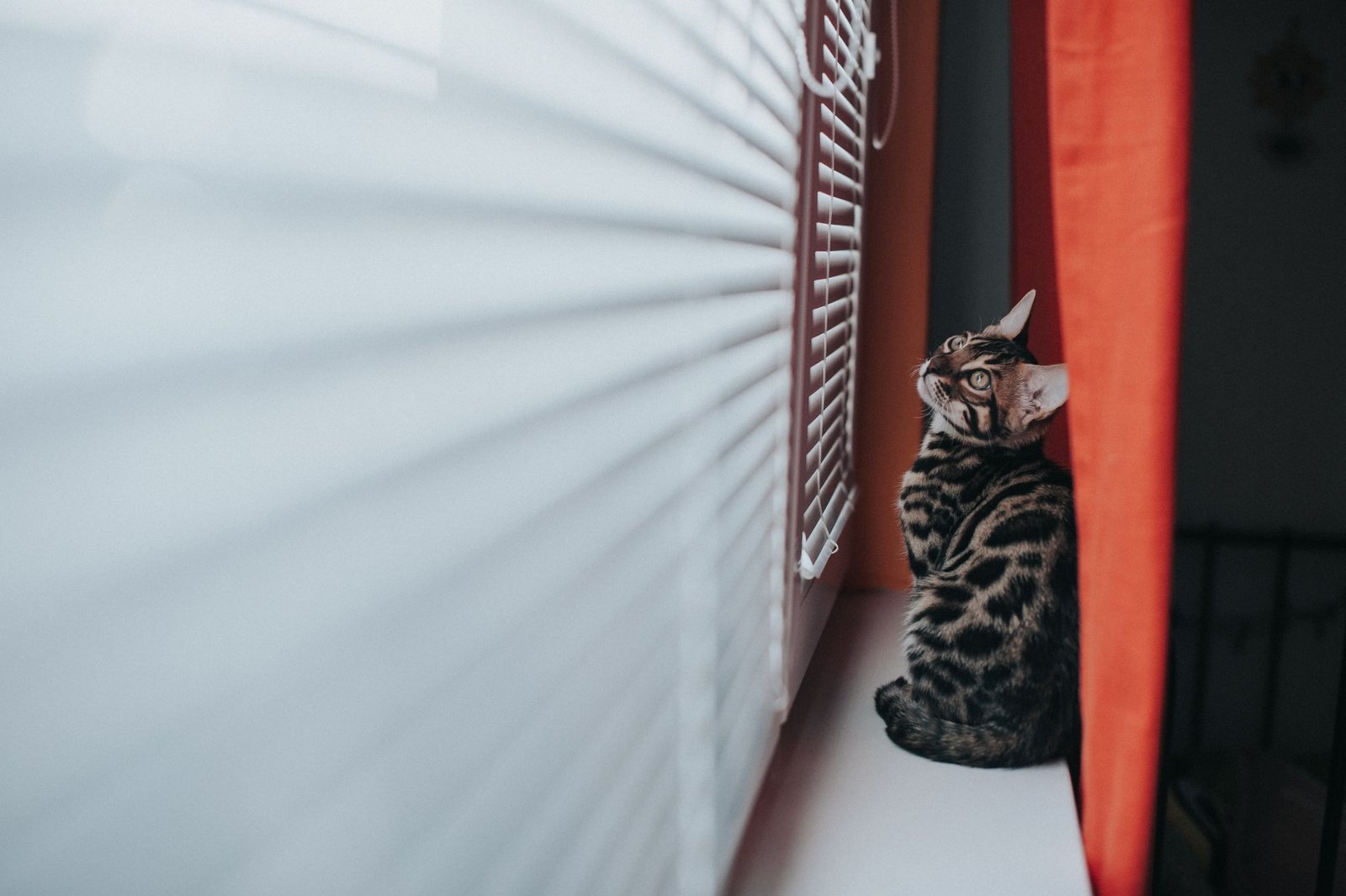
Bengal cats are energetic and athletic, often behaving more like dogs than traditional house cats. Many enjoy fetch, leash walking, and interactive play, and they need real exercise, not just a scratching post and a windowsill. A bored Bengal tends to find its own entertainment, usually at the expense of your furniture, so an active household suits this breed better than a quiet one.
The breed also carries two inherited conditions to ask about. Bengal progressive retinal atrophy slowly destroys the light-sensing cells at the back of the eye. It starts at around 7 weeks of age, and an affected cat has very poor vision by about 2 years. Pyruvate kinase deficiency is an inherited cause of on-and-off anemia in cats, which can show up as severe lethargy, weakness, weight loss, or jaundice. Both are recessive, meaning a kitten must inherit the mutation from both parents to be affected. Both have DNA tests, so ask the breeder for the parents’ results.
Sphynx Cats
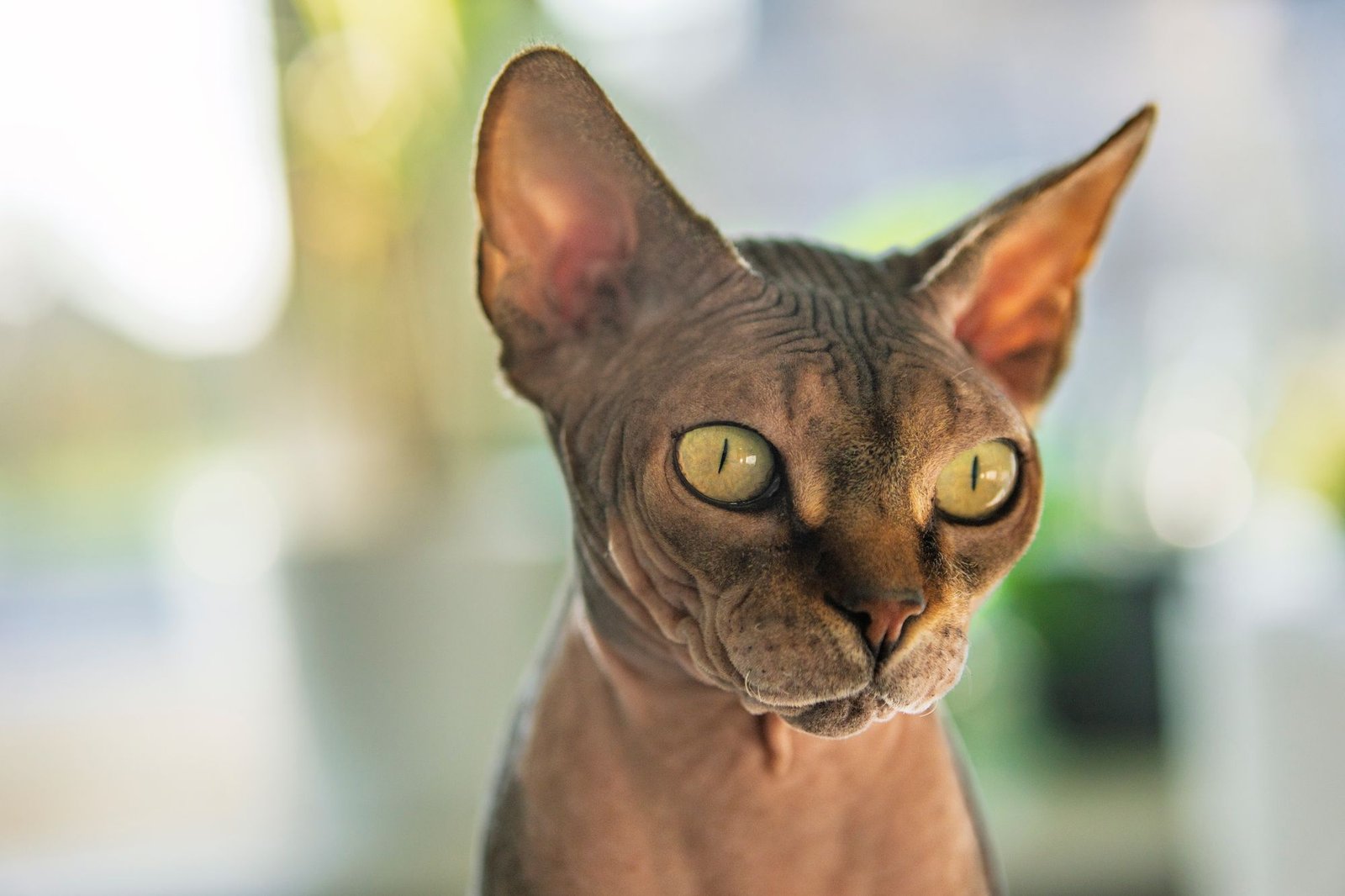
Sphynx cats look delicate, but day to day many are sturdy, people-oriented cats. Their lack of fur means owners often notice skin or body changes early, which can mean faster veterinary attention when something is off. They do need regular skin care and a warm home.
Two numbers keep the Sphynx from being an easy pick. The first is hypertrophic cardiomyopathy, the same heart-muscle thickening seen in Maine Coons. Population-screening studies have found it in 20 to 40 percent of Sphynx cats screened, well above the roughly 15 percent estimated for cats generally. The second is lifespan: in a UK study of life expectancy across cat breeds, Sphynx had the shortest of the breeds analyzed, under 7 years from birth. Ask your vet about heart screening, even for a Sphynx that seems perfectly healthy.
What Really Makes the Healthiest Cat Breeds Healthy
Breed is only part of the picture, even among the breeds above. Regular veterinary visits, good nutrition, parasite prevention including safe flea control, dental care, and noticing early when your cat’s behavior changes do more for a long life than any pedigree.
Mixed-breed cats can be just as healthy as purebreds, and the life-expectancy data lean their way: crossbred cats in the UK life-expectancy study averaged about 11.9 years, and being purebred was linked with a shorter lifespan. Whatever cat you choose, the goal is not a perfect animal but informed care and a sharp eye for change.
Was the article helpful?