

The short answer is that most natural flea remedies do not work on their own, and a handful of them can poison a pet. That is not what anyone wants to hear after finding a flea on the dog or a scatter of black flea dirt on the cat’s blanket. The instinct behind the question is a fair one. Nobody enjoys putting a pesticide on an animal they love. But home and herbal remedies are mostly too weak or too short-lived to stop a real infestation, and essential oils above all can poison pets, cats in particular.
A few natural steps are still worth doing, and worth doing properly. First, though, the risky ones, because those can hurt your pet.
Why Natural Does Not Always Mean Safe
A natural label tells you where an ingredient came from, not how safe it is. Many plant extracts are chemically strong, and essential oils are the clearest example. Tea tree oil, eucalyptus, pennyroyal, and citrus oils all turn up in homemade and store-bought flea products, yet several of these oils are toxic to dogs and cats. Pennyroyal even carries fleas in its name (Latin pulegium, from pulex, “flea”), because it was once used to drive them away.
After a pet licks these oils or absorbs them through the skin, vomiting, drooling, tremors, or wobbliness can follow, along with skin irritation. Severe cases can end in liver failure. Cats are hit hardest because their livers are short on an enzyme dogs use to clear some of the compounds in these oils. Skip essential oils on cats entirely, even products marketed as pet-safe. Nerve-related reactions to these oils in cats are well documented.
Garlic and onions, sometimes suggested as a flea repellent you mix into food, damage red blood cells. They can cause anemia in both dogs and cats, and cats are the more sensitive of the two. Homemade mixes are the riskiest of all, because nobody knows how strong a given batch is. If any of the signs below turn up after a natural product goes on, stop using it and contact your veterinarian right away.
- 01
Red or irritated skin
Redness, a rash, or scratching where the product went on
- 02
Coughing or hard breathing
Coughing or labored breathing after a spray or powder
- 03
Vomiting or drooling
Often a sign your pet licked a treated spot or swallowed oil
- 04
Tremors or wobbliness
Shaking, stumbling, or an unsteady walk after oil exposure
There is also a regulatory gap most owners never hear about. A registered flea product goes through a federal review that includes safety data in pets before it is sold. Lemongrass, peppermint, rosemary, cedarwood, and garlic oils sit on the federal list of minimum-risk pesticide ingredients. A spray built only from listed ingredients is exempt, so EPA generally does not review those products before they reach the shelf. The natural bottle and the approved one sit side by side and have not been held to the same standard.

What Each Remedy Actually Does
Diatomaceous earth is a fine powder made from fossilized algae, and it kills insects by soaking up the oils in their outer shell so they dry out. Only food-grade diatomaceous earth belongs anywhere near a pet, because that is the purified form. Even then the dust irritates the nose and airways when breathed in, so keep it away from your pet’s face. And it only affects the fleas that actually crawl through it.
Essential oils are sold as repellents, and in the lab some of them do kill or repel fleas. Making that work on a live animal is the hard part. The oils evaporate quickly and the formulations are unstable, so any protection on the coat tends to be short-lived and hard to repeat. Herbal sprays built on lemongrass, peppermint, or rosemary belong in the same group: they may keep fleas off for a short while, and they are not stand-alone flea control. Remedies you add to food do no better. Brewer’s yeast, B vitamins, and sulfur have not been shown to repel fleas, and garlic brings the anemia risk along with it.
Behind all of that sits a thin evidence base. Most natural flea products have never been through the testing an approved flea medicine requires. What research exists is mostly lab work with very few trials on real dogs and cats. A 2026 review of essential oils for flea and tick control concluded that proper field studies are still needed before these oils can be relied on. A remedy may knock back the adult fleas you can see, especially alongside thorough cleaning, but that is not the same as ending an infestation.
The Part of the Infestation You Cannot See
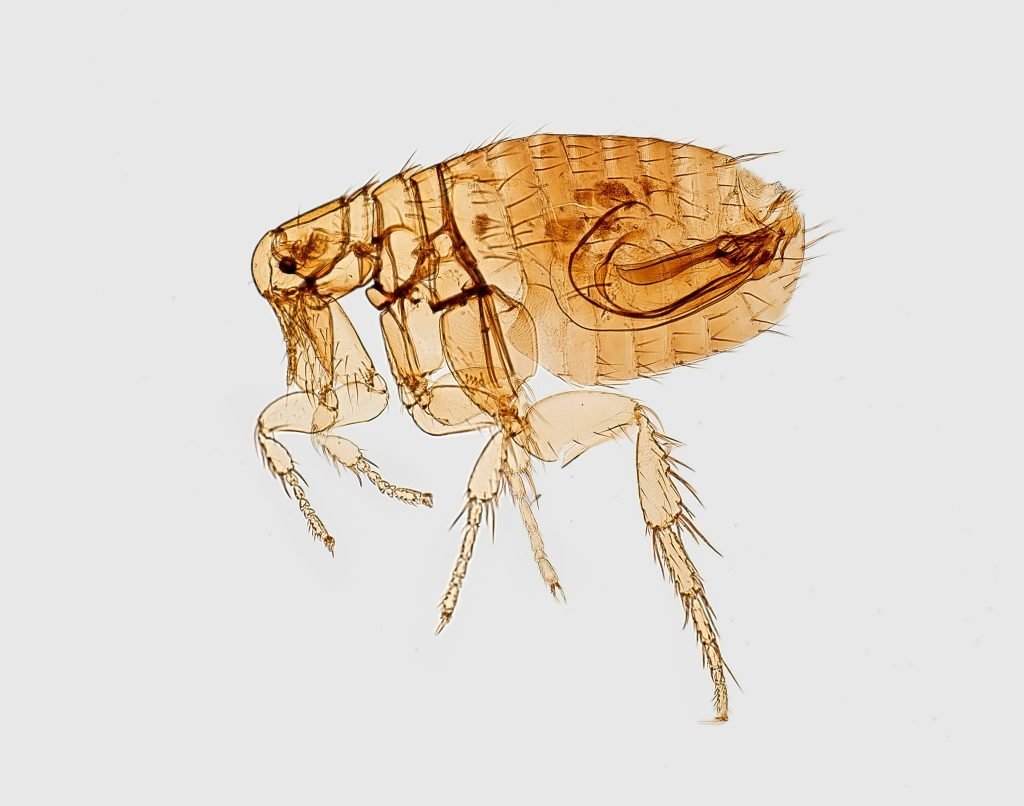
The fleas on the animal are the smaller half of the problem. Flea eggs fall off your pet into the house within a few hours, and the larvae develop in carpets and under furniture. A remedy that only touches adult fleas leaves the next generation hatching behind it. Many approved products add an insect growth regulator, an ingredient that keeps flea eggs from hatching or larvae from developing. That is the reason they can end an infestation where most natural options cannot.

Where Natural Steps Do Help
Natural methods earn their keep as backup, mainly around the house rather than on the animal. Thoroughly vacuuming your pet’s sleeping and resting areas helps pull flea eggs and larvae out of carpets and furniture, and a full house cleanup matters most during an actual infestation. Washing your pet’s bedding, blankets, and rugs in hot water every week removes another share of the fleas that have not hatched yet. I would rather see that effort go into the vacuum than into a spray.
Routine grooming and bathing let you catch fleas early and remove them by hand, which matters even for indoor-only cats. None of this fully clears the fleas already on your pet or hatching in the carpet. Treat it as support for a proven product rather than a replacement for one.

If It Is the Chemicals That Worry You
Say so to your veterinarian, because that worry is something a vet can work with rather than argue about. Your vet can match a proven flea preventative to your pet’s species, age, weight, and health history. That history matters, because one widely used drug class, the isoxazolines, carries an FDA alert about possible tremors, wobbliness, and seizures. For cats, what is actually labeled and dosed for cats is a short list worth knowing.
Approved options come as oral chews, topical spot-ons, collars, and long-acting injections, so there is usually a format that fits your household. Choosing parasite prevention for dogs and cats walks through how they compare.
This article is for educational purposes only and is not a substitute for professional veterinary care. Always consult a licensed veterinarian regarding your pet’s health and nutritional needs. As an Amazon Associate, Vet Explains earns from qualifying purchases.
Was the article helpful?